
Have you ever wondered why so many people lose their lives to heart disease? Programs aimed at disease prevention show us that making small, everyday changes can really make a difference. With one in every four Americans facing heart issues, these initiatives focus on simple steps like eating balanced meals, moving more often, quitting smoking, and finding better ways to manage stress.
They take complicated ideas and break them down into easy, bite-sized actions that anyone can follow. In this post, you'll learn how these programs work to fight heart disease and pick up some friendly tips to help protect your heart day by day.
Comprehensive Disease Prevention Programs for Cardiovascular Health
Cardiovascular disease still ranks as one of the top killers around the world. In 2020, more than 19 million people lost their lives to it, with one in four falling victim. This shows just how urgent it is to look after our hearts.
We know that a poor diet, not enough exercise, smoking, and high work stress can all hurt our heart. For instance, smoking is tied to 25% of heart-related deaths, and research shows that workplace fitness programs can cut risk by up to 35%. With many people facing chronic work stress today, taking steps to protect our hearts is more important than ever.
Good programs focus on four main ideas: changing our lifestyle, understanding our risks, catching problems early, and learning more about heart health. Each of these parts works together to create long-lasting, positive changes in our well-being.
- Healthy eating plans
- Regular activity programs
- Smoking cessation help
- Stress management techniques
- Routine heart screenings
By combining these elements, we create a complete plan that brings together better eating, more movement, ways to quit smoking, stress relief practices, and on-time check-ups. This integrated approach not only encourages healthier habits but also backs community efforts to lower the risk of heart disease.
When we follow these simple, evidence-backed strategies, we empower ourselves to take charge of our heart health and live a more vibrant life.
Lifestyle Modification Programs in Cardiovascular Reduction Strategies

Eating well and staying active are keys to a healthy heart. Simple changes like choosing nutrient-rich foods, reducing salt, and moving your body regularly can help lower cholesterol, keep blood pressure in check, and even improve your sleep. Did you know almost half of U.S. adults don’t get the recommended amount of exercise? And getting 7–8 hours of sleep each night can really strengthen your heart. Before starting a program, one study showed that increasing sleep by 10% was linked to a 15% drop in heart stress markers.
Here are some actions to consider:
- Regular exercise
- A heart-friendly diet
- Keeping cholesterol levels in check
- Monitoring blood pressure
- Managing weight
- Quitting smoking
- Managing blood sugar levels
- Getting 7–8 hours of sleep every night
Programs designed to help you quit smoking, which include counseling and even advice on using e-cigarettes safely, have proven effective in reducing tobacco use, a major heart risk. These programs offer personalized support to help change old habits, ease stress, and boost your overall heart health.
In addition to exercise and quality sleep, adjusting your diet is really important. For instance, cutting down on salt can help lower blood pressure, while adding more fiber and healthy fats supports balanced blood sugar and better cholesterol levels. And remember, reducing salt doesn’t mean your food has to be boring, a sprinkle of herbs can bring out exciting flavors and keep your blood pressure in check.
Some healthy dietary choices include:
- Cutting back on salt
- Adding more fiber in your meals
- Choosing healthy fats
- Incorporating more plant-based proteins
- Limiting sugar intake
- Keeping yourself well-hydrated
Early Detection Protocols and Risk Assessment in Heart Disease Prevention
Routine screenings are a simple way to spot heart risks before they grow into big problems. Regular tests like cholesterol panels, blood pressure checks, and hemoglobin A1c tests (which show your average blood sugar) help find early signs of heart troubles. Since nearly half of Americans have high blood pressure, catching it early means you can act fast to avoid a heart attack or stroke. Genetic tests also help by checking if your family history puts you at more risk for heart disease.
| Test Type | How Often | Who Should Get Tested | What It Does |
|---|---|---|---|
| Cholesterol panel | Yearly | Adults | Finds unhealthy lipid levels |
| Blood pressure check | Every few months | Those at risk | Keeps track of high blood pressure |
| Hemoglobin A1c | Yearly | Diabetics or those at risk | Shows blood sugar control |
| Genetic risk assessment | Once, then as needed | People with a family history | Checks for hereditary risks |
Risk scoring systems, like the ASCVD calculator, help doctors decide quickly by estimating your heart risk. When these tools work with treatments such as aspirin and statins (medications that help lower cholesterol), they work to keep your heart in better shape. This mix of tools and careful treatments makes a personal plan that helps lower the chance of serious heart problems.
Community Wellness Campaigns Supporting Cardiovascular Reduction Goals
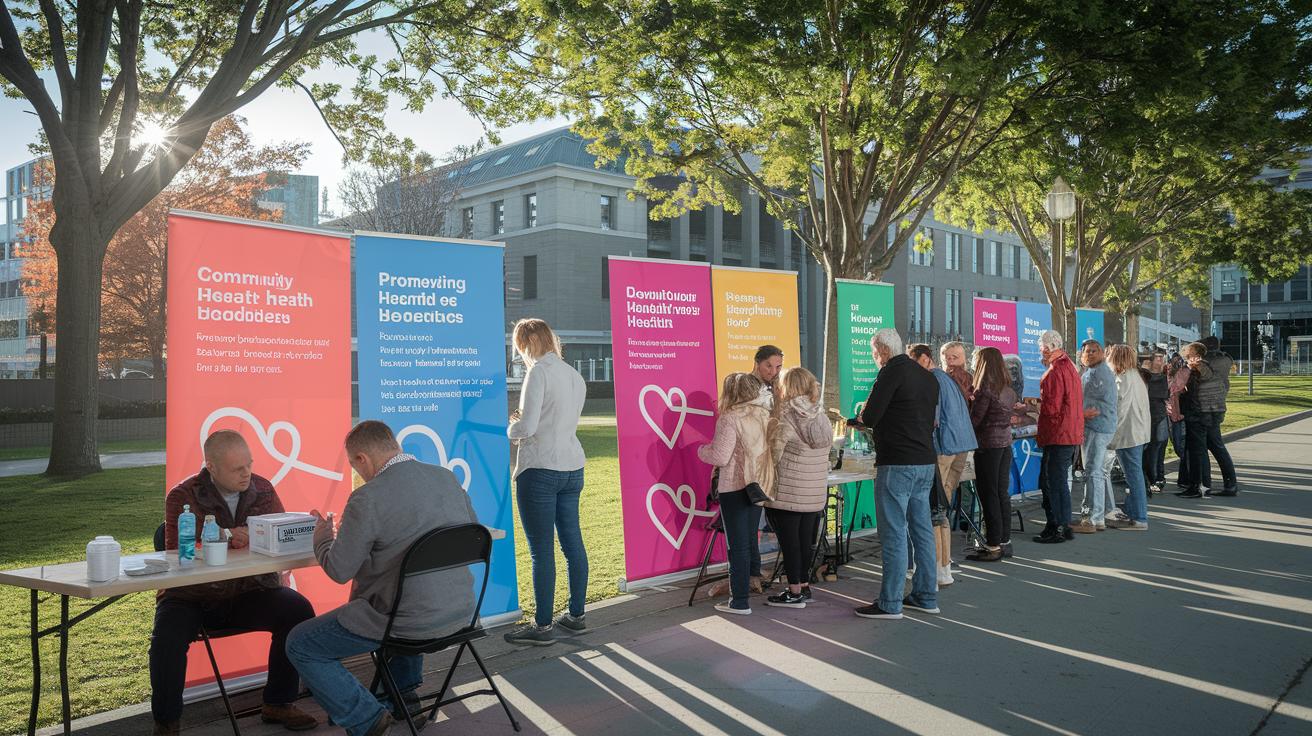
Local wellness programs factor in everyday challenges like income, education, and available community resources. When access to health services is limited, these campaigns are crafted to reach those who need help the most. Community planners use these insights to design programs that truly fit local needs, which can help even out differences in heart health outcomes.
- Free or low-cost heart check-ups at screening events
- Mobile units that bring heart tests right into underserved neighborhoods
- Nutrition classes that show easy, heart-friendly recipes
- Discounted gym passes to make staying active more affordable
- Telehealth clinics that connect people with remote medical advice
These heart health initiatives work by sharing clear, straightforward messages about taking care of your heart. You might see them at community centers, on local bulletin boards, or through regional media. They show that even small changes, like cutting back on salt or adding a daily walk, can lower your risk of heart disease, inspiring people to take real, practical steps to improve their well-being.
Adding to these efforts, remote monitoring tools let individuals keep track of their heart health through mobile technology. With easy-to-use devices and home kits, anyone can monitor key health signs. This approach helps make community programs more connected and responsive to what local residents need.
Workplace Programs as Preventive Care for Cardiovascular Health
Corporate wellness programs are here to help lower the risk of heart problems by combining smart health ideas. Companies now offer heart health workshops, on-site check-ups, and tasty, healthy food choices, all designed to help every employee feel their best. Regular health checks and access to gym memberships or fun group classes can cut heart disease risk by as much as 35 percent. This support is especially important when work stress causes high blood pressure for many employees.
Mental Health Programs
Workplaces also run stress-relief classes and mental health support sessions. These sessions create a calm space where employees can learn ways to manage stress, helping to avoid sudden blood pressure spikes. It's like getting simple tips to ease tension while also taking care of your heart, which makes your workday feel more balanced.
Other efforts include programs that help employees quit tobacco and menus in the cafeteria that limit salt and offer well-rounded meals. This approach not only helps catch issues early with routine check-ups but also encourages healthy habits that stick over time.
- Needs assessment
- Program design
- Employee engagement
- Continuous evaluation
Evaluating Program Impact and Evidence-Backed Prevention for Cardiovascular Reduction

Coordinated prevention efforts have shown real promise in reducing heart problems. In fact, these programs can lower cardiovascular events by up to 20 percent over five years. Workplace wellness programs, for example, save around $3 for every $1 spent. Mobile-health campaigns have also boosted heart screening participation by about 15 percent, and strong follow-up strategies help people stick to healthier lifestyles. These numbers show that careful planning and keeping track of progress can cut heart disease risks for many communities.
• Studies clearly show fewer heart disease events
• Research points to more screenings and quicker detections
• Good follow-up habits lead to long-lasting healthy changes
• Programs can easily grow to reach new areas and people
Evaluations suggest that these programs aren’t just affordable , they can adapt to different environments too. Models that work well in one place can often be used in other regions and among various groups, meaning more people can benefit. Prevention strategies that rely on solid evidence are a smart way to fight heart disease, saving costs and boosting public health while making a real economic impact on our health systems.
Final Words
In the action, we explored a range of strategies designed to cut heart disease risks. We looked at ways to improve nutrition, boost activity, manage stress, and spot early warning signs. Each section highlighted practical steps, from community and workplace programs to early detection measures, that add up to a healthier heart.
These insights show how do disease prevention programs try to reduce cardiovascular disease through everyday choices and targeted care. The blend of data and common-sense health tips can really make a difference. Stay positive and take care of your heart!
FAQ
Q: What is one reason that the demands on healthcare systems have increased in recent years?
A: The increased demands on healthcare systems stem from rising chronic diseases and aging populations, which place a heavier burden on services like treatment, prevention, and early health screenings.
Q: How can an in-school program help prevent self-destructive behaviors among teens?
A: An in-school program helps prevent self-destructive behaviors by offering students guidance, positive role models, and structured educational activities that encourage healthier choices and early intervention strategies.
Q: Why is it important to understand the different types of health professionals?
A: Understanding different types of health professionals promotes better care coordination, helps patients choose the right expert for their needs, and ensures effective communication among the diverse teams supporting overall well-being.
Q: How do disease prevention programs try to reduce cardiovascular disease?
A: Disease prevention programs reduce cardiovascular disease by focusing on lifestyle modifications, early detection through screenings, structured risk assessments, and community education to help people adopt heart-friendly habits.
Q: Why is physical activity so important in preventing heart disease?
A: Physical activity lowers blood pressure, strengthens the heart, and helps manage weight, all of which can independently reduce the risk of heart disease and support overall cardiovascular function.
Q: What are effective strategies to keep your heart healthy and prevent cardiovascular disease?
A: Effective strategies include balanced nutrition, regular exercise, smoking cessation, maintaining a healthy weight, and timely preventive screenings—all of which foster a resilient heart and lower the likelihood of cardiovascular complications.
Q: What actions is the government taking to prevent cardiovascular disease?
A: The government supports cardiovascular disease prevention by funding public health campaigns, promoting access to routine screenings, and encouraging policies that improve lifestyle factors through community and workplace wellness programs.
Q: How do prescription drug costs relate to overall healthcare expenses in cardiovascular prevention?
A: Prescription drug costs are a significant factor, accounting for about 25% of healthcare expenses, which highlights the importance of cost-effective prevention strategies that can reduce reliance on medications by maintaining heart health through lifestyle measures.

