Ever wonder if a beginner’s swim session can really boost your confidence? If you’ve ever felt a bit lost in the water, you’re in good company. A well-planned swim workout gives you simple steps to improve your strokes and steadily build strength. With a routine that mixes different techniques, you learn to control your movements and see progress a lot faster. Bit by bit, every lap turns those hesitant strokes into smooth, controlled moves, making each swim more enjoyable.
Building Skills and Confidence with Swim Workouts for Beginners
Planned swim sessions help new swimmers learn proper techniques and feel more comfortable in the water. When you follow a set plan, you'll notice how controlling your movements and tracking your progress turns wobbly strokes into smooth, confident ones. This kind of routine cuts the mystery out of swimming and gives you a strong start for getting even better.
You can try five main types of workouts to begin with. First, try a High-Intensity Interval Training routine, also known as HIIT, which means alternating short bursts of effort with rest. It gets your heart pumping, burns calories, and boosts your overall energy. Next, full-body stroke sets work many muscles at once, so every lap feels like a complete workout. You can also use gear-assisted drills with tools like kickboards or fins to fine-tune your form and build strength. Additionally, counting your strokes helps you keep a steady rhythm and reduce drag, and speed-endurance sets steadily build your stamina.
Mixing these workouts over a few weeks boosts your endurance and sharpens your swimming technique. When you alternate between calorie-burning HIIT sessions and careful stroke drills, your body learns to handle different challenges and recovers more easily. This clever mix lets you steadily improve, keeps training fun, and makes sure each swim builds both your strength and your confidence in the water.
Essential Swim Gear to Kickstart Your Swim Workouts for Beginners
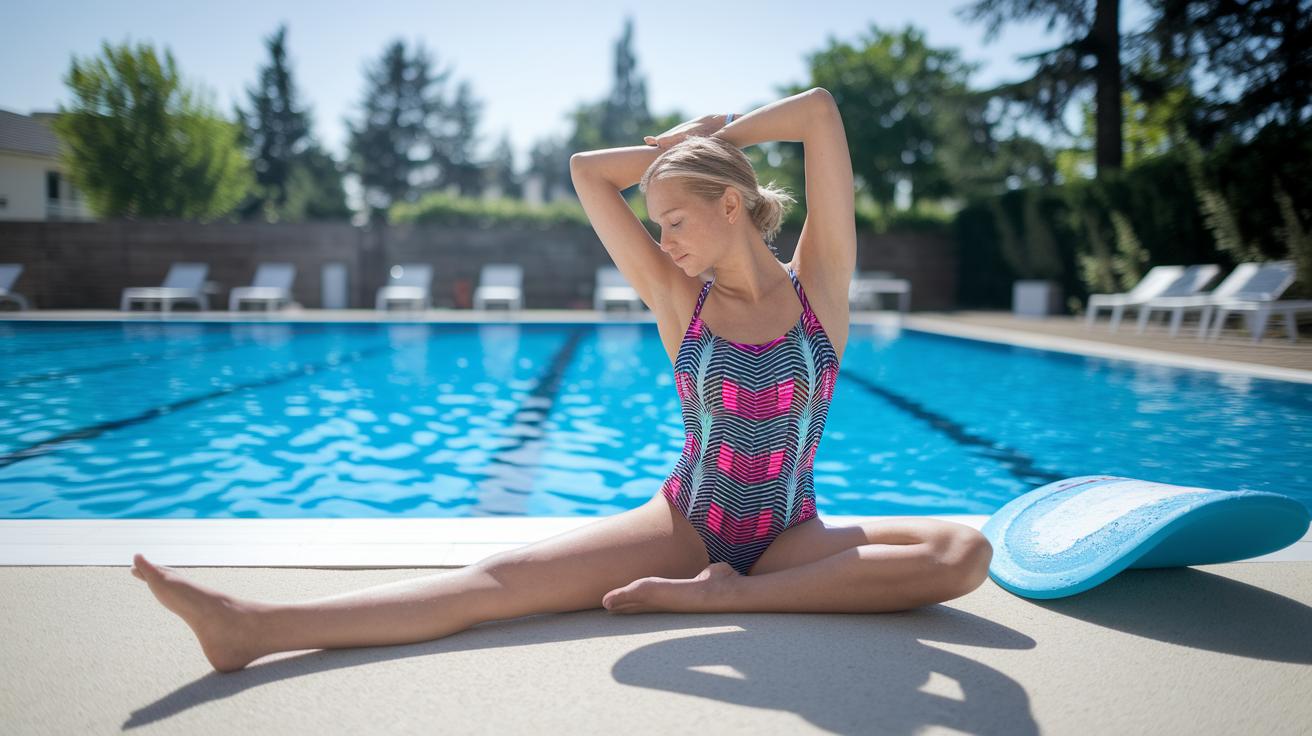
Getting the right gear can really change how comfortable and confident you feel in the water. It lets you focus on perfecting your strokes without worrying about discomfort or the wrong equipment. For example, a swimsuit that fits well helps you stay streamlined so you can glide through the water easily.
A good swimsuit is the base of any swim workout, giving you the freedom to move and the reliability you need. A swim cap isn’t a must, but it cuts down on hair drag and keeps your hair out of your face while you swim. And swim goggles? They’re essential. They clear up your underwater view so you can check your technique. A kickboard is a handy tool for building leg strength, and fins can really boost your kicking power during drills or laps.
When you feel ready to step it up, consider trying smart swim goggles. These cool devices show your pace, the number of strokes, and your distance in real time. This instant feedback helps fine-tune your technique and speeds up progress once you’ve nailed the basics.
Warming Up: Dryland Prep and Poolside Routines for Beginner Swim Workouts
Warming up is really important to keep you safe from injuries like swimmer’s shoulder and muscle strains that could hold you back. Getting your muscles moving before you swim makes them more flexible and ready to work. It’s a bit like warming up a car before a long drive, your body needs that gentle push to hit the water at its best. Plus, a good warm-up gradually increases your heart rate, preparing your muscles to handle the swim without putting too much stress on your joints and soft tissues.
Before you get in the pool, try some simple exercises on dry land to boost your kick strength for powerful underwater moves. Do a few sets of bodyweight squats or gentle lunges to get your leg muscles active. Then, head over to the poolside for some dynamic stretches. You can do arm circles, leg swings, shoulder rolls, and torso rotations. For example, do 10 arm circles in each direction or 15 leg swings with each leg. These moves help your blood flow better, make your body more flexible, and fine-tune your muscle coordination before you dive in.
Sample 30-Minute Swim Workout Routine in Your Beginner Swim Workouts for Beginners Plan
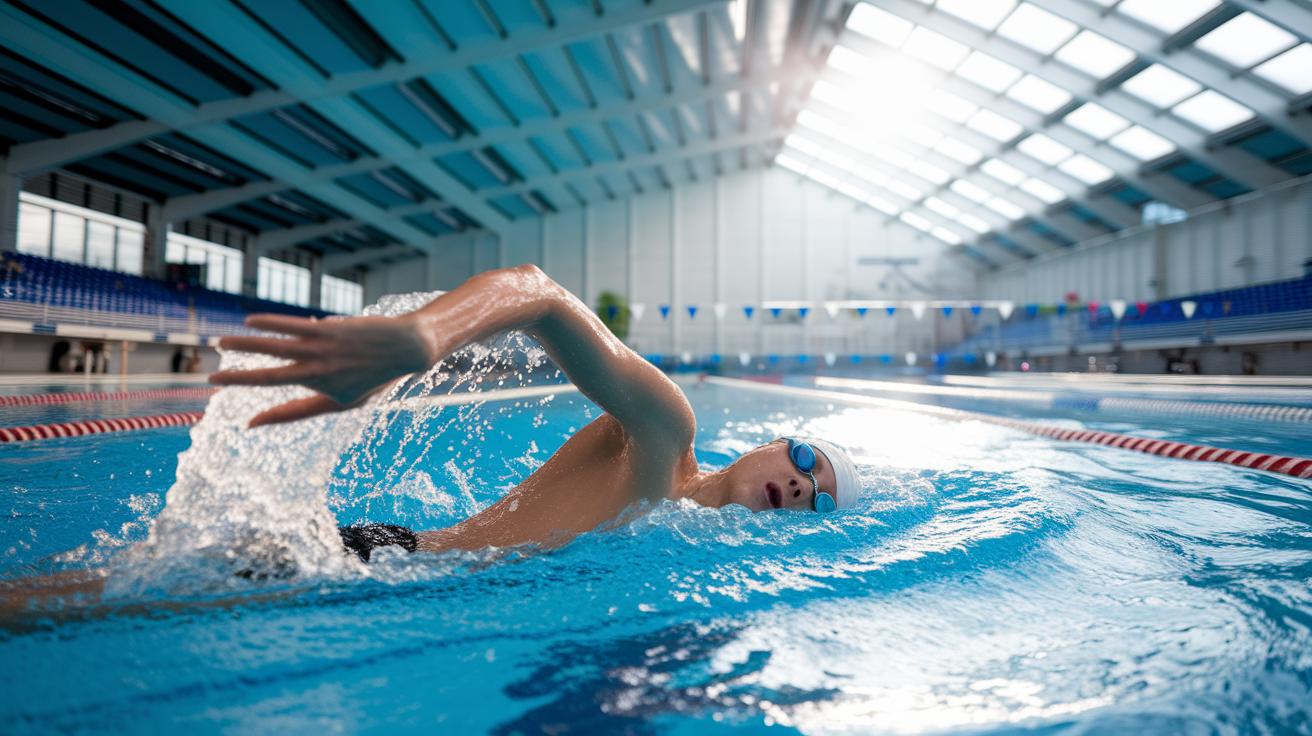
This 30-minute swim session is designed to gently ease you into lap training while helping you build endurance and confidence in the water. We start with a warm-up, then move into clear drills, add in a few sprint efforts, and wrap things up with a cool-down to finish strong.
Begin with a 200m easy warm-up where you can mix up your strokes. Next, do 4 sets of 50m drills, resting for 20 seconds between each, to focus on your form. Then, pick up the pace with 6 sets of 25m sprint efforts, giving yourself a 30-second break after each burst.
After the sprints, swim 4 sets of 50m freestyle at a moderate pace and take 15 seconds of rest between sets. For some leg work, use a kickboard and do 2 sets of 75m kicks, with 20 seconds of rest after each. Then, work on your upper body with 100m of swimming using a pull buoy, again resting for 20 seconds. Finally, cool down with 100m of your favorite stroke.
Keep track of your progress by noting the start and finish times of each set using a waterproof watch or the poolside clock. A simple log can help you see how your pace and stamina improve over time.
Remember, if you feel extra tired, add a few seconds of rest, or if the pace feels too slow, shorten the breaks a bit. These small adjustments can make a big difference in building your endurance and boosting your confidence in the pool.
Simple Freestyle Drill Routines to Improve Technique in Swim Workouts for Beginners
Instead of always pushing for speed, focus on refining your technique. When your movements become smooth and controlled, you reduce water drag (the natural resistance you feel in water) and make each stroke count.
Reducing Drag
Keep your body long and straight by aligning your head with your spine and keeping your hips close to the water’s surface. This helps you glide effortlessly, letting water flow past you with less resistance.
Propulsion Drills
Boost your forward push with drills that hone your arm pulls and flutter kicks. Using a kickboard or similar exercises can help you develop a strong, even stroke. Here are a few drills to try:
- Free kick with a kickboard: Do 4 sets of 25 meters, focusing on steady, powerful kicks.
- Catch-up drill: Swim 4 sets of 50 meters to keep a smooth, consistent stroke.
- Fingertip drag drill: Complete 4 sets of 50 meters to encourage a high elbow recovery.
- Sculling at mid-stroke: Practice 4 sets of 25 meters to get a better feel for the water.
Adding these drills to your regular swim workouts turns every session into a chance to fine-tune your streamlining and propulsion, building better technique and more confidence in your strokes.
Progression Milestones and Safety Tips for Ongoing Swim Workouts for Beginners
Kick off your swim journey by setting distance goals you can actually stick to. Imagine starting with 500 meters and then adding a little bit more every week. These small, steady increases help you boost your stamina without overdoing it.
Next, think about how long you swim rather than just the distance. If you begin with 15-minute sessions, try to extend them gradually as your endurance grows. By slowly adding a few extra minutes, your workouts remain fun and manageable and you get more out of each swim.
To keep your workouts safe and enjoyable, follow these five simple tips: Take rest breaks that let your body recover without losing your form. Ease into higher intensity levels over time. Use familiar swimming strokes to keep frustration at bay. Most importantly, listen to your body, if you feel too tired, take a break. And don’t forget to check your technique now and then, whether that's with a video review or a quick chat with a coach. With these smart adjustments and some patience, you’ll build strength and steadily improve your swimming skills.
Final Words
In the action, we broke down key elements like building skills, using essential gear, warming up properly, trying a sample 30-minute routine, practicing freestyle drills, and setting safe progression milestones. Each section shared clear tips to help you improve overall water endurance and confidence.
These swim workouts for beginners offer a balanced mix of fun and challenge. Mixing structured routines with smart gear choices can boost your daily vitality. Keep moving forward, and enjoy every splash along the way.
FAQ
What do beginner swimming training program PDFs offer?
The beginner swimming training program PDFs provide structured routines with interval sets, stroke drills, and endurance sessions. They help build technique and confidence over several weeks.
How do one-hour and 30-minute swim workouts benefit beginners?
The one-hour and 30-minute swim workouts for beginners blend warm-ups, drills, intervals, and cool-downs. They accommodate various fitness levels and build endurance gradually.
How can beginners perform swim workouts with no equipment?
The no equipment swim workouts for beginners emphasize body movements and pool exercises that boost strength and cardio while focusing on proper technique without reliance on extra gear.
Are swimming workouts effective for weight loss in beginners?
The swimming workouts designed for weight loss combine full-body cardio and strength-building drills. They provide a fun, low-impact way to burn calories and improve overall fitness.
What constitutes a good swim workout for beginners?
The best swim workouts for beginners mix drills, interval sets, and regular laps. They help improve stroke technique, muscle strength, and overall endurance in the pool.
How long should a beginner swim workout be?
The beginner swim workout duration typically ranges from 30 to 60 minutes, including warm-up and cool-down time, ensuring steady progress and enhanced cardiovascular endurance.

