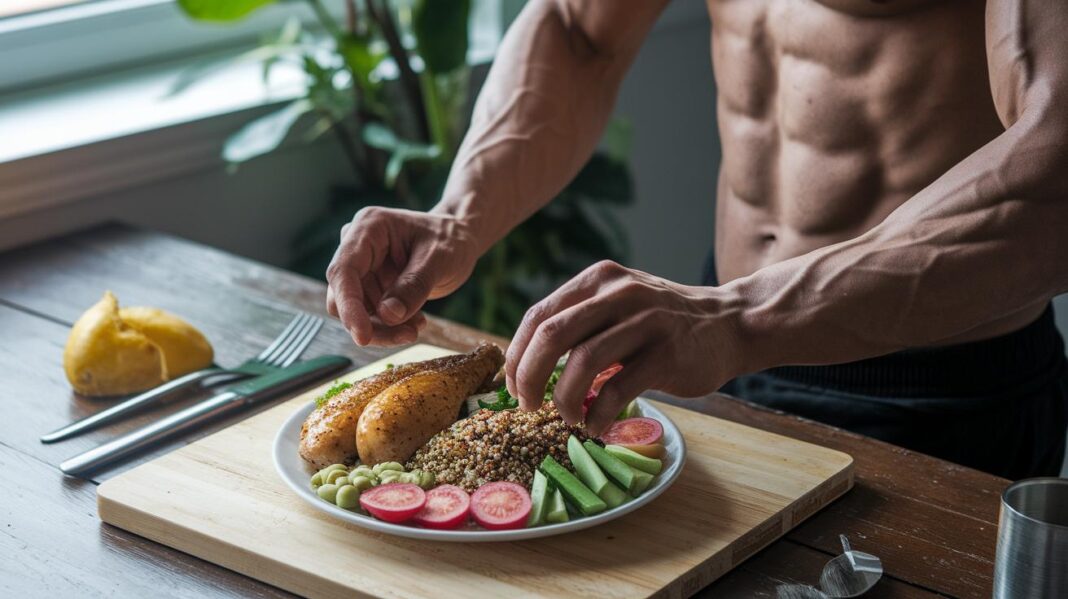
Have you ever thought your meal might be the secret to building stronger muscles? Building muscle isn’t just about lifting weights, it starts with eating well. When you enjoy a balanced meal, you give your body the extra fuel it needs to repair and grow. Imagine each meal as a building block: carbs that boost your energy, protein that helps fix your muscles, and fats that keep you fueled for longer. Today, we’ll show you how choosing smart calories and mixing your nutrients the right way can really power up your muscle growth.
Balanced Diet Foundations for Bodybuilding
When you’re working to build muscle, your diet is everything. The first step is to eat more calories than you burn so your body has the extra energy it needs to repair and grow muscles. How many extra calories you need can change based on your age, gender, weight, activity level, and even your genes. For instance, if you lift heavy weights every day, you might need a bigger calorie boost compared to someone with a lighter routine. Imagine adding an extra chicken breast or a bowl of whole grains to help meet your calorie needs.
Next, it’s important to balance your macronutrients. A popular goal for bodybuilders is having 40% carbohydrates, 30% protein, and 30% healthy fats. Carbs are like fuel for your workouts and help refill your energy stores. Proteins, such as those in chicken breast, white fish, or Greek yogurt, give you the building blocks for muscle repair. And healthy fats from sources like nuts or olive oil provide energy and help your cells grow, assisting you in building lean muscle.
Lastly, don’t forget about micronutrients like vitamins and minerals, they work behind the scenes to keep your body running smoothly. Including fruits and vegetables like bell peppers for vitamin C, sweet potatoes for vitamin A, or leafy greens for iron can boost your metabolism, strengthen your immune system, and speed up recovery. By focusing on nutrient-rich foods, you set yourself up to feel stronger, recover quickly, and make the most out of every training session.
Structuring Bodybuilder Meal Plan with Macro Balance
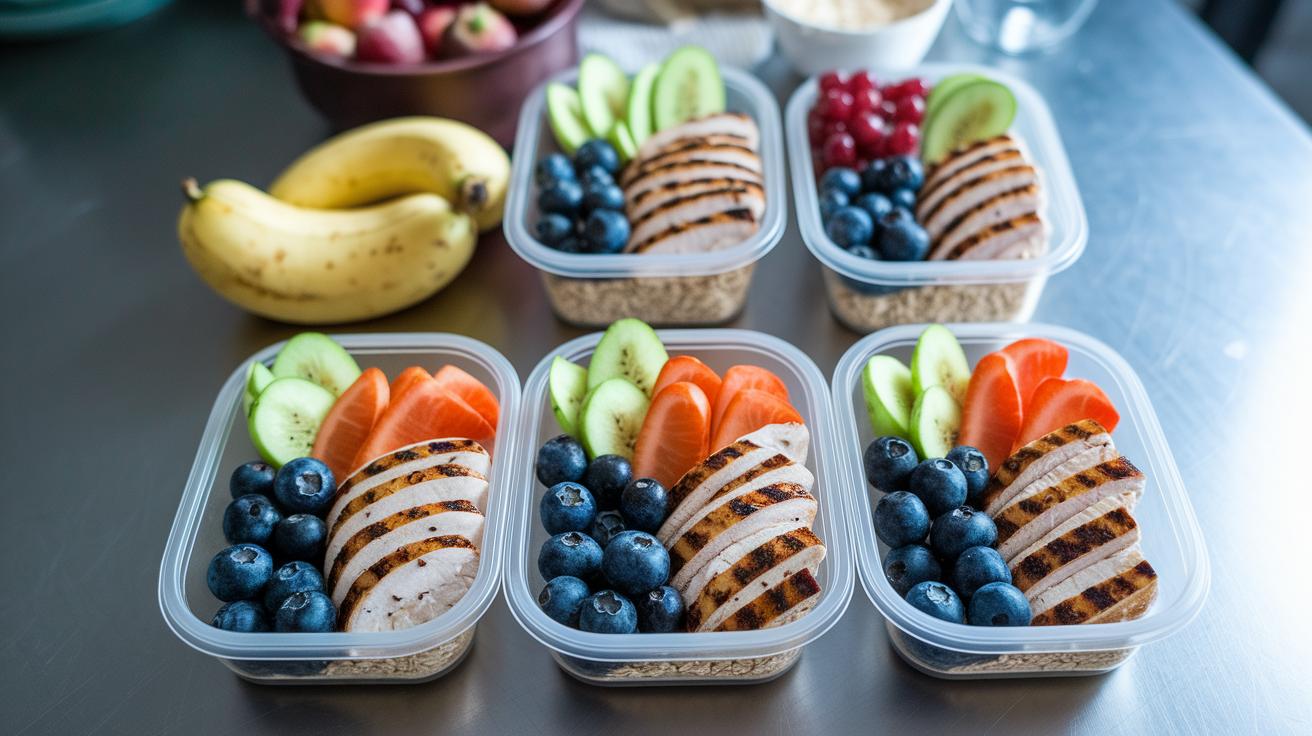
A great bodybuilder plan starts with a smart balance of macros. Using a 40/30/30 split, that’s 40% carbs, 30% protein, and 30% healthy fats, helps fuel your workouts and supports muscle repair. For example, a 3 oz serving of chicken breast gives you about 26 grams of protein, which is just right for fixing up your muscles. Splitting your daily calories into three main meals plus two or three snacks keeps your energy levels steady, and you can fine-tune your plan by adjusting your calories in small steps (100–200 calories) with tools like DEXA scans, which check your body’s makeup.
Meal prep for muscle gain isn’t as tricky as it sounds. With a bit of planning, you can put together a gym nutrition strategy that offers you steady energy throughout the day. This balanced plan fills your energy stores before your workout and helps your muscles recover afterwards. Regular meals keep you from experiencing energy dips, so you can consistently give your best. Try out different meal timings and portion sizes to find the perfect match for your body’s needs.
| Meal | Calories | Carbs (g) | Protein (g) | Fat (g) |
|---|---|---|---|---|
| Breakfast | 600 | 75 | 30 | 20 |
| Lunch | 700 | 90 | 40 | 25 |
| Pre-Workout Snack | 200 | 25 | 15 | 5 |
| Post-Workout Meal | 500 | 60 | 35 | 15 |
Over time, you can customize your plan by changing portion sizes and food choices while keeping your macro balance steady. This method helps you steadily build muscle while enjoying a sustainable and balanced eating routine.
Nutrient Timing for Muscle Growth and Recovery
Getting your pre-workout meal right is a simple way to boost your muscle gains. About 30 to 60 minutes before you exercise, try to eat 20 to 30 grams of protein and 40 to 50 grams of carbohydrates. For instance, a small serving of Greek yogurt paired with a piece of fruit gives you quick energy and supplies the amino acids, basic building blocks for muscle, that you need.
After your workout, focus on helping your muscles repair fast. Aim for 25 to 30 grams of protein that your body absorbs quickly, like whey protein, along with 50 to 60 grams of carbs. A protein shake mixed with a bowl of oats or some fruit helps refill your energy stores and aids muscle recovery.
You can also tweak your nutrition plan on tougher days. On days when you train hard, a little extra carbohydrate can add fuel to your workout. On rest days, a lower-carb approach can help keep things balanced. And before bed, having some casein protein, a slow-release protein that provides amino acids throughout the night, can continuously support your muscles while you sleep.
Incorporating Healthy Fats and Anti-Inflammatory Foods in a Bodybuilding Diet

Adding the right fats to your meals can really help your muscles work better and keep your hormones in balance. Unsaturated fats from olive oil, nuts, and seeds give you energy and keep your cells happy and healthy. Fatty fish, packed with omega-3 (which helps cool down inflammation), is another great choice, especially when you’re pushing hard in the gym. Imagine drizzling a bit of olive oil over your salad, not just for taste but also to give your body a little hormone boost. This smart choice helps your body burn energy more steadily during workouts.
Don’t forget about foods that pack a vitamin punch and fight inflammation. Friends like berries and leafy greens work hard to ease inflammation, while a sprinkle of turmeric adds a hint of spice and natural healing. Sweet potatoes, bell peppers, and spinach bring vitamins A and C, iron, and magnesium to the table, all of which help repair your muscles and keep your energy levels up. Adding metabolism wakers like chili peppers or enjoying a warm cup of green tea can light a spark in your day, setting you up with a mix of nutrients that support muscle growth. This balanced approach not only powers your workouts but also helps you bounce back for your next session.
Balanced Diet for Bodybuilding: Empower Muscle Growth
Eating right can really boost your muscle growth. Imagine following a plan that gives you 2,500 calories a day with about 218 grams of carbs, 218 grams of protein, and 83 grams of fat. These amounts help power your workouts and repair your muscles after you train.
Here’s a quick guide to what you might shop for and a sample meal plan:
- Grocery list:
- Protein powders
- Egg whites and whole eggs
- Chicken breast
- White fish
- Greek yogurt
For breakfast, enjoy a bowl of oatmeal with blueberries and nuts. Mid-morning, snack on a handful of trail mix. For lunch, try a black-bean burger on a whole-grain bun with avocado and veggies. Later, a Greek yogurt parfait makes for a refreshing snack. And for dinner, savor chicken enchiladas paired with pinto beans.
This plan is super flexible. If you need more fuel for bigger muscle gains or want a leaner feel, you can tweak portion sizes by adding or subtracting 100-200 calories per meal. Try switching up ingredients while keeping the overall balance of calories and macros the same. Small changes in carbs or protein can really help fine-tune your energy and recovery. Remember, even little adjustments can make your plan work perfectly for your unique workout and body goals.
Dietary Supplements Guide for Enhanced Bodybuilding Nutrition

Protein powders like whey and casein are great when you're looking to build muscle. Whey gives you a quick burst of protein right after your workout, while casein slowly feeds your muscles over time so they repair overnight. Together, they help boost muscle growth and speed up recovery.
Creatine monohydrate is a well-known supplement if you're aiming to get stronger and lift heavier. It fuels your muscles with the energy needed during tough exercises. In simple terms, creatine can improve your muscle power and endurance. Adding it to your routine might just help you take your training to the next level.
Amino-acid blends, including EAAs and BCAAs, supply a full range of nutrients that your muscles need to repair themselves. They help build protein and reduce muscle fatigue after a workout. This means you can recover faster and keep your muscles lean. It's a smart idea to include these in your training plan.
Micronutrient cofactors like beta-alanine, vitamin D, and magnesium also play a big role in your workout routine. Beta-alanine helps you keep going longer before feeling worn out, while vitamin D and magnesium support overall muscle function. These nutrients work together to help your body recover efficiently after exercise, so consider them to get the most out of your workouts.
Monitoring Bodybuilding Progress: Calorie Counting and Tracking for Sustainable Muscle Gains
Keeping track of what you eat is key to building strength. Simple apps that log your meals and snacks let you compare the calories you take in with what you burn. Making small changes to your diet, like adding or removing 100 to 200 calories based on your results, can give your muscle growth a helpful boost. And don’t forget about protein! Aim for 1.6 to 2.2 grams of protein per kilogram of your body weight to keep your muscles ready for repair and growth after your workouts.
Water is just as important, too. Try to drink about 3 liters of water each day to help transport nutrients to your muscles and keep your body performing well. Staying well-hydrated supports your workouts, aids in digestion, and can even help reduce fatigue, keeping you on track with your nutrition goals.
It’s also great to check in on your body's progress regularly. Whether you prefer scans, skinfold tests, or even a quick weekly weigh-in, these methods give you clear feedback. With that insight, you can adjust your calorie intake and balance your meals to ensure a steady path for sustainable muscle gains.
Common Balanced Diet Myths in Bodybuilding

• Myth: "All fats are bad." The truth is, good fats, like those in olive oil, nuts, or seeds, are essential for keeping your hormones in balance, giving you energy, and supporting cell growth.
• Myth: "More protein equals more muscle." In reality, eating extra protein beyond what your body needs can give you more energy than you can use, and that extra energy might just turn into fat.
• Myth: "Carbs make you fat." Actually, healthy carbohydrates power your workouts, keep your energy steady, and help you recover after training.
• Myth: "Sticking to a strict diet plan is the only way." The real deal is flexible dieting. With approaches like IIFYM, you can mix up your macros to meet your nutritional goals without feeling trapped.
• Myth: "One diet works for both bulking and cutting." Each phase, whether you’re building muscle or losing fat, needs its own tweaks in calories and macros for the best results.
Remember, a safe and flexible diet means you can adjust your eating habits as your goals and body change, paving the way for steady, healthy progress in building muscle or cutting fat.
Final Words
in the action, the blog breaks down the building blocks of a smart meal plan for strong muscles. It shows how a calorie surplus combined with the right 40/30/30 split fuels workouts and recovery.
Each section offers practical tips, from choosing the right proteins to timing meals for optimal muscle repair. The approach makes it easy to adjust portions and track progress.
Keep experimenting and refining your plan with a balanced diet for bodybuilding, small changes today can brighten your health tomorrow.
FAQ
What is a balanced diet for building muscle and what should a 190-pound bodybuilder eat?
The balanced diet for a bodybuilder means eating a calorie surplus with balanced macros—about 40% carbs, 30% protein, and 30% healthy fats—to fuel workouts and support muscle repair.
What should be included in a 7-day meal plan for muscle gain?
The 7-day meal plan for muscle gain features three main meals with two to three snacks daily, each built around lean proteins, whole grains, fruits, and vegetables to meet macro needs.
What does the 40-40-20 meal plan for bodybuilding mean?
The 40-40-20 meal plan for bodybuilding means dividing calories into 40% carbs, 40% protein, and 20% fat. This split is intended to boost muscle repair, workout energy, and overall hormone balance.
What are the top 10 bodybuilding foods?
The top 10 bodybuilding foods include lean proteins such as chicken, white fish, and Greek yogurt, whole grains, healthy fats from nuts and olive oil, and nutrient-rich fruits and vegetables.
Where can I find a bodybuilding diet plan PDF?
The bodybuilding diet plan PDF offers a downloadable guide with sample meals, macro targets, and shopping lists, making it easier to plan balanced, muscle-building meals.

