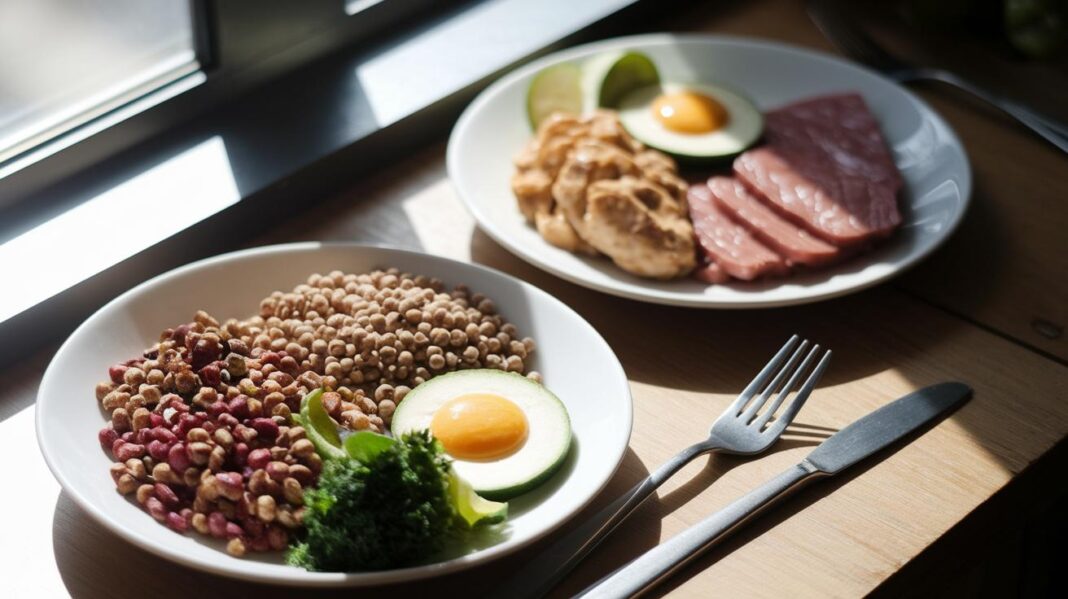
Ever wondered if eating a bit extra could boost your health? Building weight isn’t just about piling on extra calories. It’s about giving your body a smart mix of protein, carbs, and fats so it runs at its best. Your body works like a machine that needs the right fuel to perform well.
In this article, we’ll show you how a balanced diet can help you gain weight, build muscle, and feel better overall. Ready to find out how a few changes in your meals can make a big difference?
Macronutrient Foundations in a Balanced Diet for Weight Gain
Gaining weight is all about giving your body more fuel than it uses. Think of your body like a well-tuned engine that needs extra gas to run smoother. Start by figuring out your resting metabolic rate with a simple rule of thumb: multiply your weight by 12. Then, factor in your activity level and add a little extra, about 5–10% more calories. For example, if you weigh 150 pounds, you could start with around 1,800 calories and then bump it up a bit. This extra energy is the cornerstone of a healthy bulking plan that builds muscle and supports your overall wellness.
Each macronutrient has a special job when it comes to building mass. Protein is like the building block for muscle repair and growth, it helps fix up your muscles after a workout. Carbohydrates give you the energy you need every day, and fats help keep your hormones balanced and your brain working right. Imagine putting together a balanced meal is like mixing ingredients in a recipe: you need the right amounts of everything to make everything come together perfectly.
Here’s a simple breakdown of the ideal mix:
| Macronutrient | Percentage |
|---|---|
| Protein | 20–30% |
| Carbohydrates | 50–60% |
| Fats | 20–30% |
When planning your meals, think of each dish as a mini blueprint for a balanced diet. For example, a delicious chicken wrap with whole grain bread, a serving of sweet potatoes, and a sprinkle of olive oil naturally meets these targets. By following these tips, you can easily align your diet with your weight gain goals while keeping your meals nutritious and enjoyable.
Calorie-Dense Food Choices for Balanced Weight Gain Nutrition
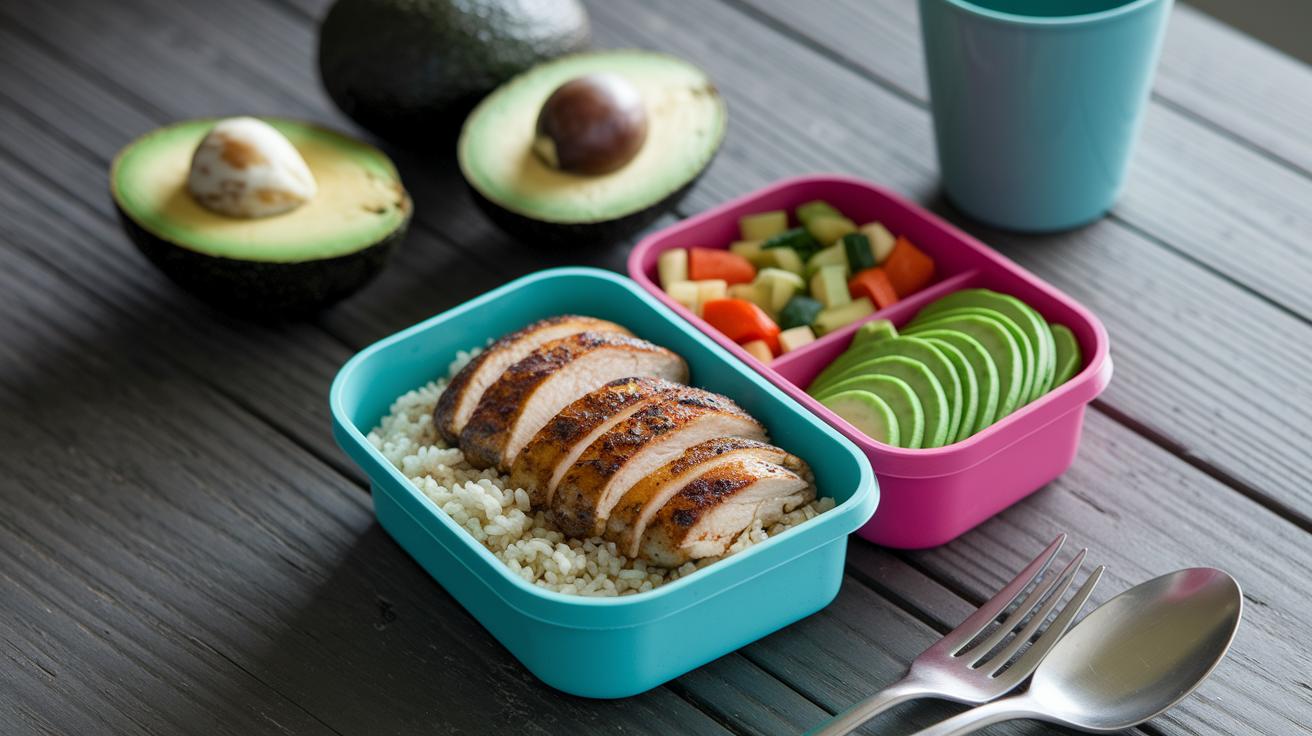
Eating foods full of good nutrients is key when you want to gain weight in a healthy way. Using whole, natural ingredients helps you create a meal plan that not only fills you up but also gives you the vitamins and minerals you need. This means that every bite you take is packed with quality calories that keep your energy up and help build muscle. In simple words, smart, calorie-rich meals make sure your body gets both fuel and the important nutrients it deserves.
Think about including foods like white rice, which gives you about 204 calories and 44 grams of carbohydrates in one cup. Whole eggs are another great option, they give you 74 calories each along with protein and healthy fats that your body uses for muscle repair. Red meats and oily fish are also excellent choices because they provide protein and omega-3 fats (fats that are good for your heart and brain). Adding nuts, nut butter, dried fruits, avocados, cheese, and Greek yogurt gives you a range of different nutrients that support overall health.
You might also enjoy a piece of dark chocolate or a cereal bar every now and then; these options balance protein and carbohydrates in a tasty and convenient way. But be careful with ultra-processed foods. They can have too much sodium, unhealthy fats, and added sugars while they miss the important micronutrients your body really needs.
Meal Timing and Frequency Tips in a Balanced Diet for Weight Gain
Eating three main meals and two snacks each day helps spread your energy evenly, so you stay fueled and ready. This way, every meal adds to your overall intake, ensuring you keep an energy surplus to support weight gain. Whether you're planning a nutrient-packed bulking diet or simply adding more calorie-dense foods, sticking to regular meal times helps smooth out your metabolism.
A handy tip is to plan ahead. Over the weekend, try cooking five hard-boiled eggs for a quick protein boost on busy days. And if you ever feel like switching things up, don’t worry, a serving of cheese with fruit can work just as well as a protein shake, all while keeping your calorie count on track.
By keeping a consistent meal schedule, you can easily tweak your portions depending on your daily activities, making sure you hit your calorie and macro goals. If you ever feel stuck, consider chatting with a registered dietitian who can help tailor the plan to fit your lifestyle and nutrition needs perfectly.
Sample 7-Day Balanced Diet Meal Plan for Weight Gain
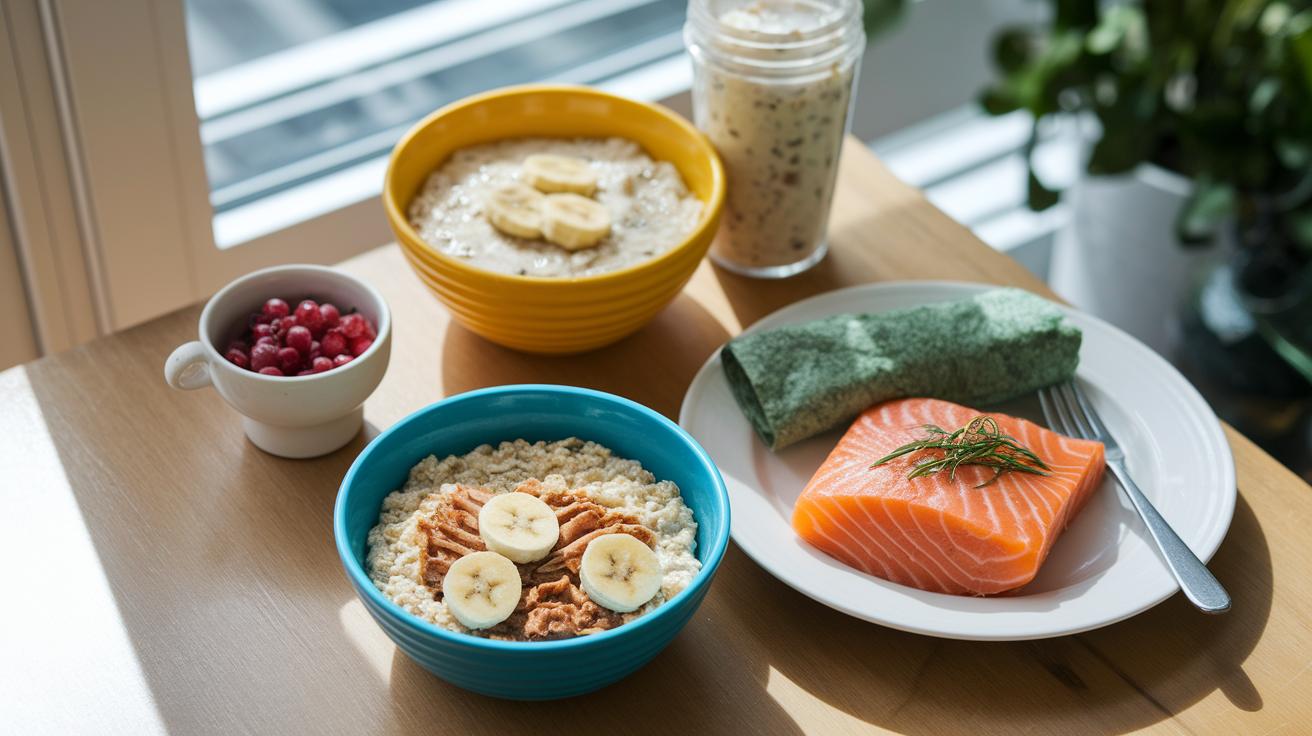
This one-week meal plan is designed to help you gain weight by keeping your daily intake around 2,500 calories. It offers three main meals and two snacks every day. You can easily tweak the portions if you need a plan with 2,000 or 3,000 calories. Think of this as a friendly guide to help you boost your energy intake while enjoying flavorful and balanced meals.
Day 1
- Breakfast: Oatmeal mixed with banana slices and a dollop of peanut butter
- Morning Snack: A bowl of yogurt parfait
- Lunch: A chicken wrap filled with slices of avocado
- Afternoon Snack: A small serving of trail mix
- Dinner: Beef stir-fry served over a bed of rice
Day 2
- Breakfast: Scrambled eggs with a handful of spinach
- Morning Snack: Crisp apple slices
- Lunch: A light tuna sandwich
- Afternoon Snack: Toast spread with peanut butter
- Dinner: A plate of salmon paired with fresh veggies
Day 3
- Breakfast: A smoothie bowl made with Greek yogurt, banana, berries, and granola
- Morning Snack: A couple of cheese sticks
- Lunch: A colorful pasta salad
- Afternoon Snack: A fruit & nut bar
- Dinner: Grilled pork served with roasted potatoes
Day 4
- Breakfast: Whole-grain pancakes topped with blueberries
- Morning Snack: Hard-boiled eggs for a protein kick
- Lunch: A refreshing quinoa salad
- Afternoon Snack: A protein shake
- Dinner: Roasted chicken accompanied by root vegetables
Day 5
- Breakfast: A toasted bagel spread with cream cheese
- Morning Snack: A serving of cottage cheese
- Lunch: A hearty mix of rice and beans
- Afternoon Snack: Homemade energy balls
- Dinner: A tender steak with a side of sweet potatoes
Day 6
- Breakfast: Avocado toast topped with perfectly poached eggs
- Morning Snack: A handful of mixed nuts
- Lunch: A turkey sandwich made with whole-grain bread
- Afternoon Snack: A creamy yogurt smoothie
- Dinner: Baked salmon served with steamed broccoli
Day 7
- Breakfast: A protein smoothie blended with milk, protein powder, apple, spinach, and peanut butter
- Morning Snack: A crunchy granola bar
- Lunch: A bowl of veggie pasta
- Afternoon Snack: Hummus paired with pita bread
- Dinner: Juicy pork chops served with rice
Remember, you can always adjust the portion sizes or swap out meals to better suit your calorie needs. For more ideas, check out our internal meal planner to further customize your balanced diet for healthy weight gain.
Macro-Balanced Recipes and Snack Ideas for Healthy Mass Building
If you’re trying to gain weight in a healthy way, meeting your calorie and macronutrient goals is key. We’ve gathered meal planning tips that mix protein, carbs, and fats so every bite helps build muscle. For example, imagine a vegan breakfast burrito from the freezer that packs 15 grams of protein, 45 grams of carbohydrates, and 10 grams of fat in just one serving. These high-energy recipes support muscle repair and keep your energy up, all without skimping on flavor.
| Recipe Name | Calories per Serving | Macronutrient Breakdown |
|---|---|---|
| Vegan Freezer Breakfast Burritos | ~350 cal | 15 g Protein, 45 g Carbs, 10 g Fat |
| Raspberry-Peach-Mango Smoothie Bowl | ~300 cal | 20 g Protein, 50 g Carbs, 10 g Fat |
| Maple-Nut Granola | ~250 cal | 5 g Protein, 35 g Carbs, 12 g Fat |
| Vegetable & Tuna Pasta Salad | ~450 cal | 30 g Protein, 50 g Carbs, 15 g Fat |
| Roasted Butternut Squash & Cauliflower Gnocchi | ~500 cal | 10 g Protein, 60 g Carbs, 20 g Fat |
Feel free to adjust the portion sizes to match your own calorie needs. Slight tweaks in each recipe can help you hit your daily energy targets while leaving room for your own creative, healthy twists.
Tracking Progress and Adjusting Your Balanced Diet for Weight Gain

It’s important to keep an eye on your progress every day. Write down your calorie count, your weight, and any changes you make to your meals. If you notice that the gains aren’t coming as fast as you’d like, try increasing your food intake by 5–10% with a bit of extra healthy fat or carbs. You can track these trends with a simple journal or a handy app. Also, pay attention to your sodium levels because some dinners might sneak in over 2,500 mg. And remember, you don’t need to overdo it on supplements if you’re already meeting your macro goals by eating whole foods.
Getting advice from a professional can really help, too. A quick chat with a registered dietitian or your physician can give you extra confidence that your macros and meal plan are on point. Plus, mixing in some strength training can boost muscle gains even more, even a brief workout session can perfectly complement your meals. For more on using strength training to support weight gain, visit https://healthlystats.com?p=150. Small tweaks and a little expert guidance can keep your balanced diet on track while helping you reach your healthy weight gain goals.
Final Words
In the action, this article broke down essential macronutrient ratios, calorie-dense food choices, and practical meal timing tips. We also explored a sample 7-day menu and simple recipes to hit your calorie targets every day. Keeping track of your daily meals and making slight adjustments can build confidence and steady progress. The approach helps merge smart planning with real, everyday eating. Embrace a balanced diet for weight gain.
FAQ
What are balanced diet recipes for weight gain?
The balanced diet for weight gain recipes combine nutrient-dense foods with lean proteins, whole grains, and healthy fats to provide a calorie surplus and balanced macronutrients for healthy mass increase.
How can I gain weight quickly, such as in 7 days or one week?
Gaining weight quickly over 7 days involves following a structured meal plan that spreads a calorie surplus over three meals with snacks, ensuring sufficient energy intake and balanced macros at home.
How can females gain weight using a balanced diet?
A balanced diet for weight gain for females focuses on nutrient-dense, calorie-rich foods with a mix of proteins, carbs, and fats, tailored to support healthy mass gain while respecting individual energy needs.
What is a good diet plan for gaining weight, especially for skinny individuals?
A good diet plan for weight gain offers a steady calorie surplus with balanced amounts of protein, carbs, and fats, providing whole, nutrient-rich foods that help a naturally lean person build healthy mass.
How can I gain 10 pounds in a month?
Gaining 10 pounds in a month requires gradually increasing calorie intake by about 5–10% above your daily needs, coupled with balanced meals and, optionally, strength exercise to support muscle growth.
What are some good meals for gaining weight?
Good meals for weight gain include options like protein-rich wraps, oatmeal with peanut butter, balanced stir-fries, and smoothies, all designed to combine lean proteins, carbs, and healthy fats to boost calorie intake.

