
Have you ever noticed how important each breath is? Without it, nothing works quite right. Millions of people face asthma every day, which can make breathing feel like a struggle. When your airways get swollen, even simple tasks become tough.
Imagine if a few changes at home could help you breathe easier. Using air filters, keeping indoor humidity in check, and making small lifestyle upgrades might just be the key. Picture your home as a cozy space where every breath feels light and refreshing.
Let’s chat about these down-to-earth ideas that can help prevent asthma flare-ups. With these simple steps, you can find yourself enjoying life with clearer, more confident breaths. Have you ever thought that little changes might unlock a whole new way of living?
Prevention of asthma disease: Better Breathing Now
Asthma is a lung issue that makes it hard to breathe because your airways get all swollen. In about 60% of cases, people have allergic asthma, which means common allergens trigger their symptoms. Managing things like dust, mold, pet dander, harsh chemicals, and even cold air is key since no one cause has been pinned down. Quick-relief inhalers can help you catch your breath during an attack, while daily inhaled steroids work over time to reduce your symptoms.
Doctors say mixing the right treatments with simple changes at home can really help keep asthma under control. For example, using HEPA filters and keeping indoor humidity between 30% and 50% can lower your exposure to allergens. Regular cleaning goes hand in hand with this approach. Plus, staying at a healthy weight, doing aerobic exercise, and reducing stress can all improve lung health.
- Allergen avoidance (dust, mold, pet dander)
- Indoor air quality control (using HEPA filters, keeping humidity at 30–50%)
- Outdoor pollution limitation (checking air quality and avoiding high-smog days)
- Using medications correctly (quick-relief inhalers when needed and daily steroids)
- Leading a healthy lifestyle (managing weight and doing aerobic exercise)
- Managing stress (through guided breathing or relaxation techniques)
- Cutting out smoking and avoiding secondhand smoke
Putting these steps together creates a smart plan to prevent symptoms and soothe flare-ups. By tackling your environment, sticking to your meds, and embracing a healthier way of life, you can breathe easier and enjoy a more active, vibrant life.
Asthma Environmental Trigger Reduction
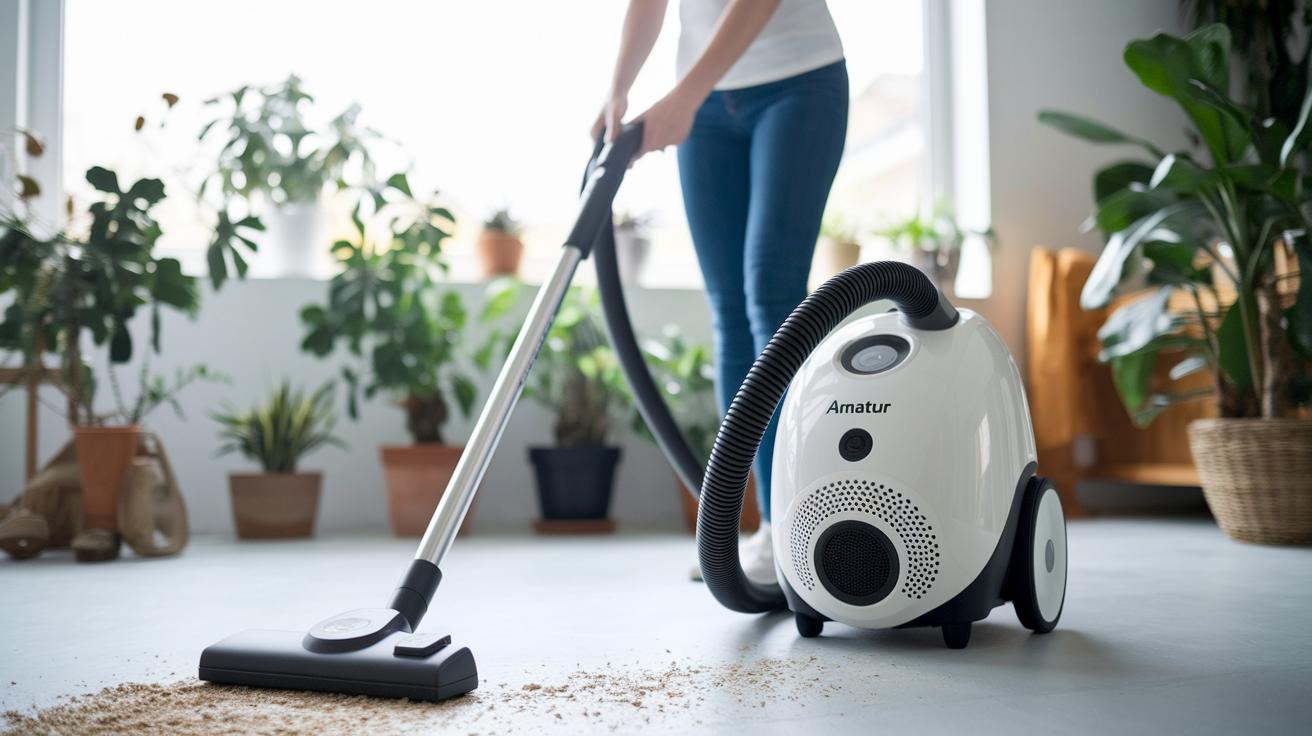
Indoor air quality really matters when it comes to reducing asthma flare-ups. Keeping indoor allergens like dust mites, pet dander, and mold in check can make a big difference. Try using HEPA filters and keep the humidity between 30% and 50% to help stop mold from growing. Regular cleaning with a HEPA-filtered vacuum and choosing cleaning supplies without strong fragrances also cuts down on chemical irritants. Fixing leaks and improving airflow in your home can prevent moisture issues before mold starts to form. For instance, when Jane noticed a damp corner in her home, she fixed a slow leak and boosted ventilation to lower her mold risk.
- Install and maintain HEPA air filters
- Use a dehumidifier or humidifier to keep humidity between 30% and 50%
- Clean or vacuum frequently with HEPA-filtered devices
- Choose fragrance-free cleaning supplies
- Prevent mold by fixing leaks and improving ventilation
Outdoor air quality is important too. Check the air quality index regularly and try to limit outdoor activities when pollution or pollen levels are high, since that can worsen breathing issues.
Lifestyle and Exercise for Asthma Prevention
Getting regular aerobic exercise like brisk walking, cycling, or dancing is a smart way to boost your lung strength and improve blood flow. It also helps keep your weight in check, which lightens the load on your breathing. Think of a brisk walk that clears your mind while giving your lungs a helpful lift.
If you sometimes find your breathing gets tight during exercise, it helps to start slow. Begin with a gentle warm-up so your airways can adjust gradually. For instance, take a relaxed 5-minute walk before you pick up the pace. And don’t forget – if your doctor recommends using a pre-exercise inhaler, it’s a good idea to use it.
Stress can make your airways feel even tighter, so adding relaxation techniques to your daily routine is key. Try some guided breathing exercises or take a moment for mindfulness. Picture this: close your eyes, breathe in slowly, and feel the tension slip away with each exhale.
Also, quitting smoking and avoiding places with secondhand smoke can really help your lungs. This simple change lowers inflammation and keeps your airways healthier, reducing the chance of asthma symptoms.
Medication Strategies and Asthma Action Plans

Role of Quick-Relief vs. Long-Term Control Medications
Quick-relief inhalers, like short-acting beta-agonists, work fast when you feel a sudden tightness in your chest. They ease symptoms on the spot so you can breathe more easily. On the other hand, long-term control medications such as inhaled corticosteroids work slowly over time by reducing swelling in your airways. Using these every day can help keep flare-ups at bay. It’s important to follow your prescription schedule and check that your inhalers haven’t expired, since their strength can drop as they age.
Inhaler Technique and Adherence Best Practices
Using your inhaler correctly makes sure the medicine gets to your lungs where it’s needed. A lot of people miss a step by not coordinating well or not breathing slowly enough. Here’s an easy method to follow:
| Step | Action |
|---|---|
| 1 | Shake the inhaler well |
| 2 | Exhale fully and press the inhaler as you take a slow, deep breath |
| 3 | Hold your breath for a few seconds before exhaling |
Reviewing your technique regularly and getting tips from your healthcare provider can really help in using your inhaler correctly every day.
Emergency Action Plans for Asthma Attacks
Having a personal asthma action plan is like having a roadmap for when you’re not feeling well. This plan tells you when to use your rescue inhaler and what peak flow numbers to look for. It also lists warning signs, like worsening shortness of breath that doesn’t improve with quick relief. Working closely with your doctor to update your plan can make managing asthma feel both safe and proactive.
Monitoring Techniques for Asthma Prevention
Keeping a close eye on your lung health is really important. By checking your lung function regularly, you can spot small changes early, almost like noticing a little leak before it becomes a flood. This simple habit lets you tweak your lifestyle or treatment plan before things get worse.
One easy way to do this is by using a daily peak flow measurement. Think of it as a quick test that shows how fast you can breathe out. Along with writing down any symptoms in a diary, these daily notes help build a clear picture of your respiratory health over time.
Another helpful step is to schedule regular spirometry tests and check-ups with your healthcare provider. Spirometry gives a detailed look at how much air your lungs can hold. These periodic tests reassure you that your management plan is on track and allow quick changes if needed.
Digital tools have made monitoring even simpler. Mobile apps and electronic peak flow meters let you track your progress from anywhere. Plus, using telemedicine for remote check-ups means you can send your results to your doctor and get advice fast, all from the comfort of your own home.
Dietary and Natural Support in Asthma Prevention

A balanced diet is key to keeping your lungs strong and your breathing smooth. Eating foods packed with nutrients not only helps repair your lung tissue but also calms inflammation. Antioxidant-rich fruits and vegetables work simply to lessen the harm from everyday environmental irritants. Adding foods high in vitamin D and omega-3 fatty acids, like fortified milk and fatty fish, can help soothe airway irritation. Picture sitting down to a bright, fresh salad that not only tastes good but also cares for your lungs.
Key Nutrients and Foods
Try to include vitamin D, omega-3, and antioxidants in your meals. Foods like leafy greens, berries, fatty fish, and nuts can support lung repair and ease inflammation naturally. For example, a bowl of mixed greens with a few walnuts can offer a gentle boost to help you breathe easier.
Complementary Natural Remedies
You might also want to add natural remedies to your routine. Using essential oils during a warm shower or through steam inhalation can relax tight airways, and some herbal supplements might provide mild anti-inflammatory benefits. For instance, a drop of eucalyptus oil in a steam treatment can bring a refreshing, soothing feeling that helps you catch your breath.
Emerging Research and Future Directions in Asthma Prevention
New treatments are showing promise for easing severe asthma symptoms. Medicines like anti-IgE and anti-IL-5 work by calming the immune system, which helps reduce swelling in the airways. Bronchial thermoplasty uses a gentle heat treatment to shrink tough airway muscles, so breathing becomes easier. In one trial, patients who had thermoplasty reported big improvements in their daily breathing challenges.
Research into preventive immunotherapy is also moving forward. This method slowly trains the immune system by giving very small, controlled amounts of allergens. Think of it like teaching your lungs to handle pollen bit by bit, so they react less over time.
Smart air purifiers are stepping up their game too. These new devices mix HEPA filters, UV light, and sensors to watch over indoor air quality. They keep track of pollutants, allergens, and chemical irritants in real time, helping you feel safer at home.
Telemedicine is now a key part of managing asthma from a distance. Mobile apps and online platforms keep patients informed and make it easier for doctors to follow up on symptoms and how well treatments are working. This means your care can be updated quickly, so you stay on the path to easier breathing.
Final Words
In the action, we covered key ways to keep asthma at bay. We looked at controlling indoor air quality, adjusting daily habits, proper medication use, and monitoring lung function. Each tip adds to effective prevention of asthma disease. Small, practical changes can mean a big boost in your overall health. Keep things simple and steady, knowing every step counts toward keeping your lungs healthier day by day.
FAQ
How to prevent asthma attacks?
The ways to prevent asthma attacks include avoiding triggers like dust and smoke, sticking to prescribed medications, and keeping indoor air clean. These steps help lower the chance of an attack.
What is the treatment and prevention of asthma?
The treatment and prevention of asthma combine using quick-relief inhalers for sudden symptoms with daily long-term control medications and lifestyle strategies to reduce exposure to common triggers.
What are the causes of asthma, and what factors trigger it?
The causes of asthma involve a mix of allergens such as dust mites, pet dander, and mold, plus irritants like smoke, chemical fumes, and respiratory infections that lead to lung inflammation.
What is the first aid for asthma?
The first aid for asthma starts with helping the person use a quick-relief inhaler, remaining calm, and getting emergency help if breathing difficulties persist. Quick, proper action is crucial.
What is an asthma prevention diet?
The asthma prevention diet focuses on antioxidant-rich fruits and vegetables, omega fatty acids, and vitamin D sources to help lower airway inflammation and support overall lung health.
Where can I find a PDF on asthma prevention?
A PDF on asthma prevention typically offers guidelines on managing triggers and medications. Look on reputable health websites to access clear, trusted prevention strategies in a downloadable format.
What are the complications of asthma?
The complications of asthma can include reduced lung function, frequent respiratory infections, and an increased risk of severe attacks, making thorough management and preventive care essential.

