Think you need endless gym hours for a great workout? Think again. If you're just starting out, a quick HIIT session, short for high-intensity interval training, which means bursts of hard work followed by short rest periods, might be the perfect way to jump-start your fitness journey. In just 15 minutes, you can boost your endurance and burn calories without needing any fancy equipment. This easy routine uses short bursts of energy with rest breaks so you can push yourself without feeling overwhelmed. Ready to discover how a few simple moves can rev up your workout routine? Let's warm up and get started.
Complete Beginners HIIT Workout Routine
HIIT is a quick workout that mixes short bursts of hard exercise with brief rests. It’s perfect for beginners because it fires up your metabolism and burns calories faster than longer, steady workouts. In a HIIT session, you push yourself hard for 30 seconds, then take a 30-second break. This pattern challenges your heart and muscles while sparking fat burning and boosting endurance. Research shows that even a 15-minute HIIT session can improve your VO2 max (which measures how efficiently your body uses oxygen) and keep your calorie burn elevated for up to 48 hours.
- Warm-up: March in place or jog lightly for 1 minute.
- Do jumping jacks for 30 seconds, then rest for 30 seconds.
- Perform bodyweight squats for 30 seconds, then rest for 30 seconds.
- Run high knees for 30 seconds, then rest for 30 seconds.
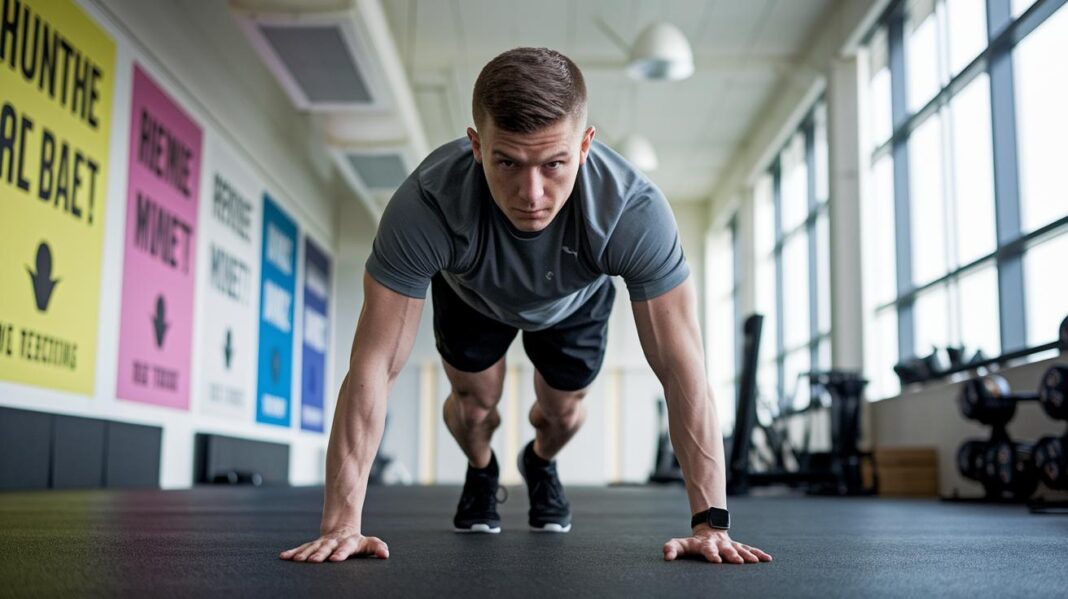
- Try push-ups (or wall push-ups if you need an easier option) for 30 seconds, then rest for 30 seconds.
- Hold a plank for 30 seconds, then rest for 30 seconds.
This 15-minute circuit is designed to boost fat burning and support heart health without any fancy equipment. The push-and-rest pattern helps you burn more energy during your workout and keeps your metabolism humming afterward. By switching between different muscle groups, you get a full-body challenge that’s both efficient and effective. It’s a great at-home plan that fits neatly into a busy schedule for anyone looking to jumpstart their fitness journey.
Essential HIIT Prep and Warm-Up for Newcomers

Warming up before a HIIT session is super important. It helps get your body ready, lowers the risk of injury, and even boosts your performance. Starting out with gentle, low-impact moves like brisk walking or light jogging fires up the blood flow to your muscles and joints. This way, both your body and mind are set for the tougher parts of your workout. Imagine spending 5 to 10 minutes that not only warms you up physically but also gears you up mentally. Fun fact: just a few minutes of warming up can really up your joint mobility, making your moves smoother and safer.
Start with about 3 minutes of marching in place or a brisk walk. After that, do 10 leg swings on each side, 10 arm circles going forward and backward, and 10 hip rotations in each direction. This simple routine boosts your natural range of motion and eases you into high-intensity intervals. Over time, gradually ramping up these drills will help you progress even more.
Low-Impact and Modified HIIT Moves for Starters
Starting with low-impact interval training is a smart way to boost your fitness without stressing your joints. These gentle, no-jump routines keep your knees and hips safe while still burning calories. By using moves that are modified for beginners, you build strength gradually and prepare your body for tougher exercises later on.
Marching in place is a simple exercise that works your thighs and hips. Lift your knees high and swing your arms for 30 seconds, then take a 10-second break. Keep a steady pace so you feel energized but not overwhelmed. Imagine stepping in time to your favorite tune, it makes the workout fun!
Wall push-ups are a friendly alternative to regular push-ups. Stand about one arm's length from a wall with your hands at chest level. Lean towards the wall for 30 seconds, and then rest for 10 seconds. This exercise strengthens your chest and triceps while being gentle on your joints.
Chair squats give your glutes and quads a solid workout. With a sturdy chair, sit down slowly and then stand up in a controlled way for 30 seconds, followed by a 10-second break. As you grow stronger, you can switch to regular squats to keep challenging yourself.
Structuring Your HIIT Sessions for Progress and Safety

When starting a beginner HIIT workout, it's important to balance how often you exercise, how long each workout lasts, and how much time you take to rest. A starter HIIT program works well if you try it three to four times a week or even aim for daily 10- to 20-minute routines, with rest days in between so your body gets the chance to recover. This approach helps you build strength slowly without overwhelming your muscles.
Try kicking off with a 15-minute session. Over the next 4 to 6 weeks, you can gradually extend your workout to 20 or even 30 minutes. Begin with short bursts that feel challenging yet comfortable, and as you notice improvements in your fitness, add a few extra rounds or lengthen your active intervals. This steady increase not only boosts your endurance but also helps keep your heart in the right zone, usually around 80 to 90 percent of your maximum performance. Small, steady steps make your workout both safe and effective.
Always focus on keeping good form during each exercise. Listen to your body, if you're feeling overly tired or notice your form slipping, it's a clear sign to dial back or take a longer break. Avoid the urge to push into max-intensity workouts every day, as this can lead to fatigue or even injury. Keeping track of how you feel or monitoring your heart rate can offer helpful feedback for making smart tweaks over time.
Recovery, Cooldown, and Tracking for Beginners HIIT Progress
After a tough HIIT workout, it’s really important to take a few minutes to cool down. Spending just 5 to 10 minutes doing gentle stretches, like for your hamstrings, quads, calves, chest, and shoulders, helps ease muscle tightness and reduce soreness. For example, holding a hamstring stretch for about 30 seconds can help relax your leg muscles. This cool down not only boosts your flexibility but also preps your body for the next session.
Once you finish your workout, your body keeps burning calories due to something called excess post-exercise oxygen consumption [basically, your body uses extra oxygen to recover]. This means your metabolism stays active for up to 48 hours, which can help with fat loss even after you’re done exercising. Tracking your progress is easy and really pays off. You can note how long each session lasted, count the intervals you completed, measure your resting heart rate, and occasionally record your body measurements. A simple heart rate chart or workout diary can show you how little improvements add up over time.
Sticking to a regular cooldown routine and keeping track of your data not only speeds up your fitness progress but also lowers the chance of injury. So, be sure to stay on top of your recovery to get the most out of your HIIT workouts.
Final Words
In the action, we saw a simple beginners hiit workout designed to boost your health quickly while keeping things fun and low impact. The routine covered everything from warm-ups and modified moves to session structuring and careful recovery. We touched on short bursts of effort, effective cooldown stretches, and the importance of tracking your progress. Enjoy each interval, and let every workout push you toward feeling more energetic and confident. Keep at it, and celebrate your improvements along the way.
FAQ
What is a good HIIT workout plan for beginners?
A HIIT workout plan for beginners mixes short bursts of intense exercise with recovery. It can be done at home, without equipment, and is adaptable for all ages and fitness levels.
How long should a beginner HIIT workout be?
A beginner HIIT workout should last about 15 minutes. This short, focused session helps build endurance and burns calories efficiently while limiting strain.
What is the 5 10 15 workout for beginners?
The 5 10 15 workout for beginners mixes different time intervals of exercise. It builds strength slowly by varying intensity levels to boost fitness and stamina safely.
Is 20 minutes of HIIT per day enough?
Twenty minutes of HIIT each day can be enough if the exercise is done with proper intervals. This routine can burn calories and raise heart rates to improve overall fitness.
Are HIIT workouts good for beginners?
HIIT workouts are good for beginners when started at a moderate pace with proper warm-up and recovery. They help build endurance, burn fat, and boost heart health.
Can beginners do HIIT workouts without equipment or weights?
Beginners can do HIIT workouts without any equipment by using bodyweight exercises like squats, push-ups, and jumping jacks. Later, weights can be added to increase intensity if desired.
What HIIT exercises can beginners try safely?
Beginners can safely try exercises like jumping jacks, bodyweight squats, high knees, and modified push-ups. These moves are effective for burning fat and improving cardiovascular strength.

