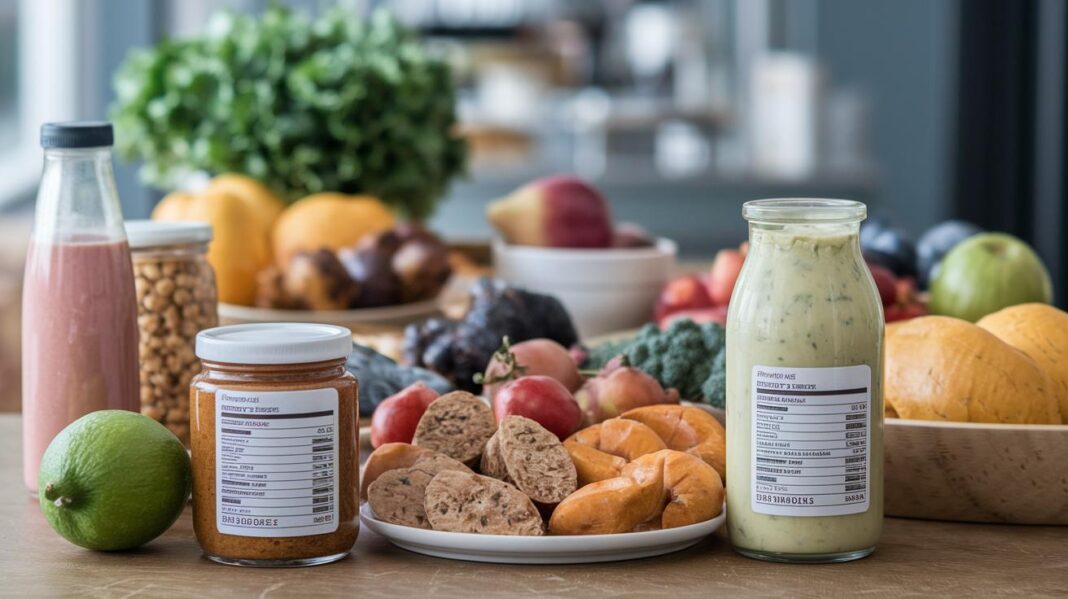
Have you ever wondered if the food label might be keeping secrets about what you really eat? Food labels show serving sizes and calorie counts in a way that can help you decide on a snack in just seconds. They also list easy-to-read facts about fats, sodium, fiber, and vitamins so you can choose foods that match your health goals. In this post, we chat about how these simple labels can guide your everyday choices and help you build a healthier diet.
How Food Nutrition Labels Guide Healthier Choices
Nutrition labels give you the simple facts you need about your food. They show the serving size, how many servings are in a container, and the calories per serving. For example, if you grab two servings instead of one, you end up with twice the calories, and that can sneak up on you.
They also include a % Daily Value, or %DV, which tells you how much a nutrient in one serving contributes to a typical 2,000-calorie diet. Nutrients like saturated fat and sodium are best kept low; a %DV of 5% or less means you’re on the right track. On the other hand, for important nutrients such as calcium, dietary fiber, iron, potassium, and vitamin D, seeing 20% or more indicates a good boost for your diet. Imagine picking a snack with a 25% DV of fiber, it’s a smart way to help balance your meal.
This label design makes it easy to check if a food fits well with your eating plan. Look at the serving size on the label and compare it to how much you actually eat. Doing this helps you avoid underestimating your calorie intake. By following these guidelines, you can feel sure that the product supports a balanced diet.
When you understand these basic parts of the label, you can quickly spot the nutritional value of foods. This simple habit of checking labels is a key step to making smarter choices that add up to overall healthier living.
Decoding Serving Sizes and Calorie Metrics on Food Nutrition Labels

When you check out a food label, you'll notice serving sizes listed in units like cups or grams. Grams provide a clear, accurate weight, while cups might leave some room for guesswork. This difference matters when you’re comparing products or counting calories, always keep an eye on the unit of measure.
Sometimes, the serving size is based more on packaging than on how much you’d usually eat. For example, a snack might list a small handful as a serving, even though you might easily have twice that. If the label says one serving is 50 grams but you eat 100 grams, you're really doubling the calories.
Paying attention to these little details can help you make better choices about portions and avoid eating more than you intend.
Understanding % Daily Value Metrics on Food Nutrition Labels
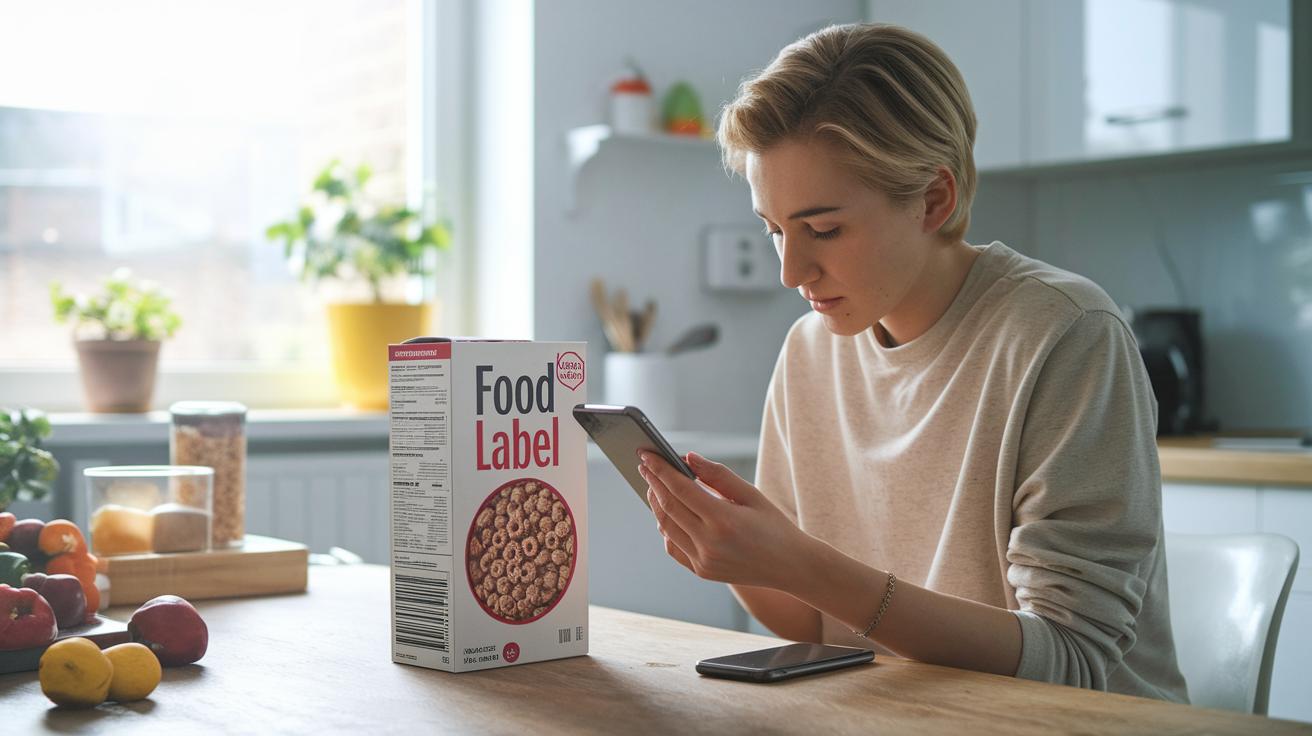
When you look at a food label, the % Daily Value (%DV) helps you compare the amounts of different nutrients. Remember, %DV is just one guide to figure out how a food fits into a balanced diet. Also, always check the serving size because many packages include more than one serving. For instance, if a label lists 10% DV for protein per serving and there are two servings in the package, you’re actually getting 20% DV overall.
Here are some easy tips to keep in mind when reading %DV:
- Look at the serving size so you know exactly how much you’re eating.
- If your daily calorie goal isn’t 2,000 calories, adjust the numbers accordingly.
- Lower %DV numbers for things like sodium or saturated fat can be a smart choice.
- Don’t expect to get 100% DV for every nutrient; some nutrients are healthiest when enjoyed in moderation.
Imagine a food package that shows 15% DV for iron. If you eat more than the suggested serving, you might end up taking in too much.
| Nutrient | Label Example %DV | Tip |
|---|---|---|
| Sodium | 5% | Good for keeping intake low if spread over more servings |
| Fiber | 25% | Signals a nutrient-dense choice for a balanced meal |
| Vitamin D | 20% | Important for bone health, but check your total daily needs |
Remember, %DV is just one part of choosing wisely when it comes to nutrition.
Breaking Down Key Nutrients: Fats, Sugars, Fiber, and More on Labels
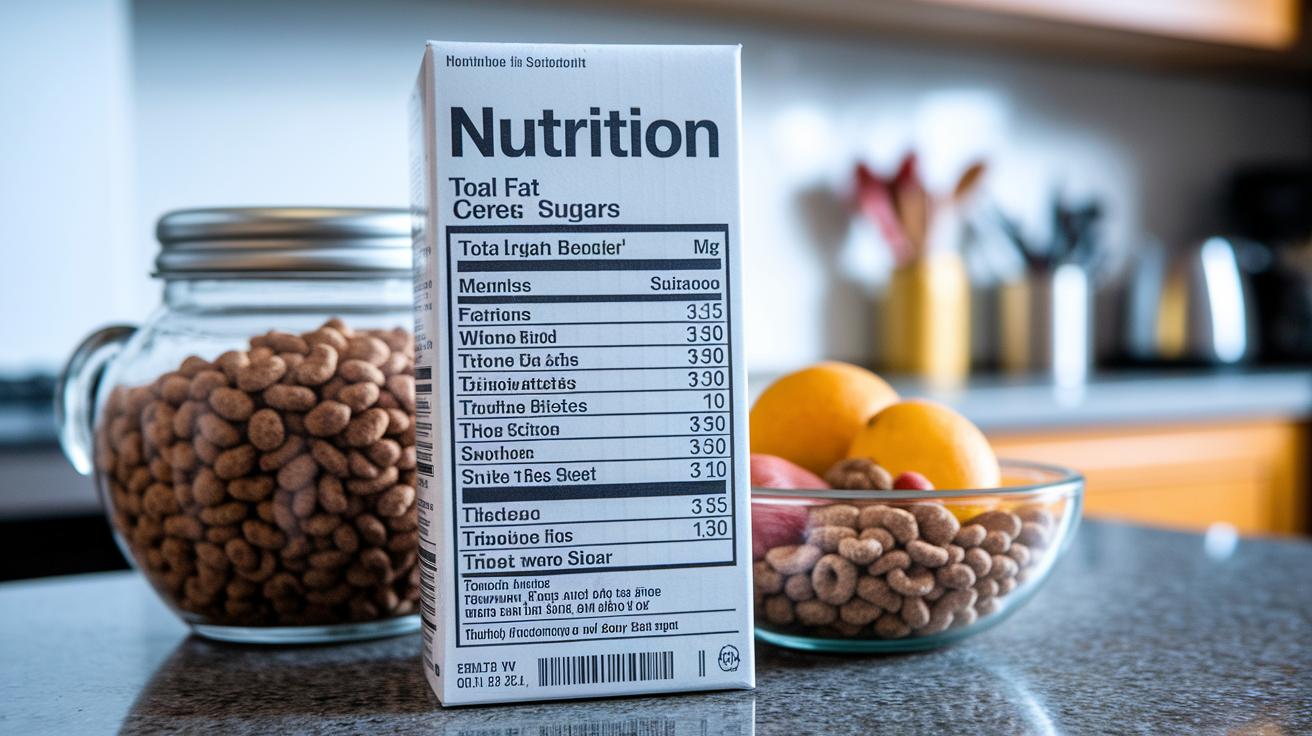
When you check out food labels, they quickly show you the main nutrients in your food. In the Total Fat section, you'll see both the overall fat and the saturated fat numbers, along with a percentage daily value (%DV). So if you spot 10% DV for saturated fat per serving, that tells you how it fits with your daily guidelines.
The label also shows Total Sugars and sometimes even highlights added sugars. These extra sugars might appear under different names like high fructose corn syrup or evaporated cane juice, which helps you catch hidden calories.
Don't forget about dietary fiber. A high %DV for fiber, say, 25% per serving, means the food can help your digestion and keep you feeling full longer. Protein is listed in grams per serving, so if you see something like 6 grams per serving on your cereal box, it gives you a clear idea of how much muscle-repair fuel you’re getting, even if it doesn’t have a %DV.
You’ll also find micronutrients such as calcium, iron, potassium, and vitamin D listed with their %DV to help you see if a serving meets your nutritional needs. Cholesterol and total carbohydrates round out the picture, giving you a complete look at the food’s nutrients. For example, a snack with 15% DV for iron could be a smart choice if you need a boost in that area.
• Total fat and saturated fat clues help you avoid taking in too much fat.
• Added sugars can hide under tricky names, showing extra calories you might miss.
• Fiber supports digestive health and helps keep you full.
• Protein levels give insight into muscle repair and energy needs.
• Micronutrient details guide you in covering essential vitamins and minerals.
All these details let you compare products easily and choose the ones that match your health goals in everyday eating.
Reading Ingredient Lists and Allergen Disclosures on Nutrition Labels

When you look at a food label, the ingredients are listed from the one you have the most of down to the one you have the least of. This makes it clear which part of the food is most common. For example, if you see water listed first, it means water makes up the majority of the product.
Added sugars can be a bit confusing because they come with different names. You might notice terms like high fructose corn syrup, agave nectar, or evaporated cane juice. Keeping an eye out for these names can help you avoid extra sugars and the extra calories they bring.
The FDA makes sure that food packages share clear allergen information. Key allergens like peanuts, dairy, and soy are listed so you or your family members with allergies can avoid them. It pays to check for these details before you buy a product.
Manufacturers also list any artificial additives and preservatives. These chemicals are added to keep food fresh longer or to boost the flavor, and they can sometimes affect your health. By scanning the ingredients, you can decide if you want to skip products with these additives.
Here are some quick tips for reading ingredient lists:
- Ingredients are ordered by weight.
- Added sugars may have multiple names.
- Look for allergen declarations.
- Check for artificial additives.
Taking a moment to check the labels helps you make better food choices, supporting a healthier plan for your life.
Comparing Food Nutrition Labels to Make Smart Choices

Looking at nutrition labels side-by-side can help you notice differences that aren’t obvious at first. For example, if two similar items show different icons on the front, take a look at the full Nutrition Facts panel to see if that low-sodium claim really holds up. Imagine checking two cereals that both say "naturally low sodium" and finding a 10% difference in sodium’s %DV!
Always double-check the front-of-package promises by reading the full list of ingredients. This step helps you know if terms like "whole grain" or "natural flavor" truly describe what’s inside.
• Compare products side-by-side instead of trusting just the headline labels.
• Look at the complete Nutrition Facts panel to make sure front-of-package symbols are accurate.
• Read ingredient lists to catch hidden additives that might contradict a product’s claim.
| Observation | What to Check |
|---|---|
| Front label says low sodium | Look at the %DV for sodium in the Nutrition Facts panel |
| Icon-based health claim is shown | Compare it with the ingredient list for accuracy |
These tips give you a fresh way to decode nutrition labels and get past the usual claims.
Regulatory Standards and Recent Updates for Food Nutrition Labels

Back in 2020, the FDA switched up the label look by using a bigger font for calories and tweaking serving sizes to match what people usually eat. This change makes it easier to see exactly how many calories you're taking in. For instance, if a snack lists the serving size as 50 grams, you instantly know what you're eating instead of guessing.
Now, added sugars have a % Daily Value (%DV) on the label too. This lets you quickly see how much extra sugar is in your food. Plus, health claims on packages are held to strict FDA rules. That means if a package says something about benefits, like how calcium supports strong bones or how folic acid can help reduce neural tube issues, those claims have been carefully reviewed. In fact, there are twelve nutrients with approved health claims that meet these high standards.
Some places, such as Chile since 2016, even require warning labels on the front of the package if items are high in sugar, sodium, or calories. These labels help you quickly spot foods that might not be the best fit for a healthy eating plan. This is part of a worldwide effort to ensure food labels give clear and honest information.
All these changes are part of a global push to cut back on ultra-processed foods by making nutritional details more open and understandable. With these updated standards and rules, you have a solid guide when shopping, helping you pick foods that truly benefit your health.
Leveraging Digital Tools and FOP Graphics for Quick Label Interpretation
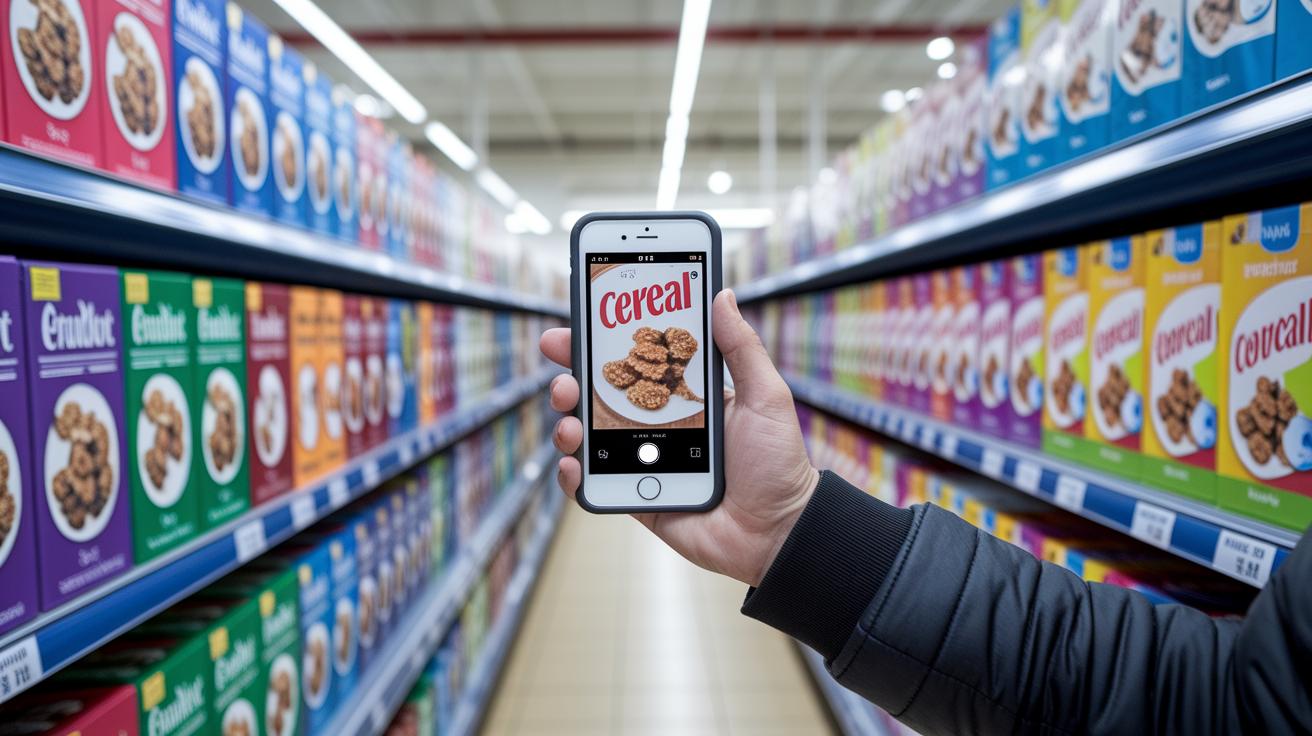
Digital tools and the icons on food packages are really changing how we read labels. For instance, a handy app on your phone can scan a barcode and instantly break down the nutrients, even showing the %DV (that’s what tells you how much of a vitamin or mineral you’re getting). Ever scan your morning cereal and see a low sugar and high fiber tag? It’s a quick way to know if it fits your dietary goals.
Interactive screens and online nutrient fact tools also make it simple to compare different products. Imagine typing in your favorite recipe into an online analyzer and getting an estimate of calories, fats, and sugars. This clear view helps you balance your meals without the fuss.
Even in the grocery aisles, smart scanning devices lend a hand. When you point at a product, they offer real-time nutrient details. Sometimes, a kiosk might even suggest a healthier alternative if your pick is too high in calories. A simple icon, like that “high fiber” mark, acts as an easy cue, so you don’t have to dig through dense information.
Mobile apps loaded with nutrient charts and free digital fact tools turn complex data into everyday advice. They help you make choices that match your health plan, ensuring that a healthier option is always just a scan away.
Final Words
In the action, clear food nutrition labels help turn everyday shopping into a smart, informed experience. We broke down serving sizes, calorie counts, % Daily Value metrics, and nutrient breakdowns. Reading ingredient lists and comparing products emerged as practical steps in better managing your diet. We also touched on digital tools and regulatory updates that keep you on track. Keep using these tips to enjoy healthier, more confident choices.
FAQ
What are some examples of food labels?
Food labels examples include the Nutrition Facts panel, ingredient lists, allergen warnings, and serving size information. They help you compare products and make healthier eating choices.
How does a nutrition facts label generator work?
A nutrition facts label generator takes your nutritional data and formats it into a label that meets accepted standards. It organizes serving size, calories, nutrients, and % Daily Value for easy reading.
How do food labels display nutritional information and ingredients?
Food labels display nutritional details such as calories, fats, sugars, and %DV alongside a list of ingredients. They offer clear insights to help you choose foods that support a balanced diet.
What do 10 different food labels look like?
Ten different food labels can vary by product type and region but generally include standardized panels for Nutritional Facts, ingredient lists, and allergen warnings, making them easy to compare.
Can you provide a Nutrition Facts example?
A Nutrition Facts example lists a serving size, total calories, and details on nutrients like fats, sodium, fiber, and sugars with corresponding % Daily Values to guide healthy choices.
How does a nutrition facts calculator work?
A nutrition facts calculator estimates nutritional values based on your ingredient amounts and serving sizes. You input data, and it computes calories and nutrients per serving for accurate labeling.
How do you read food labels for healthy eating?
Reading food labels means checking serving sizes, calorie counts, and % Daily Values on fats, sugars, and sodium. This helps you compare foods and choose options that fit your balanced diet.
What is a Nutrition Facts label template?
A Nutrition Facts label template is a standardized design outlining serving size, calorie count, and nutrient details. It ensures that nutritional information is clear and consistent across food products.
Can I make my own Nutrition Facts label?
Yes, you can make your own Nutrition Facts label using approved templates and online calculators. Your custom label should include serving sizes, calorie count, and nutrient details per regulatory guidelines.
What does the nutritional label of food mean?
The nutritional label of food explains the calorie content and nutrient amounts like fats, sugars, and vitamins per serving. It helps you understand and compare the health value of different products.
What are the 7 things to avoid indicated on the nutrition label?
Nutrition labels may highlight items to limit such as saturated fat, trans fat, sodium, added sugars, cholesterol, excessive calories, and occasionally artificial additives to support healthier eating.
How do you get a nutrition label for food?
You can obtain a nutrition label from product manufacturers, or create one using online tools and calculators. These labels provide essential information to help guide healthier product choices.
Is there a free nutrition label generator available?
Yes, several free nutrition label generators online let you input nutritional data to quickly produce a compliant, easy-to-read label for your product.
How do you understand food labels?
Understanding food labels involves knowing how to read serving sizes, calorie counts, nutrient amounts, and % Daily Values. This knowledge lets you make informed and balanced dietary selections.
What is the FDA nutrition label generator?
The FDA nutrition label generator is a tool or guideline that helps create labels meeting FDA requirements. It standardizes nutritional information for clear, consistent communication to consumers.

