
Ever wonder if your daily steps or heart rate could be clues to a healthier you? Instead of saying, "I need to feel better," you can track simple numbers like blood pressure, resting heart rate (the number of heartbeats each minute when you rest), and step count to see exactly where you stand.
By setting small, clear goals based on these everyday metrics, every little win becomes a real celebration. Using this data is like having an easy-to-read guide that helps you make changes that last and helps you truly see your progress over time.
Transforming Health Metrics into Personalized Wellness Goals
When you base your goals on real numbers, it's easier to measure your progress. Instead of saying, "I want to feel healthier," you can use data from everyday trackers. For instance, knowing your blood pressure or how many steps you take daily gives you a clear starting point for setting small, achievable health goals.
Your key health numbers really serve as a roadmap to better well-being. Blood pressure checks tell you about your heart's health, and your resting heart rate (the number of beats your heart has when you're relaxed) shows how fit you are. A Body Mass Index, or BMI, is a handy measure to see if your weight falls within a healthy range. Sleep data, meanwhile, lets you know how well your body recovers at night, helping you feel clearer and more energetic during the day. Tracking daily activity, whether by counting steps or estimating calories burned, gives you a real picture of your movement. Put these numbers together, and they tell the full story of your health, showing where you are now and suggesting ways to tweak your routines and diet.
By keeping an eye on these basic numbers, you can set clear, measurable targets that grow with you. Tracking your progress regularly means you'll always know just how close you are to your fitness goals, helping you adjust your routine and celebrate every small win along the way.
Leveraging Vital Sign Metrics for Precise Wellness Goals

Keeping track of your vital signs gives you a clear picture of how your body is doing every day. Regular blood pressure checks can warn you about heart problems or the risk of a stroke, while your resting heart rate shows how fit you are and how quickly you bounce back from activity. Monitoring heart rate variability (the natural gap between heartbeats) helps you see how well you’re recovering, and even oxygen saturation levels can gently hint it's time to adjust your lifestyle.
When you know your numbers, you can make smarter choices for your health. You might decide to change your workout, get extra rest, or drink more water when needed. Simple, understandable data like this makes it easy to notice patterns and spot when something seems off.
| Metric | Why It Matters | Recommended Range | Tracking Frequency |
|---|---|---|---|
| Blood Pressure | Helps prevent heart disease and stroke | 120/80 mmHg | Weekly |
| Resting Heart Rate | Shows fitness level and recovery | 60-100 BPM | Daily |
| Heart Rate Variability | Reveals stress and recovery balance | Varies by individual | Daily |
| Oxygen Saturation | Indicates lung health | 95-100% | Weekly |
Looking at this table makes it simple to see which numbers might need extra attention. This information helps you adjust your wellness goals, so you know exactly when to boost your exercise, modify your diet, or simply take a day off to recharge.
Using Body Composition and Activity Metrics to Shape Fitness Objectives
Looking at your body composition and activity metrics is like having a clear snapshot of your fitness journey. They show you how your body is doing and how your day-to-day movements add up to better health. Knowing details like your Body Mass Index (BMI) and body fat percentage can help you see where you might want to adjust your diet or exercise routine. And keeping track of your steps and calories burned tells you how active you truly are. With this info at hand, you can see real-time progress and easily set goals that match what you need most.
Measuring your BMI and fat percentage is more than just checking if your weight falls into a healthy range. These numbers also give clues about other health aspects, like blood pressure and cholesterol. If you notice a higher BMI, it might be a friendly nudge to tweak your eating habits or workout a bit differently. Regular updates on these metrics help you catch trends over time – like a steady drop in body fat – which can boost your motivation and guide you to adjust your plan as needed.
Keeping track of your daily steps and how many calories you burn is a great way to fine-tune your exercise goals. With wearable devices making it so simple to see your step count and calorie burn, you can adjust your workouts to suit your personal needs. Maybe it means boosting your walking routine or shifting the intensity of your workouts. Checking these numbers regularly helps ensure that your exercise efforts match your targets for a healthy weight and a balanced energy level.
Evaluating Lifestyle and Recovery Metrics for Holistic Wellbeing

Measuring how you recover fills in the gaps that standard physical tests might miss. When you track your sleep, stress, hydration, and fatigue, you get a clearer view of how well your body bounces back every day. This extra information helps you set goals that focus on more than just physical strength; it’s about overall balance.
Getting a good night's sleep and keeping an eye on your stress are key parts of your daily recovery. Try for 7–9 hours of sleep every night, and maybe check out simple sleep stage trackers to see how your body and mind reset overnight. A simple sleep log or a wearable tracker can show patterns over time. And don’t forget about stress. Using your own notes or even basic health metrics like changes in your heartbeat can help you adjust your day to keep things balanced.
Staying properly hydrated and watching for fatigue complete the recovery picture. Drinking enough water helps your body heal and keeps your mind clear. Noting when you feel tired may be a sign that your body needs a little more rest or a small change in your routine. This way, you can build a strong foundation for lasting wellness.
Applying the SMART Framework to Measurable Health Data
The SMART method turns your health numbers into a clear plan for better wellness. SMART stands for Specific, Measurable, Achievable, Relevant, and Time-bound. When you use these ideas, you set goals that guide each step of your journey.
- Specific: Pick a clear target, like getting your blood pressure into a healthy range within a set time.
- Measurable: Keep an eye on your resting heart rate every day to notice small improvements in how fast your body bounces back.
- Achievable: Choose goals that suit where you are now, such as changing your BMI with small tweaks to your diet and exercise routine.
- Relevant: Focus on what really counts, like tracking how well you sleep to help you wake up feeling refreshed.
- Time-bound: Set a deadline for your goals, like planning to boost your daily steps in the next four weeks.
Checking in on your progress often helps you adjust your plan and keeps you motivated. By matching each health number to a SMART goal, you turn everyday data into a step-by-step guide that makes your road to better health feel reachable and real.
Employing Digital Tools for Integrated Wellness Goal Tracking
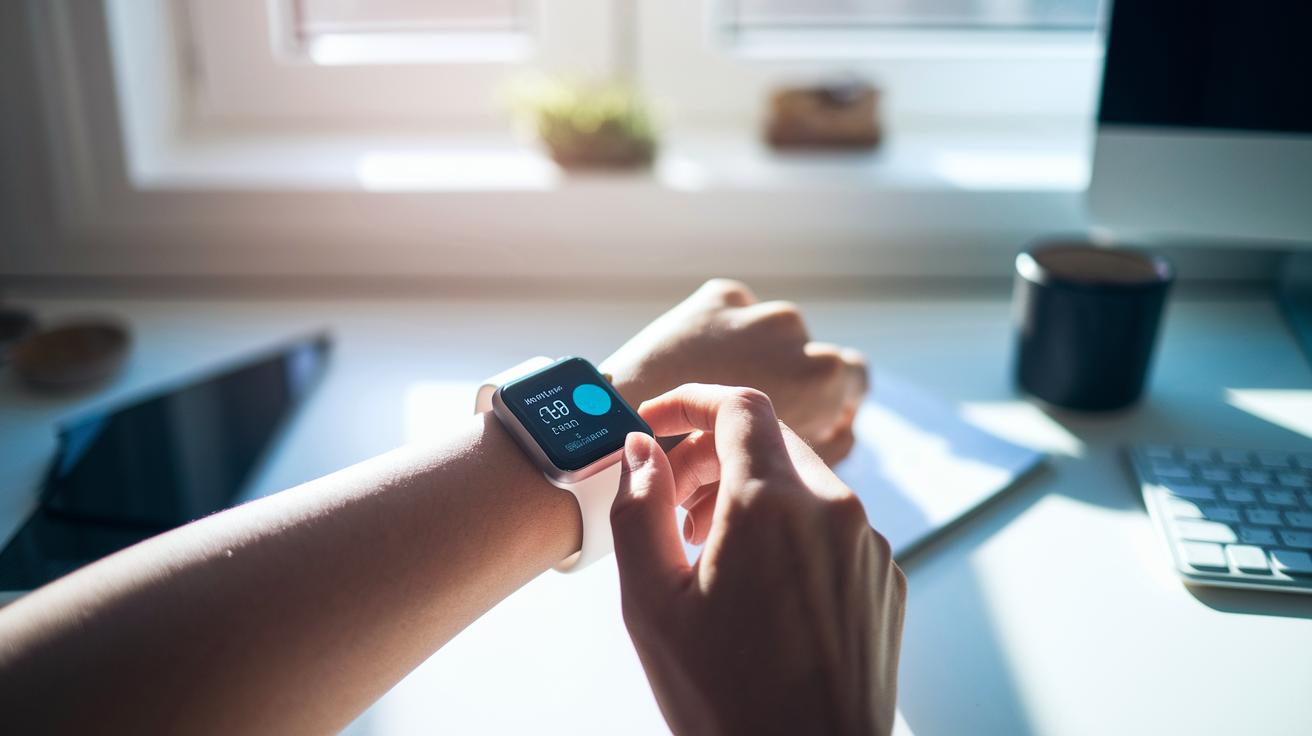
Today’s digital tools like apps and wearables make it easy to keep track of your health. They collect important numbers like blood pressure, steps, and sleep quality, and dump them right into your own progress dashboard. This real-time feedback shows you how small changes in your daily habits can quickly make a difference. For example, after a quick five-minute mindful break, your wearable might report a drop in stress levels. It’s like watching your wellness score climb just because you took a moment to breathe deeply.
These tools take the guesswork out of monitoring your health. Every step, every pause, every move gives you measurable data you can review each day. This means you can see and adjust your progress on the fly, making it easier to coordinate your health goals in one simple place.
Graphs, trendlines, and other visual aids help turn these numbers into useful tips. By mixing different metrics into one overall wellness score, apps give you a clear picture of your well-being and help you spot any changes that might need attention. Imagine checking your sleep graph and noticing a few off days, this lets you try a new, relaxing bedtime routine to help smooth things out. With these tools, setting and reaching your personal health goals isn’t just simple; it’s also a fun way to stay motivated.
Final Words
In the action, you've seen how health data like vital signs, body composition, sleep patterns, and activity levels guide bespoke wellness targets. Breaking down raw numbers into everyday insights makes goal setting feel natural and clear. Small tweaks, combined with a nothing-like-SMART plan and modern digital tools, help you refine your approach over time.
Always remember that using health metrics to set wellness goals can pave the way to a healthier, more vibrant life.
FAQ
How can I use health metrics to set wellness goals effectively?
Using health metrics to set wellness goals means turning data like blood pressure, heart rate, BMI, sleep quality, and daily steps into clear targets. This approach helps you track progress and adjust habits for better health.
What are some examples of SMART health goals, including emotional regulation?
SMART health goals use clear steps, such as tracking daily step counts or setting specific sleep hours. For emotional regulation, you might plan mindfulness or stress-check routines, ensuring each goal is specific, measurable, achievable, relevant, and time-bound.
Why is it important to make health goals measurable?
Making health goals measurable gives you clear data to see your progress. By using numbers like step counts or sleep hours, you can easily evaluate changes and stay focused on improving your overall wellness.

