
Have you ever thought that little changes, like tracking your sleep or checking your blood pressure, could really boost your well-being? You might believe that improving health means big, dramatic shifts, but actually, small steps can add up to clear wins.
Think about it this way: a quick look at your heart rate variability (that is, the small difference in time between beats) or a simple change to your diet can help improve your overall health. In this post, we'll share practical tips on how everyday habits can lead to better numbers and more energy. Ready to see how a few small changes can make a big difference?
Actionable Steps to Improve Your Health Metrics
Keeping an eye on your health numbers can really change the game. It might surprise you that regular blood pressure checks have helped many people catch issues early, before they turn into serious problems. Checking your blood pressure is so important because it can spot early signs of high blood pressure, which often leads to bigger heart issues.
Tracking both your blood pressure and heart rate with tools like cardiac remote monitoring gives you a clear view of your heart health. It’s like getting a quick health snapshot that shows how well your heart is doing. Another simple tool is your body mass index (BMI). This handy calculation tells you if your weight is on track, and even small changes over time might be a sign to adjust your lifestyle.
Daily habits also have a huge influence on your wellness. Keeping track of your sleep helps you see if you’re getting the seven to nine hours that boost both your mind and body. Just as regular exercise supports your overall health, a good sleep pattern works wonders too. Plus, logging your daily physical activity gives you a real feel for how active you are and shows where you might want to make a little extra effort.
Using smart apps and wearable devices turns everyday actions into simple steps toward a healthier life. When you monitor these numbers regularly, you gain the confidence to tweak small things that add up to a big impact on your health. Isn't it great to see how little changes can lead to a stronger, happier you?
Nutrition Habits to Improve Your Health Metrics

Fuel your body right by choosing a balanced diet. Simple swaps, like switching from processed chips to fresh fruit, can help keep your blood sugar steady. Whole grains and legumes might even lower your "bad" cholesterol (LDL) by 5–10% over a few months. And adding fatty fish loaded with omega-3s can boost heart health and lower those unwanted triglycerides. Lean proteins, whether it’s chicken or tofu, help keep your energy balanced and support muscle strength. All these choices work together to keep your blood sugar, cholesterol, and body weight on track.
Good nutrition also means planning your meals and staying well-hydrated. Drinking 2–3 liters of water a day gives your metabolism a gentle boost and supports every cell in your body. Try to fill your plate with colorful vegetables and fruits, and aim for a healthy mix of fats, proteins, and carbohydrates. These small changes not only help your body feel better but can also clear your mind. Think of your meals like a well-crafted recipe, each ingredient plays its part, making every bite a win for your overall wellness.
Exercise Strategies to Improve Your Health Metrics
Increasing your daily exercise doesn't have to feel overwhelming. Studies show that getting about 150 minutes of moderate cardio a week can drop your resting heart rate by up to 10 beats per minute, which is great for your heart. Whether you enjoy a brisk walk around the neighborhood or a steady bike ride, these activities help build endurance and clear your mind. Plus, sticking with this kind of routine not only boosts your energy but also lays a solid foundation for a healthier heart.
Adding resistance training two or three times a week can improve your muscle strength by 15–25% in just a few months. Mixing in some strength exercises with easy stretching routines can also enhance your flexibility and lower your risk of injury. If you're up for planning a more detailed workout schedule, you might want to explore tips on optimizing workouts with exercise science. Setting personal fitness goals can make each session feel more engaging and meaningful, guiding you toward a strong, nimble body.
Checking your progress along the way is key to staying motivated. Simple fitness tests, like timed mile runs or VO₂ max assessments (which show how much oxygen you're using during exercise), provide clear numbers that help you adjust your workout intensity. By keeping an eye on these details, you can fine-tune your routine so that every bit of cardio, strength training, or flexibility work aligns with your health goals. This smart, evidence-based approach turns everyday exercise into real, measurable strides toward better wellness.
How to Improve Your Health Metrics: Simple Wins

Getting 7 to 9 hours of good sleep each night is a simple win for your health. It can lower your risk for high blood pressure by about 12% and help keep your hunger hormones in check, making it easier for your body to do its best. Try setting a regular bedtime and stepping away from screens before sleep. Just imagine drifting off while your body quietly recharges for the day ahead.
Spending just 10 to 15 minutes on mindfulness each day can also work wonders. Techniques like deep breathing or slowly relaxing your muscles not only lower stress hormones like cortisol but also help keep your blood sugar steady. These small steps can boost your heart rate variability by up to 8%, which is a sign your heart is in good shape. In truth, these everyday habits pave the way for a calmer, more balanced state of mind and a body that feels ready to take on the day.
Personalized Monitoring to Improve Your Health Metrics
Taking charge of your health means keeping an eye on the numbers that matter. When you check your weight, waist size, and body mass index (BMI, a simple measure comparing your weight to your height) every month, you start to see trends about how your body changes. Keeping a weekly log of your blood pressure can help catch early signs of trouble, while a fasting blood sugar test every few months and a yearly cholesterol check (lipid panel) offer clear insights into your heart health.
If you notice your BMI shifting steadily, it might be a sign to tweak your exercise routine by 5–10% or adjust your daily calories by about 10%. These small changes can lead to smarter choices in your day-to-day life.
Reviewing these numbers isn’t just about the figures, it’s a way to truly understand how your body works. When you adjust your daily routine based on what your body tells you, you’re setting yourself up for lasting improvements. Below is a table that shows common health measurements, how often to check them, and what ranges are generally seen as healthy.
| Metric | Measurement Frequency | Target Range |
|---|---|---|
| Blood Pressure | Weekly | 120/80 mmHg |
| Fasting Glucose | Quarterly | 70–100 mg/dL |
| BMI | Monthly | 18.5–24.9 |
| Lipid Panel | Annually | LDL < 100 mg/dL |
Technology Tools to Improve Your Health Metrics
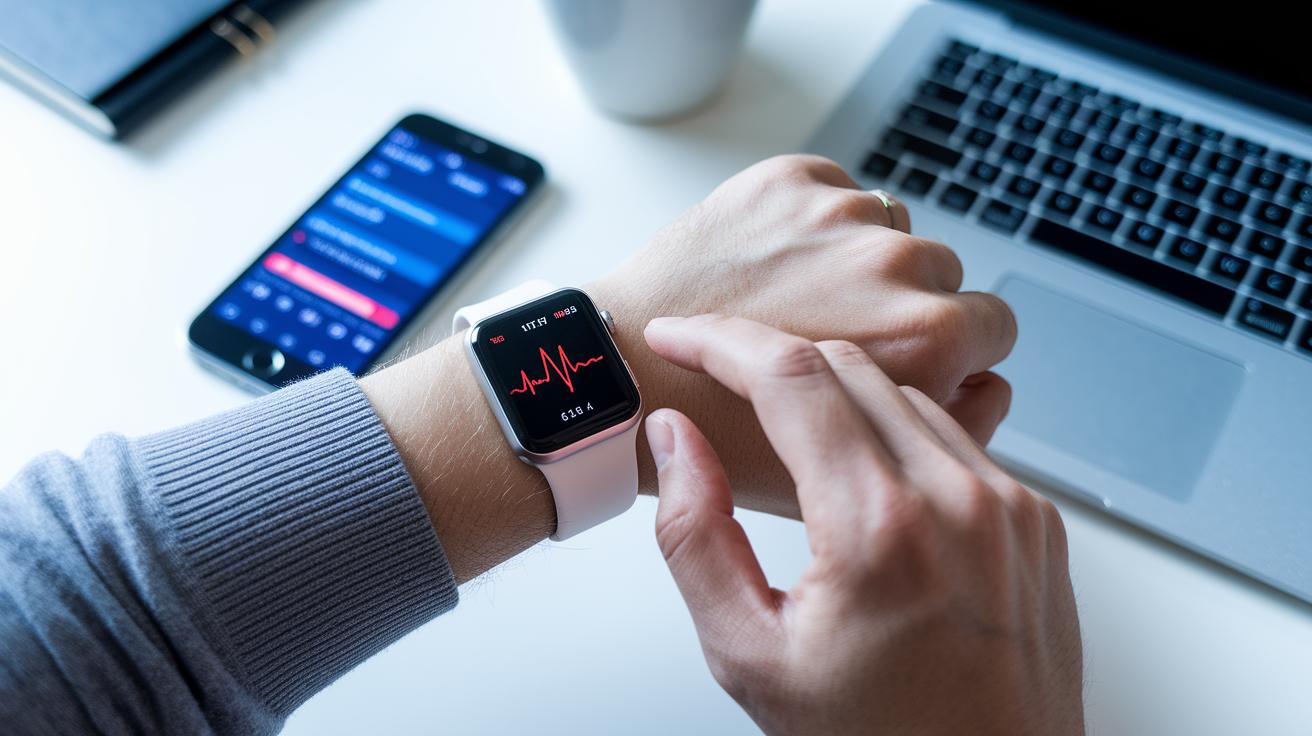
Technology is changing the way we track our health. These days, smart wearables like fitness bands and smartwatches keep an eye on your heart rate variability (that is, the natural ups and downs in your heartbeat), step counts, and even your sleep patterns all day long. Your smartphone apps then gather this info into neat dashboards that show you daily trends without any hassle. It’s almost like having a personal coach on your wrist, encouraging you to stay active and balanced.
There are also apps that let you log details like what you eat, your stress levels, and even any symptoms you might feel throughout the day. By merging information from different sources, these tools give you a full view of your health, helping you easily spot which areas might need a little extra attention. Rather than guessing, you get clear numbers that empower you to adjust your daily habits wisely. In this way, each little action adds up to measurable steps toward a healthier life, and you get to celebrate every small win as you see your numbers improve.
Final Words
In the action, the guide walks you through simple ways to boost everyday wellness. It covers monitoring vital indicators, smart nutrition, exercise routines, sleep practices, personalized checks, and digital tools. Each step brings a practical, data-driven focus to everyday health.
Every suggestion aims to support balanced routines and clear insights into your personal stats. By putting these steps into practice, you'll learn how to improve your health metrics while enjoying a more vibrant day-to-day life.
FAQ
Health metrics to track
The health metrics to track include figures like blood pressure, heart rate, sleep quality, and daily activity. They provide clear insights to help you understand and improve your well-being.
Health metrics examples
The health metrics examples feature measurements such as blood pressure, resting heart rate, body mass index, and sleep patterns. These examples offer a snapshot of your overall physical state.
How to measure health
The measure of health uses key indicators such as biometric readings, activity levels, and sleep quality. These elements together create a comprehensive picture of your physical wellness.
Indicators of good health
The indicators of good health include balanced blood pressure, steady heart rate, quality sleep, and regular physical activity. They reflect a well-rounded state of personal well-being.
Weight is not an indicator of health
The claim that weight is not an indicator of health means that a scale number alone doesn’t capture factors like blood pressure, fitness, or mental well-being, which are essential for true health.
What is the best metric for health?
The best metric for health isn’t a single number; it is a combination of factors such as cardiovascular readings, sleep quality, and activity levels that together offer the clearest view of your health.
What are some ways you can improve your overall health?
The ways to improve overall health involve tracking key metrics, adopting balanced nutrition and exercise, ensuring quality sleep, and using self-assessments to guide meaningful lifestyle adjustments.
How to improve health access?
The methods to improve health access feature using technology like wearable devices and tracking apps alongside community-based services that bring health resources to a broader population.
How to measure effectiveness in health care?
The measure of effectiveness in health care involves evaluating patient outcomes, recovery statistics, and changes in biometric data, which together indicate the quality and impact of care.

