
Have you ever thought a few simple numbers might change your future? Your health figures, like blood pressure and heart rate, work just like a car’s dashboard. They show little shifts that might signal something is up, letting you act before a small issue turns into a big one.
Staying on top of these numbers turns regular check-ups into handy tools for a healthier life. In this article, we explore how your body’s data can give you the power to create a more balanced, thriving life.
Understanding Core Health Metrics in Preventive Care
Health metrics are simple tools that help us keep an eye on our overall well-being. They let us see small changes in our body, like shifts in heart rate, blood pressure, or body temperature, kind of like glancing at your car’s dashboard to check how everything is running.
Regular check-ups, whether they’re done every year or every few months, can catch even minor changes. For example, if your blood pressure goes up just a little, your doctor might suggest a few tweaks to your routine or take a closer look to avoid bigger problems. Actually, one study found that even a small rise in blood pressure could lead to a much higher heart risk, which might prompt faster lifestyle changes.
We also keep track of other numbers like cholesterol and blood sugar. Keeping these simple records helps your healthcare team make plans that fit you perfectly, no cookie-cutter solutions here. It’s all about using your own body’s numbers to guide smarter, more personal care.
By watching these numbers, you can feel empowered about your health. Regular check-ups not only point out current issues but also help you plan for a healthier future. In short, keeping track of vital signs, lab results, and risk scores is key in spotting problems early and staying on top of your well-being.
Evaluating Screening Tests as Key Preventive Care Metrics

Screening tests are a powerful way to spot health issues long before they become serious. They catch early warning signs that let doctors step in when treatments work best and cost less. For instance, a timely mammogram can detect changes in the breast that might signal cancer way before any symptoms show up, which can ultimately save lives and reduce later medical bills.
Regular blood pressure checks and HbA1c tests are essential parts of routine visits. A simple blood pressure reading might reveal early stages of high blood pressure, while an HbA1c test helps keep an eye on blood sugar levels and catch prediabetes. Imagine a busy person discovering an early warning sign during a quick checkup – it might encourage healthy lifestyle changes that stop serious problems from developing.
Screening data also help measure how well health programs work. Health providers keep track of screening rates for different ages and risk groups to make sure everyone gets the right tests at the right time. This mix of healthy behavior and early detection makes our healthcare system more proactive and supportive.
Here's a quick look at four important screening tests and how they help catch diseases early:
| Test | Disease Targeted | Recommended Frequency | Impact on Early Detection |
|---|---|---|---|
| Mammogram | Breast Cancer | Every 1-2 years | Finds early tumor formations |
| Colonoscopy | Colorectal Cancer | Every 10 years | Detects polyps before they become cancerous |
| Blood Pressure Check | Cardiovascular Issues | During routine exams | Helps catch hypertension early |
| HbA1c | Prediabetes/Diabetes | Annually or as needed | Monitors blood sugar levels |
Regular screenings can reduce mortality rates by detecting issues long before symptoms appear, much like spotting a leak in time to fix your roof before it rains.
Tracking Lifestyle and Risk Factors for Effective Preventive Metrics
Your daily habits offer important clues about your health. Keeping track of things like heart rate, blood pressure, oxygen levels, body temperature, blood sugar, BMI, and sleep is like checking your body's dashboard every morning. Even small shifts in these numbers can signal changes happening inside you.
By noting these measurements over time, your care team builds a clear picture of how age and everyday routines affect your health. Regular records help spot when something starts to drift from your usual patterns. This early detection often guides adjustments in your eating, exercise, or sleep routine. For example, you might notice:
| What You Track | What It Might Tell You |
|---|---|
| Heart rate | Shifts in stress levels |
| Blood pressure | Signs of developing high pressure |
| Blood sugar | Changes in how your body handles energy |
Sometimes, long-term tracking includes scores like the Framingham Risk Score, which uses past health records and lab results to estimate your heart risk. Imagine if over time you spot a slight rise in your blood pressure, this could be a chance to make small lifestyle tweaks that might help you avoid serious heart issues later on.
Even little actions matter. A small change in how well you sleep or how active you are might be your body asking for extra care. Ever think about how a shift in your average heart rate during daily activities could be a sign to check in on your overall fitness? Keep an eye on these details, and you could catch potential issues early on.
Digital Monitoring Systems and Health Metrics in Preventive Care
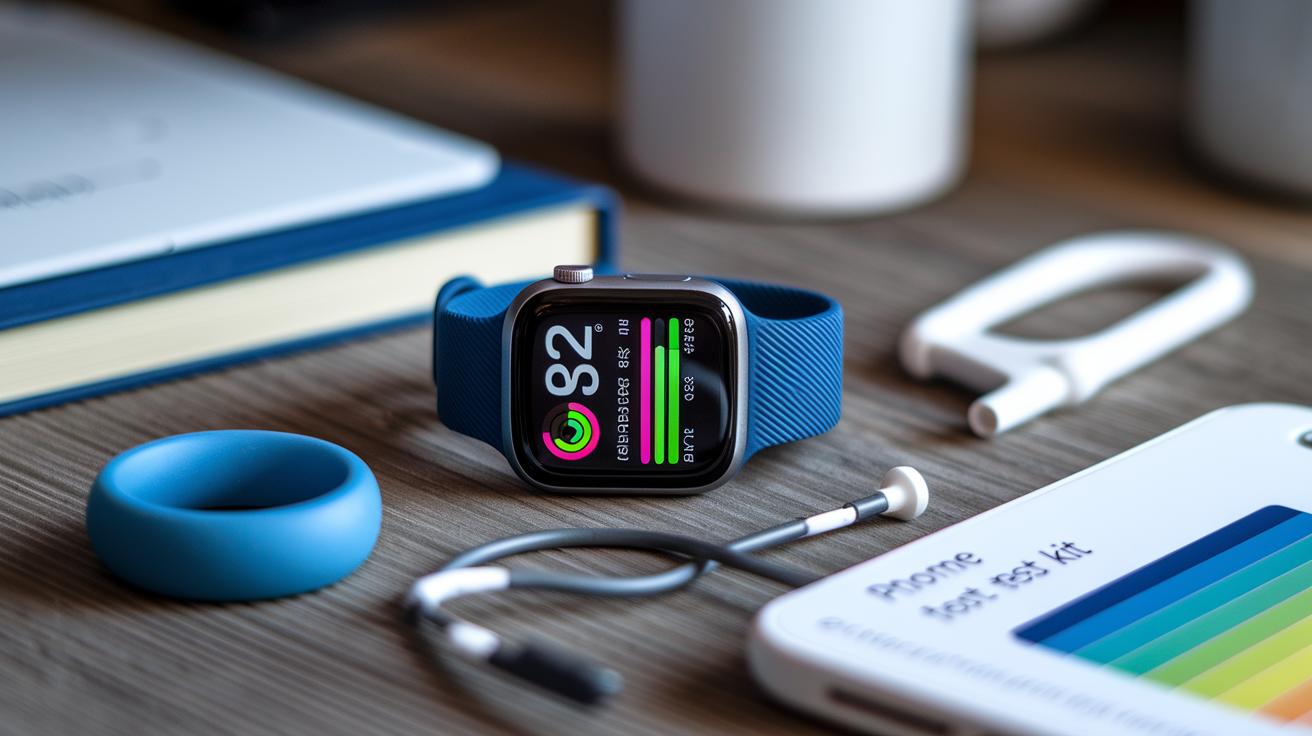
Digital monitoring systems are changing the game when it comes to keeping track of our everyday health. Everyday gadgets like smartwatches, fitness rings, and home test kits measure things such as our heart rate, sleep patterns, body temperature, and oxygen levels. They gather real-time data that can help you and your doctor tailor preventive measures, kind of like checking your watch to make sure your pace is just right during a run.
Devices like smartwatches let you quickly see your daily health stats, though they might not always be spot-on during really active moments. That’s why they’re often paired with more precise tools, such as AI MRI platforms. These platforms use smart computer programs to carefully analyze images and spot potential issues early on. Still, there are challenges, like the risk of false alarms that can cause worry and concerns about data privacy.
Digital monitoring empowers you to take charge of your health while also giving healthcare professionals a clearer look at trends over time. For example, remote heart monitoring paints a consistent picture of your condition day by day. Plus, personalized health apps can build a timeline of your progress, helping to guide steps that prevent chronic conditions.
| Tool | Type | Key Metrics Captured | Primary Use Case |
|---|---|---|---|
| Smartwatch | Consumer Device | Heart rate, activity, sleep | Real-time tracking |
| AI MRI Platform | Clinical Imaging | Advanced imaging analysis | Early disease detection |
| At-Home Test Kit | Digital Diagnostic | Blood markers, vital signs | Screening from home |
| Wearable Ring | Consumer Device | Sleep, activity, temperature | Continuous monitoring |
When you bring these digital tools into preventive care, it gives both you and your healthcare team a powerful edge. By spotting trends early, everyone can take simple steps to live a healthier, more active life.
Benchmarking Health Metrics for Outcome Review in Preventive Care
Organizations look at the numbers they collect to see how well their preventive care is working. They compare these figures to their own targets and public benchmarks, which gives everyone a clear picture of their performance. They check things like screening rates, treatment responses, and overall patient well-being to understand what’s working and what might need a tweak.
Standard quality indexes are a common tool for these reviews. Many healthcare groups use public benchmarks based on regional and national data to see how they compare. For example, if a provider’s colon cancer screening rates beat the public standard, it boosts confidence in their preventive approach. But if the numbers fall short, it might be time to try a new method.
By continuously reviewing quality, health teams can adjust their strategies as fresh data comes in. They track small, gradual changes using improvement indices, which helps them step in with timely fixes. This ongoing feedback loop builds a culture of constant improvement, ensuring every move in preventive care matches the best practices and current health trends.
health metrics in preventive care: Empowering Wellbeing

Using health metrics in preventive care means taking simple numbers and turning them into clear steps you can follow. For example, a team of doctors, nurses, and experts will look at your health numbers and use them to help adjust your daily habits and long-term plans. Think of a risk score as a dashboard light in your car, if one number jumps suddenly, it might be time to check your blood pressure or how well you’re sleeping.
First, healthcare providers pick the key numbers that matter, like heart rate variability (the natural variation between heartbeats) or blood sugar levels. They then set up easy-to-follow rules to gather these numbers. This might include regular check-ups and using simple checklists, like a note that says, "Check these three key indicators every month." Such little reminders make a big difference in keeping things consistent.
Next, care teams turn those regular numbers into clear action plans. They use simple methods like risk scores to decide what might need a change. By following step-by-step checklists, it’s easy to see progress over time. For example, one checklist might include checking blood pressure, reviewing sleep patterns, and tracking physical activity, all compared with past records to guide better care.
Regular reviews of these numbers help everyone stay on track. Short team meetings every few months give a chance to spot trends early, so adjustments can be made before problems get worse. Keeping up with these simple measurements turns everyday data into useful signals for a healthier life, making decisions smarter and more personal for each patient.
Final Words
In the action, we explored how personal data shapes well-being through key measures like routine screenings, lifestyle tracking, and digital monitoring. We broke down common tests and digital tools while explaining how continuous tracking helps refine daily health routines. Each section offers clear steps to embed these insights into everyday practices, empowering both individuals and health professionals. Embracing these health metrics in preventive care can lead to smarter, proactive choices and a brighter path to overall wellness.
FAQ
What are some examples of preventive care measures?
The examples of preventive care measures include routine screenings, vaccinations, and lifestyle assessments that check blood pressure, cholesterol, and other lab tests, helping catch potential issues early and guide healthier habits.
What is covered under preventive care, including lab tests and insurance guidelines?
The explanation for what’s covered under preventive care often includes screenings, immunizations, and select lab tests. Insurers like Blue Cross Blue Shield and ACA plans typically cover these measures to help detect conditions before symptoms emerge.
What guidelines exist for adult preventive care?
The details for adult preventive care guidelines involve regular checkups, age-based screenings, and assessments to monitor overall health. These schedules help maintain well-being and catch changes that need attention early on.
What is the difference between “preventive” and “preventative”?
The clarification between the terms “preventive” and “preventative” is that both refer to actions taken to avoid health issues; however, “preventive” is more widely used in medical settings.
What metrics are used to measure health in preventive care?
The explanation for measuring health in preventive care includes vital signs, lab values, risk scores, and other clinical indicators that help track health trends and support early disease detection.

