
Ever wonder if a few small numbers could lift your daily mood? Tracking your heart rate, sleep, and steps might seem basic, but these little details add up to big benefits. Setting clear, personal health goals and keeping tabs on the right numbers can help you see real progress toward more energy, better sleep, and overall well-being.
This guide makes it simple to get started. It shows you how to track your data in a way that fits right into your everyday routine, helping you build a healthier tomorrow.
Essential First Steps for Monitoring Health Metrics
Start by picking a clear health goal that feels personal and important to you. Maybe you want to sleep better, lower your heart rate, or simply feel more energetic. Once you decide on your goal, select the health markers that will show your progress. For example, tracking your heart rate, along with heart rate variability (which is just a simple way of saying the rhythm differences between your beats), can tell you a lot about your stress and fitness levels. Also, keeping an eye on your blood pressure gives clues about your heart's health.
Then, add other measures that match your goal. You might track your sleep hours and how well you rest, check your blood oxygen, or even monitor your blood sugar. Keeping tabs on your daily physical activity is a real game changer, studies even suggest that active middle-aged people can add up to eight years to their life compared to those who are less active. Don’t forget about watching your calorie intake and balancing the nutrients you eat, as they complete the overall view of your well-being.
Finally, make it a habit to log these details regularly. When you jot down your numbers day by day, you create a story of your health that can help you tweak your lifestyle for the better. Small pieces of data really add up over time, and soon you'll have a clear picture that empowers you to make decisions towards a healthier life.
Selecting Tools and Apps for Health Metric Tracking
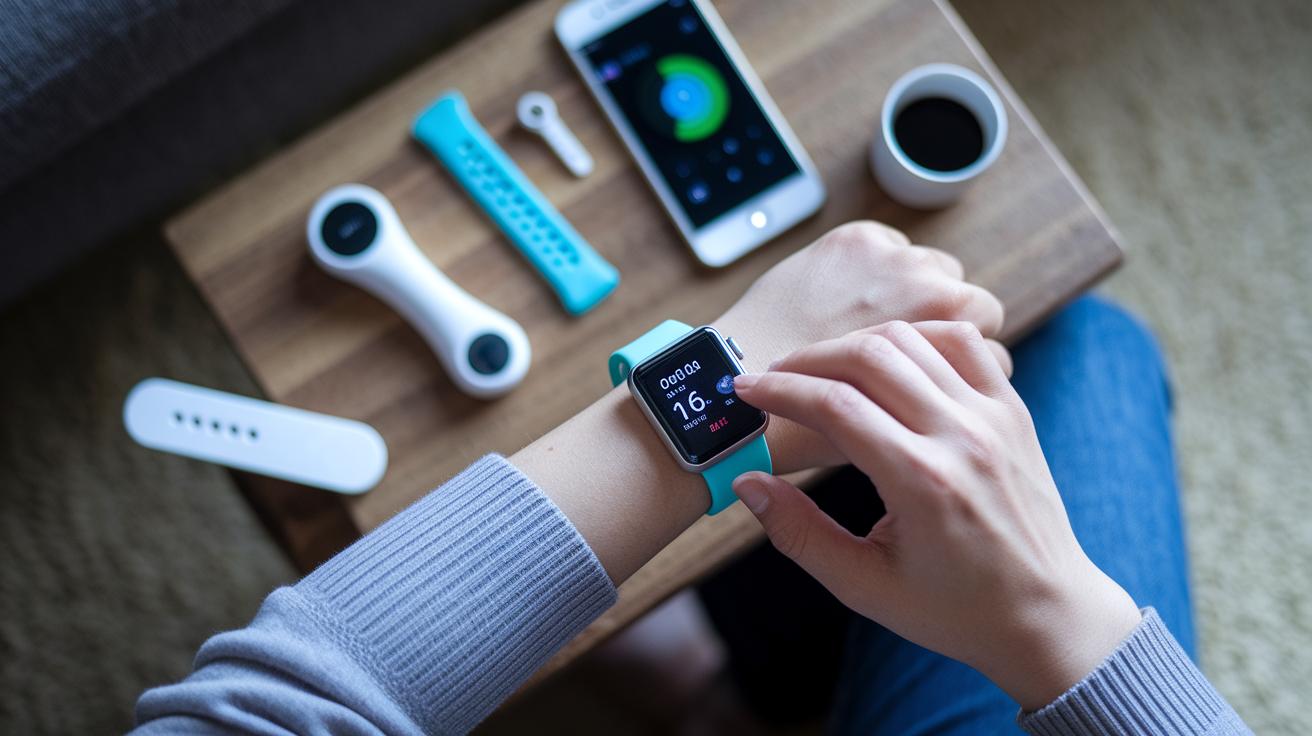
Your smartphone already comes with basic step and sleep trackers that give you a quick look at your daily moves and rest. Wearables like Apple Watch, Garmin, Oura, and Fitbit go a bit further by automatically tracking things like your heart rate, heart rate variability (that’s just a fancy way to say how your heartbeat changes day-to-day), and your sleep stages. Imagine glancing at your wrist in the morning and seeing a clear snapshot of how well you slept. It’s pretty neat how the tech you already use can help you spot even tiny shifts in your overall health.
For a more complete picture, try pairing your phone and wearable with extra tools like Bluetooth scales, continuous glucose monitors, and pulse oximeters, all of which sync up with mobile apps. This extra equipment builds a big picture of your health trends over time. When you’re picking tools, think about how well they work with each other, if you can easily export your data, and how friendly they are to use. Some wellness apps even let you log symptoms right in the app, check out the Top Symptom Tracking Apps Review 2024 for more info.
Monitoring Key Health Metrics and Understanding Your Data
When you take a closer look at your health data, you’re not just checking off numbers. Instead, you start to see patterns that can really help guide your decisions. For example, if you notice that your sleep quality has been dipping over a few weeks, it might be a sign to change up your bedtime routine. Ever wonder how a simple tweak to your evening habits could boost your energy the next day? Research even backs up that small changes in sleep quality can lead to big shifts in how you feel.
Sometimes, it’s the little details that matter. Look at your body composition, for instance. Comparing lean muscle to fat mass can reveal improvements that a simple scale reading might miss. And tracking active minutes along with your step count can show how different kinds of movement build your stamina. By keeping an eye on these trends, you can make smart tweaks to your routine without getting bogged down in endless numbers.
| Metric | Description |
|---|---|
| Heart Rate & HRV | Heart rate and its natural variations between beats to gauge overall heart health |
| Systolic & Diastolic Blood Pressure | The two numbers that reflect how hard your heart is working to pump blood |
| Body Composition | Breakdown of BMI, fat mass, and lean muscle to see overall fitness improvements |
| Sleep Duration & Quality | How long you sleep and how restful those sleep hours are |
| Daily Step Count & Active Minutes | Measures of movement that show how active you are throughout the day |
| Calorie Expenditure & Intake | Tracks the calories you burn and consume to help balance your energy |
| Macronutrient Distribution | Breakdown of carbs, fats, and proteins to see if your meals are balanced |
| Blood Oxygen Saturation & Glucose Trends | Monitors your body’s oxygen levels and blood sugar for overall wellness |
Advanced Analysis of Tracked Health Metrics

Health platforms today bring all your data into one clear view, making it easier to understand what your body is telling you. They combine details like your heart rate, sleep patterns, and blood sugar readings into interactive dashboards you can explore quickly. It’s a bit like putting together a puzzle from your everyday life, when everything fits in one spot, you start to notice patterns and trends that might otherwise slip by.
Smart, algorithm-driven tools take out the guesswork when you review your health stats. These systems automatically build simple reports and visual charts to show your progress over time. For instance, if you have a week of restless sleep followed by a jump in blood pressure, the system alerts you, nudging you to think about changing your evening routine. This step-by-step view makes it easy to see how small daily changes can impact your well-being.
Understanding the links in your own data is key to fine-tuning your lifestyle. Advanced tools help highlight trends like lower sleep quality coming before higher blood pressure, or how variations in physical activity can affect your heart rate variability [the natural variation between heartbeats]. This deeper look turns complex numbers into straightforward, practical advice, giving you clear guidance to boost your overall health.
Ensuring Accuracy and Consistency in Health Metric Tracking
Make sure you keep your devices, like blood pressure cuffs and scales, calibrated so your readings stay accurate. It really helps when you take your measurements at the same time each day under similar conditions, cutting down on unexpected ups and downs in your data. For example, try checking your heart rate right after you wake up; this simple change can help you spot trends over time. Next, set weekly or monthly check-ins to review your progress. Small habits really add up. One simple routine might be, "I check my weight, blood pressure, and heart rate at the same time every day, and I see clearer patterns in my overall health."
Also, jot down when you take your medications along with any symptoms you experience. Doing this can show you how different treatments or changes in your routine are affecting your health numbers. Keeping consistent records gives you a clear snapshot of your progress and makes it easier to adjust your routine as needed. Think of it like writing in a diary about your well-being, it’s straightforward, clear, and really empowering.
Final Words
In the action, this article showed how to track health metrics by guiding you through defining clear goals, choosing the right tools, and focusing on key indicators like heart rate and sleep quality. It explained practical steps to measure fitness progress and log vital signs, while building confidence in using data for better wellness.
Every step helps you maintain accurate records and make smart decisions that boost daily energy and overall well-being. Moving forward, use these insights to guide your path to improved health management.
FAQ
How can I track health metrics using Reddit tips, mobile apps, or at home for free?
Tracking health metrics means using community advice from Reddit, free mobile apps, and at-home devices like wearables or smart scales. These tools let you record vital signs and other indicators for better health insights.
How can I fix or access my Fitbit health metrics on the dashboard?
Seeing issues with your Fitbit dashboard can mean a syncing or settings glitch. Check your connections and update the app to ensure your heart rate, sleep, and activity data appear as expected.
What are examples of key health metrics used for measuring wellbeing?
Key examples include heart rate, blood pressure, sleep duration, daily step count, calorie intake, and similar indicators. These measurements provide a simple snapshot to help you adjust your lifestyle and support overall health.
How can I track my health records regularly?
Tracking your health records involves keeping a digital log or printed notes on doctor visits, test results, and vital signs. Regular entries let you notice trends and make well-informed health choices.
How do I determine the best way to measure health and find a good health metric?
Determining the best way to measure health means combining several metrics, like heart rate variability, sleep quality, and activity data. This blended approach gives you a clear picture of your overall wellbeing.

