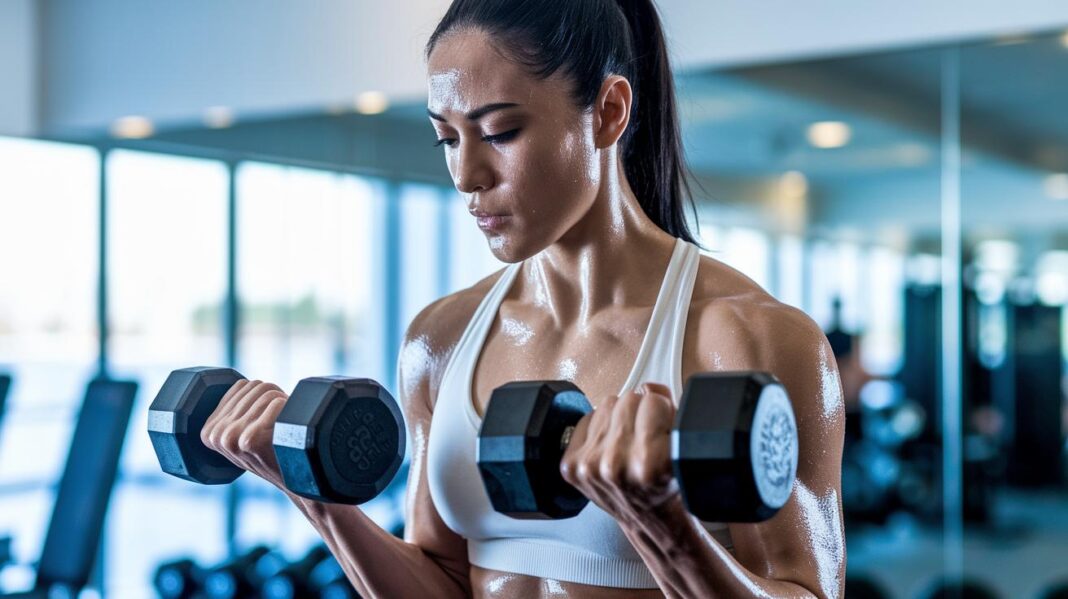
Have you ever thought about adding weights to your HIIT workout? Mixing quick bursts of activity with strength exercises can help you build muscle and burn fat even after your session is over.
This routine isn’t just about getting your heart rate up. It works your whole body while keeping your muscles lean. In just 35 minutes, you’ll break a sweat with weight moves and fast intervals that work together for a stronger, toned look.
Give it a try and see how this method can refresh your workout routine.
Structured Full-Body HIIT Session with Weights
This routine mixes short, high-energy bursts with quick recovery breaks and weight training to boost your strength, stamina, and fat burn. By adding weights to fast-paced intervals, you protect your lean muscle while working many muscle groups at once. This gives you an advantage over regular cardio, which might cause muscle loss when you’re cutting calories. Whether you work out at home or in a gym with dumbbells, kettlebells, or weight plates, this method helps you hit your fitness goals faster.
This 35-minute session is built to get your heart pumping and your muscles working hard, thanks to dumbbell supersets. You’ll do quick, 20- to 30-second bursts followed by short rests. This pattern helps your body burn extra calories even after you finish, thanks to a process called excess post-exercise oxygen consumption (that’s when your body uses more oxygen to recover). Pairing two exercises back-to-back with little rest means you build strength and get a cardio boost at the same time. It really pushes you every step of the way.
Here are the eight exercise superset pairs you’ll do:
- Curtsy Lunge with Runner Lunge: Shift your weight with each move to strengthen both your inner and outer thighs while testing your balance.
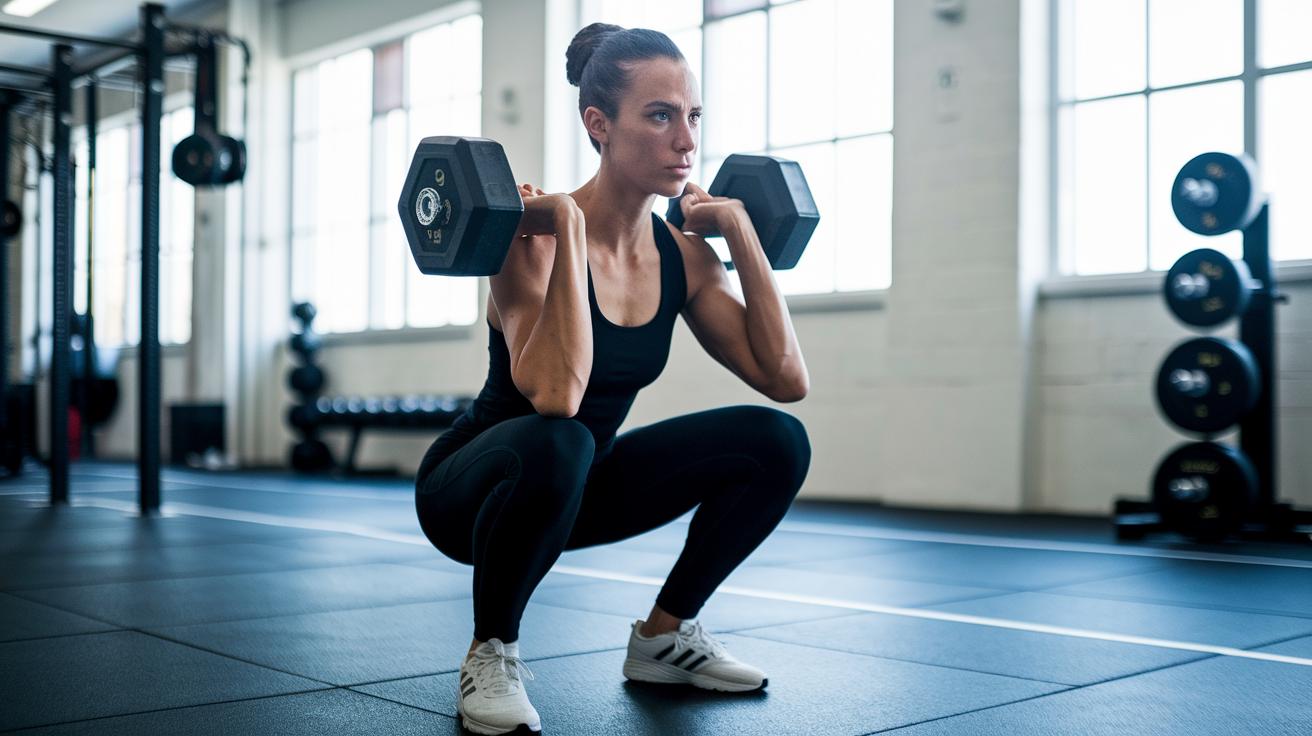
- Dumbbell Squat with Dumbbell Touch and Jack: Sink into a deep squat with weights, then switch into a dynamic move that fires up your legs and heart rate.
- Back Row with Bicep Curl combined with Push Up Burpee and Overhead Press: Mix pulling and pushing moves for a solid upper-body and core workout.
- Standing Chest Fly with Reverse Grip Front Raise paired with Double Jab and Press Jack: Keep your moves smooth and steady to work your chest, shoulders, and arms while giving your heart a workout.
Essential Equipment for Weighted HIIT Workouts
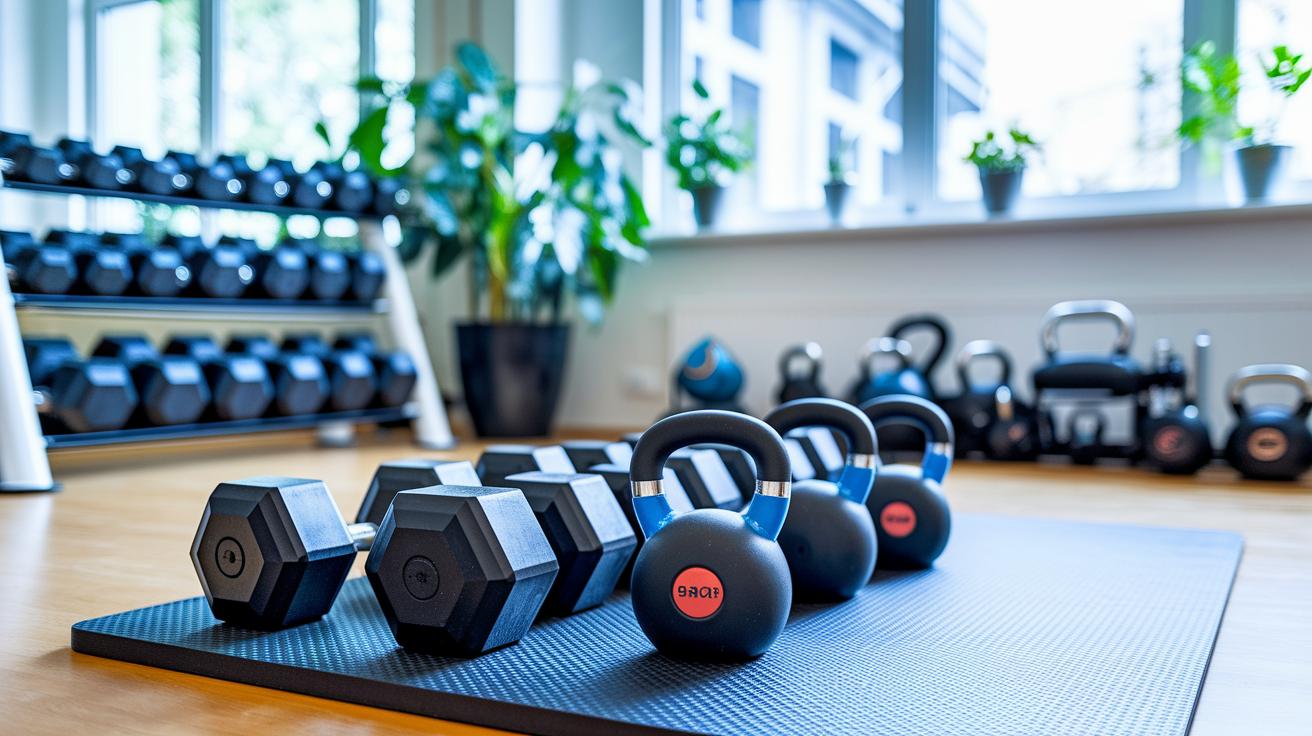
When you're getting ready for a HIIT session with weights, having the right tools really makes a difference. Start with a solid pair of dumbbells weighing between 5 and 25 pounds, pick what suits your fitness level best. They work great for balancing muscle strength and fitting into almost any at-home HIIT routine.
Kettlebells, around 10 to 30 pounds, are a smart addition too. They help boost your dynamic moves, like swings, by working several muscles at the same time.
Another handy option is weighted plates. These let you slowly build up resistance as you get stronger, so you can keep your movements controlled and safe. It’s best to begin with a moderate load and increase gradually. Plus, think about what fits your space, budget, and fitness goals, whether you’re working out in a snug home gym or somewhere bigger.
For a complete setup, gather these essentials:
- Dumbbells (5–25 lbs)
- Kettlebells (10–30 lbs)
- Weighted plates for gradual resistance
- An exercise mat for extra support during floor moves
Each piece of equipment helps you take one more step toward a healthier, stronger you. Enjoy your workout journey!
Proper Form and Technique in HIIT Workout with Weights
Start by checking your posture. Stand with your feet about as wide as your hips, keep your back straight, and tighten your tummy with every move. This basic stance makes your workout both safe and effective. Think of it like getting ready for a sprint, you’re balanced and firm so every lift and jump feels secure.
Keeping your joints lined up and your movements smooth is also very important. When you do lunges or squats, bend your knees to about 90 degrees. And when you perform presses or rows, keep your shoulders pulled back. Move slowly and steadily, let your muscles do the work instead of just relying on momentum. Picture lowering into a squat slowly and then rising at a steady pace to really target the right muscles.
Safety is key in any HIIT routine. High-intensity workouts push you hard, so check with your doctor before starting. Avoid daily weight sessions; instead, limit them to a few days each week so your body can rest. Rotating your routine every 8 to 12 weeks can also help prevent injuries. For more details, see what exercise science says about injury prevention. Listen to your body and take your time with each controlled move to get the most out of your workout safely.
Timing and Interval Structure for HIIT Workout with Weights
If you're looking to take your workout to the next level, try some advanced tweaks that zero in on your specific fitness aims. For example, if you want to tone your muscles, consider adding an extra second of hard work to each weighted move or even bumping up the weights a bit. Interestingly, some athletes have seen big strength gains just by extending the burst time by a few seconds during moves like squats and push presses.
For those wanting to build endurance, try lengthening your active rest between sets. This small change can help you keep a steady pace throughout longer sessions, all without cutting back on the workout intensity.
Below is a simple guide to help you fine-tune your routine:
| Fitness Goal | Modification |
|---|---|
| Muscle Toning | Increase the weight and add one extra second to high-intensity bursts |
| Endurance Building | Extend the time of your active recovery to keep up the performance longer |
Try out these tweaks during your workout to find the strategy that best fits your fitness journey.
hiit workout with weights: Tone and Burn Fast
When you’re just starting out, keep things simple by sticking with bodyweight moves or using light dumbbells. Begin with 2–3 rounds and give yourself a break of about 20–30 seconds between each round. Think of it like doing gentle lunges, then pausing for 25 seconds, this way, your muscles get time to recover as you build your confidence and control.
If you’re at an intermediate level, try stepping it up with moderate weights and a 20/10 interval format. This means you work hard for 20 seconds and then take a 10-second rest, repeating the cycle for 4–5 rounds. Imagine holding a 10-pound dumbbell during each burst of movement. This keeps your heart pumping while helping you maintain good form. Changing your intervals like this boosts your endurance while still challenging your strength.
For advanced lifters, ramp up the intensity by using heavier weights and shortening your rest to 5–10 seconds. You can also mix in dynamic moves, such as light plyometric jumps, between sets to really push your limits over 6–8 rounds. Picture doing a compound squat with a 20-pound dumbbell and then quickly jumping for that extra burn. Switching up your exercises or adjusting your interval scheme every 4–6 weeks is a smart move to keep your muscles adapting and avoid plateaus.
Safety Guidelines and Recovery Tips for HIIT with Weights
Before you jump into high-intensity workouts with weights, chat with your doctor to make sure you’re ready for the challenge. High-intensity sessions push your body a lot, so getting medical clearance keeps you on the safe side. Also, give your muscles the break they need by doing weighted HIIT just two or three times a week.
Staying hydrated is a must. Drink water before, during, and after your workout to keep your energy up and your muscles happy. Taking short breaks can help your body handle stress better, too. Trust your body, if you start feeling too tired or sore, ease off a bit.
After your workout, simple recovery steps can really help. Try using a foam roller (check it out here: https://fitandglossy.com?p=484) or doing some stretching to ease muscle tightness and boost recovery. These practices not only calm your muscles but also prep you nicely for your next session.
Tracking Progress and Scheduling HIIT Workout with Weights
Try to plan your HIIT workouts with weights two to four times a week. Make sure to set aside days for rest or lighter exercise so your body can recover and get stronger.
Pay attention to the key numbers in your workout. Keep track of how much weight you use, how many reps you do during each interval, and how many rounds you complete overall. Also, check your heart rate zones (this shows how hard your heart is working) and notice how tired you feel. If you ever feel overwhelmed, it’s easy to adjust your workout to keep things balanced.
Write down your workout details in a fitness app or a simple journal. Every two or three weeks, try increasing the weight or adding a few more rounds, about a 5-10% boost works well. This way, your routine stays exciting and you can clearly see your progress. Regularly looking over your records helps you spot those small wins and makes it easier to safely challenge yourself each time.
Final Words
In the action, this article laid out a clear, full-body routine combining strength and heart-rate boosts, along with simple equipment tips and safety pointers. Each section offered tips on form, interval timing and modifications to suit different fitness levels. Short recaps on recovery, tracking, and practical execution made the content feel like a friendly nudge toward better health management. The insights here show that a well-rounded hiit workout with weights can add a powerful spark to your routine. Keep moving and stay positive.
FAQ
Full body hiit workout with weights
The full body HIIT workout with weights incorporates compound movements using dumbbells or kettlebells to continuously challenge the entire body, fusing cardio bursts with resistance training for enhanced strength and calorie burn.
30 minute hiit workout with weights
The 30 minute HIIT workout with weights efficiently blends intense intervals and resistance exercises, offering a balanced mix of strength and cardio to boost metabolism and improve overall endurance.
HIIT workout with weights 20 minutes
The 20 minute HIIT workout with weights delivers a compact routine with quick bursts of high-intensity cardio paired with resistance moves to maximize fat loss and muscle engagement in a short timeframe.
Sample HIIT workout with weights
The sample HIIT workout with weights outlines a structured plan that alternates between resistance exercises and cardio bursts, serving as an accessible guide to boost overall fitness in one session.
HIIT workout with weights for Beginners
The HIIT workout with weights for beginners encourages starting with lighter loads and longer rest periods, allowing newcomers to build strength gradually while mastering proper form and technique.
45 minute HIIT workout with weights
The 45 minute HIIT workout with weights offers an extended session to progressively increase work-rest cycles, enabling improved muscular endurance and cardiovascular fitness over a longer period.
Hiit workout with weights advanced
The advanced HIIT workout with weights intensifies both resistance and speed, challenging muscle endurance and incorporating plyometric moves to further enhance strength and overall conditioning.
Hiit workout with weights no repeat
The HIIT workout with weights no repeat approach cycles through varied exercises, preventing boredom and ensuring comprehensive muscle engagement by continuously challenging different muscle groups.
Can you do a HIIT workout with weights?
The possibility to do a HIIT workout with weights exists since integrating resistance training with cardio bursts can improve muscle tone and heart health, resulting in an effective exercise routine.
Can I combine weight lifting and HIIT?
The combination of weight lifting and HIIT effectively blends strength training with high-intensity intervals to boost metabolism, improve stamina, and help sustain lean muscle mass.
Is 30 minutes of HIIT exercise a day enough?
The 30-minute HIIT exercise a day routine can be enough to enhance cardiovascular health and burn calories, though results depend on individual fitness levels and workout intensity.
Are 20 minute HIIT workouts effective?
The effectiveness of 20 minute HIIT workouts stems from their high intensity; these short sessions stimulate calorie burn and boost muscle endurance, making them a practical option for busy schedules.

