
Have you ever wondered why where you live might affect your health more than even your doctor’s care? Studies show that up to 90% of our health is shaped by our surroundings. That means local factors like the economy, the quality of schools, and how easy it is to get help when you’re sick are super important.
It all comes down to the community we live in. When you have stable housing and a good education system, it helps keep illnesses at bay and builds a healthier future for everyone. It might seem surprising, but little changes in our neighborhoods can lead to big improvements in our well-being.
Stick with us as we explore how simple shifts in our community can make a real difference in our lives. Isn’t it amazing how the place around us can shape our health every day?
Understanding Social Determinants in Disease Prevention
Social determinants of health are the non-medical factors that shape our everyday lives. They include the places where we live, learn, work, and play. In other words, things like a community's economy, the quality of schools, how easy it is to get healthcare, and even the neighborhood itself all play a big role in our well-being. Studies tell us that only about 10–20% of health outcomes are linked to medical care. The rest, roughly 80–90%, comes from these broader social factors. Simply put, your surroundings and the resources available to you can influence your health even more than direct medical treatments.
- Economic stability
- Education access and quality
- Healthcare access and quality
- Neighborhood and built environment
- Social and community context
When it comes to preventing disease, these five areas give us a clear roadmap. For example, having stable housing and a reliable income can lower stress and cut down the risk of getting infections. Good quality education helps people learn to make smarter health choices. On the other hand, not having enough access to healthcare, like the 10.8% of working-age adults who were uninsured in 2022, can delay finding and treating diseases. Similarly, living in a food desert means that urban residents might have to travel over 1 mile and rural residents over 10 miles to reach a supermarket. This lack of nearby nutritious food often leads to poor diets and higher rates of chronic illnesses. Paying attention to these social factors is key to lowering lifestyle risks and improving access to preventive care.
Economic and Educational Social Determinants in Disease Prevention

Unstable housing and low income can really change how diseases spread. In many cities, affordable housing projects have helped cut infection rates by around 20%. Imagine a family moving into a safe, well-kept home, less crowding and better hygiene make a big difference. One city study even showed that putting money into housing stability can reduce infection risks by more than 15%.
Education also plays a big role in health. Schools that don’t have enough resources often stick with old materials, making it hard for students to learn simple health facts. When schools upgrade textbooks and join forces with local health experts, studies have seen a 30% boost in healthy habits. Think of a school that swaps its old nutritional guide for an interactive program, giving students smart choices about their diets.
It turns out that when people have lower literacy levels, they’re less likely to get preventive screenings. Data from public health offices tells us that when communities get better, up-to-date health education, screening rates can go up by as much as 15%. Picture a neighborhood that puts up easy-to-read guides about preventing illness, this kind of clear information really motivates people to look after their health.
Healthcare Access and Neighborhood Social Determinants for Prevention
When people don’t have proper health coverage, they might put off visiting the doctor. This delay can mean that health issues are spotted later than they should be. Neighborhood factors, like a lack of healthy food and basic services, can make these delays even tougher.
In some city areas, folks might have to travel over 1 mile, and in rural spots, even more than 10 miles, just to reach a supermarket with fresh fruits and veggies. These travel distances show how our everyday environment can impact our diet and health.
| Area Type | Distance to Supermarket | Associated Health Impact |
|---|---|---|
| Urban | Over 1 mile | Less access to nutritious food can raise the risk of diet-related issues. |
| Rural | Over 10 miles | Longer distances make it harder to get fresh produce, which can increase the risk of chronic diseases. |
Local community spots like food banks and low-cost clinics really help break down these barriers. They connect people to early care, catching small problems before they turn big.
Examples:
- A clinic could host a free screening that catches an issue early, turning a potential crisis into a positive outcome.
- A food bank expanding its fresh produce selection can make a big difference for families trying to eat healthier.
Community and Policy Interventions on Social Determinants in Disease Prevention
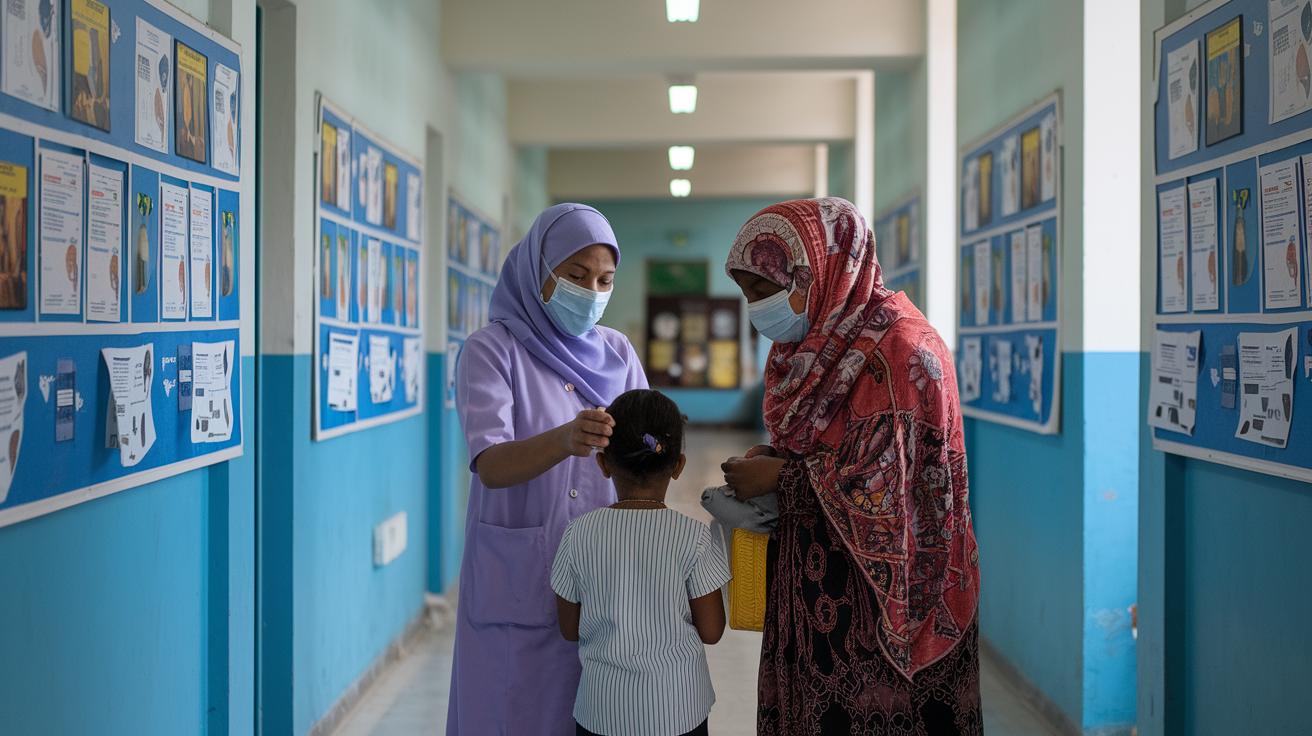
Local and federal projects are trying new ways to help with everyday needs that affect our health. For example, some hospitals now run special programs for kids that help with housing, food, and transportation. These small steps are already showing real improvements in health. Programs like CMS’s five-year Accountable Health Communities model even guide patients to services that help lower risks and boost overall well-being.
Payment models are changing too. Now, providers can earn rewards when they meet social goals. For instance, groups like Accountable Care Organizations might receive extra funds when a community sees fewer issues with obesity or tobacco use. It’s like getting a bonus for making life a bit easier. This change encourages healthcare teams to work with local partners, for example, by hosting free screenings or setting up cheaper transport options.
New ideas are blending community data with electronic health records so doctors can quickly see if someone struggles with housing, food, or transport. Imagine filling out a short digital form that alerts your care team if you need help with food access; this means risks can be spotted early and care can be tailored to what you truly need.
Working together makes a big difference. By inviting local leaders, community groups, and health agencies to shape policies, these ideas turn into real improvements. When everyone has a voice, the plans fit better with daily life and lead to healthier, happier communities.
Evaluating and Advancing Equitable Social Determinants Strategies for Disease Prevention
When picking and expanding social health initiatives, we consider things like the community’s readiness, the potential return on investment, and ways to save costs. For example, if local leaders are behind a program and it promises to cut down on emergency visits, it often gets top priority. Setting clear guidelines makes it easier to choose efforts that truly change lives.
It’s important to strike a balance. Sure, addressing gaps like food insecurity matters, but building up community strengths is just as vital. It’s a bit like fixing a leaky roof, you mend the broken parts while making sure the whole structure stays strong. This blend of boosting assets and fixing deficits helps communities flourish without turning everyday hurdles into full-blown medical issues.
Working together across different sectors makes all the difference. Health services, local government, and community groups can really level up when they share data, resources, and even financial risks. This type of collaboration creates a safety net where everyone contributes and reaps the benefits of better outcomes.
Lastly, new kinds of measurement go beyond just tracking disease rates. We now look at markers like purpose, connection, and hope to get a fuller picture of well-being. These broader indicators help us see how empowered people feel, making it easier to track progress in building healthier and more connected communities.
Final Words
In the action, we reviewed how economic stability, education, healthcare access and community support shape our health outcomes. We looked at non-medical factors like housing, neighborhood quality and community resources that play a big role in preventive care. The article shared handy stats on insurance coverage and food access differences, which affect daily well-being. Using these insights, social determinants in disease prevention can help guide data-informed choices for healthier lives and improved vitality.
FAQ
Q: What are social determinants of health?
A: The social determinants of health refer to non-medical factors like economic stability, education, healthcare quality, neighborhood conditions, and social context that shape overall well-being.
Q: What are the five social determinants of health instead of 12 factors?
A: The social determinants of health focus on five key areas—economic stability, education access, healthcare quality, neighborhood environment, and social context—even though some lists include more factors based on different models.
Q: What are some examples of social determinants of health?
A: The social determinants of health include factors like stable housing, quality education, accessible healthcare, safe neighborhoods, and strong social networks that influence overall health outcomes.
Q: How do social determinants impact mental health?
A: The social determinants of mental health impact wellbeing by shaping factors such as community support and access to care, which can influence stress levels, coping ability, and overall mental wellness.
Q: Why are social determinants important for disease prevention?
A: The social determinants of health drive most health outcomes by influencing our environments and lifestyles, making them key areas to address for effective disease prevention strategies.
Q: What does the CDC say about social determinants of health?
A: The social determinants of health, as noted by the CDC, include factors like economic, educational, and neighborhood conditions that significantly impact overall health outcomes and guide public health strategies.
Q: How do social determinants affect disease prevention and what is a key determinant?
A: The social determinants of health affect disease prevention by influencing access to care, nutrition, and safe environments, with key determinants including reliable healthcare access and quality community resources.
Q: What are considered the social determinants of healthcare?
A: The social determinants of healthcare include economic stability, education access, healthcare quality, neighborhood environment, and social context, which together determine how well healthcare services are delivered and received.
Q: What interventions target social determinants of health?
A: Social determinants of health interventions are programs and policies that address issues like housing, food access, and healthcare availability, helping to improve overall health outcomes and prevent disease.
Q: What is a Social Determinants of Health PDF?
A: A Social Determinants of Health PDF is a document that summarizes the non-medical factors affecting health, offering data, examples, and visual aids for a clear understanding of these key health influences.

