
Have you ever wondered if the food you eat can help protect our planet? It might seem a little surprising, but choosing a balanced diet can boost your health and ease the strain on our environment.
When you include more fruits, veggies, and whole grains in your meals, you're also helping to lower greenhouse gas pollution and protect our land. Your everyday food choices really matter, they can cut down waste and avoid harmful farming practices.
In other words, smart eating not only nourishes your body, it also supports a healthier, greener planet.
Balanced Diet Benefits for Environmental Sustainability: Green Future
When we put balanced meals on our plates, we cut down on greenhouse gas emissions and ease the pressure on our land. By choosing more vegetables, fruits, whole grains, legumes, nuts, and unsaturated oils, we can lower the overall impact of food systems, which are behind up to 35% of global greenhouse gas output. Eating at least five servings of fruits and veggies daily not only keeps us healthier but also means there’s less need for intensive farming practices that hurt the environment.
When we pick food rich in nutrients, we can help save land from being overused and shrink our personal carbon footprints. Plant-based options require fewer resources than high-emission animal products, which means we need less farmland. Plus, planning our meals carefully can fight against the roughly 30% of food that goes to waste every year, a practice that adds about 10% more to greenhouse gas emissions.
- Less greenhouse gas emissions from livestock
- Reduced conversion of natural land
- Better soil carbon retention
- Less resource waste
- Stronger protection for biodiversity
A balanced diet also builds healthier ecosystems by backing sustainable farming and more thoughtful eating habits. With a bit of smart meal planning, communities can boost their own well-being while helping the Earth stay strong, opening up a green future for everyone.
Plant-based Nutrition in a Balanced, Sustainable Diet
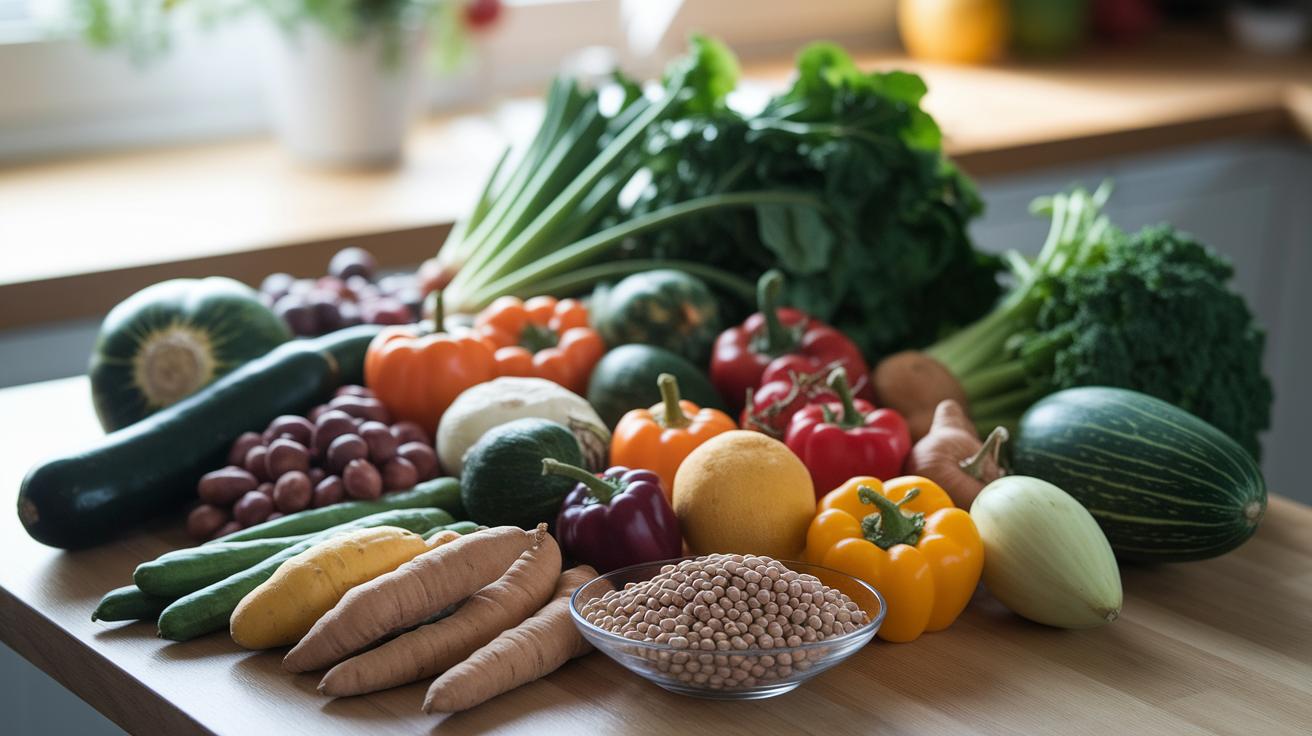
Switching to more plant-based meals can really help our planet. For example, choosing vegetarian or vegan options might cut harmful emissions by nearly half and save a lot of land for nature. While water savings can differ, eating more green foods still makes a big difference. A flexible plan that includes plant proteins is the key to a meal strategy that cares for the climate.
This balanced way of eating isn’t just good for the earth, it can boost your health too. Foods like beans, nuts, and tofu pack important nutrients and may lower the chances of chronic diseases. And hey, you don’t have to ditch all animal products; including a bit of fish, chicken, or dairy can round out your nutrition nicely. Many people mix plant-based choices with a few animal foods to keep their diet balanced and satisfying.
If you’re aiming for a more sustainable diet, try adding beans, lentils, and tofu into your meals. Experiment by swapping some meat for these plant proteins to create a wholesome plate. It’s a simple, friendly step towards a diet that’s as kind to your body as it is to the planet. Check out this balanced diet for vegetarians for more tips: balanced diet for vegetarians.
Minimizing Food Waste in Balanced Diet Practices
Did you know that nearly one-third of all the food we produce ends up in the trash? This waste not only squanders precious resources but also adds about 10% to total greenhouse gas emissions. By using food more wisely, we can help our bodies and our planet.
A few simple habits can make a big difference:
- Compost food scraps at home to create rich soil for your garden.
- Try batch cooking to better control portions and save time.
- Organize your fridge so that older items get used first.
- Measure portions to cook just the right amount.
- Plan your meals ahead of time to avoid buying too much.
- Keep your fridge cool, between 1 and 4°C, to slow food spoilage.
When you cut down on food waste, every meal you prepare supports a healthier, more sustainable system. It’s a small change that can have a big impact on our world.
Local and Seasonal Sourcing in Balanced Diets
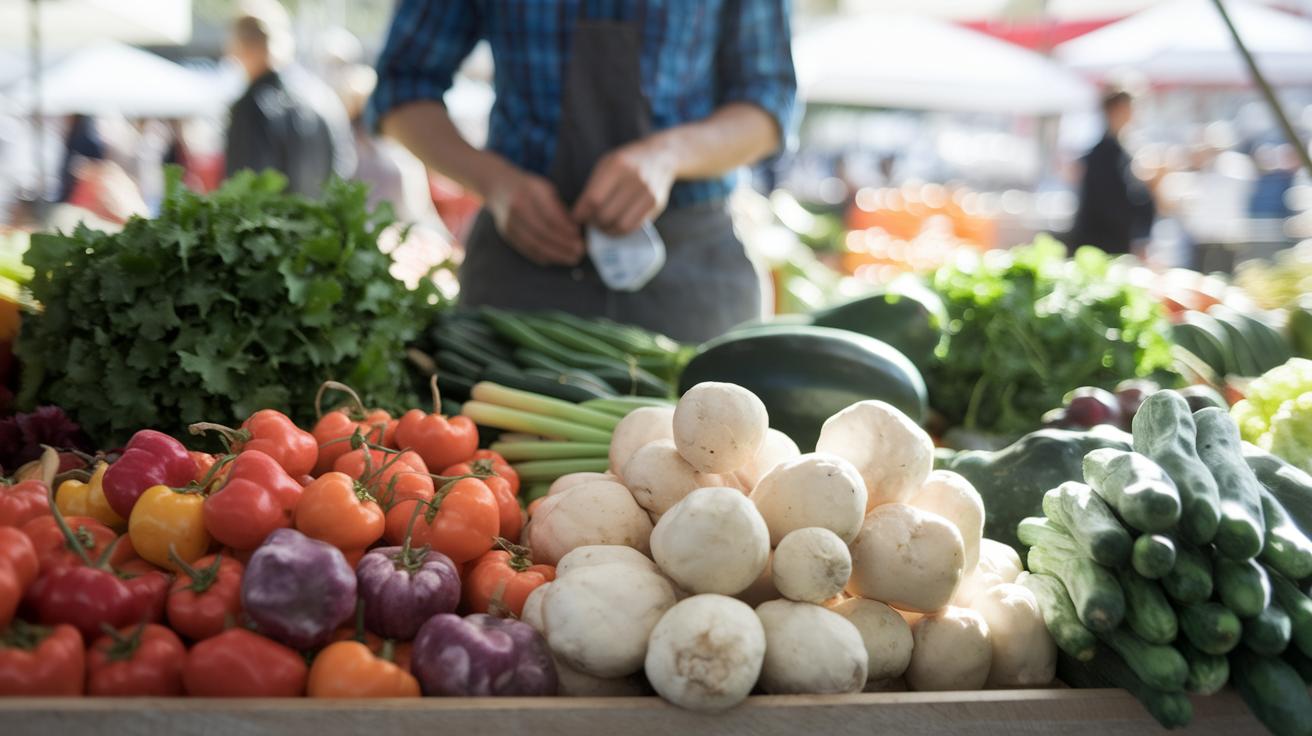
Local food sourcing cuts the distance food has to travel from the farm to your table, which means fewer emissions from transport. Fruits and vegetables grown in season take shorter trips, traveling 30–50% fewer miles. This not only lowers carbon emissions by up to 25% but also lets you enjoy ingredients at their very best. Local farmers markets and community-supported agriculture help ensure fair trade and boost nearby economies, bringing people and producers closer together.
Choosing locally sourced, seasonal food supports a greener food system. It also uses less energy in transport and storage, activities that can add up to 11–29% of a meal’s total carbon footprint. By buying local, you can enjoy a variety of nutrient-packed meals that celebrate the unique flavors and traditions of your region. Plus, supporting nearby farms builds a sense of pride and makes fresh produce more accessible.
Benefits of Seasonal Produce
- Lower transport emissions
- Higher nutrient density
- Fresher flavors
- Support for local farmers
- Reduced packaging waste
Embracing community-supported agriculture and the variety of seasonal produce not only uplifts local economies but also keeps our culinary traditions alive. This approach connects us with the natural rhythm of growing food and adds a thoughtful, mindful touch to our everyday meals, benefiting both our communities and the planet.
Regenerative Agriculture and Balanced Diet Choices
When you buy foods grown using eco-friendly methods, you're not just making a healthy choice for you, you’re also giving farmers a big nudge to use practices that help our soil and boost nature. This simple choice supports a food system built to help nearly 10 billion people by 2050. It’s like giving nature a helping hand.
Choosing food that comes from sustainable practices can really benefit our soil and even save water. Think about farms that use cover cropping or reduce how much they till the land, they build richer soils that hold water better. This means less extra watering is needed, and every bit of what the farm produces gets used well. It’s a smart, natural cycle where nothing goes to waste.
| Practice | Environmental Benefit | Example |
|---|---|---|
| Cover cropping | Boosts soil carbon sequestration | Planting clover between main crops |
| Compost use | Recycles nutrients and cuts waste | Using crop residues as compost |
| Crop rotation | Improves soil fertility and pest control | Alternating legumes with cereals |
| Integrated livestock | Enhances nutrient cycling | Combining grazing with crop farming |
By planning meals with these practices in mind, every bite helps support a greener future. When more people choose foods made with care for the soil and water, farmers are encouraged to keep up these smart, resource-saving methods. It’s all about making thoughtful choices at the dinner table that lead to big, lasting benefits for our planet.
Final Words
in the action, this post brought together ideas on smart food choices, plant-focused options, minimizing waste, local sourcing, and regenerative practices. We explored how each tip can reduce carbon emissions and help our communities thrive.
A balanced diet supports environmental sustainability and lifts everyday health. Small food decisions can add up to big benefits, making life more wholesome and eco-friendly. Keep making those mindful choices, and feel good knowing you're helping create a greener world.
FAQ
What is sustainable nutrition and are there reliable PDF resources?
The sustainable nutrition PDF and definition offer clear guidelines on diets that benefit both personal health and the planet. They detail balanced eating, waste reduction, and nutrient-rich alternatives.
Why is food sustainability important?
The importance of food sustainability lies in reducing greenhouse gas emissions and conserving resources. It supports nutritious diets and eco-friendly production practices that help protect our environment.
Where can I find food sustainability articles and journals?
Food sustainability articles and journals provide expert insights and real-world examples of eco-friendly food practices. These resources offer reliable case studies and research on sustainable food production.
What are some examples of food sustainability?
Food sustainability examples include plant-based diets, reduced food waste, locally sourced ingredients, seasonal produce, and regenerative agriculture methods. These choices help lower emissions and foster a healthier planet.
How is sustainability integrated into food production and practices?
Sustainability in food production and practices means using methods that cut resource use, lower emissions, and support balanced diets. It includes strategies like waste minimization, local sourcing, and eco-conscious agriculture.
How do nutrition, healthy eating, and sustainable practices work together to benefit the environment?
Nutrition and healthy eating connect with sustainability by promoting diets rich in fruits, vegetables, and whole grains, which lower greenhouse gases. They encourage mindful consumption that boosts both personal wellness and environmental health.
Which diets best support environmental sustainability and how can we adjust our eating habits?
Balanced diets, especially those favoring plant-rich foods with moderate animal products, best support sustainability. Choosing local, seasonal ingredients and cutting food waste helps shift eating habits toward eco-friendly practices.

