
Have you ever thought that a tiny cut might hide a big risk? Tetanus is a hidden danger that can sneak up on you if you're not careful.
Getting a vaccine is like putting on a strong shield against this harmful bacteria. Keeping up with your shots and cleaning your cuts properly can help you live a safer, healthier life.
In this article, we'll show you how one simple shot and a little extra care can make all the difference. Stick with us to learn how to keep tetanus away for good.
Essential Vaccination Strategies in Prevention of Tetanus Disease
Vaccines are our first line of defense when it comes to preventing tetanus. Getting vaccinated is a simple step that builds your body’s ability to fight off tetanus. It also shows how important regular immunizations are for staying healthy. Unlike the flu or a cold, tetanus bacteria aren’t spread by someone coughing nearby. That’s why protecting yourself with a vaccine is so key.
There are two types of immunization we use. Active immunization involves shots like DTaP, Tdap, or Td. These vaccines teach your body to spot and fight the tetanus toxin over the long run. On the other hand, passive immunization uses tetanus immunoglobulin. This gives you fast, short-term protection, which is useful in emergencies but can’t replace the lasting defense that active immunization offers.
Keeping your immunity strong means getting regular boosters. Most folks need a booster every ten years. However, if you get a particularly dirty wound, your booster might need to come sooner, about every five years, to keep you safe. Almost all cases of tetanus happen because people missed their boosters. Research shows that sticking to these booster schedules is the best way to keep tetanus at bay.
Proper Wound Care Protocols for Prevention of Tetanus Disease
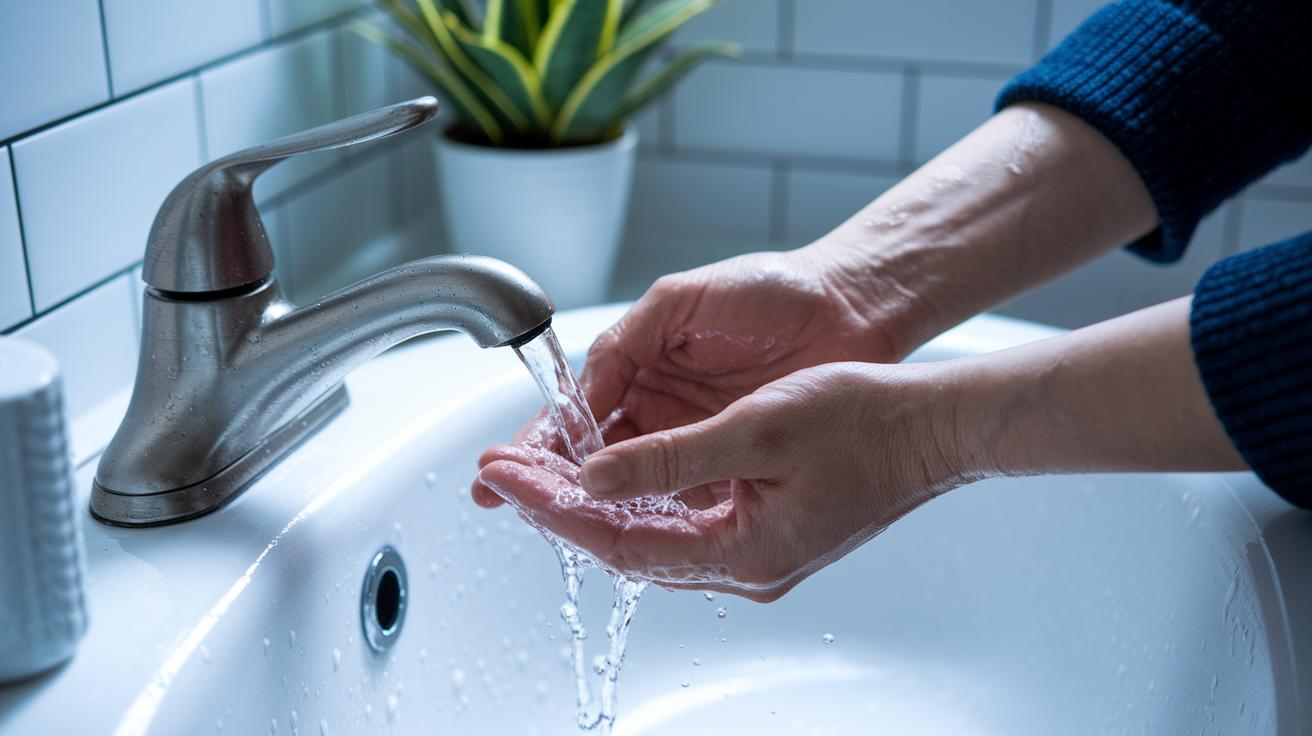
When you get a cut or scrape, cleaning it right away is super important. Even a tiny break in your skin, especially from rusty metal, can let tetanus spores sneak in. Washing it quickly helps to cut down on harmful bacteria and keeps you safer.
- Rinse the wound under running water.
- Gently lather with a mild soap.
- Rinse well, checking to make sure no debris is left.
- Pat it dry using sterile gauze.
- Cover it with a clean, sterile dressing.
After cleaning your wound, keep an eye out for signs of infection like extra redness or swelling. If the cut is deep or very dirty, it’s a smart idea to see a doctor. Also, if you haven’t had a tetanus shot in the last ten years, or five years for a really dirty wound, it might be time for a booster. Taking care quickly and following these steps can help protect you from tetanus and keep you feeling well.
Booster Injection Schedule and Post-Injury Tetanus Vaccination Guidelines
If you haven’t been vaccinated for tetanus before or if your last shot was over ten years ago (or over five years if the wound was super dirty), it’s important to act quickly. When you get a cut or scrape that might expose you to the bacteria, you need both the vaccine and tetanus immunoglobulin right away. The vaccine teaches your body how to fight tetanus, while the immunoglobulin gives you immediate protection until your immune system kicks into gear.
Initial Dose & Immunoglobulin
When you first get care for your wound, you’ll receive your first injection along with tetanus immunoglobulin. Think of this combination like a jump-start for your body. The immunoglobulin provides instant antibodies for quick defense, and the vaccine begins the process of training your immune system against the tetanus toxin.
Second Dose at Four Weeks
About four weeks later, you’ll get a second shot. This booster helps strengthen your initial immune response. It’s like adding another layer of protection to ensure your body builds a stronger and longer-lasting defense.
Third Dose at Six Months
Six months after your first treatment, the third injection is given. This final dose locks in your protection, establishing a solid immune response that should last for years.
After you complete this three-dose series, remember to get a tetanus booster every ten years to keep your defenses up.
Antiseptic Methods and Infection Control Techniques to Prevent Tetanus
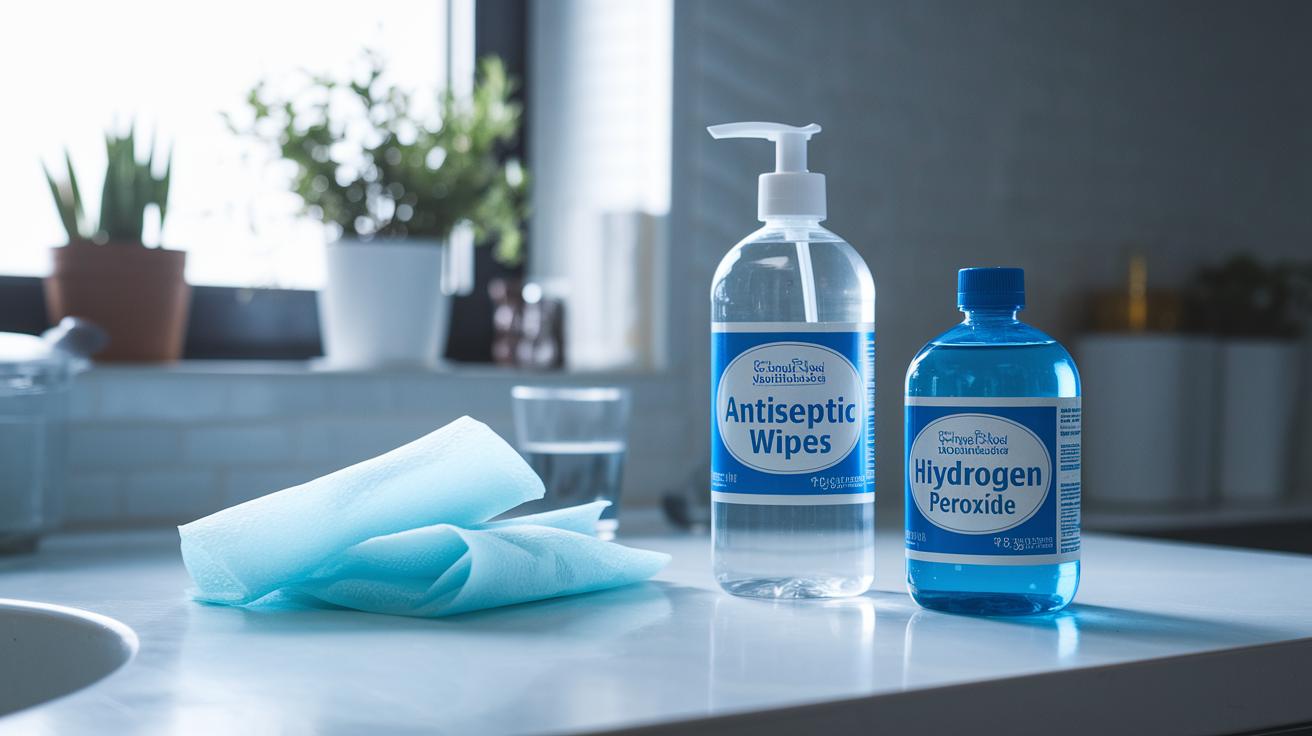
Antiseptics are a key ally in lowering the risk of tetanus by reducing the number of harmful spores. When a cut or scrape gets into contact with soil or rusty objects, using a trusted antiseptic can really make a difference. These products clear away dangerous bacteria and leave a less friendly environment for tetanus spores. Common choices like 70% isopropyl alcohol, povidone-iodine, hydrogen peroxide, and sterile saline have proven effective. For example, an alcohol wipe can quickly drop the number of germs, while sterile saline gently rinses away debris without upsetting your skin.
Keeping the wound area clean is just as important as the initial cleaning. After you apply an antiseptic, using clean dressings and handling the area carefully helps stop new bacteria from getting in. This simple routine not only lowers your chance of tetanus but also helps your wound heal more quickly. Step by step, from picking the right antiseptic to maintaining a clean space, you build a solid defense against infections.
| Antiseptic Agent | Recommended Use | Application Tips |
|---|---|---|
| Alcohol wipes | Quick surface cleaning | Use gently to avoid skin irritation |
| Iodine solution | Deep cleaning of wounds | Dilute if needed and check for allergies |
| Hydrogen peroxide | Initial wound cleaning | Apply sparingly to protect healthy skin |
| Sterile saline | Wound irrigation | Flush out debris without causing irritation |
Natural Methods, Immune System Boosting, and Home Safety in Prevention of Tetanus Disease
Eating well and staying active are simple ways to help your immune system work better. Try adding lean proteins like chicken, beans, or fish, and enjoy fruits and veggies full of vitamins C and D. Drinking lots of water and getting enough sleep all work together, much like making a healthy meal. Each ingredient, protein, fruits, veggies, and water, helps keep your body strong and ready for the day.
Even with these healthy habits, you can’t stop tetanus spores on their own. Sometimes a doctor might give you antibiotics like metronidazole to fight off infections, but that doesn't replace a tetanus vaccine. Home remedies, even the old family tricks, can seem comforting. They might soothe a wound, but without proper vaccination, your body might not be ready to tackle the tetanus toxin.
Recognizing Early Symptoms and Post-Exposure Prophylaxis for Tetanus Prevention

After you come into contact with tetanus, you might start to notice changes anywhere from 3 to 21 days later. Your body may give you small hints that something isn’t right. For example, your jaw might feel stiff or “locked” up, and you could experience a tight neck or spotty muscle spasms. Imagine trying to open your mouth and finding it too tight to move, that’s a clear sign something is off. Paying attention to these early signals can help you get treatment sooner, which is super important in preventing more serious issues.
If you notice any of these symptoms, acting quickly is a must. Getting tetanus immunoglobulin along with a tetanus vaccine within 24 hours can really help stop the toxin in its tracks. In other words, if your jaw, neck, or muscles aren’t feeling normal, don’t wait around. Fast treatment isn’t just a good idea, it can actually be a lifesaver.
Community Outreach and Global Initiatives Supporting Prevention of Tetanus Disease
Routine immunizations during childhood have played a huge role in cutting down tetanus cases in many developed countries. Getting kids vaccinated early builds a strong shield against infections, keeping both individuals and communities safer. It’s a simple, everyday step that has big benefits for public health.
Around the world, the World Health Organization’s Expanded Program on Immunization is reaching out to places that don’t have easy access to vaccines. Mobile clinics travel to remote areas so that everyone, children and adults alike, can get their life-saving shots. These efforts overcome challenges like long distances and limited healthcare facilities. Local health teams work hand-in-hand with community groups to deliver vaccines directly where people need them most, helping to build healthier communities.
Local events that focus on health education and booster shot campaigns make a real difference too. Community programs offer hands-on training in wound care and send regular reminders about booster shots. School vaccination drives also play a key role by teaching families about why vaccines are important and safe. By blending community efforts with global outreach, we are creating many layers of protection against tetanus. Every person taking part in these efforts helps build a stronger, healthier community.
Final Words
In the action, the post took us through key vaccine strategies, wound care best practices, booster schedules, and antiseptic techniques, all essential to prevention of tetanus disease. It explained how immunization trains our bodies, why clean wounds matter, and when to update vaccines after injuries.
Every health tip shared builds a clear picture of how proactive care helps keep us safer. By keeping these tips in mind, staying vigilant, and regularly updating shots, you're set up for a healthier, worry-free future.

