
Have you ever been drawn to diets that promise quick results but leave you feeling off balance? Fad diets might help you lose a few pounds fast, but they often skip on giving your body the essential nutrients it needs. A balanced diet, on the other hand, provides steady improvements by including fruits, vegetables, lean proteins, and grains. In this article, we look at the differences between these eating styles and show why choosing whole foods can be a smarter way to improve your long-term health and well-being.
Balanced Diet vs Fad Diets: Health Benefits and Long-Term Sustainability Compared
When it comes to managing weight and staying healthy, balanced diets and fad diets take very different routes. Fad diets, like Paleo, Ketogenic, or Atkins, promise fast weight loss by slashing calories and cutting out key nutrients. This can easily lead to missing out on vitamins and minerals, and when you go back to your normal eating habits, the weight often comes rushing back. Plus, strict diets can mess up your metabolism, which is especially risky for new moms by affecting breastmilk production. In the end, these extreme diets can stress your relationship with food, making you feel like certain items are off-limits all the time.
| Criterion | Balanced Diet | Fad Diet |
|---|---|---|
| Nutrient Adequacy | Provides a full range of nutrients from various food groups | Often misses key vitamins and minerals |
| Sustainability | Works gradually for lasting change | Short-term and hard to maintain |
| Weight Management Rate | Steady loss of 1–2 pounds per week | Rapid loss with a high chance of regaining weight |
| Metabolic Impact | Keeps your metabolism balanced | Upsets normal metabolism |
| Food Relationship | Promotes moderation and enjoyment | Can create a fear-based approach to eating |
A balanced diet focuses on whole foods and moderation, which means you're fueling your body with everything it needs to thrive. By eating lots of fruits, vegetables, whole grains, lean proteins, and dairy, you give your body all the good stuff while still keeping things flexible. This steady, mindful way of eating helps keep your energy up, supports a healthy metabolism, and builds a positive, long-lasting relationship with food. In short, choosing a balanced diet is a safer bet for ongoing health improvements rather than quick fixes that might harm you in the long run.
Core Principles of a Balanced Diet for Sustainable Nutrition

Think of a balanced diet as a team of good foods working together to keep you energized. When you eat fruits, veggies, whole grains, lean proteins, and dairy, you're giving your body the building blocks it needs to thrive. Even a small change in your routine can pack a big punch.
Did you know that adding just one extra serving of vegetables each day can boost your fiber and vitamin intake? It’s a simple tip that quietly powers up your overall health.
It all comes down to matching the calories you take in with the energy you burn. Instead of making drastic cuts, try aligning your meals with your body’s natural rhythm. This steady approach not only helps with gradual weight loss but also keeps your energy levels stable throughout the day. Plus, leaning on whole foods can keep your blood sugar steady and support a healthy heart, all while nurturing a positive relationship with food.
The Rise and Appeal of Fad Diets: Understanding Short-Term Trends
Fad diets catch our attention by promising quick, eye-catching results with minimal effort. They feature bold claims and high-profile endorsements, making you feel like a fast transformation is just around the corner. Stories like "One celebrity lost 10 pounds in just one week" spark hope and make rapid change seem within reach.
These diets also pull at our heartstrings by offering a break from everyday struggles. The messages create a sense of urgency and personal validation, as if a simple trick could erase long-held insecurities. Instead of focusing on long-term health risks, they highlight the immediate thrill of feeling refreshed and confident.
Health Risks and Pitfalls of Fad Diets
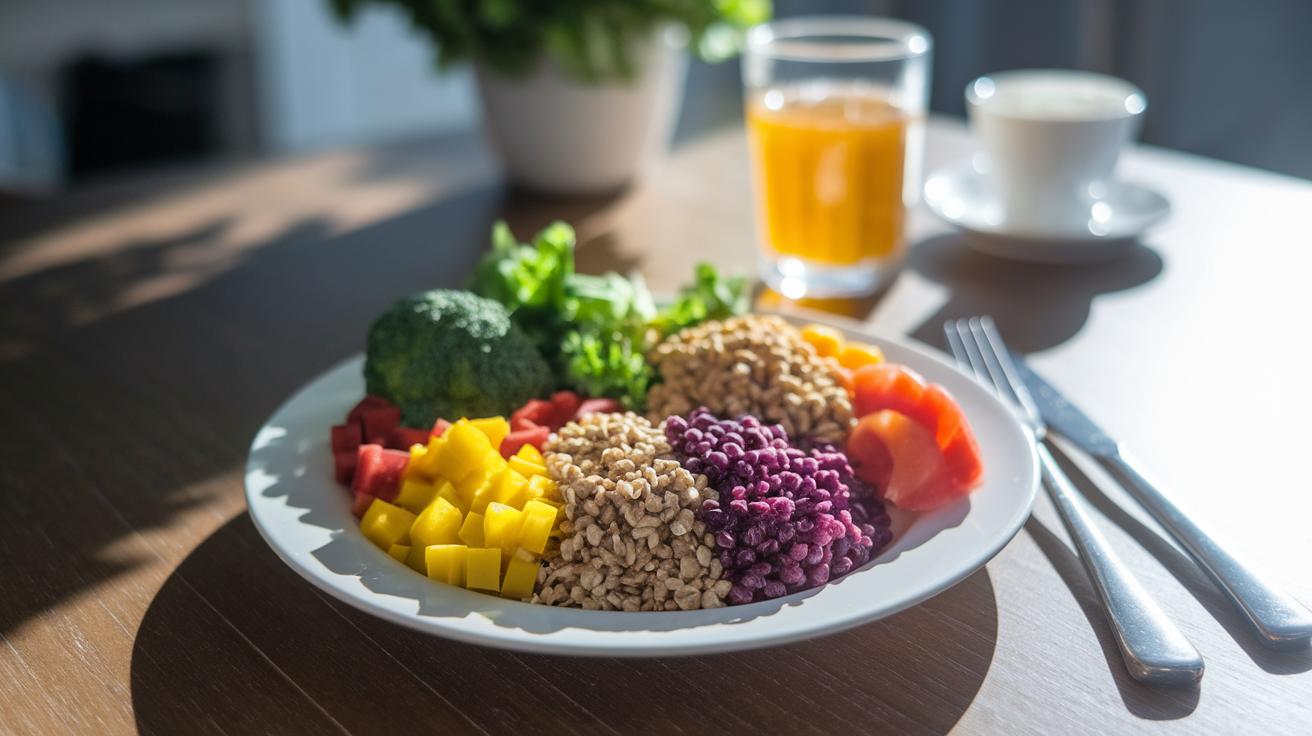
Fad diets can create more problems than they solve. We’ve talked about issues like missing important nutrients and a slow metabolism already. Here are some extra points to keep in mind:
- Cutting calories too drastically can leave you short on iron, calcium, B vitamins, and healthy fats.
- Using fear-based labels like "bad food" might push you toward unhealthy eating habits.
- For new mothers, sticking to very strict diets can lower breastmilk quality and affect a baby’s nutrition.
- Eating only a few types of food can weaken your immune system and sap your energy.
- Rapid weight loss from extreme diets can disrupt your metabolism and make it easier to gain the weight back.
- Very strict eating rules can lead to tummy troubles and a lack of energy.
These extra details show that fad diets can hurt both your body and your mind, making balanced eating a much better choice for long-term health.
Benefits of a Balanced Diet: Sustainable Weight Management and Wellness
Recent studies show that eating a variety of foods can lower inflammation and help muscles recover. One study even found a 15% decrease in inflammation in just three months for people who followed a balanced eating plan. This means that it’s not just about counting calories; it’s also about giving your body the right fuel.
Balanced meals can also help clear your mind. Having foods that keep your blood sugar steady makes it easier to concentrate and feel happier. For example, many office workers noticed a 20% jump in focus after swapping their usual meals for ones filled with proteins, healthy fats, and whole grains. Imagine how different your workday could feel with that kind of boost.
There’s also promising evidence that a balanced diet might help reduce the risk of long-term health issues. In one community health project, people who regularly ate a mix of nutrient-rich foods saw a 10% drop in new cases of metabolic problems. This shows how choosing the right foods can support both your heart and overall health in the long run.
Practical Strategies to Transition from Fad Diets to a Balanced Diet

Begin by taking a good look at what you usually eat. Instead of sticking to strict rules, choose flexible steps that let you mix in more whole foods over time. For example, if you often skip breakfast, try adding a piece of fruit and a bit of yogurt. This little change helps you focus on adding healthy foods rather than cutting things out, setting you up for lasting progress.
Next, set goals that fit smoothly into your everyday life. Start with easy changes, like swapping out processed snacks for whole food options one day at a time, and gradually build your healthy eating menu. This gentle approach can steadily boost your nutrition while keeping things simple and realistic.
Then, plan a weekly menu that includes plenty of home-cooked meals along with a few planned treats. This balance helps keep your energy up and your taste buds happy. Picture making a crisp, fresh salad on Monday and treating yourself to a small dessert on Friday. It’s all about organizing your meals so they nourish your body and let you enjoy life’s little pleasures.
Finally, lean on a support circle of family, friends, or health coaches. Talking with someone who understands your journey can really help you stick with your new habits. Whether it’s a chat with a friend or advice from a professional, having someone there can make the change feel more fun and achievable.
Research and Expert Insights on Balanced vs Fad Diets
Studies that looked at over 20 different research papers show that eating a balanced diet helps people lose weight in a way that lasts longer and comes with fewer unwanted effects. On the other hand, fad diets might make you lose weight quickly, but those benefits usually fade within 3 to 6 months. For example, one surprising finding was that people who ate a balanced diet saw a 12% bigger drop in the risk of metabolic syndrome over the course of a year compared to those who tried fad diets.
Top nutrition experts agree that mixing up your food choices, eating in moderation, and planning your meals to fit your own needs are the best ways to stay healthy. One expert explained that a good eating plan helps you lose weight steadily and keeps your body running smoothly. This shows that science backs the idea of eating a variety of foods rather than cutting out whole groups of food.
Final Words
In the action, we broke down how a balanced diet backs long-lasting wellness, while fad diets can risk nutrient gaps and rebound effects. Our article traced these ideas through clear comparisons and even a handy table, giving you the facts you need about nutrient adequacy, weight management, and overall metabolic impact.
With a friendly tone, we shared practical tips for switching to a healthier eating plan. Embrace the insights from balanced diet vs fad diets and take steps toward a lifestyle that truly supports overall well-being.
FAQ
Fad diets examples
The fad diets examples include methods like Paleo, Keto, and Atkins, all promising quick weight loss but often by cutting out essential food groups.
Fad diet full form
The term “fad diet” doesn’t have a full form; it simply refers to short-lived diets that gain quick popularity without long-term health benefits.
Types of fad diets
The types of fad diets range from low-carb and high-protein plans to detox and elimination diets, each offering rapid results but lacking lasting nutrition.
3 fad diets
The question about 3 fad diets brings to mind popular examples such as Paleo, Ketogenic, and Atkins, which focus on quick weight loss through strict restrictions.
Worst fad diets
The worst fad diets are those that completely remove entire food groups, leading to dangerous nutrient shortages and rebound weight gain once normal eating resumes.
Are all fad diets successful
The concern about fad diet success shows that while some yield initial weight loss, most fail to sustain healthy results or long-term wellness.
Pros of fad diets
The pros of fad diets include rapid weight loss and simple rules initially, though these benefits are typically offset by nutritional risks and short-lived effects.
Crazy fad diets
The idea of crazy fad diets refers to extreme eating plans with unusual, overly strict rules that can lead to severe nutrient deficiencies and unstable weight loss.
What is the difference between a bad diet and a balanced diet?
The difference between a bad diet and a balanced diet is that a bad diet misses essential nutrients by over-restricting, while a balanced diet includes all food groups for steady, healthy outcomes.
Why a fad diet is not a healthy nutritional choice?
The explanation for why a fad diet is not healthy is that extreme restrictions can cause nutrient deficiencies and rebound weight gain, undermining true wellness.
What do doctors say about fad diets?
The response from doctors is that fad diets, despite initial weight loss, often lead to harmful imbalances and are not sustainable for long-term health.
What is the difference between a fad diet and a lifestyle diet?
The difference lies in duration and approach; a fad diet is a quick fix with severe restrictions, whereas a lifestyle diet offers balanced, lasting eating habits for overall wellness.

