
Ever wonder if your food could lift your spirits? A good mix of meals does more than fill you up, it helps you feel energized and clear-headed. When you include bright fruits, crunchy vegetables, lean proteins, and whole grains, you give your body the nutrients it needs to feel strong and focused.
In this article, we take a closer look at how a balanced diet supports both your body and mind. Every bite becomes a step toward a healthier, happier you.
Comprehensive Benefits of a Balanced Diet for Physical and Mental Well-Being
A balanced diet means choosing a variety of foods like vegetables, fruits, proteins, dairy, whole grains, and healthy fats. This mix gives your body the vitamins, minerals, antioxidants, and fiber it needs to work well. Fun fact: Before becoming a world-renowned scientist, Marie Curie once carried test tubes of radioactive material in her pockets, completely unaware of the dangers that would later shape her legacy.
Eating meals that include different food groups gives you steady energy without those sudden crashes caused by quick sugar bursts. It also helps with weight management and boosts your immune system by delivering essential nutrients like vitamins C and D, along with antioxidants and minerals that help fend off infections. In short, balanced meals set the stage for a more active lifestyle and lower the risk of various illnesses over time.
And it’s not just your body that benefits, a well-rounded diet is great for your mind too. A mix of nutrients can help balance your mood and sharpen your focus, thanks to brain-friendly vitamins and omega-3 fatty acids. Plus, keeping up with healthy eating has been linked to a lower risk of chronic issues like heart disease, diabetes, and some cancers, supporting both your daily energy and long-term well-being.
Benefits of a Balanced Diet: Radiant Health Boost
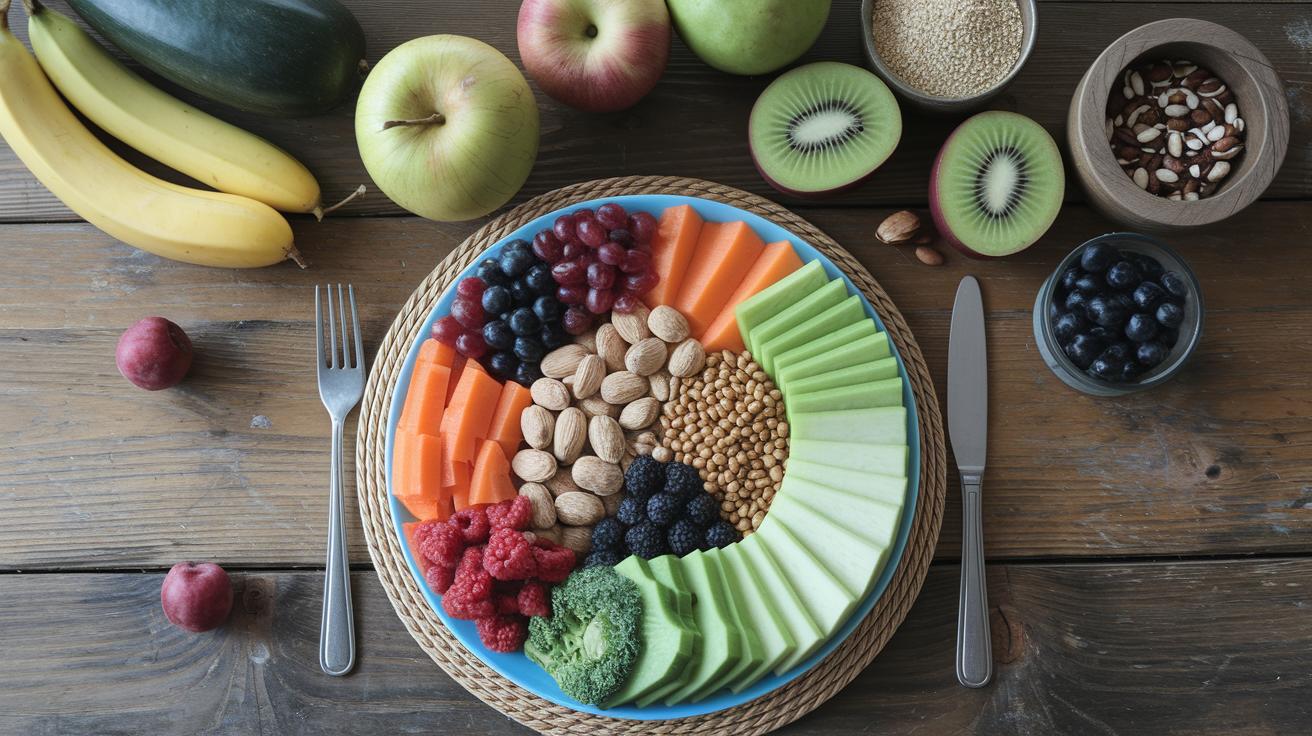
Eating a balanced diet means including a mix of different food groups so your body gets what it needs every day. When you plan meals with veggies, fruits, lean proteins, dairy, whole grains, and healthy fats, you're giving your body the fuel for energy, growth, and repair. For instance, try to have 5 or more servings of fruits and vegetables daily and around 2 to 3 servings of lean proteins. This way of eating makes your meals feel varied and enjoyable without stressing over every calorie.
Each group of food brings something special to the table. Vegetables and fruits are loaded with vitamins A, C, and K, plus fiber to keep you full and help your immune system. Lean proteins supply your muscles with protein, iron, and B vitamins that keep you strong. Dairy is a great source of calcium and vitamin D, which are essential for keeping your bones and teeth healthy. Whole grains give you fiber and B vitamins to keep your energy steady, while healthy fats (like those in oils and nuts) provide omega-3 and monounsaturated fats that help your heart and make it easier for your body to absorb other nutrients.
| Food Group | Recommended Servings | Key Nutrients |
|---|---|---|
| Vegetables | 5+ servings/day | Vitamins A, C, K, Fiber |
| Fruits | 5+ servings/day | Vitamins A, C, Antioxidants |
| Lean Proteins | 2–3 servings/day | Protein, Iron, B Vitamins |
| Dairy | 2–3 servings/day | Calcium, Vitamin D |
| Whole Grains | 3–5 servings/day | Fiber, B Vitamins |
| Healthy Fats | Small daily portions | Omega-3, Monounsaturated Fats |
Sticking to these serving suggestions every day is a simple way to keep your body feeling vibrant and ready to face whatever comes your way.
Nutrient-Specific Health Gains from a Balanced Diet
Energy Enhancement
When you mix proteins, healthy fats, and whole, complex carbs in your meals, your body keeps blood sugar levels steady. This means you avoid the wild ups and downs that come with sugary foods. Studies have shown that keeping your blood sugar stable helps you have more consistent energy by avoiding big swings in insulin. Imagine discovering that balanced meals can cut energy dips by as much as 20% compared to meals loaded with refined sugars.
Immune Support
Getting enough vitamins like C and D, along with zinc and other antioxidants found in fruits and veggies, gives your immune system a big boost. These nutrients help your body produce more immune cells and fight off damaging free radicals. One study even found that they improve white blood cell function, building up your natural defenses. Think of antioxidants like tiny warriors, repairing cell damage and keeping your body prepared to fight off infections.
Digestive Health
Fiber is a superstar when it comes to gut health. It feeds the good bacteria in your digestive system, which then produce important compounds that help lower inflammation. Research suggests that eating around 25 to 30 grams of fiber every day can lead to a healthier gut environment and smoother digestion. Picture fiber as natural fertilizer for your gut, creating a balanced place where digestion can work like a well-oiled machine.
Mental Clarity
B vitamins and omega-3 fatty acids do more than just support overall health, they also help form the brain chemicals needed for clear thinking and focus. A study from 2015 showed that these nutrients can really help sharpen memory and speed up how quickly your brain processes information. Imagine your brain as a busy town, where B vitamins and omega-3s keep everything running smoothly, making sure that every signal reaches its destination efficiently.
Preventing Chronic Diseases with a Balanced Diet

Eating a mix of whole grains, fruits, vegetables, and lean proteins gives your body the good stuff it needs. This helps keep your blood sugar steady and supports overall well-being.
Studies show that choosing these foods can lower your risk of type 2 diabetes and heart disease by about 20–30%. Think of it like this: every healthy bite works to keep your blood sugar from spiking too quickly, which naturally supports your heart.
Adding dairy products to your meals can also strengthen your bones and may cut your chances of osteoporosis by up to 40%. And the antioxidants found in fruits and veggies help lower the risk of some cancers. Imagine a colorful, fresh plate that not only tastes great but also lays the groundwork for a healthier future.
Practical Tips for Achieving and Sustaining a Balanced Diet
Eating well doesn’t have to be complicated. When you plan your meals ahead of time, you can easily mix different food groups and keep portion sizes just right. Simple ideas like using the plate method and swapping in seasonal fruits and veggies help you create dishes that keep your energy up and your body healthy. Sipping water with your meal supports digestion, and taking time to enjoy each bite lets you know when you’ve had enough. These easy steps add a little routine to your day while turning cooking into a fun, creative adventure. Imagine the joy of looking at a colorful, well-thought-out plate that makes you excited to nourish your body!
- Set aside a bit of time each week to plan meals that combine proteins, grains, fruits, and vegetables.
- Use the plate method to help keep your portions balanced.
- Vary your fruits and veggies by choosing what’s in season for a burst of flavor.
- Keep a bottle nearby and aim to drink 2–3 liters of water throughout the day.
- Whip up healthy snacks like a handful of nuts paired with fresh fruit.
- Practice mindful eating by pausing between bites and truly savoring your food.
- Consider keeping a simple food journal to track your choices and celebrate little victories.
Long-Term Advantages and Sustainable Balanced Eating Habits

Eating a balanced diet over time can really add years to your life, help you move better, and even save you money on healthcare. When you mix up your meals with nutrient-packed foods, your body learns to switch between different energy sources effortlessly, keeping everything running smoothly. This steady supply of important vitamins and minerals not only keeps you physically strong but also sharpens your mind. When you stick to a routine diet that meets your needs, you're more likely to dodge costly health problems later on, letting you enjoy life today and in the years ahead.
Having regular meals is also a big deal for keeping your body’s natural clock on track. When you set specific times to eat and include a variety of foods, you help balance your internal rhythm. This balance can lead to better sleep, improved moods, and overall wellness that keeps you feeling vibrant all day long.
Final Words
In the action, we explored how a balanced diet supports your energy, keeps your weight in check, and boosts immunity. We talked about how eating a variety of food groups helps clear your mind and fend off disease.
We shared practical steps for planning your meals and practicing mindful eating. Remember, the benefits of a balanced diet go beyond physical health, they inspire a stronger, more vibrant life every day. Enjoy the positive changes ahead!
FAQ
What are the benefits of healthy eating?
Healthy eating offers benefits such as improved energy, better weight management, a stronger immune system, enhanced mood, and sharper mental focus, supporting overall well-being and reducing the risk of long-term diseases.
What are the main advantages of a balanced diet?
A balanced diet provides essential nutrients from various food groups, which supply energy, assist in weight control, boost immunity, support mental clarity, and help prevent chronic illnesses.
How does healthy eating benefit students and children?
Healthy eating benefits students and children by improving concentration, school performance, growth, and overall energy levels, while also strengthening the immune system for a healthier daily life.
Why is a balanced diet important?
A balanced diet is important because it delivers a mix of vitamins, minerals, antioxidants, and fiber that fuel bodily functions, maintain a healthy weight, ensure steady energy, and support long-term health.
What does a healthy diet plan include?
A healthy diet plan includes vegetables, fruits, lean proteins, dairy, whole grains, and healthy fats, providing a range of nutrients that support physical and mental performance throughout the day.
What are the essential components of a balanced diet?
The essential components of a balanced diet encompass servings from vegetables, fruits, proteins, dairy, whole grains, and healthy fats, ensuring you consistently meet your body’s nutrient needs for overall vitality.

