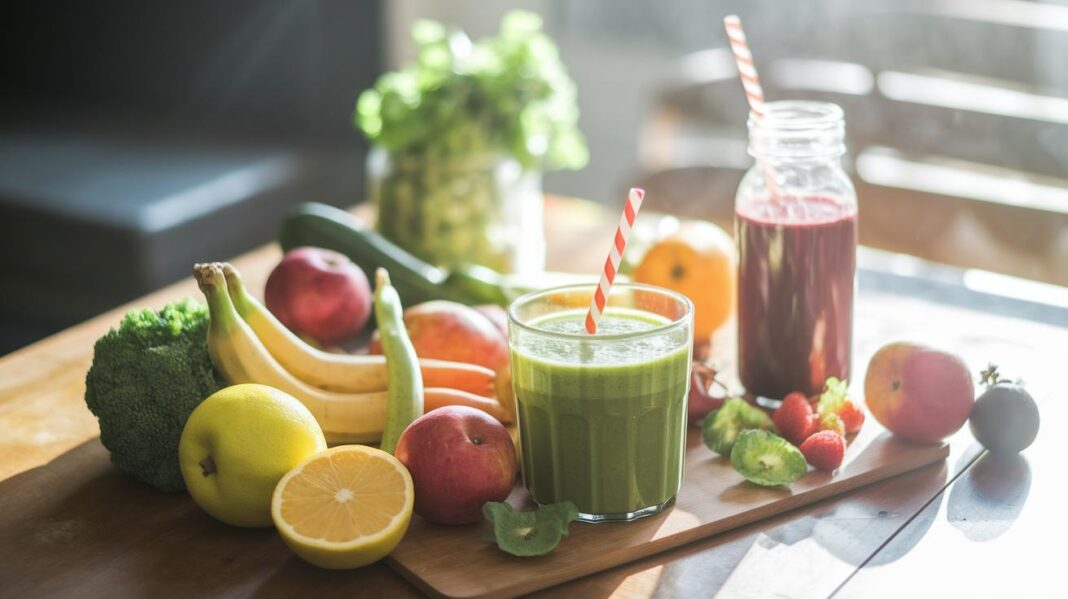
Have you ever wondered if changing up your meals could give you a quick burst of energy? Instead of reaching for processed snacks, think about grabbing a crisp apple or a handful of carrot sticks. Fresh, natural foods like these help fuel your body without all the extra sugars and additives. When you pick nutrient-rich options, you're giving yourself a cleaner, healthier boost every day. Let's take a closer look at how simple changes in your diet can make you feel more energized.
Understanding Whole Food Diet Principles
A whole food diet means choosing natural foods that haven’t been heavily processed. You skip out on extra sugars, salt, artificial additives, and preservatives. It’s like enjoying the crisp bite of a fresh apple instead of a sugary treat. Fun fact: people who switch from processed foods to whole ones often feel a boost in energy almost right away.
This way of eating isn’t a strict diet but a lifestyle change you can stick with for the long haul. It’s all about slowly adding more fresh, nutrient-packed foods into your daily meals. For example, next time, try swapping your usual snack for a mix of berries and nuts, a little tweak that can really make a difference.
The foundation of a whole food diet is simple: fresh fruits, vegetables, whole grains, lean proteins, and healthy fats. Picture whipping up a colorful salad with leafy greens, juicy tomatoes, grilled chicken, and just a splash of olive oil. Every bite not only fuels your body with clean, natural goodness but also helps your taste buds discover a whole new level of flavor.
By choosing this natural path, you set yourself up to feel more energetic, support better digestion, and enjoy a healthier everyday life.
Health Benefits of the Whole Food Diet
Research shows that cutting out processed foods and refined sugars can lower your risk of type 2 diabetes, obesity, breathing problems, and even some cancers. When you stick with whole foods, you're keeping harmful additives out of your body, which can really improve your heart health. Imagine your heart as a well-tuned engine; feeding it nutrient-rich foods helps lower your bad LDL cholesterol, steady your blood pressure, and even manage body fat. Picture your blood vessels as smooth roads where fewer processed foods mean less congestion and fewer obstacles.
Besides a stronger heart, a whole food diet is fantastic for your gut too. Fiber-rich fruits, vegetables, and whole grains act like a natural cleaning crew to keep your digestion regular and your gut balanced (that means a healthy mix of good bacteria). Better digestion can boost your energy and clear your mind throughout the day. Studies even link these digestive perks to a more efficient metabolism, making it easier to manage your weight over time.
Visualize waking up each morning with a fresh start, clear focus, and steady energy, all thanks to eating foods in their purest form. Embracing this way of eating not only strengthens your body but also sharpens your mind, keeping you alert and active. In truth, it creates a balanced lifestyle where your heart, mind, and digestive system work together every day.
Building Your Whole Food Meal Plan
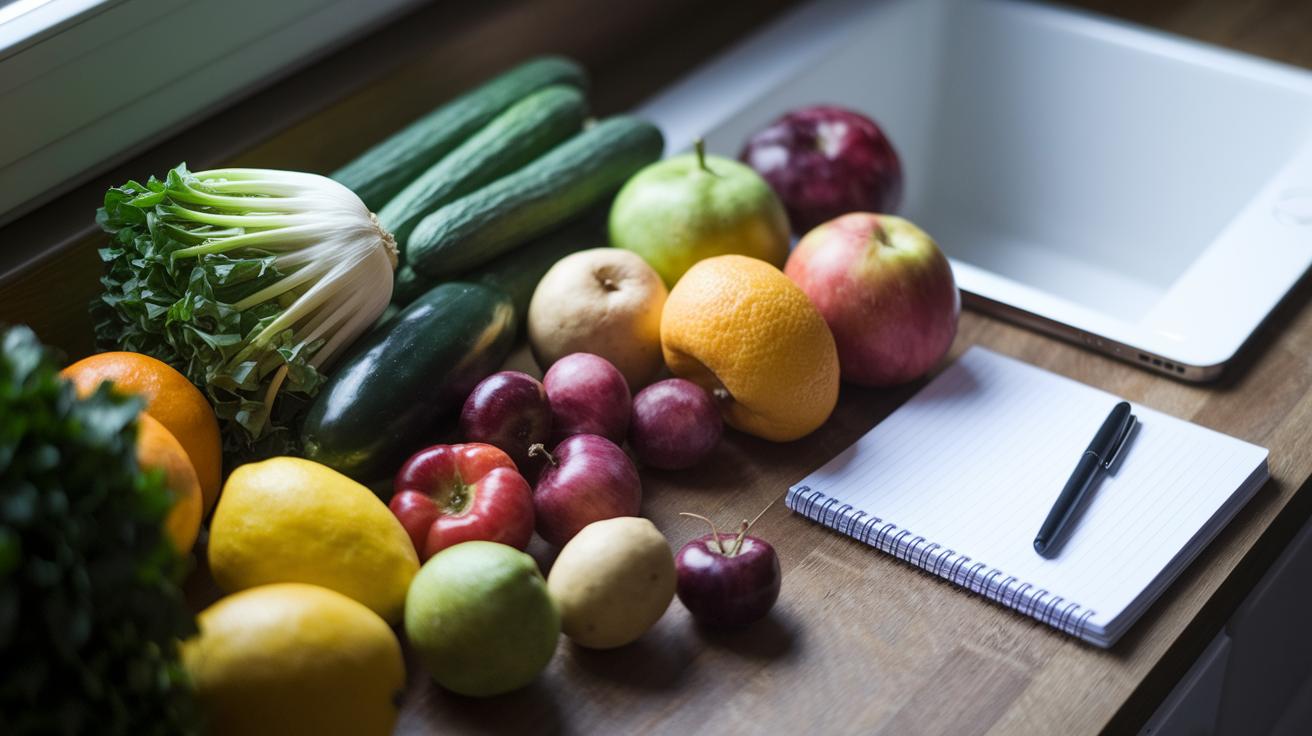
Start by planning your meals for the week. Look for simple recipes that feature fresh veggies, whole grains, lean proteins, and healthy plant fats. For example, try dishes that mix rolled oats, unsweetened almond milk, crisp apples, salmon fillets, and a variety of seasonal vegetables. Taking a few minutes to write a detailed grocery list helps you pick only the best natural ingredients. This planning makes each meal both exciting and full of nutrients.
Next, set aside a regular time during the week for meal prep. When you plan your cooking ahead of time, you save precious minutes and keep your diet on track with wholesome choices. Think of it like lining up your ingredients as if they were colorful building blocks, with each one adding its own burst of flavor and natural goodness. A little structure can turn even a complicated recipe into something straightforward and true to nature.
- Fresh leafy greens (like spinach or kale)
- Ripe tomatoes
- Rolled oats
- Unsweetened almond milk
- Crisp apples
- Salmon fillets
- A variety of fresh vegetables
Using unprocessed ingredients lets every food shine with its natural taste and nutrients. This simple approach makes every meal a step toward a vibrant day filled with energy and the rich flavors of whole foods.
Transitioning to a Whole Food Diet: Practical Steps

Gradual Adoption
Start by slowly swapping out processed foods for natural options. Try swapping one familiar snack for a piece of fresh fruit or a handful of raw nuts. This gentle switch helps your taste buds adjust without feeling overwhelmed. If you need more ideas, check out this guide on how to start eating healthy and take it meal by meal.
Stocking Whole-Food Staples
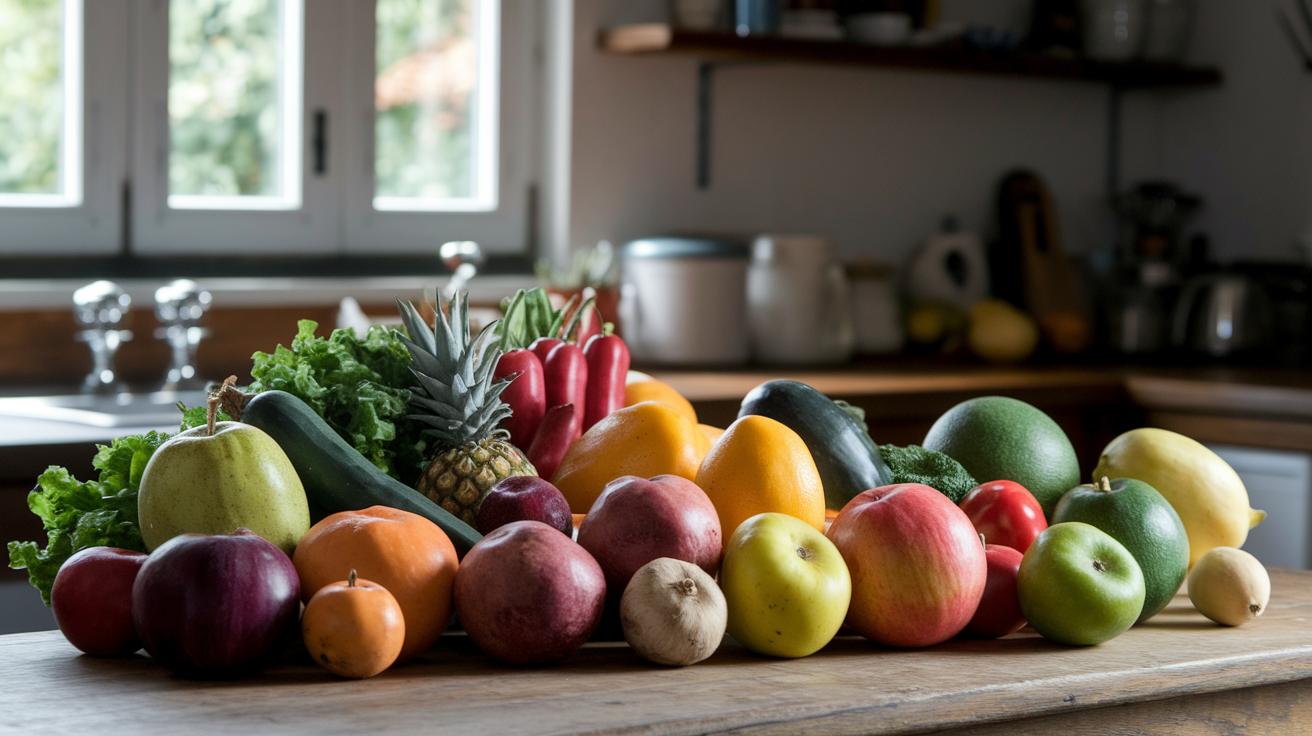
Fill your kitchen with fresh fruits, vegetables, legumes, herbs, and whole grains. Keeping these items handy makes it easy to put together fast, nutritious meals. Think of your pantry like a treasure chest, every item is a building block for a healthier lifestyle and a great way to skip processed snacks.
Reading Product Labels
Take a moment to look at food labels to spot any hidden additives. Look for words like “organic” or “non-GMO” and try to find products with a short, simple ingredient list. This habit helps you know exactly what you’re eating and steers you away from chemicals or preservatives that might get in the way of your new healthy habits.
Leveraging Seasonal & Local Produce
Embrace seasonal and locally grown produce whenever you can. Foods picked at the right time in the season pack more flavor and nutrition. Shopping locally also supports your community and adds a fun twist to your meals by offering different tastes throughout the year.
Whole Food Diet: Energize Your Daily Life
Start your morning strong with a breakfast made from real, whole foods. Picture a warm bowl of rolled oats loaded with fresh berries, crunchy nuts, and a pinch of cinnamon. It’s simple, tasty, and sets you up for clear thinking during a busy day.
For lunch, try a light quinoa-vegetable salad. Mix in colorful veggies, hearty quinoa, chickpeas, and a tangy lemon-tahini dressing. This dish is both refreshing and filling, helping you stay energized while giving you a good dose of fiber and plant protein.
At dinner, enjoy a plate of grilled salmon served with roasted broccoli and sweet potato. Salmon provides quality protein and omega-3 fatty acids (which support heart and brain health), and the veggies add essential vitamins and minerals. Later, a cool spinach-banana almond-milk smoothie makes the perfect snack. It’s like a green, nutrient-packed pick-me-up when you need a little extra energy.
| Meal | Example Dish | Prep Time |
|---|---|---|
| Breakfast | Oat bowl with berries & nuts | 10 min |
| Lunch | Quinoa-veg salad | 15 min |
| Dinner | Grilled salmon & veggies | 25 min |
| Snack | Green smoothie | 5 min |
This plan shows how easy and delicious a whole food diet can be. Each meal guides you to a naturally vibrant lifestyle while keeping cooking simple and enjoyable. Enjoy your journey to more energy every day!
Common Mistakes to Avoid on a Whole Food Diet
• Relying too much on packaged foods that seem healthy but still have added ingredients.
• Sticking to the same fruits and vegetables every day, which can leave you missing important nutrients.
• Being so strict with your diet that it becomes hard to follow over time.
• Skipping meal planning, which can lead you back to quick, less healthy options.
• Expecting your taste buds to love whole foods immediately, without giving them a chance to adjust.
Switching to a whole food diet should be a gradual and flexible change. Instead of aiming for perfection overnight, give yourself time to explore a mix of fresh, unprocessed foods. Spending a little time on meal prep can really help you stay on track and keep your meals exciting and balanced.
Remember, small, steady changes can lead to lasting habits. Try mixing up your fruits, vegetables, and whole grains to keep things interesting and make sure you get a wide range of nutrients. Allow your palate some time to adapt and enjoy the occasional treat. This way, you build a sustainable eating pattern focused on real, wholesome foods instead of just so-called "healthy" items that might hide unwanted additives.
Sustaining Your Whole Food Diet for the Long Term
Sticking with a whole food diet can be both fun and easy. Try to keep your meals fresh and exciting by switching up your ingredients, like using seasonal fruits and vegetables. For example, you could add a Mediterranean salad or an Asian stir-fry to your weekly menu. These dishes not only taste great but also pack a punch of nutrition.
Another smart trick is to shop at local farmers’ markets or use local-organic delivery services. This way, you get produce at its peak freshness and support sustainable farming in your area. Plus, when you store your ingredients with eco-friendly tools like beeswax wraps or glass containers, you’re helping reduce waste and keeping things safe in the kitchen.
Here are some simple tips to stay on track with your whole food diet:
| Tip | Description |
|---|---|
| Rotate Produce | Use seasonal fruits and vegetables to keep meals fresh. |
| Try International Recipes | Experiment with dishes from different cultures for exciting flavors. |
| Local Shopping | Buy from farmers’ markets for the freshest ingredients. |
| Eco-Friendly Supplies | Store ingredients using tools that help reduce waste. |
| Plan Ahead | Create weekly menus to ensure variety. |
| Enjoy Treats | Occasionally indulge to keep your diet fun. |
Remember, keeping up with whole food habits is all about staying flexible and feeling good about your choices. Even small changes can make a big difference, so enjoy exploring new flavors that fit your lifestyle and treat your taste buds right.
Final Words
In the action, we covered practical steps to adopt a whole food diet, from understanding its core principles to planning balanced meals and avoiding common pitfalls. We shared tips on building meal plans, selecting fresh produce, and managing daily routines with simple, natural changes.
Moving ahead, let today be the start of making data-driven and nutritious choices that boost your daily vitality. Embracing a whole food diet can pave the way toward improved health management and a renewed sense of well-being.
FAQ
Q: How can I create a whole food diet meal plan?
A: Creating a whole food diet meal plan means planning meals around fresh fruits, vegetables, whole grains, lean proteins, and healthy fats, and using simple recipes that help you avoid processed foods.
Q: What foods are included in a whole food diet?
A: A whole food diet includes natural items like fresh fruits, vegetables, whole grains, lean proteins, and healthy fats, all of which steer clear of artificial ingredients and excessive processing.
Q: How can beginners start whole food eating?
A: Beginners can start whole food eating by slowly swapping processed foods with natural alternatives, focusing on simple recipes, and gradually building a list of whole food staples at home.
Q: What kind of recipes work well with a whole food diet?
A: Whole food diet recipes work best when they feature minimally processed ingredients such as seasonal vegetables, fruits, lean proteins, and whole grains, making meals nutritious and satisfying.
Q: How does a whole food diet plan help with weight loss?
A: A whole food diet plan aids weight loss by reducing reliance on processed items, lowering excess calories, and boosting nutrient intake with foods that help regulate energy and promote fullness.
Q: Can I include meat in a whole food diet?
A: Yes, including meat in a whole food diet is fine as long as you choose lean, unprocessed options that pair well with a variety of natural foods in your meal plan.
Q: Is it okay to eat eggs on a whole food diet?
A: Eating eggs on a whole food diet is acceptable provided they are fresh and minimally processed, contributing a good source of protein without any unnecessary additives.
Q: Will eating only whole foods lead to weight loss?
A: Relying on whole foods can lead to weight loss because these items are nutrient-dense and less calorie-heavy, which naturally helps reduce extra calorie consumption throughout the day.
Q: What does the 30-day whole food diet involve?
A: The 30-day whole food diet involves following a month-long plan that focuses on consuming only unprocessed, natural foods to help reset your eating habits and improve overall health.

