
Ever thought your smartwatch might spot health issues before they get serious? These wrist devices keep an eye on your heartbeat, blood oxygen levels, and more, so you and your doctor get a helpful heads-up if something seems off. It’s almost like having a friendly helper watching over you all day. With proven accuracy in spotting signs of heart trouble, these gadgets make early care smarter and easier for everyone.
How Wearable Devices Deliver Early Detection for Preventive Care
Wearable devices are truly changing the game when it comes to looking after our health. They keep an eye on key signals like heart rate, blood oxygen, and calories burned every minute. It's kind of like having a personal alarm that lets you know when something might be off. For example, the Apple Watch can record your heart's electrical activity (its ECG feature) to flag signs of atrial fibrillation early on. This means potential heart issues can be spotted much sooner, making these devices a vital part of personalized care.
These health monitors work all day and night to record real data about your body. A study in Lancet (2023) found that wearables can spot heart irregularities with up to 97% accuracy. Really. This high level of precision builds trust while also reducing the need for hospital visits, which can help lower healthcare costs. Think about it: before wearables, changes in heart behavior often went unnoticed until things got much worse. Now, with continuous data, doctors can make smarter decisions much earlier.
Everyday details matter too. Regular updates and real-time insights encourage us to tweak our daily habits for better wellness. Whether you’re adjusting your activity level or just checking in on your overall health, these smart trackers make it easier to stay on top of things. With patients and providers working together through these innovative tools, preventing potential health issues becomes part of everyday life.
Sensor-Based Care Tools and Biometric Measurement Systems
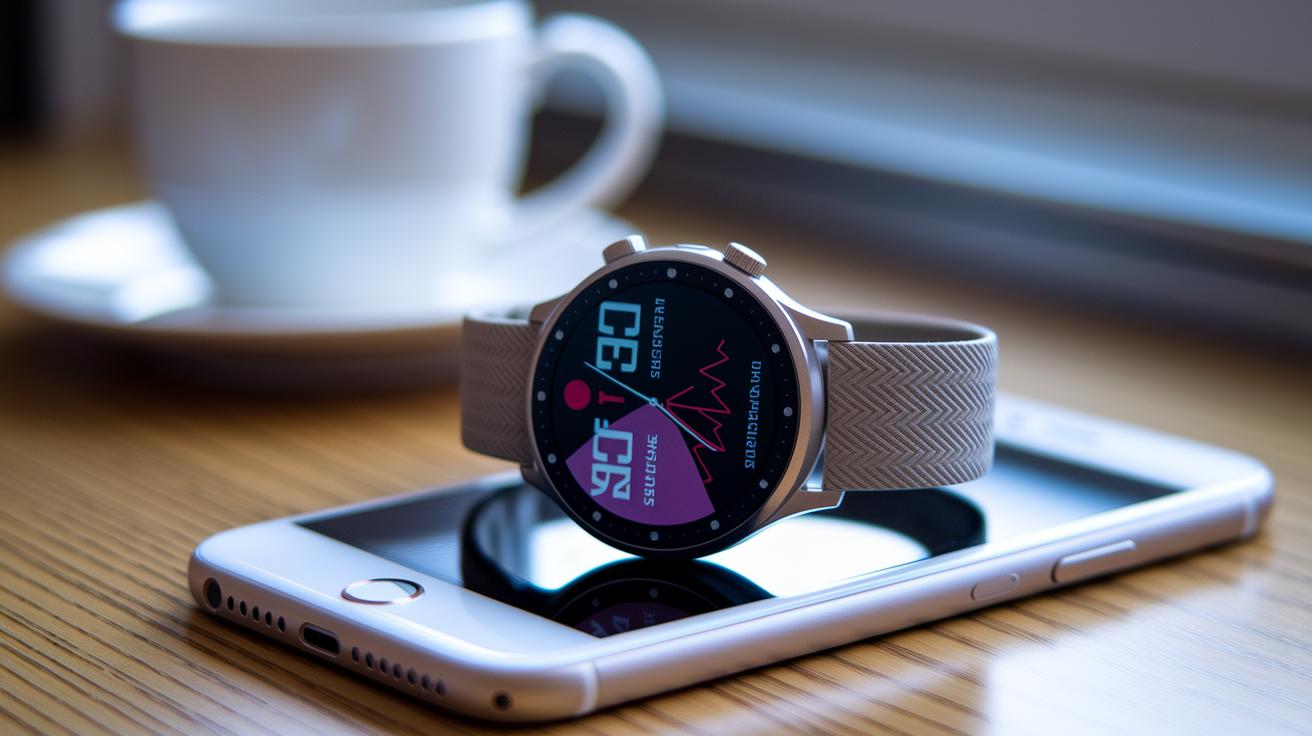
Wearable devices come in many shapes and sizes. They range from smartwatches and patches to rings like the Oura Ring and even continuous glucose monitors. These handy tools keep track of things like your heart rate, blood pressure, blood oxygen, sleep quality, and movement. For instance, heart rate monitors catch tiny changes in your pulse that might warn you about a health issue before you even feel different. A cool fact: "A slight change in your heart rhythm might alert you to an underlying condition, sometimes before any symptoms occur."
These sensors work non-stop, giving you a steady stream of data that can help catch problems early. Blood pressure monitors and ECG devices provide instant readings that might flag early heart issues. Continuous glucose monitors are especially useful for people with diabetes, keeping an eye on blood sugar levels all day. Some wearables can even detect falls, which is great for older adults. By collecting and reviewing all this detailed information, sensor-based tools let you take a proactive approach to health, catching small changes early so you can act before things get worse.
Data-Driven Health Insights and Predictive Analytics
Wearable devices do so much more than count your steps. They use real data to help you understand your everyday health, guiding you toward feeling better each day. With the help of AI and machine learning, these gadgets take raw sensor info and turn it into clear, easy-to-understand risk scores and trends. For example, you might see a note saying, "Did you know that 70% of users boosted their physical activity with goal-oriented feedback?" This simple fact shows how smart algorithms change everyday numbers into meaningful actions.
These algorithms aren’t just reporting what’s happening right now, they also look ahead. Imagine your tracker gently reminding you to take a break if it notices your resting heart rate creeping up, suggesting it might be time to unwind. It’s like having a friendly coach who gives you a heads-up before something minor turns into a bigger issue.
The technology keeps learning from your data, suggesting small tweaks in your routine that can add up to big improvements over time. Every step you take and every heartbeat tracked is part of smarter, proactive care. This shift empowers you to see what’s coming and adjust your habits to keep you at your best.
Preventive Care Innovations: Case Studies and Clinical Outcomes

Wearable devices do more than just catch health issues early. In 2024, a study published in JAMA found that continuous ECG monitors give instant alerts so care can start right away. One patient said, "When my device warned me, I quickly got the care I needed to stay on track."
Recent case studies show that sensors tracking blood pressure and blood oxygen can help reduce emergency visits. For example, new smart patches have cut intensive care admissions by 25% in high-risk patients. In one hospital study, these sensors helped doctors adjust treatments before things got worse.
Advanced sensors now provide a deeper look into a patient’s health, which means fewer hospital trips and better overall well-being. Grace, one patient, shared, "The wearable alerted my caregiver right after I felt unsteady, giving me peace of mind knowing help was nearby."
| Case Study | Device Type | Clinical Outcome |
|---|---|---|
| Advanced Continuous ECG | Continuous ECG Monitor | Instant alerts and early intervention improved heart condition management |
| Smart Patch Monitoring | Wearable Smart Patch | 25% reduction in intensive care admissions among high-risk patients |
| Enhanced Blood Pressure Sensor | Wearable Blood Pressure Monitor | Improved real-time adjustments resulting in fewer emergency visits |
If you’d like to explore more examples of how wearables help with preventive care, check out the details at preventive care examples.
Integrated Care Platforms and Remote Assessment Gadgets
Wearable devices now team up with the Internet of Medical Things to send live health updates to your doctor’s records and telehealth apps. This smooth flow of information lets doctors keep an eye on you from afar, making remote check-ins a natural part of everyday care. For example, if your heart rate or oxygen levels start to shift, your doctor can get a heads up long before things get serious. It really bridges the gap between regular check-ups and urgent care, sometimes letting you skip a visit to the office.
These connected tools easily sync with care software so healthcare teams can quickly spot trends and tweak treatment plans. They give patients a simple way to share important health details, making care more coordinated. Here are a few ways these platforms keep preventive care on track:
| What It Does | How It Helps |
|---|---|
| Real-time data updates | Keeps your health trends visible at all times |
| Early warning alerts | Flags potential problems before they worsen |
| Easy telehealth integration | Makes virtual visits quick and effective |
Strong cybersecurity is also crucial. Protecting your personal health info is key to keeping these systems trustworthy. With these integrated care platforms, wearable technology becomes a real lifeline for staying on top of your health.
Challenges and Future of Wearable Technology in Preventive Care

Ever wonder if your private data is really safe when you use wearable devices? Many folks worry that their sensitive health info might get exposed because the device’s protection isn’t strong enough. Plus, the high cost of sensors and connectivity makes some people hesitant to try them out. And to top it off, some gadgets use one-size-fits-all algorithms that might not catch every important health signal for everyone.
It can also be tricky to mix wearable tech with our current medical systems. Sometimes, these devices just don’t sync well with health records, making it hard for care providers to see the whole picture. But experts are on it, they’re working to connect wearables more smoothly with electronic health records and telehealth systems.
Looking ahead, there’s a lot to be excited about. Future gadgets might come with smarter sensors that continuously track things like your blood sugar, sleep cycle, and stress levels, giving you feedback that feels tailor-made.
Even better, new user-friendly designs are in the works to help everyone, including older adults, enjoy these benefits. As these challenges get sorted out, the promise of wearable tech in early preventive care looks more hopeful every day.
Final Words
In the action, wearable devices have shown clear benefits by tracking vital signs and alerting us to early signs of health issues. Short bursts of data help convert everyday metrics into meaningful, personalized insights. Simple tools like smart health trackers and sensor-based care systems allow for data-informed decisions that keep us feeling our best. This approach demonstrates how wearable technology aids early preventive care, giving everyone a chance to enjoy a healthier life with confidence and ease.
FAQ
How does wearable health technology affect preventive care?
The wearable health technology affects preventive care by tracking vital signs like heart rate and blood oxygen, spotting early signs to help prevent complications and reduce unnecessary hospital visits.
How are wearable devices changing healthcare?
The wearable devices are changing healthcare by offering continuous, real-time data that supports smarter, faster care decisions, making it easier for patients and providers to catch potential issues early.
What areas of health care might benefit from wearable technology?
The benefit of wearable technology extends to areas like heart monitoring, diabetes control, fall detection among older individuals, and remote patient assessments, all of which get enhanced through real-time data insights.
How can wearables improve player health and safety?
The way wearables improve player health and safety is by monitoring metrics during play, detecting unusual heart rhythms, and sending quick alerts, which help athletes receive timely care if needed.

