
Ever wonder if a small change today might help lower your risk of a stroke tomorrow? Even tiny steps like keeping your blood pressure steady and shedding a few extra pounds can make a big difference for your brain health.
Regular exercise and paying attention to habits, like cutting back on smoking or alcohol, also play a crucial role. In this article, we break down simple yet powerful ways to help prevent strokes and move toward a healthier future for everyone.
Foundational Strategies for Prevention of Stroke Disease
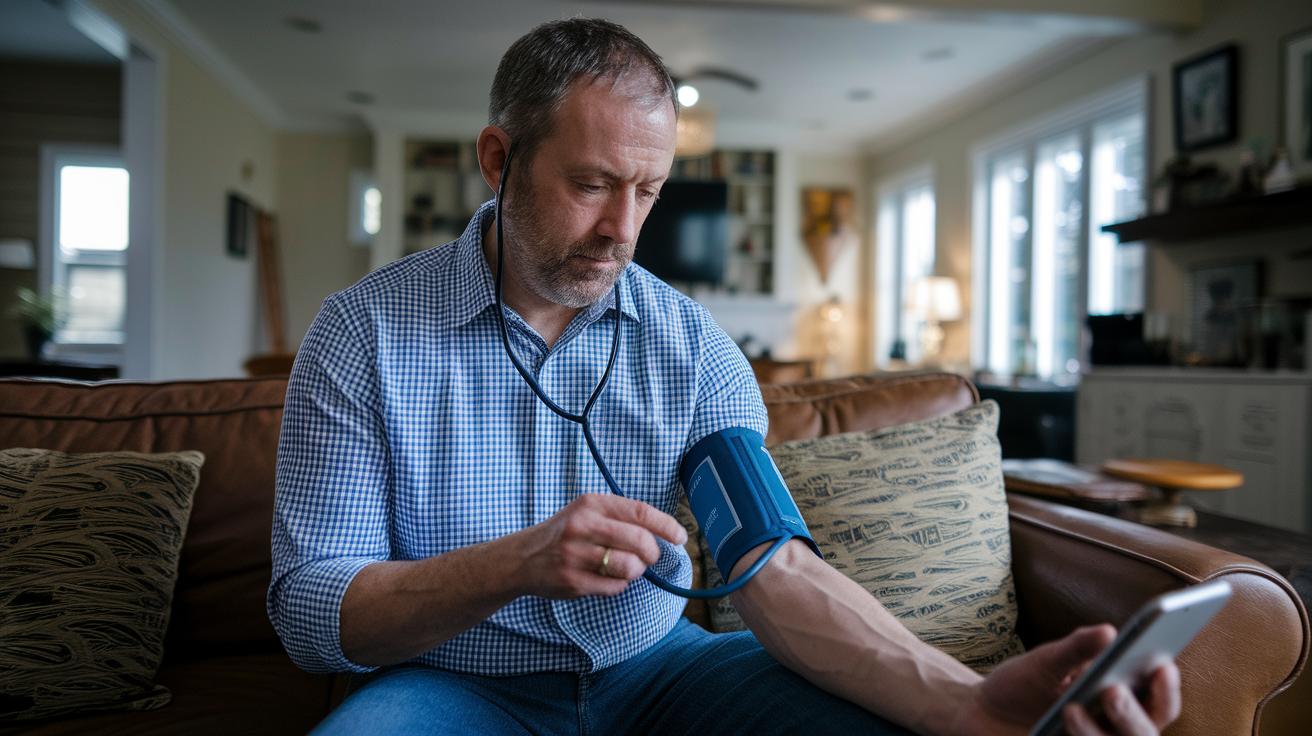
The first step in lowering your risk is keeping your blood pressure steady. High blood pressure means your heart is working too hard, and this can double or even quadruple your risk of stroke. Every time you lower your systolic pressure, a measure of pressure when your heart beats, you take an important step toward reducing that risk. It’s a smart idea to check your numbers regularly and follow your doctor’s advice.
Keeping a healthy weight also makes a big difference. Even losing about 10 pounds can help lower your stroke risk. Plus, getting regular exercise not only helps you shed extra pounds but also cuts your risk on its own. Think of it like adding a few extra steps to your day, you might be surprised how small changes add up to big benefits.
Taking care of your heart is key too. For example, if you have atrial fibrillation, a type of irregular heartbeat, treating it can lower your stroke risk by nearly 80%. Managing diabetes is just as important since high blood sugar can damage your blood vessels over time.
Lifestyle choices can further guard against strokes. Quitting smoking stops harmful buildup in your arteries, and keeping alcohol to just one drink a day can be a good rule of thumb. Balancing these habits helps you protect your brain and overall health.
By sticking to these proven strategies, watching your blood pressure, managing your weight, staying active, and taking care of heart conditions, you build a strong foundation for a healthier brain and a brighter future.
Blood Pressure Regulation in Prevention of Stroke Disease

Almost one in three U.S. adults lives with high blood pressure. Since high blood pressure is something we can change, taking steps to lower it can really lower your risk of a stroke. Experts say keeping your top blood pressure number below 130 mmHg gives your heart and brain the best chance at staying healthy.
Every 10 mmHg drop in that top number lowers your stroke risk by around 30%. Imagine that, a small, steady improvement can make a huge difference. It’s like listening to your body when it tells you a small change could have a big impact. Regular check-ups with your doctor can help you find the best way to manage your blood pressure. This might mean making a few changes to your diet, getting more exercise, or taking medicine if needed.
Keeping an eye on your blood pressure and adjusting your lifestyle bit by bit not only lowers your risk of stroke but can also lead to a brighter, healthier future.
Metabolic Control: Cholesterol and Diabetes in Prevention of Stroke Disease
High blood sugar can slowly harm the inside of your blood vessels, which may lead to clots and eventually a stroke. Keeping your blood sugar in check not only protects your vessels but also helps your whole body stay healthy. Managing diabetes isn’t just about avoiding sugar, it means making smart food choices, checking your numbers regularly, and sometimes taking medicine to bring your blood sugar into a safe range. Think of your blood vessels like a garden: they need just the right amount of water to stay strong, not too much or too little.
Controlling cholesterol is just as key. Medicines like statins work to lower LDL, often called the “bad” cholesterol, which, in turn, can lower your stroke risk by around 20%. It’s a bit like clearing debris off a road so traffic can flow smoothly without any blockages.
Diet and exercise are two powerful tools in managing both blood sugar and cholesterol. Eating plenty of fruits, vegetables, and whole grains supports a balanced diet that helps keep your numbers in check. Regular check-ins with your doctor act like a routine maintenance check, ensuring your blood vessels and heart are running on a healthy path.
Lifestyle Modifications for Prevention of Stroke Disease

Adopting everyday healthy habits can really cut down your stroke risk while boosting your overall well-being. Recent studies show even tiny changes in your routine can add up over time. For instance, quitting smoking can improve how your blood vessels work in just a few months. And with a little support from community programs or counseling, making the switch away from smoking becomes a whole lot easier.
• Cut out smoking by reaching out for counseling or joining a support group. For example, Sarah found that joining a local group helped her beat cravings in just a few weeks.
• Shed about 10 pounds to ease the strain on your heart. One friend dropped 10 pounds by cutting back on sugary drinks and soon noticed steady improvements in his blood pressure.
• Get moving regularly with activities like brisk walking or cycling. One person even said that a simple morning walk gave them a noticeable boost in energy.
• Keep your alcohol to just one drink a day to help lower your stroke risk. Jim switched from having two drinks to only one, and he ended up sleeping much better.
• Embrace a balanced diet packed with fruits, vegetables, and whole grains for healthier arteries. Lisa shared that adding more greens to her meals made her feel more energized throughout the day.
Pharmacological Protocols in Prevention of Stroke Disease
Medications can play a big role in cutting down the chance of a stroke by dealing with the main risk factors. For instance, low-dose aspirin can help lower the risk of a first stroke for some people, though doctors always weigh that benefit against the possibility of bleeding. If you have an irregular heartbeat (atrial fibrillation), anticoagulants are often prescribed to stop clots from forming, which can lead to a stroke. Plus, blood pressure medicines such as ACE inhibitors or ARBs can reduce the stroke risk by about 30%, making them a key part of a stroke prevention plan.
When you chat with your doctor about these treatments, remember that each medication has its own dosage guidelines and safety details. Regular check-ups and careful dosing ensure that the benefits really do outweigh any side effects. What works well for one person might not be right for another, so it's important to get professional advice.
| Medication | Dosage | Purpose |
|---|---|---|
| Low-dose aspirin | 81 mg (usually) | Helps lower the risk of a first stroke for some people |
| Anticoagulants | Varies by medication | Stops clots from forming in patients with atrial fibrillation |
| ACE inhibitors | Varies by medication | Lowers blood pressure to reduce stroke risk |
Early Detection and Emergency Response in Prevention of Stroke Disease
Spotting early warning signs and acting quickly can be the key to avoiding severe strokes. Paying attention to small changes in how you feel can catch potential strokes before they become serious. For example, a transient ischemic attack (a brief mini-stroke that may cause sudden numbness, confusion, or vision changes) is a red flag that a full stroke might be coming soon. Knowing these signs is really important.
Taking fast action is essential. The F.A.S.T. method gives you an easy checklist to follow:
- Face drooping: Check if one side of the face looks uneven or droops, like when a smile becomes lopsided.
- Arm weakness: Notice any sudden weakness or numbness in one arm, making it hard to hold or lift things.
- Speech difficulty: Listen for slurred words or trouble speaking clearly.
- Time to call 911: If any of these signs show up, call emergency services right away.
By keeping an eye on these warning signs, you can help someone get the urgent care they need and possibly stop lasting damage. A quick, calm response truly saves lives.
Secondary Prevention Measures for Prevention of Stroke Disease
About one in four people who have had a stroke might face another one later. That’s why taking steps to prevent a second stroke is so important. Keeping a close watch on blood pressure by checking it often and using the right medications is key. It also helps to enjoy a healthy diet, like the Mediterranean or DASH plan, which supports balanced nutrition and keeps blood pressure steady. Adding daily exercise and sticking to your medications can really boost your health and help you feel more secure.
Medical Guidelines for Post-Stroke Care
Doctors suggest keeping blood pressure at safe levels because it reduces the extra strain on your heart. For instance, they might recommend keeping your top blood pressure number below a certain mark to ease the pressure on your blood vessels. They also encourage a diet filled with fruits, veggies, and lean proteins while cutting back on salt. Regular, gentle exercise tailored to your fitness level can help improve blood flow and overall strength. And of course, taking your prescribed medications properly plays a big role in reducing the risk of another stroke.
Digital Tools for Survivors
These days, technology can be a real helper. Apps like the Heart & Stroke Helper App give you an easy way to track your symptoms and manage your appointments. Plus, wearable devices that work with health apps can keep an eye on your vital signs, offering feedback in real time so you can adjust your routine right away. These digital tools remind you to stick with your prevention plan and make it simpler to monitor your health every day.
Public Health and Community Strategies for Prevention of Stroke Disease

Communities play a huge role in helping our hearts and minds stay healthy. Programs like Life’s Essential 8™, NFL PLAY 60, and Kids Health initiatives bring everyday lessons that make small changes in habits lead to stronger bodies. Schools and workplaces are joining the effort, hosting health screenings and fun challenges that make learning about wellness an enjoyable part of daily life.
Local screening events do more than just spot early warning signs, they create an opportunity for folks to chat with health pros about simple ways to lower their stroke risk. Public education campaigns remind us how even little mindful choices can keep strokes at bay. Regular drives to raise awareness help everyone, from kids to seniors, see that minor adjustments in daily routines can have a big impact.
These community programs build a strong support network. When neighbors and local groups team up, they create safe and healthy spaces for all. Every small personal change adds up, contributing to a larger push toward lasting cardiovascular health.
Final Words
In the action, we explored practical methods like keeping blood pressure in check, balancing cholesterol and blood sugar, and making simple lifestyle changes. We also highlighted the role of smart medication choices and spotting early warning signs to act quickly. Community support and digital tools can further boost these efforts. Every tip adds up, showing that small, steady steps can build a healthier future. Keep striving for better well-being and embrace every chance for effective prevention of stroke disease.
FAQ
How to prevent stroke while sleeping
The methods to prevent stroke while sleeping include controlling blood pressure, maintaining a consistent sleep schedule, and following your doctor’s advice. These actions help reduce nighttime risk factors that contribute to stroke.
What to drink to prevent stroke
The best drink choices for stroke prevention involve water, unsweetened herbal tea, and moderate coffee. These fluids help support hydration and maintain a healthy blood pressure without adding extra sugars or alcohol.
Stroke prevention exercises
The stroke prevention exercises incorporate activities like brisk walking, cycling, or swimming. These activities support heart health, help control weight, and lower blood pressure, effectively reducing stroke risk.
What medicine to take to prevent stroke
The medicine to take for stroke prevention depends on your unique risk factors. In many cases, doctors may recommend low-dose aspirin, blood-pressure medications, or cholesterol-lowering statins to lower stroke risk.
How to prevent a stroke when you feel it coming
The actions to take when you feel a stroke coming include calling emergency services right away and recognizing warning signs using the F.A.S.T. criteria. These steps ensure you receive urgent care.
What are the 10 causes of a stroke?
The ten causes of stroke can include high blood pressure, smoking, high cholesterol, diabetes, obesity, lack of exercise, heavy alcohol use, atrial fibrillation, stress, and poor diet, each contributing to overall risk.
What 5 things can prevent a stroke?
The five key actions to prevent stroke are managing blood pressure, keeping a healthy weight, maintaining regular exercise, eating a balanced diet, and quitting smoking to lower the overall stroke risk.
Causes of stroke
The causes of stroke are linked to factors such as uncontrolled high blood pressure, diabetes, smoking, and high cholesterol, which damage blood vessels and increase the chance of a clot that leads to stroke.
How can a stroke be prevented?
The ways a stroke can be prevented include making lifestyle changes like exercising regularly, eating healthfully, quitting smoking, and taking prescribed medications to control blood pressure and cholesterol.
What is the primary prevention of a stroke?
The primary prevention of stroke involves reducing risk factors before any event occurs, using healthy lifestyle habits, routine checkups, and proper medication management for blood pressure, cholesterol, and diabetes.
What is the first prevention of stroke?
The first prevention step for stroke is managing modifiable risks like high blood pressure with medication and lifestyle changes, which sets the stage for reducing the overall likelihood of a stroke.
What is stroke causes and prevention?
The explanation of stroke causes and prevention involves recognizing health risks such as high blood pressure, smoking, and diabetes, then addressing them through lifestyle modifications and targeted medical treatments to lower stroke risk.

