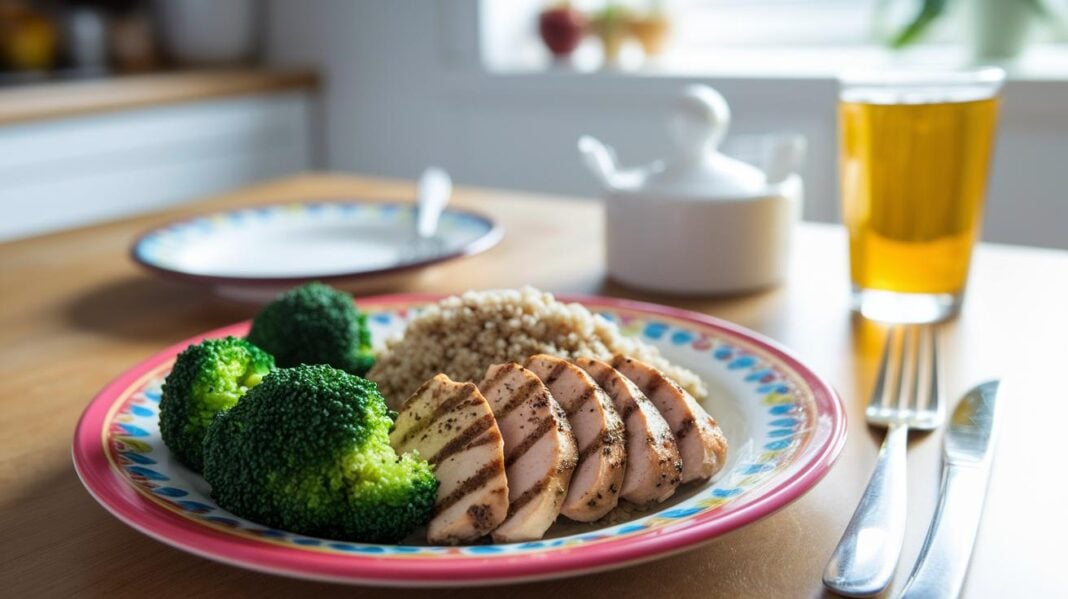
Ever thought about how the foods you eat can help keep your blood sugar steady? A healthy, balanced diet can really help, especially for people with diabetes, a condition where your body has trouble managing sugar levels. When you fill your plate with the right mix of carbohydrates (which give you energy), proteins, and healthy fats, your body gets the fuel it needs without those big sugar swings.
In this post, we share meal plans that have been proven to keep blood sugar in check while also boosting your energy. Small changes at mealtime can lead to big improvements in your well-being, so why not give it a try?
How a Balanced Diet Empowers Blood Sugar Control for Diabetics
Sticking to a balanced diet really helps folks with diabetes keep their blood sugar steady. Carbs give you energy, proteins help your muscles and keep you full, and healthy fats take care of your heart. Think of your body like a well-tuned machine that performs best with the right mix of fuel, just as a car runs best with the proper type of gas.
The CDC suggests that about half of your daily calories come from carbs. This means choosing high-fiber foods like whole grains, vegetables, and fruits over refined options. Picking complex carbs can help keep your sugar levels steady, avoiding those quick ups and downs.
A solid approach is to aim for about 50% carbohydrates, 25% proteins, and 25% fats. Lean proteins such as chicken, fish, or plant-based options not only help manage blood sugar but also curb your hunger. And adding healthy fats, like those from olive oil or avocado, gives you steady energy throughout the day. This mix supports your diabetes management while powering your everyday activities and reducing sudden sugar spikes.
Cutting back on white bread, sweets, and overly processed foods is key to preventing sudden surges in blood sugar. Instead, try to eat more whole foods and vegetables that are rich in fiber and nutrients. Plus, water is always a top choice, it has no calories or carbs, helping you stay hydrated while keeping your sugar levels in check.
Crafting a Diabetic Meal Plan with Balanced Nutrition
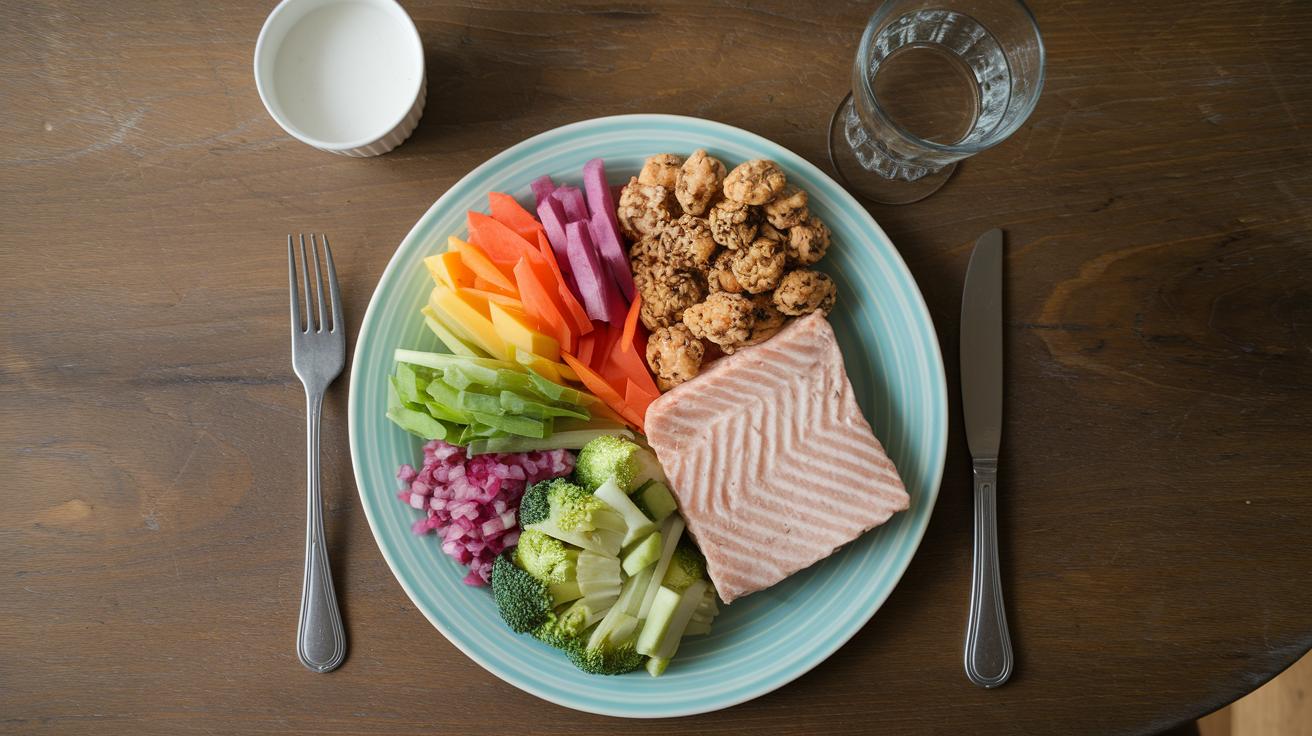
Keeping your meals on a regular schedule and watching your carbs are two simple steps that can really help steady your blood sugar. When you eat at planned times, you lower the risk of unexpected spikes or dips. Counting carbohydrates for each meal lets you keep an eye on how much sugar you're eating and helps with portion control. Think of it like this: imagine a 9-inch plate split into three parts, half filled with non-starchy veggies, one-quarter with lean protein, and one-quarter with carb foods. This idea works even when you're eating mixed dishes like soups, casseroles, or sandwiches, so every bite fits into your balanced plan.
| Meal | Portion | Carbs (g) | Protein (g) | Fat (g) |
|---|---|---|---|---|
| Breakfast | 1 serving | 30 | 15 | 8 |
| Lunch | 1 serving | 40 | 20 | 10 |
| Dinner | 1 serving | 35 | 25 | 12 |
| Snack | 1 serving | 15 | 5 | 5 |
Working with a registered dietitian or a Certified Diabetes Care and Education Specialist can be really helpful. They can tailor your plan to fit your needs, suggesting adjustments to meal sizes, timing, or nutrients as your body changes. This way, you’re more likely to keep your nutrition balanced and your blood sugar steady over the long haul.
Essential Food Groups in a Balanced Diabetic Diet
Non-starchy veggies, like tomatoes, cucumbers, and bell peppers, give you fiber and vitamins that help keep your blood sugar steady. Try tossing them with a squeeze of lemon for a light, refreshing side dish. For example, you might enjoy a summer salad with fresh basil and a little vinaigrette.
Whole grains and starchy vegetables provide carbohydrates that let out energy slowly. You can mix in beans, lentils, or sweet potatoes and add spices from different cultures. Imagine combining roasted sweet potato cubes with black beans and a splash of lime for a global flavor twist.
Lean proteins are great for building muscle and keeping hunger away. Pick from fish, chicken, or tofu and season them with herbs or a spice mix inspired by world cuisines. A tofu scramble with bell peppers, for instance, offers a tasty boost of protein without too many calories.
Healthy fats, used in moderation, can be good for your heart. Add a bit of olive oil or avocado to your meals to make them creamy and flavorful. You might drizzle extra virgin olive oil over a Greek salad or mix diced avocado with tomatoes as a light, nutrient-rich topping.
Monitoring Carbs with Glycemic Index Foods for Diabetics
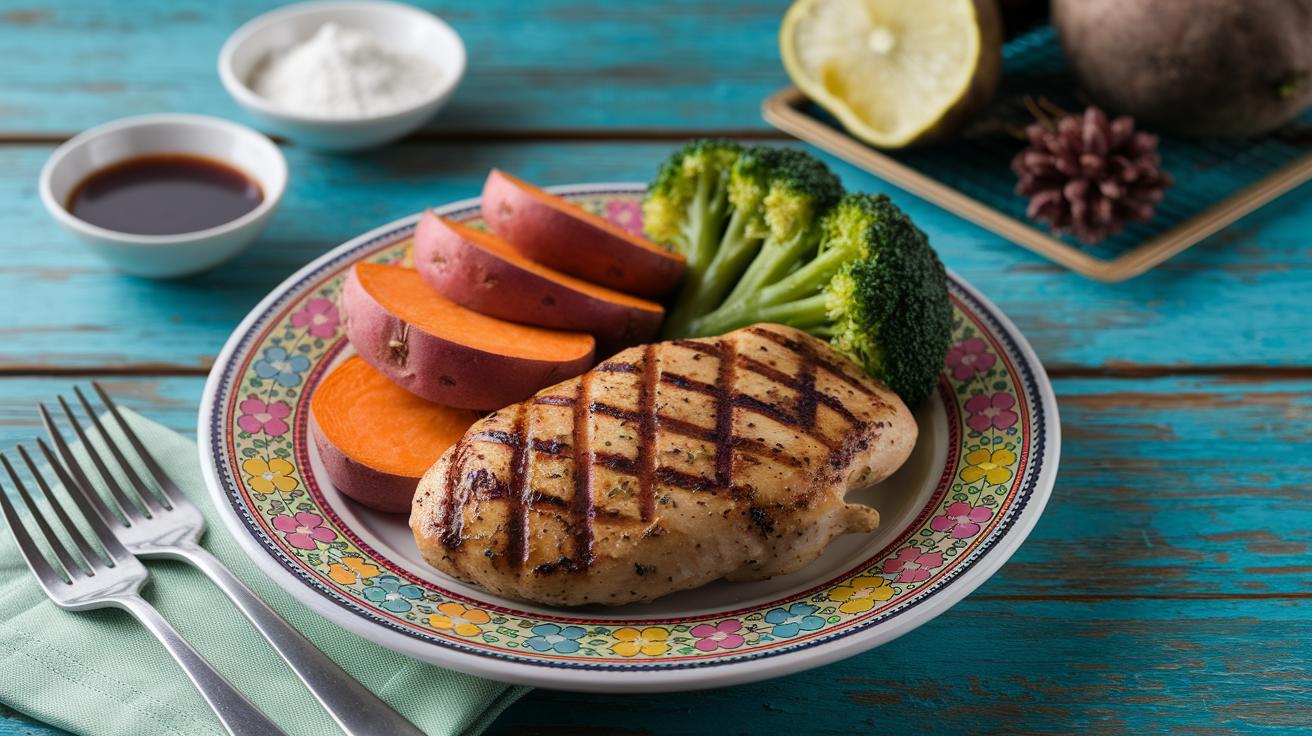
The glycemic index (GI) is a handy way to see how fast a food raises your blood sugar. Low-GI foods like sweet potatoes (GI around 70) let sugar seep in slowly, giving your body time to handle it steadily. This gentle release helps keep sudden blood sugar spikes at bay, which is especially important if you're managing diabetes. High-GI foods such as white bread (GI around 85) can cause quick rises in blood sugar. By choosing foods based on the GI, you can keep your meals balanced and your energy steady all day.
Pairing low-GI carbs with lean proteins or healthy fats can make a big difference. For example, enjoying sweet potatoes with grilled chicken or a drizzle of olive oil not only boosts flavor but also slows digestion. This keeps blood sugar levels more controlled after you eat. Keeping high-GI items like sugary drinks or white bread to a minimum, or having them with a bit of protein or fat, ensures your meals are both satisfying and good at stabilizing blood sugar.
Sample Balanced Diabetes Meal Plans and Recipe Ideas
Keeping your meals varied makes your day more interesting and helps keep your blood sugar steady. Mixing up your ingredients means you get a blend of flavors and textures along with the right mix of protein, fiber, healthy fats, and low-glycemic carbs. Trying new recipes can lead you to find dishes that delight your taste buds while naturally supporting balanced blood sugar.
- Breakfast: Start your day with Greek yogurt, mixed berries, and chia seeds. This combination offers protein, fiber, and antioxidants that help maintain stable morning energy.
- Lunch: Enjoy a crisp green salad topped with grilled chicken, black beans, and a light olive oil vinaigrette. It provides lean protein and plant-based fiber for a satisfying meal.
- Dinner: Savor baked salmon with roasted sweet potatoes and steamed broccoli. This dish is rich in omega-3 fatty acids, low-glycemic carbohydrates, and essential vitamins.
- Snack: Munch on a small handful of walnuts. They offer healthy fats that keep you full between meals and support heart health.
- Additional Breakfast Option: Try a smoothie bowl made with spinach, frozen berries, Greek yogurt, and a sprinkle of chia seeds. It’s a delicious way to boost your morning nutrients.
- Quick Snack: Have a slice of citrus fruit paired with a few almonds. This quick bite gives you a burst of vitamins and healthy fats without spiking your blood sugar.
Remember, adjusting portion sizes and swapping ingredients to fit your personal energy needs can really make a difference. Experiment with serving sizes and ingredient changes until your meals perfectly match your lifestyle and help keep your blood sugar in check.
Smart Snacking and Portion Control in a Diabetic Balanced Diet
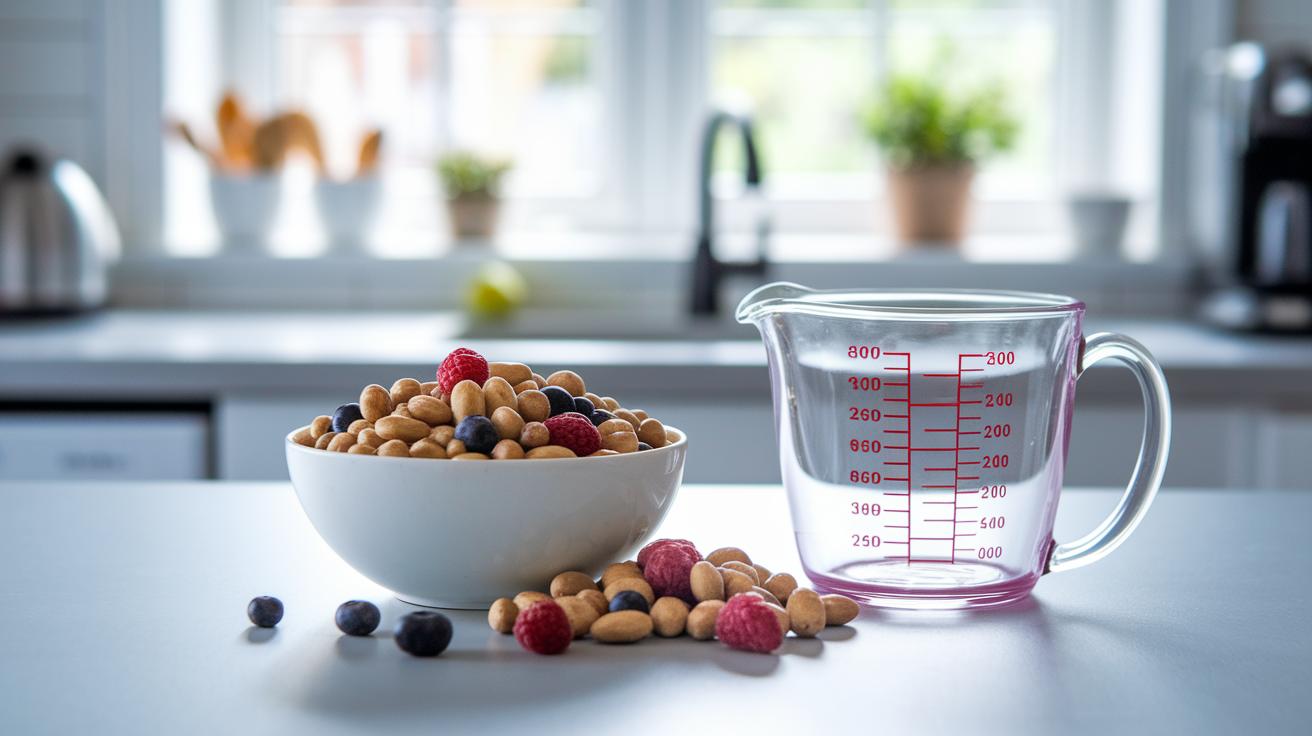
When choosing a snack, go for foods that pack a lot of good stuff to help keep your blood sugar steady. Try about 1 oz. of nuts, ½ cup of berries, or 6 oz. of plain yogurt. These options give you a mix of protein, fiber, and healthy fats to keep hunger at bay and help manage your glucose without any wild swings. Think of these portions as handy building blocks that fit perfectly into your daily count of carbs.
A few simple tools can really help you keep your portions in check. Using measuring cups, spoons, or a kitchen scale makes it easy to stick to the right serving sizes. When your carb portions stay the same, it’s simpler to take care of your blood sugar. And don’t forget about sodium, keeping it under 2,300 mg a day supports your heart and rounds out your diabetic meal plan. These easy tips not only simplify your eating habits but also give you the power to make healthier choices every day.
Sustainable Balanced Eating Habits for Long-Term Diabetes Management
Switching up your meals and sticking to a regular routine help keep your energy high and your blood sugar in check. Changing your meals gives you a mix of nutrients, and eating at set times helps keep your energy balanced. Think of your daily schedule as a guide that builds healthy eating habits that last.
Mixing up your menu every week can make meal planning fun and fresh. It might help to do some batch cooking on the weekend so you have several meals ready for busy days. One week, you could enjoy a new vegetable stir-fry, and the next, a hearty bean stew. It also helps to check in on your goals and adjust your meal times, portion sizes for carbs, and protein amounts. A registered dietitian or diabetes care specialist can help you tweak your plan as your needs change, making meal planning easier and more enjoyable.
Having a health professional by your side gives you ongoing support and personalized advice. This means your eating habits can keep up with your long-term goal of feeling great and managing diabetes effectively.
Final Words
In the action, our article explained how choosing key food groups and planning meals can make blood sugar control easier. We broke down macronutrient roles, portion control, and smart snacking techniques step by step. Our tips help you adjust meals toward a balanced diet for diabetics and set up a plan that fits into daily routines. Every strategy is all about making health choices feel simple, and each small change adds up to better energy and control. Keep testing new methods, it’s all about a positive spin on managing your health.
FAQ
What does a 7-day diet plan for diabetic patients look like?
The 7-day diet plan for diabetic patients offers daily menus rich in non-starchy vegetables, lean proteins, and complex carbs while keeping refined sugars and processed foods to a minimum for steady blood sugar control.
What does a diabetic diet food list include and which foods should beginners focus on?
The diabetic diet food list includes fresh vegetables, whole fruits, whole grains, lean proteins, and healthy fats, while beginners should avoid white bread, sugary treats, and highly refined items to maintain balanced glucose levels.
What is the best diet for a diabetic person and what does a basic diabetic diet involve?
The best diet for a diabetic person features balanced meals that combine non-starchy vegetables, low-glycemic carbohydrates, and lean proteins, forming a simple plan that keeps blood sugar levels stable.
What is a balanced meal for a diabetic?
A balanced meal for a diabetic typically comprises about half non-starchy vegetables, one-quarter lean proteins, and one-quarter complex carbohydrates, helping to provide steady energy and essential nutrients.
What does a Type 2 diabetes diet sheet offer?
A Type 2 diabetes diet sheet provides clear guidelines on portion sizes, food group selections, and meal timing, making it easier to manage blood sugar through mindful eating practices.

