
Have you ever thought that one out of three of us might face cancer someday? It may sound scary, but it also shows how small changes in our daily habits can make a big difference.
By choosing healthy foods, getting enough sleep, and setting aside time to relax, you help build a natural shield for your body. These simple steps protect you, just like a little safety net that grows stronger over time.
In this article, we share easy tips you can try right away to lower your risk and live a healthier life. Ever notice how tiny habits can add up to something powerful? Let's take a closer look and see how a few small changes can truly work wonders.
Comprehensive Overview of Cancer Disease Prevention
It might seem unsettling to know that one in three of us could be touched by cancer someday. However, mixing sound medical advice with smart everyday habits can really help us stay ahead. Research shows that even small changes in our routine, like what you learn by checking out the link for what is preventive care, can lead to big, lasting benefits.
Have you ever noticed how a full night’s sleep can perk you up? Getting enough sleep not only keeps you feeling fresh; it also boosts your body’s natural shields against sickness. And when it comes to eating, a diet rich in fruits, veggies, and whole grains can support your body in slowing down harmful processes.
Taking care of your emotions is just as important. Engaging with loved ones and managing stress can foster better habits, making everyday life a bit easier. And don’t skip those regular check-ups, talking with your doctor rounds out your personal plan for keeping cancer at bay.
By weaving together routine medical screenings with day-to-day choices like proper rest, good food, and warm social interactions, you build a strong, layered defense against cancer. In truth, combining these thoughtful steps helps create a healthier, more empowered life.
Nutrition Strategies for Prevention of Cancer Disease

Eating well can play a big role in lowering your chances of getting cancer. Everyday foods offer nutrients that work like tiny helpers, protecting your cells and boosting your body’s natural defenses. When you opt for whole, fiber-rich foods and colorful fruits and veggies, you naturally cut down on the risk factors linked to cancer. Think of it like swapping a dim light for one that shines bright, this small change can really make a difference.
- Broccoli – contains sulforaphane, a nutrient known for its cancer-fighting properties
- Carrots – have been linked to a lower risk of cancer
- Fiber-rich beans – help protect your colon
- Berries – full of antioxidants that support overall health
- Cinnamon – might stop cancer cells from spreading
- Nuts – are associated with a lower chance of developing cancer
- Olive oil – a Mediterranean favorite rich in healthy fats
- Turmeric – offers curcumin, which fights inflammation
- Citrus fruits – deliver vitamin C and key antioxidants
- Flaxseed – packed with fiber and healthy fats
- Tomatoes – supply lycopene, a powerful antioxidant
- Garlic – provides allicin, known for its cancer-fighting effects
- Fatty fish – give you omega-3 fatty acids that support cell protection
Lots of studies, from lab tests to research with people and animals, show that a varied diet full of these whole foods may help lower cancer risk. Adding these 13 items to your meals not only boosts flavor but also helps guard your cells against damage. Every smart choice you make in your diet is a proactive step towards a healthier life.
Lifestyle Modification to Lower Cancer Risk
Kicking the habit of tobacco, whether it's cigarettes, e-cigarettes, cigars, or even dealing with secondhand smoke, is one of the best moves to lower your risk of cancer. Regular exercise does more than just help you keep a good weight; it also helps your body balance hormones like estrogen and insulin, which can sometimes fuel tumor growth. Adding simple activities like a daily walk or a bike ride can give your body a natural boost in defense.
Cutting back on alcohol is another smart change you can make. Research tells us that lifestyle choices might impact up to half of the cancers we can avoid. Drinking less not only helps control extra calories but also cuts down your exposure to harmful chemicals in some beverages. And don't forget about sleep, getting consistent, quality sleep helps your body repair itself and builds stronger protection against diseases.
Taking time to ease your stress is equally important. Simple practices like mindfulness, meditation, or even a few deep breaths can really lower your stress levels. And when you mix these with connecting with friends and family, you're setting up a strong foundation for a healthier life while also lowering your cancer risk.
Early Detection and Screening Approaches in Cancer Prevention
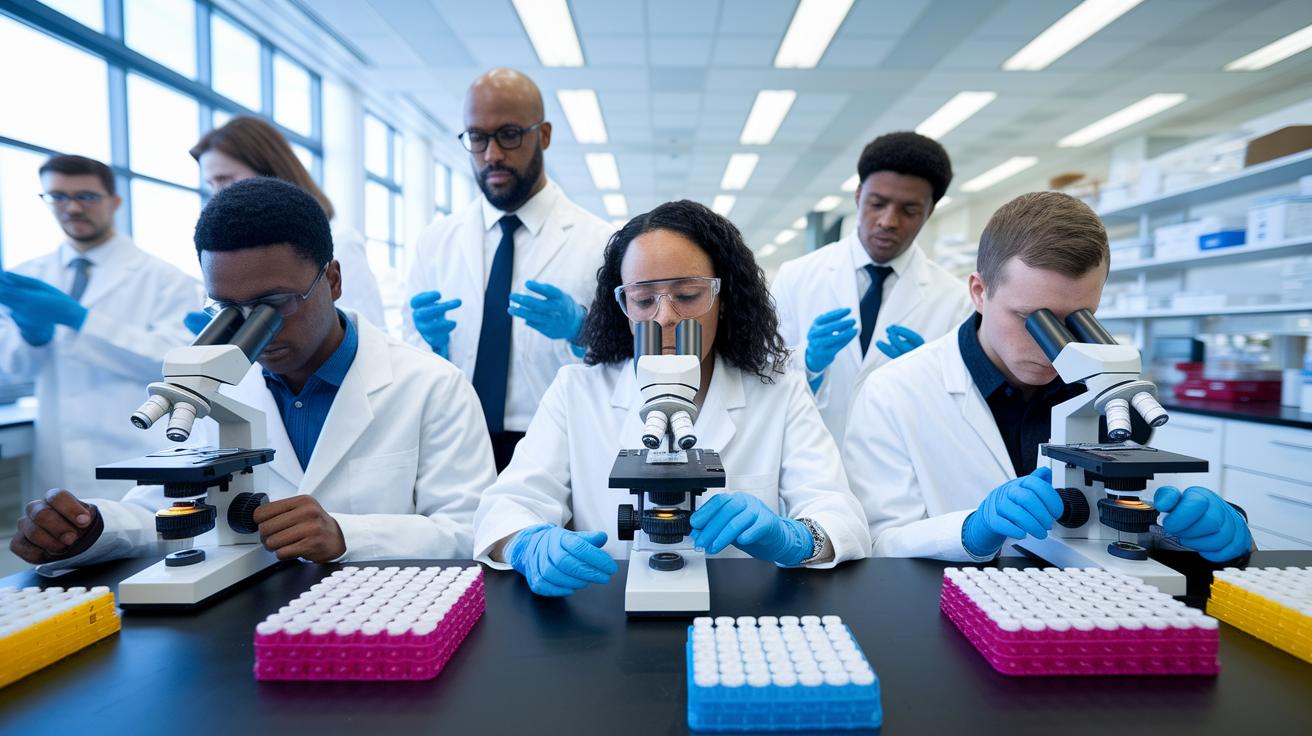
Regular self-checks and standard screening tests are key for spotting cancer early. Tests like mammograms, colonoscopies, Pap smears, low-dose CT scans for the lungs, and full-body skin exams help flag issues before any symptoms show up. Catching cancer early can mean the difference between an easy treatment and more involved therapies later. Studies even show that early detection leads to better outcomes, so keeping up with your regular screenings is a smart move.
Your family health history also plays a big role in how often you might need these tests. If close relatives have had certain cancers, getting a genetic risk evaluation might be useful, and a screening schedule can be personalized just for you. Understanding your own genetic and family risks makes it easier to stick to tailored advice. You can even check out the helpful guidance on preventive care screenings available at https://healthlystats.com?p=202, which makes sure your individual risks are managed correctly.
In short, taking these early detection steps means you're being proactive about your health. By catching potential issues early, you give yourself a better chance of avoiding tougher challenges down the road.
Advances in Preventive Therapies and Research for Cancer Prevention
New breakthroughs in preventive therapies are opening up fresh ways to lower cancer risk. Researchers are studying cancer cell biology closely to find methods that stop the disease before it even starts. For example, drugs like tamoxifen help high-risk patients by blocking specific receptors, which reduces their chance of developing breast cancer. Vaccines against viruses, like human papillomavirus and hepatitis B, are also making a big difference by preventing tumors linked to these viruses. And scientists are now testing immunotherapy techniques that boost T-cell responses (these are special cells that help fight off diseases) to target early cancer cells and precancerous lesions. This proactive approach helps the immune system spot and fight off triggers that can lead to tumor formation.
Laboratory studies are also looking at natural compounds from plants, like curcumin and EGCG (a major ingredient in green tea), which might have cancer-fighting benefits. These natural substances could work well alongside traditional drugs and vaccines to form a stronger defense against the disease. With continuous advances in both drug-based and immune-based therapies, experts are building a more complete prevention toolkit. This means there are promising new options on the horizon to help lower cancer risk, and ongoing research keeps refining these strategies to make cancer prevention even more effective for everyone.
Final Words
In the action of lowering risks and boosting well-being, the blog walked through a holistic look at lowering cancer chances. It highlighted nutrition, lifestyle tweaks, regular screenings, and advances in therapies, all essential for managing health effectively.
The approach blends daily habits with proactive measures that support the prevention of cancer disease. Small changes can lead to big improvements. Keep moving forward with optimism and a clear plan for better health every day.
FAQ
Q: 10 ways to prevent cancer
A: The idea of 10 ways to prevent cancer usually includes balanced nutrition, regular exercise, maintaining a healthy weight, quitting tobacco, reducing alcohol, managing stress, protecting skin, routine health screenings, safe sun practices, and proper sleep habits.
Q: What stops cancer cells from growing?
A: The question about what stops cancer cells from growing is answered by treatments that block cell division and targeted medications, along with the body’s natural defenses boosted by a healthy lifestyle.
Q: What to eat to prevent cancer
A: The question on what to eat to prevent cancer emphasizes a diet full of vegetables, fruits, fiber, healthy fats, and natural compounds that help lower inflammation and support your overall well-being.
Q: Prevention of cancer PDF and Prevention of cancer ppt
A: The terms prevention of cancer PDF and ppt refer to downloadable resources that provide clear, research-backed steps and visuals outlining lifestyle changes, screening guidelines, and other risk-reduction strategies.
Q: How to prevent cancer or find it early
A: The query about how to prevent cancer or find it early is answered by combining healthy living habits—like a balanced diet and regular exercise—with routine screenings that help detect any changes at an early stage.
Q: How to prevent cancer if it runs in the family
A: The question on preventing cancer when it runs in the family focuses on regular checkups, genetic counseling, and a commitment to healthy lifestyle choices alongside personalized screening plans to catch issues early.
Q: Cancer prevention medicine
A: The inquiry about cancer prevention medicine refers to treatments like chemopreventive drugs, vaccines, and other preventive therapies that reduce risk for those with high chances of developing specific cancers.
Q: What is the prevention of cancer?
A: The question on what the prevention of cancer means covers a range of approaches—from adopting healthier habits to routine screenings and sometimes the use of specific medications—to lower the chance of cancer developing.
Q: What is 90% of cancer caused by?
A: The query about what 90% of cancer is caused by points to lifestyle and environmental factors such as tobacco use, poor diet, physical inactivity, and exposure to harmful substances that greatly increase risk.
Q: Can cancer be 100% prevented?
A: The question asking if cancer can be 100% prevented shows that, while healthy habits and early detection can significantly lower risk, complete prevention is not possible due to factors beyond our control.
Q: What is the primary prevention of cancer?
A: The question on primary prevention of cancer highlights actions that stop cancer from developing in the first place, including healthy lifestyle choices, vaccines, and avoiding harmful exposures.

