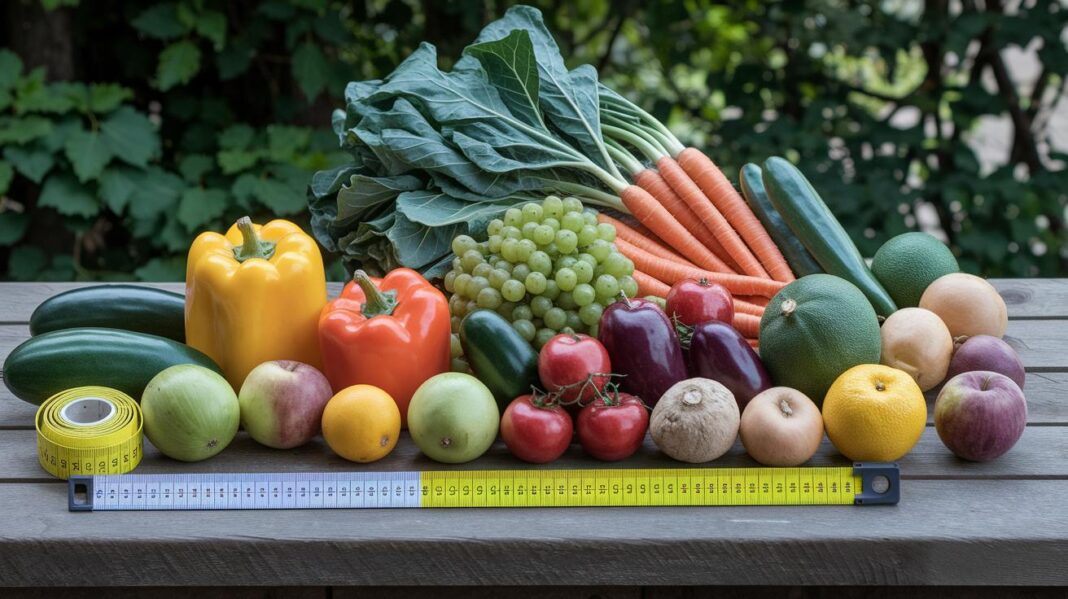
Ever thought your meal might help lower your blood pressure? About one in three adults face high blood pressure, but small changes in your eating habits could really help your heart.
Imagine filling your plate with bright veggies, lean meats, and whole grains, all teaming up like a well-practiced crew. Research shows that simple tweaks in your diet can lower both the top and bottom blood pressure numbers.
A balanced diet isn’t a magic cure; it’s a powerful tool to help you live a healthier life.
Balanced Diet Strategies for Managing High Blood Pressure
Nearly 6 million Australians, around one-third of adults, struggle with high blood pressure. That tells us there’s a lot of room to improve our eating habits. When we adjust our diets just a little bit each day, we can see real changes in our heart health and overall wellness.
A balanced diet for managing blood pressure is pretty simple. Think of it as filling your plate with a rainbow of veggies (about 4-5 servings every day), just like the DASH eating plan suggests. Add fruits too, because they come packed with potassium, which helps keep blood pressure steady. Don’t forget whole grains like brown rice, oats, or whole-wheat bread for long-lasting energy, and lean proteins such as fish, chicken, or plant-based choices like beans and lentils instead of processed foods.
Even small tweaks can make a big difference. Research shows that by simply increasing your fruits, veggies, and whole foods, you can lower both the top and bottom numbers of your blood pressure. These easy changes empower you to take control of your heart health and move toward a healthier life.
Core Nutrients in a Balanced Diet for High Blood Pressure
If you're looking to manage high blood pressure, paying attention to your diet is a great starting point. Certain nutrients work hand in hand to support your heart and help keep your blood pressure in a healthy range. Take potassium, for instance, it helps balance sodium levels and eases tension in your blood vessels, making it easier for blood to flow. Whole grains and legumes pack dietary fiber that not only keeps your heart happy but also makes you feel fuller longer. Healthy fats from nuts, seeds, and avocado work to balance out the bad effects of saturated fats, while minerals like magnesium and calcium help your blood vessels maintain the right tone. By focusing on these nutrients, you can naturally support a healthy blood pressure with your meal plan.
| Nutrient | Role in BP Control | Food Sources |
|---|---|---|
| Potassium | Helps balance sodium, relaxes blood vessels, and improves blood flow | Beetroot, bananas, oranges, leafy greens, tomatoes, potatoes (with skins), sweet potatoes, avocados, legumes |
| Dietary Fiber | Boosts heart health and keeps you feeling satisfied | Whole grains, legumes |
| Healthy Fats | Protects the heart with unsaturated fats | Nuts, seeds, avocado |
| Magnesium & Calcium | Help maintain healthy blood vessel tone and overall blood pressure | Dairy products, leafy greens, legumes, fortified foods |
It’s easier than you might think to add these nutrients into your daily routine. For example, you could enjoy a banana at breakfast, toss a handful of seeds on your lunch salad, or savor a dinner full of colorful veggies and whole grains. These little changes can come together to create a balanced meal plan that supports your heart and overall well-being.
balanced diet for high blood pressure fuels health
Breakfast (7:00 AM): Start your morning with a warm bowl of whole grain oatmeal mixed with banana slices and a few chia seeds. Add a small cup of low-fat yogurt and some berries to round out your meal. This meal packs plenty of fiber, potassium (which helps manage blood pressure), and protein to keep you feeling steady all day.
Morning Snack (10:00 AM): Grab a crisp apple paired with a handful of unsalted almonds. This light snack is loaded with vitamins, healthy fats, and fiber. Plus, the magnesium in almonds is great for keeping your blood vessels in check.
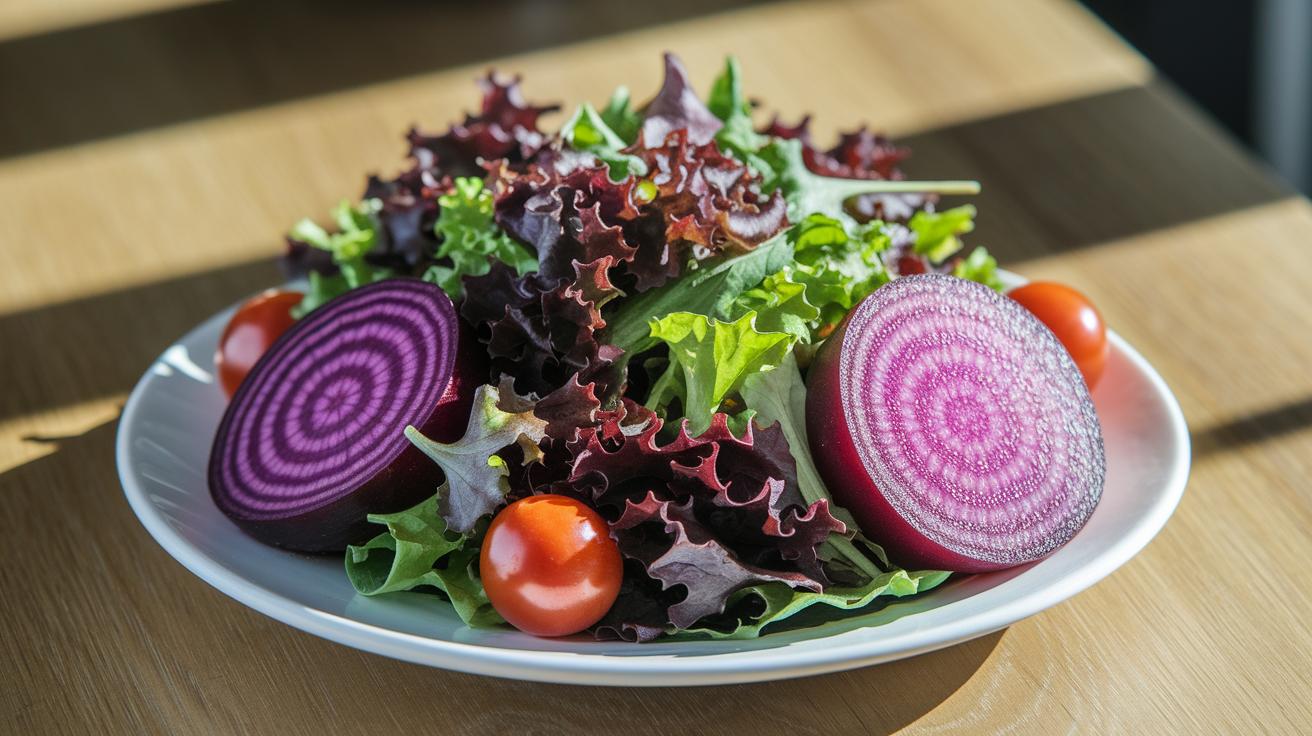
Lunch (12:30 PM): Enjoy a colorful salad made with 2 cups of mixed leafy greens, some beetroot slices (great for boosting nitric oxide that helps widen blood vessels), and cherry tomatoes. Top it off with lean grilled chicken or tofu and a drizzle of olive oil mixed with lemon juice. A slice of whole grain bread on the side adds extra fiber to help protect your heart. For more detailed meal plans, check out our healthy eating for high blood pressure resource.
Afternoon Snack (3:30 PM): Keep your energy up with a serving of raw veggie sticks, like carrots and cucumbers, paired with a side of hummus. This snack is low in salt and gives you an extra dose of fiber and vitamins to keep you balanced.
Dinner (6:30 PM): End your day with a heart-healthy dinner featuring baked salmon or a lentil patty, along with steamed broccoli and a serving of quinoa mixed with diced vegetables. A small side salad with reduced-fat dressing nicely rounds out this nutritious meal.
Low Sodium Culinary Tips in a Balanced Diet for High Blood Pressure
Cutting back on salt in your cooking doesn’t mean you sacrifice great taste. With a few easy swaps, you can whip up tasty meals that support healthy blood pressure. Give these ideas a try to boost flavor naturally without extra salt:
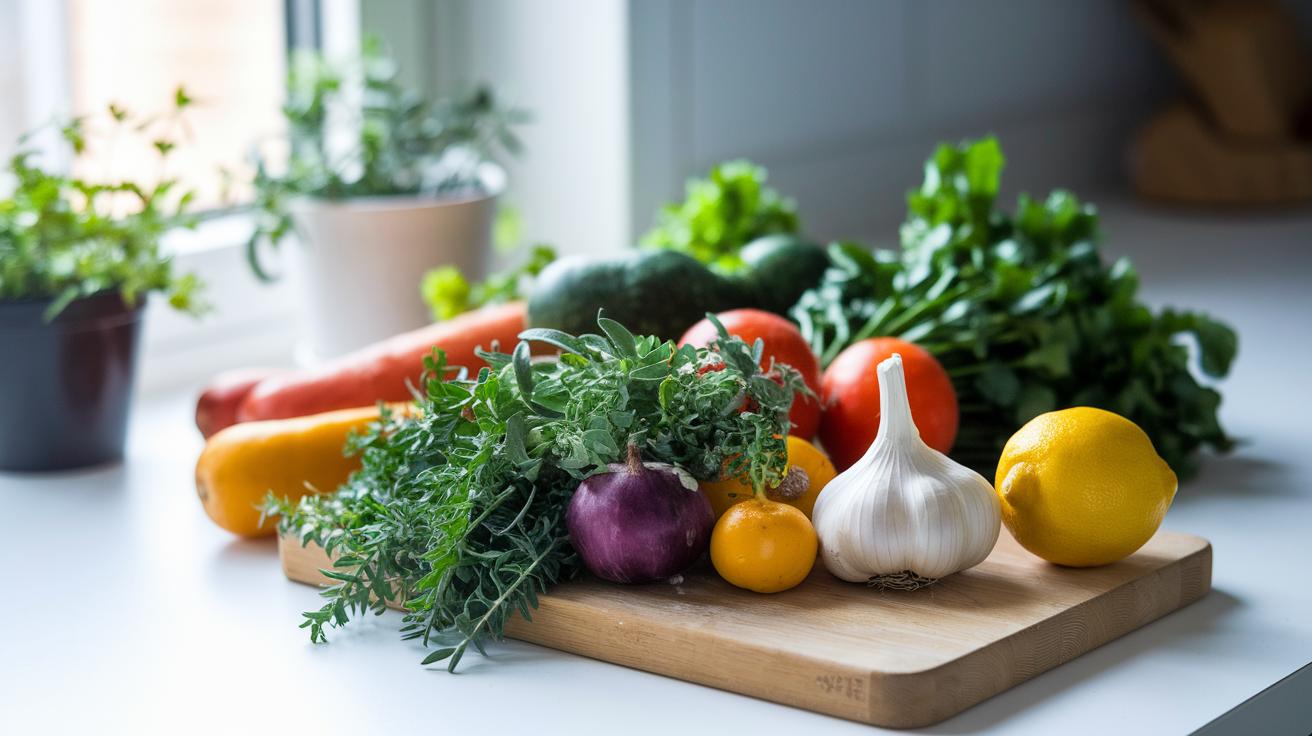
- Add fresh herbs and spices like garlic, paprika, or oregano to bring out a rich, savory taste in your dishes.
- A splash of lemon or lime juice over your food can brighten the flavors while keeping sodium low.
- Choose salt-free seasoning mixes and avoid processed sauces loaded with sodium that can hide your ingredients’ natural goodness.
- Roast, grill, or sauté your foods to boost their natural flavors. The slight caramelization can make every bite a bit more special.
- Use garlic- or onion-based rubs instead of salted marinades to provide an aromatic, deep flavor.
These simple changes let you enjoy your meals without too much salt. It’s all about discovering new flavor twists that keep your dish exciting and friendly to your heart. Each tip is a straightforward way to lower sodium and care for your overall well-being.
Try out these low-sodium ideas and see how everyday meals can turn into heart-smart, delicious treats.
Integrating DASH-Inspired Eating Plan with a Balanced Diet for High Blood Pressure
Stick with the DASH guidelines by aiming for about 4 or 5 servings of fruits and veggies, 6 to 8 servings of whole grains like oats or brown rice, and 2 or 3 servings of low-fat dairy such as plain yogurt. This simple mix forms a balanced diet that helps keep your blood pressure in a healthy range.
Whole grains pack fiber and help keep your energy steady. Picture yourself starting the day with a bowl of oatmeal that not only fills you up but also looks after your heart.
Low-fat dairy is a smart choice for essential nutrients without extra fat. For example, a glass of skim milk or a serving of yogurt fits perfectly into your balanced plan.
And don’t forget lean proteins. Options like fish, poultry, beans, or lentils round out your meals while supporting a healthy blood pressure approach.
Budget-Wise Grocery Tips for a Balanced Diet for High Blood Pressure
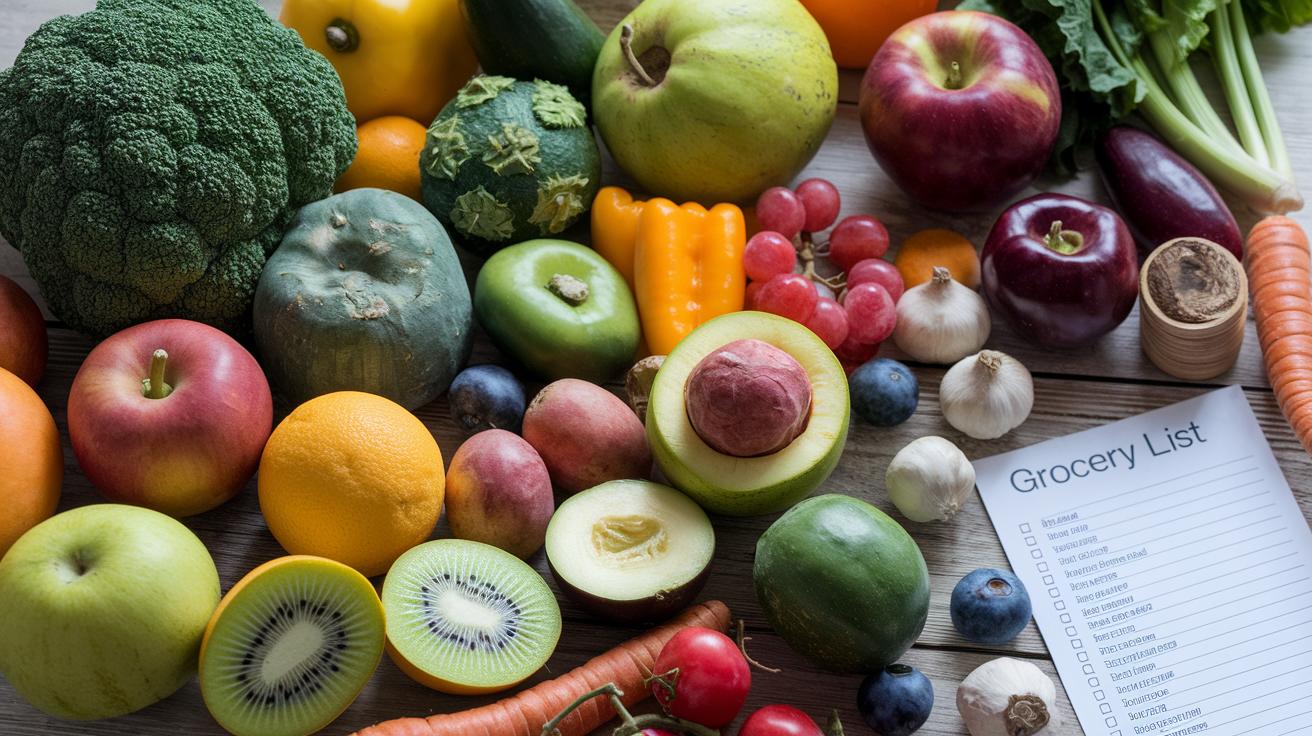
A smart way to shop is by choosing fruits and veggies that are in season. They taste great, pack lots of nutrients, and often cost less. Store-brand whole grains and canned beans can also help cut costs while still giving your heart the nutrients it needs. Frozen fruits and vegetables are another good option because they keep their nutrition without the high price tag. Buying nuts and seeds in bulk saves money too, letting you build a balanced, heart-healthy diet without overspending.
Planning your meals ahead makes a huge difference in your grocery budget. Writing a detailed list keeps impulse buys in check and makes sure you never miss the essentials for healthy eating. Try setting aside a little time each week to plan your breakfasts, lunches, dinners, and snacks. Doing this not only helps with portion control but also ensures you enjoy a variety of fruits, grains, and proteins that support a balanced diet for managing high blood pressure.
Final Words
In the action, we outlined practical ways to use a balanced diet for high blood pressure to make everyday improvements. We explored how daily food choices, like more veggies, whole grains, and lean proteins, can lower readings and boost overall health.
The piece also offered sample meal plans, low-sodium tips, and budget-friendly grocery strategies. Small shifts in your diet create real change, and these tips can turn simple meals into powerful tools for a healthier life.

