Ever wonder if a tiny tweak to your bedtime routine could protect you from a serious illness? Malaria can start with just one mosquito bite, so even something simple like using a treated bed net makes a big difference.
This post will share easy, everyday tips that help lower risks and make your home a safer place for you and your family. We'll show you how small, proactive steps can lead to major health benefits.
Effective Personal Protective Measures in Malaria Disease Prevention
Malaria is spread by Anopheles mosquitoes that carry the Plasmodium parasite, mostly when it’s dark outside. At night, even one bite can start an infection. So, taking simple steps at home to avoid mosquito bites can really lower your risk.
One of the best ways to protect yourself is by sleeping under an insecticide-treated bed net. Research shows that using these nets can lower child deaths by as much as 20%. Health experts say it’s smart to use bed nets along with other strategies to keep mosquitoes out of your space.
Here are some friendly tips:
- Hang and tuck your treated net properly
- Retreat or replace your net regularly to keep it effective
- Apply repellents with DEET or picaridin
- Wear long-sleeved clothes at night
- Install screens on windows and doors
- Use indoor mosquito coils or fans to deter mosquitoes
These simple steps work together to create a safer sleeping environment. When you protect yourself, you also help your community by reducing the spread of malaria.
Chemoprophylaxis Protocols for Malaria Disease Prevention
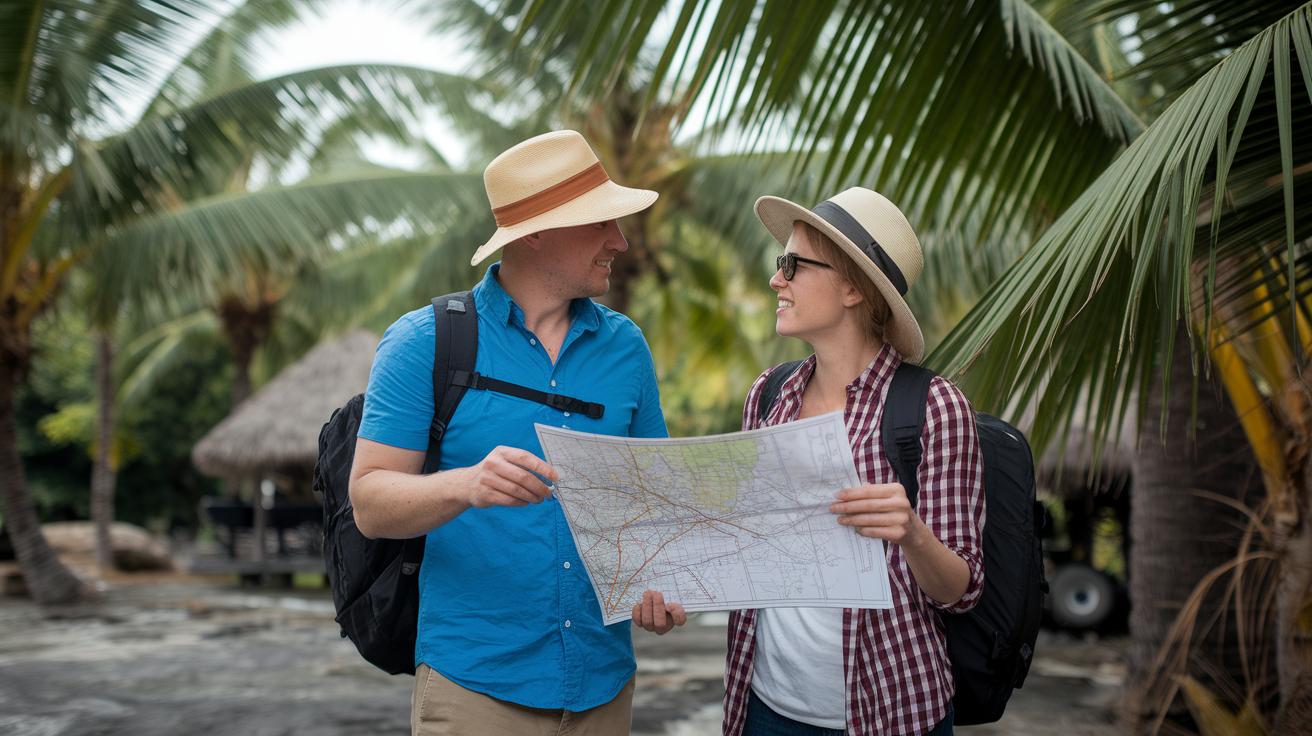
When you're headed to tropical or subtropical areas, taking preventive malaria medication is a smart move. Even with other precautions, these places can still pose a risk, so it's a good idea to chat with your doctor 4–6 weeks before you travel. Your doctor can help pick the right medicine based on where you're going.
These medications work by stopping the malaria-causing parasite from multiplying in your blood and liver. Trust me, sticking to the prescription schedule is key. Taking your doses on time makes a huge difference in keeping malaria at bay during your trip.
| Drug | Dosage | Duration | Common Side Effects |
|---|---|---|---|
| Atovaquone-proguanil | 250 mg/100 mg daily | Start 1 day before travel; 7 days after | Nausea, headache |
| Doxycycline | 100 mg daily | Start 1–2 days before; 4 weeks after | Photosensitivity, GI upset |
| Mefloquine | 250 mg weekly | Start 2 weeks before; 4 weeks after | Dizziness, vivid dreams |
| Chloroquine | 300 mg weekly | Start 1 week before; 4 weeks after | Itching, GI upset |
Following the full medication plan is crucial. Skipping doses or stopping the treatment early can let the parasite grow and make it harder to fight off an infection. So, be sure to stick with your schedule and follow your healthcare provider’s advice to keep yourself safe while you explore the world.
Community and Environmental Malaria Prevention Strategies
When communities come together, they can greatly lower the risk of malaria. Local programs use indoor spraying of WHO-approved bug killers on home and public space walls to stop mosquitoes from resting and reproducing. Health teams also use larviciding, which means they treat water sources to keep young mosquitoes from reaching adulthood. In many parts of Africa, where almost 94% of malaria deaths happen, these efforts are essential. By sticking to these steps, communities reduce the number of mosquitoes that could carry the parasite. For instance, one area might see fewer malaria cases because regular spraying and treating water pools keep mosquito numbers down. This method not only protects individual homes but also cuts malaria cases in whole regions, boosting public health.
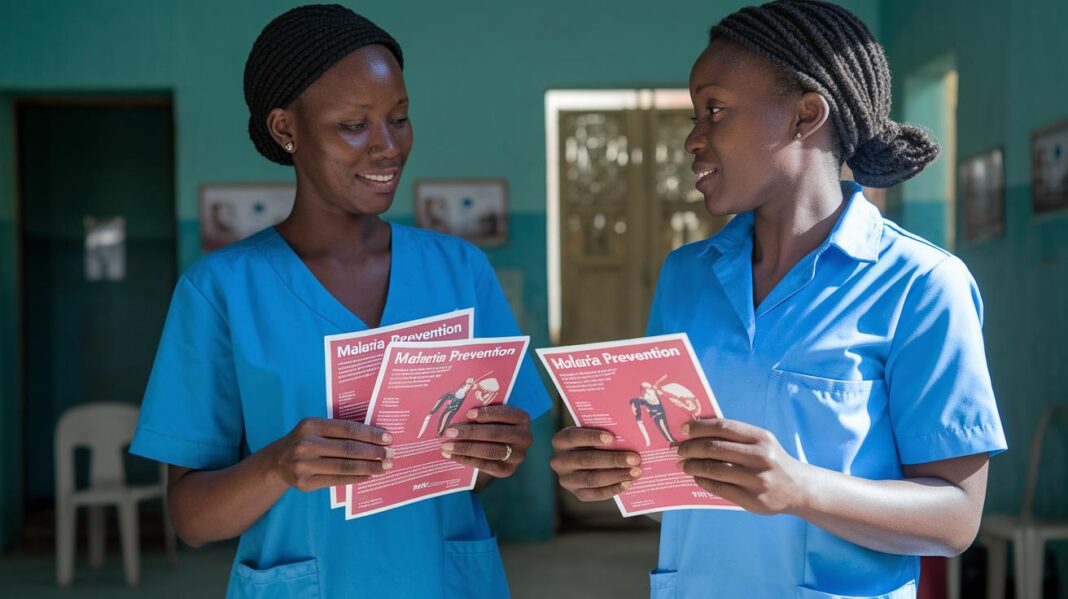
Communities can strengthen these benefits by changing their surroundings. Local groups work together to clear standing water from parks, streets, and near houses so that mosquitoes don’t have places to breed. Proper waste management also helps prevent small, hidden water pools that can become mosquito nurseries. At the same time, local clinics and health workers hand out nets and share easy tips on using them well. Their work makes sure that even those who don’t often visit a medical center know how to lower their risk of mosquito bites, creating a safer space for everyone.
Advances in Malaria Vaccine Research and Prevention Tools
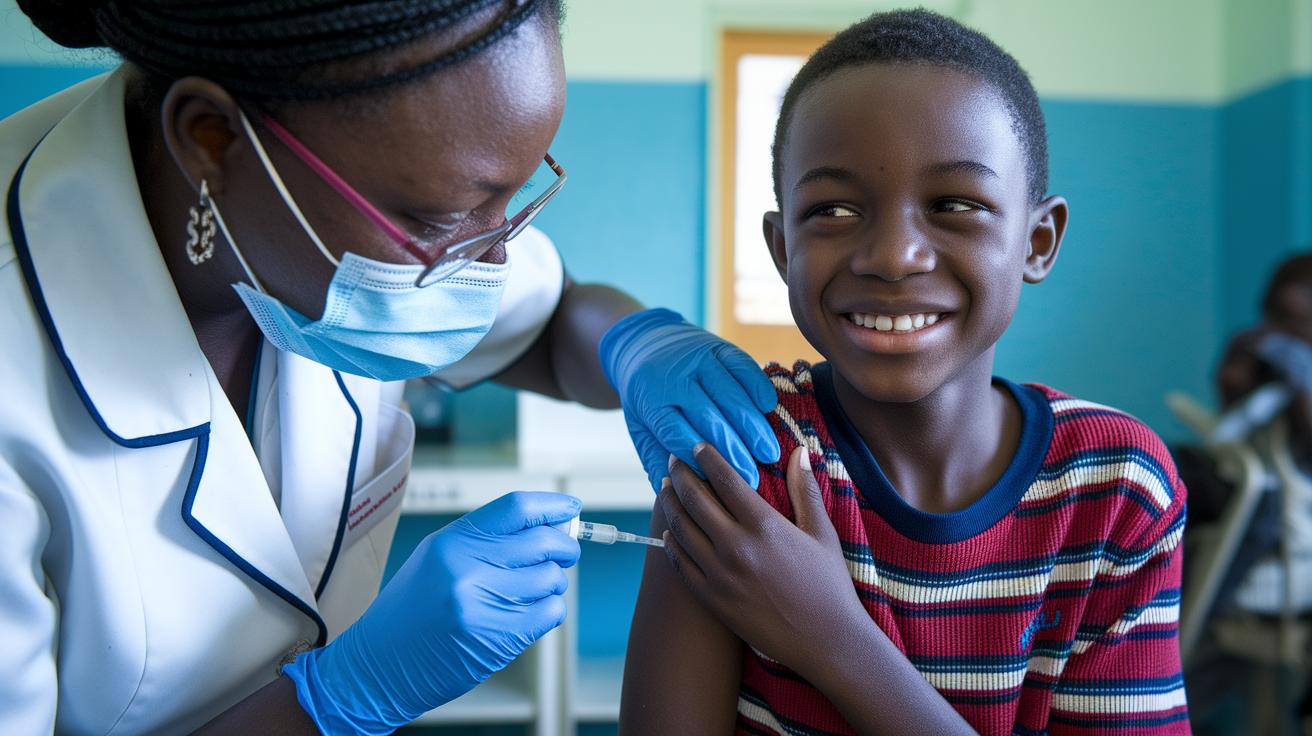
The World Health Organization now supports two vaccines for kids in areas with a lot of malaria. This is a hopeful sign for fighting this disease worldwide. These vaccination projects work closely with methods like using bed nets and taking preventive medicines. Researchers are busy testing new vaccine versions that could offer protection for a longer time. By mixing vaccines with other prevention tools, experts believe families in high-risk areas can stand a better chance against malaria.
RTS,S/AS01 Vaccine
The RTS,S/AS01 vaccine cuts severe malaria in young children by about 30 to 50 percent, protecting kids aged 5 to 17 months. Think of it as a reliable shield that greatly lowers the risk of serious illness in little ones. It plays a key role in ongoing immunization plans in places where malaria is a constant worry, easing the heavy burden the disease brings to communities.
R21/Matrix-M Vaccine
Recent trials for the R21/Matrix-M vaccine have shown up to 75 percent effectiveness, which is really promising. Scientists are keeping a close eye on its progress as it moves toward final approval. With these encouraging results, this vaccine could soon offer even stronger protection and add a powerful new tool to the global fight against malaria.
Surveillance and Early Detection in Malaria Disease Prevention
Rapid diagnostic tests (RDTs) have truly changed the game for community health. These simple tests can spot malaria in less than 20 minutes by checking for key symptoms like fever and chills and by looking at a person’s recent travel history to places where malaria is common. Imagine arriving at a small clinic, getting a quick test, and having treatment started almost right away. This fast action stops the parasite from spreading and helps prevent serious complications like organ problems. Health workers rely on these tests to catch the disease early, which makes it much easier to treat and reduces the chance of severe illness.
Data-driven sentinel surveillance is another important tool that helps keep malaria outbreaks in check. In this system, local clinics gather and analyze data on malaria cases to spot any unusual increases. When several cases cluster together, rapid response teams are sent out to look into the situation. This approach not only allows for early detection of potential outbreaks but also ensures that resources are directed right where they’re needed, so every new case can be addressed quickly.
Targeted Malaria Prevention for Vulnerable Populations
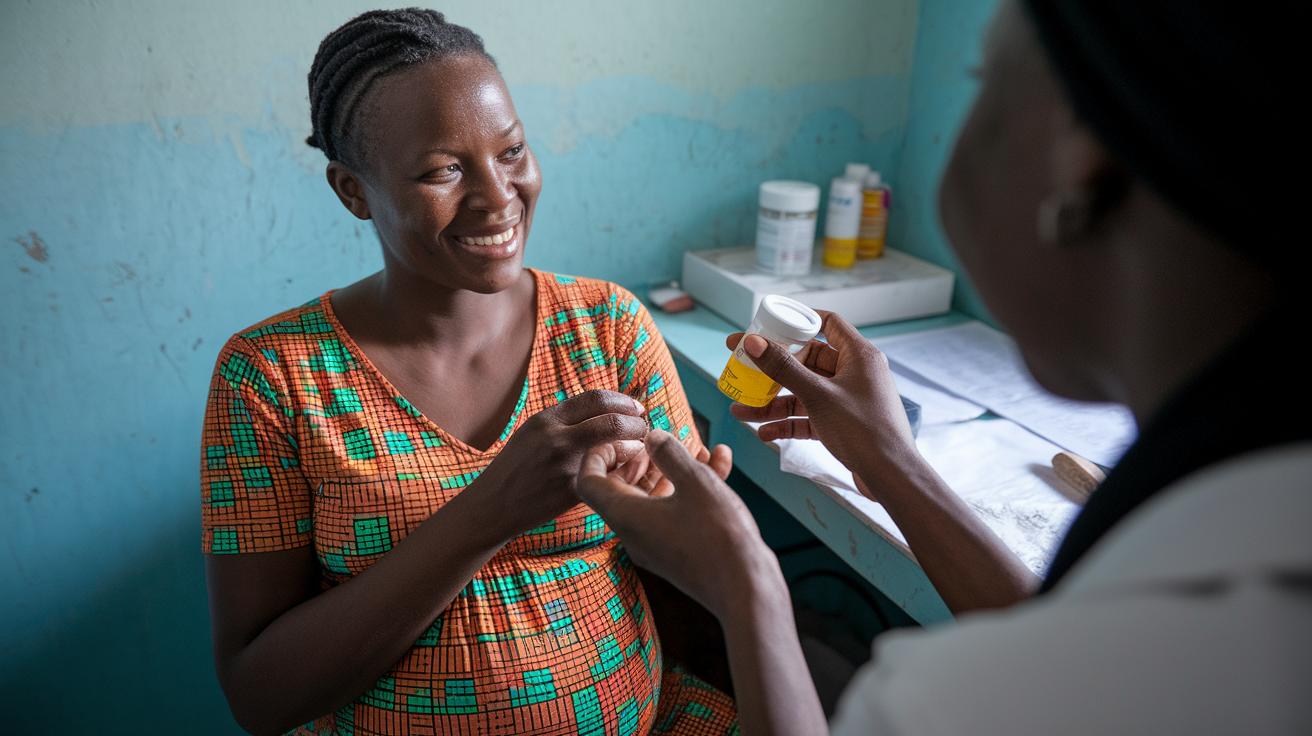
Pregnant women in areas where malaria is common receive a special treatment during pregnancy called intermittent preventive treatment, or IPTp. In simple terms, they take a combination of medicines (sulfadoxine-pyrimethamine) at key moments in their pregnancy to help lower the chance of having a baby with low birth weight, a serious problem linked to malaria. This step protects both mom and baby exactly when they need it most.
Kids under 5, especially in places like the Sahel, also get regular doses of malaria prevention medicine. These doses are timed to match the busiest malaria season, which helps keep the disease in check. Sticking to these schedules is really important because if the doses get delayed or interrupted, it can weaken the natural partial immunity that people in these areas slowly build up.
Using bed nets day and night along with these medicines has been shown to really cut down on malaria rates and lessen how severe the disease can get in children.
For travelers, migrants, or anyone who hasn’t built up any natural protection against malaria, it’s best to have a tailored plan. It’s a good idea to chat with a healthcare provider well before visiting a high-risk area so you can get the right preventive drugs and practical advice on keeping safe.
Final Words
In the action, the article explored practical steps to block mosquito bites, compare drug regimens, engage communities, and adopt breakthrough vaccines. The post broke down everyday protective habits alongside tailored treatment plans and early detection measures.
It also underscored the need for consistent care and adherence to guidelines for improved health management in malaria disease prevention. Every method shared aims to empower healthier choices and instill hope through science-backed strategies. Here's to a future where informed decisions lead to lasting well-being.
FAQ
What are the best methods for preventing malaria?
The best methods for preventing malaria involve blocking mosquito bites with insecticide-treated bed nets, repellents, and proper clothing at night, combined with community strategies like indoor spraying and removing stagnant water.
What causes malaria?
The causes of malaria stem from being bitten by an Anopheles mosquito carrying Plasmodium parasites, mainly during dusk through dawn when these mosquitoes are most active.
How is malaria transmitted?
The malaria disease is transmitted when an infected Anopheles mosquito bites a person, transferring the Plasmodium parasite into the bloodstream during its active feeding hours at dusk and dawn.
What are common symptoms of malaria?
The common symptoms of malaria include fever, chills, headache, and nausea, which appear as the body responds to the malaria parasite after the mosquito bite.
What is the best treatment for malaria?
The best treatment for malaria involves taking antimalarial medications prescribed by a healthcare provider after accurate diagnosis, with drug choices based on the parasite type and resistance patterns in the region.
How can communities practically prevent malaria?
Community prevention of malaria involves measures such as indoor spraying with approved insecticides, eliminating standing water to reduce mosquito breeding, and educating residents on using bed nets and repellents effectively.

