
Ever wondered if your next doctor’s visit might feel more personal and clear? New health tech is changing how care is given by turning piles of complex data into simple info that helps guide treatments.
Imagine a smart device that keeps an eye on you in real time or a virtual helper that makes booking appointments a breeze. These tools aren’t just cool gadgets, they are reshaping care so that treatment fits you just right.
In this article, we explore how modern health IT is sparking a care transformation every day.
Health IT Innovations Driving Healthcare Transformation
Advanced health IT is turning the way we care for patients on its head. It’s a tech revolution that makes treatments more accurate and care more personal. Imagine AI helping with imaging tests, guiding virtual health assistants, and even discovering new drugs. In fact, the very first drug molecule created by AI was patented back in January 2020. Meanwhile, smart devices keep an eye on patient conditions in real time, and telehealth solutions bring healthcare to your living room. This tech takes a mountain of clinical data and turns it into simple, clear insights that help tailor treatments just for you.
Modern upgrades in electronic records and cloud tech mean sharing data is easier than ever, smoothing out day-to-day operations. Virtual consultations are booming, and the market for wearables and real-time health tracking is expected to soar to nearly $39 billion by 2026. These advancements, along with smart analytics, help doctors make faster, better decisions. Together, they’re reshaping the very foundations of healthcare.
| Innovation |
|---|
| AI and Machine Learning Applications |
| Telehealth and Virtual Care Platforms |
| Electronic Record and Data Management Systems |
| Cybersecurity and Data Stewardship Solutions |
| Internet of Medical Things and Wearables |
The rapid pace of these technologies is clear, they boost clinical efficiency and enhance patient care every single day. It’s an exciting time in health IT, with each innovation helping to build a smarter, more caring future for all.
AI and Machine Learning Integrations in Health IT Innovations

Artificial intelligence is changing how we look at medical imaging and patient support. Think of it like this: virtual health assistants and symptom-checker chatbots help answer patient questions quickly while giving real-time advice that works with regular doctor visits. For example, when machine learning improves CT scan analysis, it turns a pile of details into clear steps for faster treatment decisions. Back in January 2020, the first drug molecule invented by AI showed us that using these smart tools in drug research isn’t just a fad, it’s the future. In a nutshell, these advances help make high-level care easier to grasp and more focused on what patients really need.
Predictive clinical analytics is another game changer. It helps spot diseases like neurodegenerative conditions earlier than before. New algorithms are even exploring ways to map our tiny body ecosystems, known as microbiomes, to create more personal treatment plans, a big step forward in precision medicine. But, as with anything new, connecting these AI innovations with older systems isn’t without its bumps, especially when it comes to matching data and updating workflows. Still, the steady progress in health analytics shows us that data-driven insights are making clinical decisions smarter, guiding treatment plans, and leading us toward more flexible and adaptive health IT setups.
Telehealth and Remote Diagnostic Tools in Health IT Innovations
Telehealth platforms are changing how we meet with our doctors. They let patients have virtual appointments from almost anywhere, which means care is available even if you live far away. AI-powered tools monitor important signs like your heart rate in real time, so doctors can quickly see any changes and adjust your treatment. This real-time checking cuts down on long waits and makes it easier for everyone to get the help they need.
Digital diagnostic tools are taking remote care even further. Telepsychiatry, for example, is booming and helps people with mental health needs, especially frontline workers. New systems use smart technologies like computer vision and LIDAR to check how you move. They catch important changes early on, giving a clear picture of your condition. There are even remote-controlled training devices that help doctors learn new skills safely. In truth, these innovations blend traditional care with modern tech, so you always get reliable and safe treatment.
Electronic Record System Upgrades and Blockchain in Health IT Innovations

Many older electronic record systems create pockets of data that make it hard for providers to share information freely. Outdated software often blocks the smooth flow of patient details and makes coordinated care difficult. Upgrading to modern systems is a smart move to manage records better and bring all patient information together. New methods using blockchain, a secure way to keep unchangeable records, and FHIR standards, which guide easy data sharing, are set to break down these obstacles and simplify data integration.
| System Type | Key Features | Benefits |
|---|---|---|
| Traditional EHRs | Older software; limited sharing | Simple recordkeeping |
| Blockchain-enhanced Systems | Tamper-proof records; secure access | Reliable audit trails |
| FHIR-based Platforms | Standardized models; easier data blending | Smoother interoperability and unified records |
Switching to blockchain and FHIR-based systems is a game changer when it comes to boosting data quality and improving teamwork among health providers. These upgrades make it easier for everyone to share key patient information, leading to faster decisions and more consistent care.
Strengthening Security: Cybersecurity and Data Stewardship in Health IT Innovations
Healthcare data breaches hit record highs in 2021 and 2022, so many clinics and hospitals had no choice but to invest heavily in security upgrades. Rules like HIPAA (the law that protects patient privacy) and EDI frameworks force providers to set up strong controls to keep sensitive information safe. This has pushed healthcare teams to focus on cutting risks and to keep an eye on their systems all the time.
New defense tools are on the rise, too. For example, pilot projects are testing AI-powered threat detection that can spot unusual behavior almost as soon as it happens, and encrypted communication channels are being set up to shield data transfers. They’re even looking into using facial recognition to verify user identities, while advanced encryption locks down the data. These fresh ideas help make sure that even as cyberattacks get more sophisticated, our clinical networks stay strong and secure.
Healthcare organizations are now putting more energy into watching their systems closely with regular risk assessments and ongoing compliance checks. They’re combining measures like strict access limits and real-time monitoring of any odd activity to protect patient data. This hands-on approach not only beefs up overall security but also gives patients and staff confidence that their important health information is in safe hands.
IoMT and Wearable Tech Advancements in Health IT Innovations

Smart sensors and wearable devices are changing the way healthcare works, both in hospitals and at home. Health centers now use tools like mobile apps and smart gadgets to lighten staff workloads and keep an eye on patients around the clock. These devices provide real-time updates on vital signs and help doctors and patients communicate better. Remote check-ups are on the rise, so you can get care without having to make frequent trips to the clinic. These connected devices turn complex health data into clear, easy-to-understand insights.
Wearable technology is becoming even more precise in helping doctors make quick decisions. For example, special orthopedic insoles equipped with AI monitor your steps and pressure points to help reduce the risk of diabetes-related amputations. And there are innovative wearables, like sensors made from nanocomposite seaweed, that track important changes in real time, alerting clinicians as soon as something seems off. Smart wearable therapy devices are always evolving, with a market expected to hit about $38.9 billion by 2026. For more friendly details on these cool technologies, visit the wearable tech for health page.
Cloud Solutions and Infrastructure Upgrades in Health IT Innovations
Cloud-based electronic medical records offer a smart, modern way to keep track of patient data. They let care providers grab the information they need quickly while helping cut costs. Instead of bulky on-site servers, these systems rely on cloud storage, making it easier to handle the growing amount of health data.
Upgraded network infrastructure is crucial for tasks that deal with large amounts of data, like high-bandwidth imaging and remote surgeries. Smart technology in facilities collects data from everyday devices and turns it into real-time insights for patient care. This means that important details, such as diagnostic images, reach healthcare teams without delays.
Studies show that switching to cloud systems can drop operational costs by 20-30%. Modern infrastructure doesn’t just lower maintenance expenses, it also boosts overall reliability. These savings allow providers to spend more on improving patient care and investing in new health technology initiatives.
Emerging Trends and Strategic Technology Roadmaps in Health IT Innovations
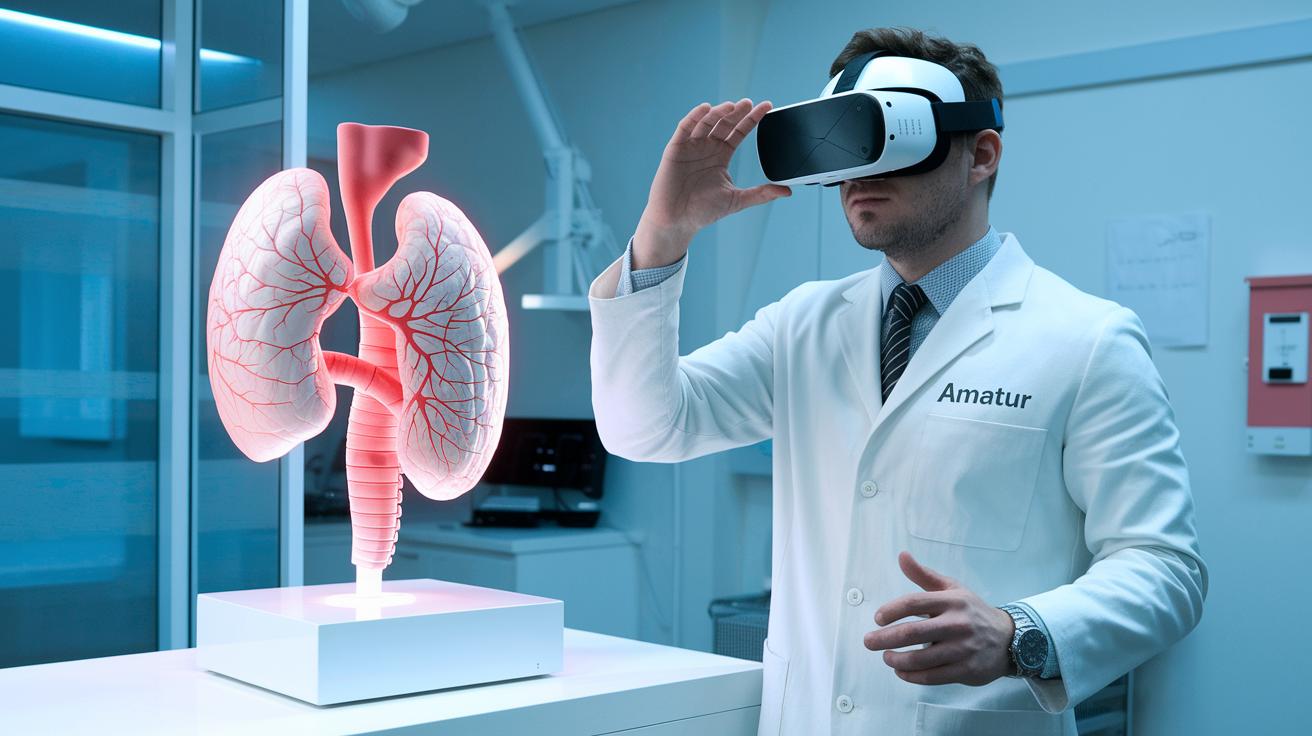
The world of health IT is changing fast. New tools like mixed reality and digital twins let doctors practice complex surgeries on digital copies of organs. This means they can refine their skills with real-life precision. And with 5G-powered devices speeding up data transfer, remote care is becoming smarter and more responsive. Ever wonder how your treatment could be as unique as you? Precision medicine makes that possible by using genetic and lifestyle data to create plans that fit you perfectly, imagine a digital twin testing different medications just for you.
New funding ideas are also shaking things up. Instead of needing huge sums upfront, annuity reimbursement models help cover costs over time for treatments like gene therapy. This clever method makes it easier for healthcare providers to offer advanced care without breaking the bank. It’s a great way to bridge the gap between breakthrough research and everyday treatments.
Healthcare leaders are now mapping out clear technology roadmaps by carefully piloting these fresh ideas. They are using process automation in patient services and structured project methods to test systems on a small scale before making them available everywhere. That way, clinics can try out mixed reality simulations and improved connectivity tools in controlled settings, ensuring they work smoothly when rolled out for real.
Final Words
In the action, health IT innovations are transforming care with smart tools like AI diagnostics, virtual consultations, upgraded record systems, strong cybersecurity, and wearable tech. These breakthroughs help track daily metrics and offer personalized insights that make smart decisions easier.
They boost both personal and clinical care, ushering in a new wave of data-driven well-being that makes everyday routines clearer and more effective. The rapid advances in these technologies spread hope for a healthier future.
FAQ
What are some examples of healthcare innovation?
Examples of healthcare innovation include AI, IoT, and telehealth solutions that shape patient care and operations, spanning real-time wearables and predictive analytics to improve efficiency and outcomes.
What are the top 10 healthcare innovations?
The top 10 healthcare innovations feature advanced AI and machine learning, telehealth platforms, electronic record upgrades, robust cybersecurity, IoMT devices, cloud-based solutions, and precision medicine that transform patient care.
What healthcare innovation ideas are emerging?
Emerging healthcare innovation ideas combine smart devices, AI-enhanced diagnostics, remote monitoring, and blockchain record-keeping, with a focus on cost-effective care, data security, and improved efficiency.
What are the new innovations in healthcare technology?
New innovations in healthcare technology include AI-developed drug molecules, telehealth-assisted care, real-time wearable monitors, and blockchain systems that boost data sharing and protect patient records.
How important is innovation in healthcare?
Innovation in healthcare drives better patient outcomes and streamlined operations by introducing technologies that improve diagnostics, treatments, and data management, leading to more responsive and effective care.
What is the newest technology in healthcare?
The newest healthcare technology features advanced AI diagnostics, remote telehealth systems, cloud-based electronic records, and wearable sensors that provide real-time data to enhance treatment and monitoring.
What are the future health information technologies?
Future health information technologies point to AI predictions, cloud platforms, digital twin models, and connected sensors that create more coordinated, personalized, and efficient experiences for patients.
What are the technological innovations for health and wellbeing?
Technological innovations for health and wellbeing involve smart wearables, remote diagnostics, improved data management systems, and AI-powered solutions designed to support early detection and customized therapies.
How does innovation in healthcare management improve services?
Innovation in healthcare management improves services by integrating advanced data analytics, streamlined workflows, and secure information exchange, which boosts care quality and operational efficiency in clinical settings.

