
Have you ever thought about a computer spotting a heart issue before you even feel off? Today's healthcare is getting a big boost from smart tech and digital systems. Tools like automated records and remote monitoring are making medical care feel simpler and smoother. In fact, nearly 80% of centers say they make fewer mistakes with these innovations.
This post dives into how modern health tools are connecting our care better and keeping your sensitive information safe. Imagine your doctor using these handy tools to watch over your health with more precision. It’s amazing to see how bold tech ideas are helping us all live healthier.
Current Health Informatics Trends: Top Innovations
Digital health is changing the way we share and use medical information. Did you know that nearly 80% of healthcare centers see fewer errors since they started using automated EHR systems? It’s like watching puzzle pieces fit perfectly together, making the flow of patient data smooth from one provider to another. This means care is more connected and effective, which is pretty amazing.
Think about interoperability as helping different pieces of a big family keep in touch. And with AI and machine learning working behind the scenes, potential problems can be spotted early on. Ever imagine an algorithm that can alert doctors to heart issues before they get serious? That’s what these smart tools are doing.
Telemedicine and remote monitoring are turning the idea of healthcare on its head. With virtual consultations and wearable gadgets, patients can get advice and care right from the comfort of home. It’s like having a doctor in your pocket.
Also, thanks to automation in EHR systems, scheduling appointments and handling billing have become a breeze. This cuts down on manual work and keeps mistakes to a minimum. And when you add in strong cybersecurity measures that follow HIPAA and GDPR guidelines, sensitive health data stays safe from cyber threats.
These trends show us that modern healthcare is not just about shiny new gadgets. Instead, it’s about using smart, practical ways to turn raw numbers into insights that help guide care. Every new advancement makes the system more efficient while keeping patient care personal and proactive. Isn’t it exciting to see technology and healthcare working hand in hand for a better future?
AI and Machine Learning Driving Health Informatics Trends

AI and machine learning are changing how we care for patients by catching tiny signs of health issues early. One study found that a simple machine learning model cut diagnostic errors by 25%, showing how these tools help break down complex medical data into clear, easy-to-understand insights. AI-powered diagnostic tools also add extra information from huge data sets to support a doctor's judgment.
These bright systems not only make everyday tasks like scheduling, billing, and managing records simpler, but they also bring new challenges. Ethical issues about data privacy and the careful use of predictive analytics now guide how doctors make decisions. Imagine an AI that flags a rare condition; smart oversight makes sure the suggestion is checked carefully before any treatment begins.
| Key Benefit | Impact |
|---|---|
| Early Disease Detection | Helps catch problems early and plan better care |
| Automation of Routine Tasks | Lowers errors and streamlines daily operations |
Big Data Analytics & Cloud Computing in Health Informatics Trends
Big data and cloud computing are truly changing the way health information is stored and used. Did you know that one hospital managed to cut its billing mistakes by 30% after moving to an automated cloud system? This clever switch not only reduces paperwork but also lets healthcare staff focus more on caring for patients.
Cloud computing gives hospitals and research centers a way to store loads of data without having to maintain huge server rooms. This means they can easily scale up their storage as needed. With these platforms, healthcare professionals can quickly spot trends and improve how diseases are diagnosed. Plus, with fewer human errors, hospitals see lower costs and smoother operations.
Big data also plays a big role in handling community health and organizing clinical trial details. By gathering lots of patient records and treatment outcomes, big data turns complex figures into simple, practical insights. Imagine tracking recovery rates across different therapies – modern data methods can show which treatment works best for certain conditions. In the end, mixing big data with cloud computing builds a strong, cost-effective base for smarter health solutions and better patient care.
Telemedicine & Remote Monitoring Trends in Health Informatics

Telemedicine and virtual doctor visits let you get care quickly, all from the comfort of your home. You can chat with your clinician over video without the hassle of traveling. Imagine feeling a little off and using a quick video call to adjust your medication right away.
Today’s smart wearables keep track of key health signals like heart rate variability [the natural variation between heartbeats] and blood sugar levels all day and night. When these devices notice something unusual, they alert both you and your care team immediately. Think about a gadget that sends a warning if your heart rate isn’t in the safe zone, helping you act before a minor problem grows.
Virtual care systems now mix tools like appointment booking, health tracking, and medication reminders into one simple package. Studies show that patients with long-term conditions often manage their health better when they use these easy-to-use technologies.
| Innovation | Impact |
|---|---|
| Virtual Consultations | Quick access to professional care |
| IoMT Wearables | Instant alerts that help lower hospital readmission risks |
Interoperability & EHR Evolution in Medical Information Technology
Healthcare is changing, thanks to modern electronic records systems. Standard systems for electronic health records have reshaped how patient data is shared. For example, one hospital used better data sharing rules to connect labs, imaging, and patient records, which cut waiting times.
Today’s EHR platforms depend on clear protocols like FHIR and HL7 (these rules explain how to share health information quickly and correctly). This means every bit of medical data gets to the right place fast.
This smooth sharing helps all parts of the health team work together, whether in a busy emergency room or a small community clinic. One study even showed that linking smart sensors from remote monitoring with regular records boosted care coordination and made treatment fairer for everyone.
Mixing innovative e-health tools with our current systems has led to smarter insights. By using detailed data reviews, often called healthcare analytics, providers can check care results and make decisions when they matter most.
Imagine a doctor being able to see a patient’s full health history before the consultation even starts. That kind of access lets doctors make well-informed decisions right away.
As digital records keep evolving, these improved sharing standards are becoming even more important. They help create a connected, efficient health environment that lightens the paperwork load and empowers care teams to deliver warm, prompt care every day.
Cybersecurity & Regulatory Shifts Shaping Health Informatics Trends
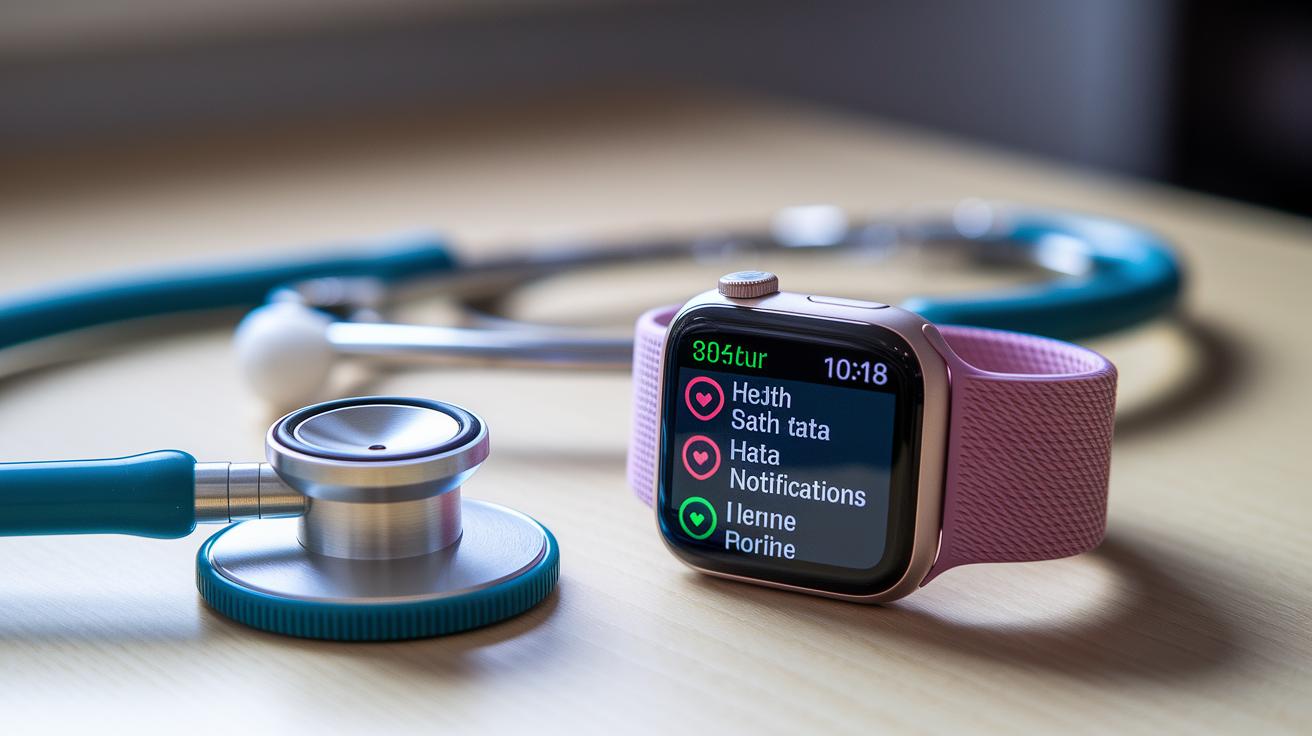
With cyber threats growing every day, keeping patient information safe is more important than ever. Studies have shown that hackers are getting smarter, and now they’re even targeting healthcare data. One report talked about malware attacks that stopped hospital systems from working. Imagine a breach that halts care services, that's a wake-up call for us all.
Regulatory changes are also reworking the digital care scene. Organizations under HIPAA and GDPR rules have to deal with constant updates and train their teams regularly. Many companies are now trying out new blockchain solutions. Think of blockchain as a secure digital vault for medical records, it keeps data safe and sound.
Healthcare providers need both smart technology and constant attention to fight these cyber risks. New regulations are pushing innovations that protect sensitive information and build trust in digital health systems. Every step counts because even one breach could risk patient safety. New rules and tech like blockchain are not just locking down data; they’re also inspiring fresh ideas and bold moves in healthcare.
Future Outlook: Smart Care Devices & Next-Gen Patient Data Management
The future of health data is looking really bright. Smart care devices are changing how we manage our medical information. Everyday gadgets like smartwatches and sensors are not just counting steps or measuring sleep, they’re also sending important health signals straight to your care team to keep everyone in the loop.
New systems for managing patient data are getting a big boost from technologies like blockchain. Blockchain is a secure way to record transactions, which means your medical records can be kept safe and easily accessed when needed. At the same time, precision medicine is tailoring treatments to fit your unique genetic makeup, making care more personal than ever. And tools like virtual and augmented reality are starting to help with training and planning treatments, offering fresh, hands-on ways to engage patients.
Recent case studies show that future patient platforms will be all about a friendly, interactive experience. Imagine health monitoring that fits right in your hand, making it easier for doctors and patients to share information and keep track of care. Experts are confident that as these technologies grow, health informatics will become more connected, proactive, and secure, laying the groundwork for smoother care and better outcomes for everyone.
Final Words
In the action, we explored how breakthrough technologies are reshaping our healthcare systems. We saw the rise of AI, cloud computing, and telemedicine changes that help streamline care and empower real-time decisions. Each section shed light on smart EHR, cybersecurity efforts, and the increasing role of remote monitoring. Today’s advancements in health informatics trends promise more effective care, smarter patient management, and brighter outcomes for everyone. Let's move forward with energy, knowing that every new insight sparks a step toward a healthier future.
FAQ
What are nursing health informatics trends?
The nursing health informatics trends involve using digital records, remote monitoring, and data analytics to improve care efficiency, streamline communication, and support more personalized patient care.
What does a health informatics trends PDF include?
A health informatics trends PDF typically explains current advances like AI for early disease detection, cloud computing for record management, and cybersecurity updates, all in an easy-to-read format.
What were the key health informatics trends in 2021 and 2022?
The health informatics trends in 2021 and 2022 focused on telemedicine expansion, EHR automation, AI/ML integration for early detection, and strengthening cybersecurity measures to protect patient data.
Can you share examples of health informatics in practice?
Health informatics examples include AI-powered diagnostic tools, cloud-based electronic health record systems, virtual consultation platforms, and wearable devices that continuously track patient health metrics.
What types of jobs are available in health informatics?
Health informatics jobs range from roles in data analysis and IT management to cybersecurity and system implementation, each focusing on securely managing patient information and improving clinical outcomes.
What are the future trends in health informatics?
Future trends in health informatics include integrating smart care devices, deploying advanced AI for predictive care, enhancing EHR interoperability, and improving cybersecurity to boost patient engagement and care quality.
What are the benefits of health informatics?
Health informatics benefits include improved patient outcomes through early disease detection, personalized treatment plans, efficient data management, better care coordination, and cost reductions for healthcare providers.
What are the three emerging trends in healthcare?
The three emerging trends in healthcare are using real-time AI analytics, expanding telemedicine and remote monitoring options, and achieving seamless electronic health record interoperability to elevate care delivery.
What future professional trends will redefine healthcare informatics?
Future professional trends include greater specialization in data analytics, increased focus on cybersecurity, and leadership in adopting digital tools that enhance patient care and streamline information management.
What are the ten-year trends for the future of healthcare?
The ten-year trends for healthcare project expanded use of smart devices, advanced predictive analytics, robust cloud solutions for health data, interoperable EHR systems, and ongoing improvements in data security and engagement.

