
Have you ever wondered why some health messages really stick with you? In our busy world, clear and simple words can guide us toward healthier choices, making it easier to understand and act on health advice. When a message uses everyday language, you tend to trust it more and feel inspired to change. Whether you're a public health expert or just someone looking to boost your well-being, a friendly approach can really make a difference. This article shares practical tips on turning basic health advice into personal, goal-driven steps that speak directly to you.
Core Health Communication Strategies for Effective Messaging
Health communication is all about crafting messages that encourage healthy choices. It means using familiar words along with clear, data-backed insights. For example, consider Marie Curie, before she became a famous scientist, she once carried radioactive test tubes in her pockets. That surprising fact sets a tone for sharing health messages that feel real and relatable.
A winning strategy starts with setting clear goals. You want to create messages that speak directly to what people believe and do. Using straightforward data and tools like healthcare analytics, you can choose the most effective channels, whether that's digital media, radio, or TV, to reach your audience. Tailoring each message to suit different reading levels and cultural backgrounds ensures even technical terms are explained in simple language.
Take the Northeast Louisiana Regional Pre-Diabetes Prevention Project, for instance. They used TV, radio, and online outlets to boost prediabetes screenings, proving that well-targeted communication can lead to real, measurable improvements. Plus, by reviewing and updating their strategies (last reviewed January 17, 2024 and updated March 7, 2025), they show that a little fine-tuning can keep messages powerful over time.
Here are some key ways to overcome communication barriers:
- Set clear communication goals.
- Use plain language to explain health terms.
- Segment your audience based on their behaviors.
- Use a mix of media platforms.
- Regularly check how well your message is working.
Good communication builds trust and makes a direct impact on quality care. When messages are clear and easy to understand, they help everyone take steps toward better health.
Designing Health Communication Messages for Maximum Impact

Good, clear health messages help people understand and grow. Speak in everyday words so everyone can follow along. When you use a technical term like heart rate variability (which tells you how well your heart handles stress), quickly explain it in plain language.
Break your audience into smaller groups. Think about what each group believes, how they behave, and the cultures they come from. Some people might appreciate simple facts while others like more details. Change your words so they really connect with each group.
Respect different traditions by choosing language that honors everyone. Test your messages with a few members of your target group first. For instance, you could say, "Imagine sharing your message with a few community members to see if it truly connects," and then make changes based on their thoughts.
Here are a few helpful tips:
- Use simple language and clear definitions (for example, describe heart rate variability as how well your heart handles stress).
- Divide your audience into groups based on their beliefs, behaviors, and cultural background.
- Try your message out with community members to see if it's clear and effective.
Health communication strategies Spark Growth
A strong plan sparks growth in health communication. Start by setting clear goals. Ask yourself if you’re aiming to cut down on misinformation, boost engagement, or increase screening rates. Let these targets guide your every move.
Next, really get to know your audience. Look at how different groups act and what they believe, and then tailor your messages to what they need most. Tools like the Rural Data Explorer and Chart Gallery can help you see the data clearly. For example, you might use a digital tool like healthtech to discover which channels work best for each group.
Now, pick the right channels for your messages. Mix old-school methods like radio and printed materials with digital media. Choose the outlets that fit your audience’s habits, whether that’s scrolling through social media or reading community newsletters, to reach more people effectively.
Then, use established communication models to shape your approach. These models help you build your messages step by step and even predict how people will respond. Start by planning your core message, then adapt those insights so that they work well across different platforms.
Finally, keep an eye on your progress. Track key numbers like how many people you reach, how they engage, and any changes in behavior. When you test and adjust your methods, you’re making sure your strategy continues to grow and improve.
Consider these simple steps:
- Set clear, measurable goals.
- Understand and segment your audience.
- Choose channels that match their habits.
- Use proven communication models.
- Keep evaluating and tweaking your strategy.
Patient-Focused Health Communication Strategies and Techniques

When communication breaks down, the quality of care suffers. Patients may lose trust if appointments feel rushed or if language barriers create confusion. One patient even said, "I felt rushed and left with more questions than answers." Using proven ways to talk with patients helps build trust. Imagine a doctor sitting at the same eye level as you, nodding and asking open-ended questions. It makes the conversation feel warm and genuine.
Active listening is really important. When a provider uses simple words and explains any technical terms clearly, patients feel respected and understood. Clear writing and friendly body language also show that patients are in good hands. Plus, keeping patient records private by letting only the direct care team access them builds even more trust.
| Strategy | Description |
|---|---|
| Eye-Level Seating | Arrange the seating so providers and patients are at the same level, making interactions feel personal. |
| Open-Ended Questions | Ask questions that let patients share more about their feelings and needs. |
| Plain Language | Use everyday words and explain any needed medical terms in simple language. |
| Active Listening | Nod and use clear responses to show patients they are being heard. |
| Secure Records | Limit access to patient files to just the immediate care team to protect privacy. |
These simple steps create a caring bond between patients and providers. It’s all about clear, honest conversation and making every patient feel truly cared for.
Planning Multichannel Health Communication Strategies for Outreach
A smart public campaign plan uses every tool you have. Think of it like mixing your favorite social media posts with classic options like TV and radio. This mix helps you catch the eye of both online users and those who tune in to traditional broadcasts.
Kick things off by checking out digital platforms where you can share messages quickly. Social media can spark fun chats and build awareness, while TV spots or local radio segments reach people who might not be online as much.
Partnering with local NGOs and community groups adds a lot of value. When each partner knows their role, from creating content to scheduling posts, the campaign runs smoothly. But too many friends on board without clear planning could slow things down.
Before you launch the full campaign, test your materials with a small group. Ask for honest feedback on the clarity of your message and how the visuals look. This simple step lets you tweak the language, images, or even the channels to ensure your message really connects.
If your budget is tight, consider teaming up with community groups or volunteers. Repurposing your content across multiple channels is a smart way to stretch your resources even further.
| Tip | Recommendation |
|---|---|
| Channel Mix | Combine digital and traditional methods |
| Clear Roles | Define tasks in partnerships clearly |
| Testing | Pilot your message with a small group before a full launch |
| Budget Friendly | Collaborate with community groups or volunteers |
Evaluating Health Communication Strategies: Key Metrics and Methods
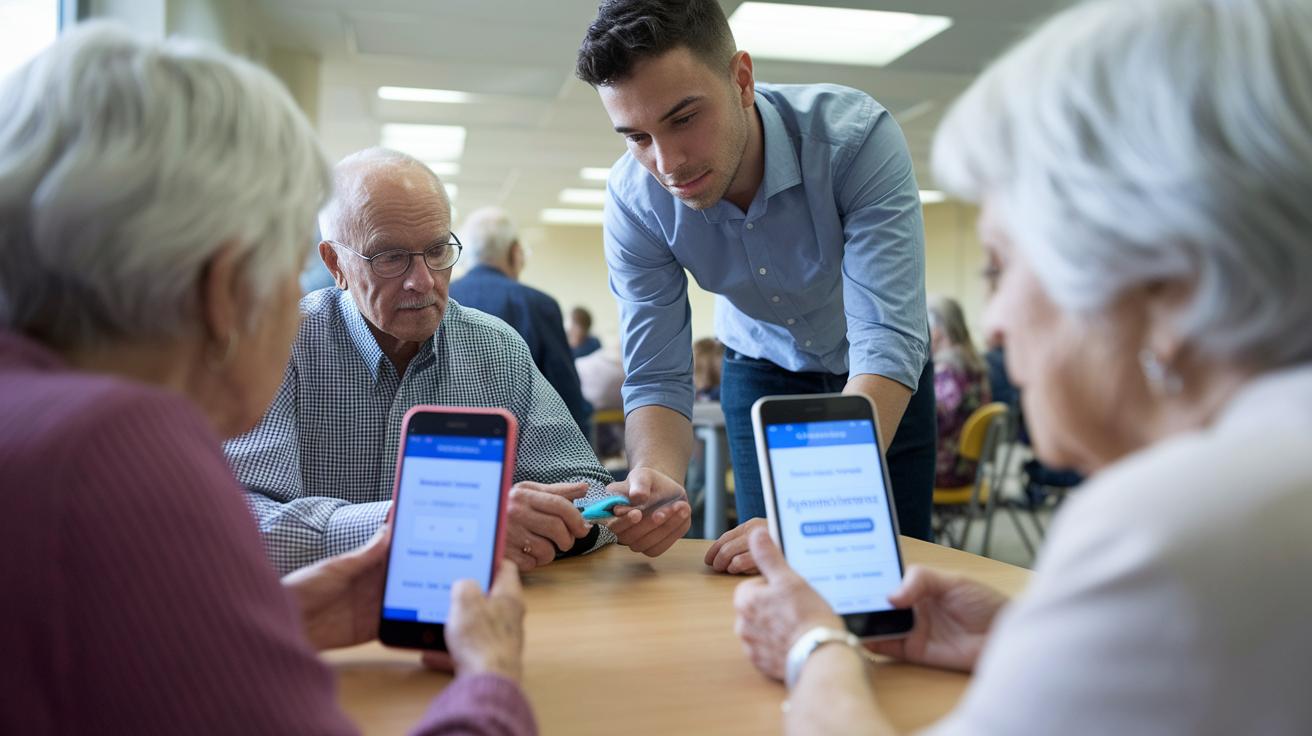
When you launch a health campaign, you want to know if your messages really hit home. The first step is to check how many people see your content. You track things like reach and frequency to see if your message is spreading well. Watching numbers like impressions, shares, and comments gives you a clear look at how engaged your audience is.
On the flip side, outcome evaluations dig into how your messages change behavior. By gathering feedback and noting shifts in attitudes, you can see if your campaign is sparking the right actions. This might mean improvements in how the public understands health topics, changes in their beliefs, or new healthy habits. Keeping an eye on these shifts lets you tweak your campaign in real time.
Key methods include:
| Method | Description |
|---|---|
| Process Evaluations | Check exposure and reach by tracking data points like impressions and shares. |
| Outcome Evaluations | Assess changes in audience behavior and attitudes using feedback and recorded results. |
| Regular Monitoring | Document campaign performance continuously to refine and guide future efforts. |
These strategies help you make smart changes and build stronger campaigns that truly make a difference.
Applying Health Communication Strategies: Case Studies in Action
The Northeast Louisiana project showed us that strong messaging really works. Then came the City Health Initiative for Wellness Check-ups, a fresh campaign that mixed digital notifications and SMS alerts with in-person support. They aimed to reach a younger crowd while still keeping older residents informed. The team ran into challenges, like turning online interest into firm appointments. So they streamlined their scheduling and worked with local clinics to offer real, hands-on help.
Tech skills were one big hurdle. More than 60% of seniors needed help using digital tools. To fix this, the team held short training sessions at community centers. This simple step made it easier for people to follow up on their appointments and built trust.
Check out this snippet:
"Over half of the older participants admitted they weren’t sure how to use their phone for health checks. This pushed the team to develop easy, step-by-step guides that made digital scheduling a breeze."
Key takeaways from the campaign:
| Focus Area | What It Means |
|---|---|
| Digital + In-Person Support | Mixing tech alerts with face-to-face help improves appointment accuracy. |
| Tech Literacy | Addressing tech challenges early cuts down on miscommunication. |
| Local Partnerships | Teaming up with local groups helps tailor and simplify health messages. |
Both campaigns show that adjusting on the fly and learning from real challenges can lead to powerful health communication. This story reminds us that small changes can make a big difference in getting the right message across.
Health Communication Strategies for Crisis and Risk Situations
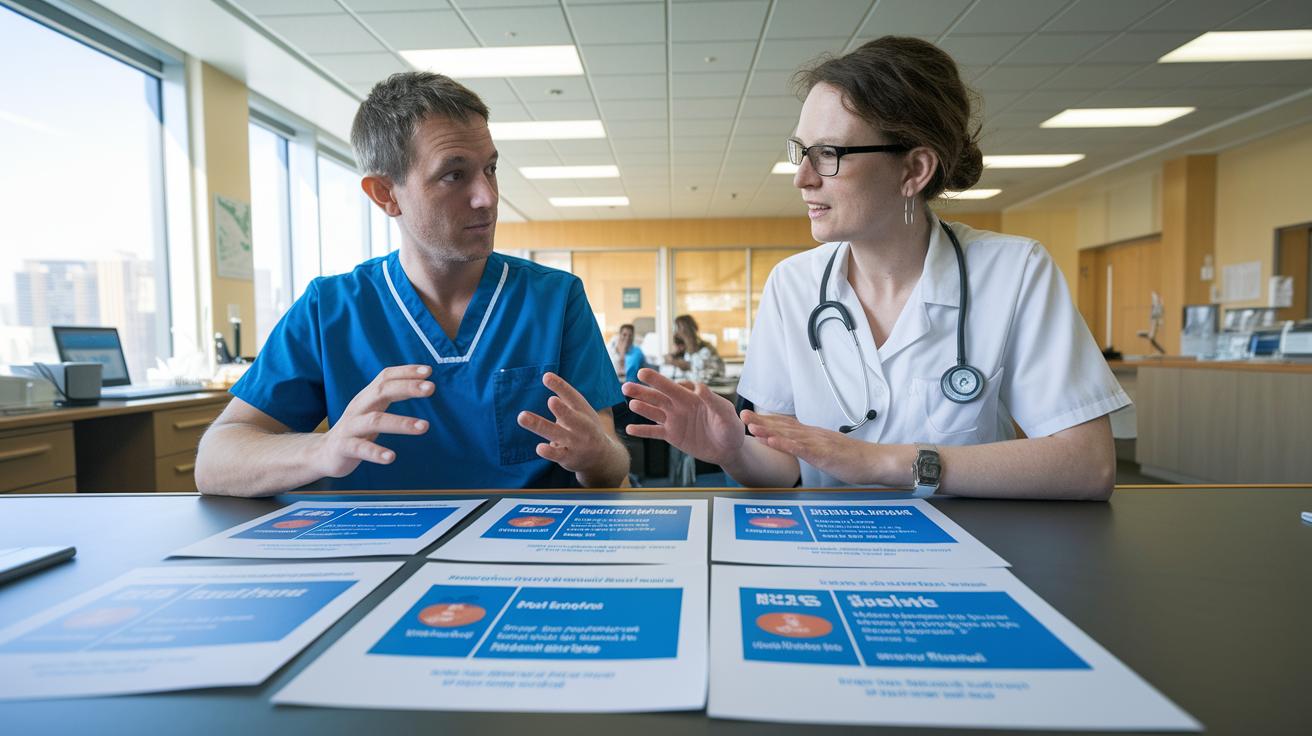
When emergencies like COVID-19 or Ebola hit, it’s vital to share clear and quick updates. Honest, simple language can clear up myths and ease panic, especially when you have pre-approved messages ready to explain urgent risks in a way everyone understands.
It really helps to share these messages across all channels, radio, TV, and social media, so that everyone hears the same trustworthy information. When a familiar, reliable source delivers the news, people feel more confident in what they’re told.
Here are a few tips to remember:
| Tip | Description |
|---|---|
| Pre-Plan Messages | Have clear, ready-to-go messaging templates for emergencies. |
| Trusted Voices | Choose well-known experts to share the updates. |
| Quick Updates | Change the messages fast as new information comes out. |
| Multiple Channels | Share the info on radio, TV, and social media at once. |
Using these strategies can really cut through fear and confusion during a crisis. Every second matters, and clear, steady updates help guide communities to stay safe and make the right choices.
Future Health Communication Strategies: Trends and Innovations
Digital health tools are changing the way we share and get health information. Mobile apps let you check your wellness in real time, and AI chatbots provide quick, friendly guidance like chatting with a helpful friend. Even wearable devices alert you when it’s time to take action, turning raw information into steps for better care.
New approaches are using data to make messages feel more personal. By spotting trends in your habits, health tips can be tweaked to match your needs, making every update feel just right for you. With real-time updates and custom content for each platform, health campaigns can stay fresh and in tune with what you’re doing.
Emerging digital strategies are also making health news easier to reach. Think of simple alerts from wearables or specially designed messages from apps that keep you informed without too much fuss. By mixing these smart tools with clear data insights, we can even predict trends and shape messages that truly connect with different communities.
In this digital age, blending old-school methods with today’s tech is paving the way for better health care for everyone.
Final Words
In the action of crafting persuasive messages, we explored methods to design clear, relatable health messages and build structured frameworks for effective patient communication. We talked about multichannel outreach, smart evaluation of outcomes, and even real-life case insights. Using data-driven insights like health communication strategies, the post showed that small changes can make a big difference. A thoughtful mix of plain language, cultural awareness, and proven tactics can truly boost the way we share health information and improve care.
FAQ
What are health communication strategies?
Health communication strategies are methods used to share clear health information with individuals and communities. They tailor messages for different audiences to improve health decisions and care quality.
What are the 4 types of communication strategies used in health messaging?
The four types include informative, persuasive, motivational, and behavior change tactics. Each method targets specific audience needs to boost understanding and support better health outcomes.
What are the 7 C’s of communication in healthcare?
The 7 C’s, including clarity, conciseness, concreteness, correctness, coherence, courtesy, and completeness, help turn complex health data into easy-to-understand messages for patients and professionals alike.
What are the four approaches to health communication?
The four approaches focus on prevention, promotion, risk reduction, and crisis management. They guide how messages are shaped and delivered to support healthier choices in various situations.
What types of resources are available for learning health communication strategies?
Health communication insights are offered in PDF guides and PPT presentations. These resources detail methods, case studies, and best practices for both public initiatives and professional healthcare settings.
What is the significance of health communication in public and professional realms?
Health communication builds public trust and aids professionals by fostering clear dialogue, reducing misunderstandings, and ensuring that vital health information reaches diverse groups effectively.
What principles guide effective health communication?
Effective communication follows principles such as clear language, targeted messaging, cultural sensitivity, empathy, and using multiple channels to deliver actionable, relatable health information.
What methods are used to deliver health messages effectively?
Delivery methods include using digital media, television, radio, print materials, and face-to-face discussions. Each channel is chosen based on audience habits to ensure messages are engaging and accessible.

