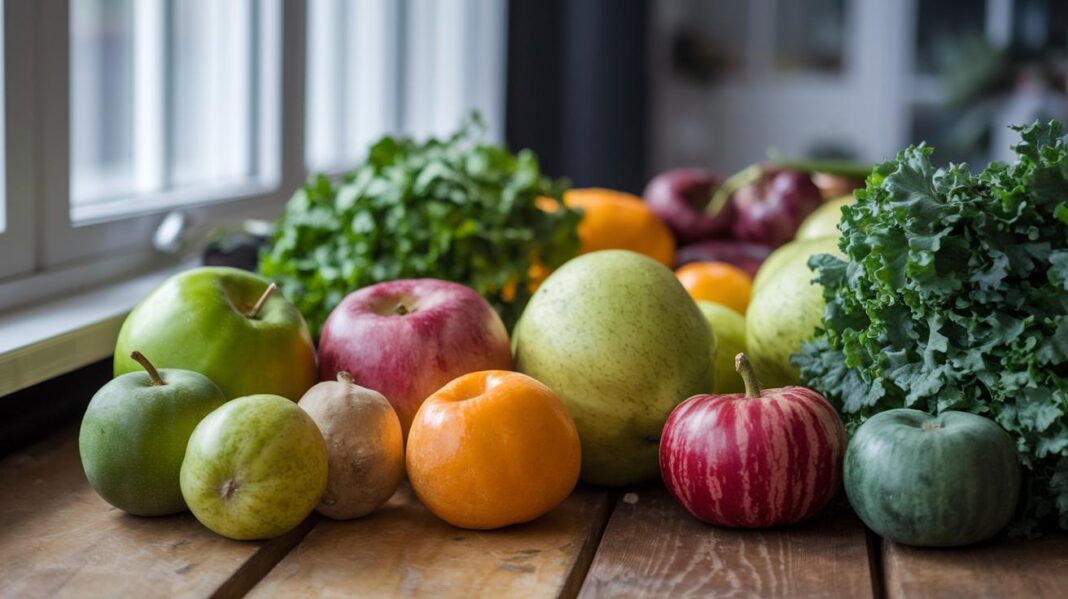
Ever wonder if the food on your plate can boost your energy? A well-rounded meal mixes lean proteins, whole grains, and a variety of colorful fruits and vegetables to fuel your body. It’s like putting together a puzzle where each food group plays its part, from repairing muscles to sharpening your mind. In this piece, we’ll show you how small changes to your everyday meals can spark new energy and help you live a healthier life.
Key Components of a Balanced Diet for Healthy Lifestyle
Every meal should feel like it’s giving you a little boost. A balanced diet includes all the good stuff, protein, fats, carbohydrates, fiber, vitamins, and minerals, that keep you moving, thinking, and breathing easy. Think of your meal like a fun puzzle where each piece has a special job. For example, a piece of grilled chicken gives your muscles the protein they need to repair, while a small handful of walnuts offers healthy fats to keep your brain in top shape.
You can break healthy eating down into six simple food groups. Fruits, for example, burst with vitamins and antioxidants, a small orange or apple can add a natural, sweet pop to your day. Vegetables come in a rainbow of colors, and each hue brings its own set of nutrients to help you stay well. Then there are whole grains like brown rice or quinoa, which provide steady energy way better than refined grains. Lean proteins from beans, fish, or poultry help build and repair muscles, and dairy products supply calcium and magnesium for strong bones and teeth. Lastly, healthy fats from foods like avocados and olive oil provide fuel without overloading you on calories, as long as you enjoy them in moderation.
Did you know that many people experience a real energy boost just by swapping refined grains for whole ones? Healthy eating is really all about mixing each food group in the right way, not cutting any of them out completely. By picking foods full of nutrients and enjoying them in good portions, you give your body the power to work its best while still treating your taste buds to something delicious.
Benefits of a Balanced Diet for Healthy Lifestyle
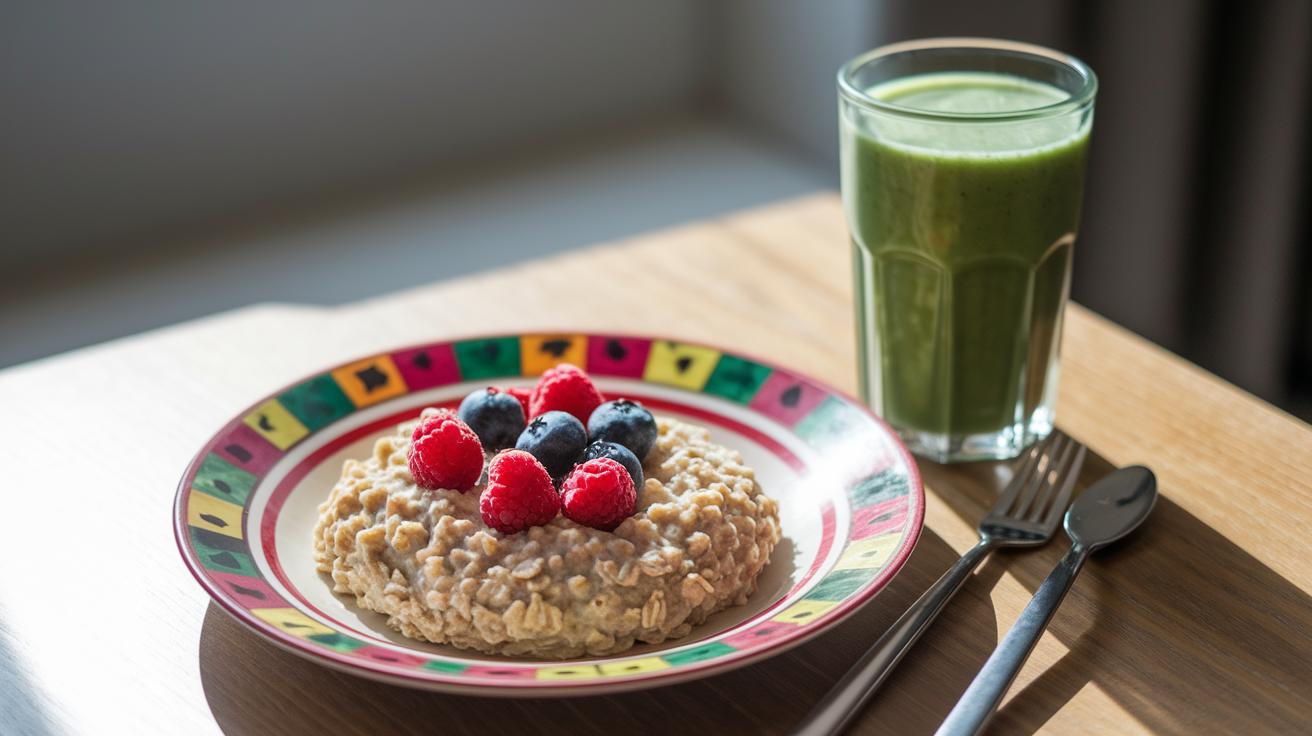
Eating a balanced diet really helps your body in so many ways. When you mix fruits, vegetables, whole grains, and lean proteins, you lower your blood pressure and boost your heart health. For example, antioxidant-packed fruits like blueberries can even help reduce some cancer risks. Proper nutrition lifts your mood too, ever notice how a good meal seems to brighten your day? It's partly because these foods feed your gut bacteria, making digestion and metabolism smoother.
A balanced diet also keeps your mind sharp by supporting memory and clear thinking. Eating the right portions helps you stay at a healthy weight and lowers your risk for conditions like type 2 diabetes. Foods that give you calcium and magnesium, such as dairy or leafy greens, work together to build strong bones and teeth. Even modified DASH diets have shown promise in helping people with type 2 diabetes manage their blood pressure.
Remember, balanced eating isn’t about cutting out your favorite treats completely. It’s about enjoying food without feeling overly full. Start with a nutritious breakfast and notice how it sparks your energy for the day. Every mindful bite is a win for your body and your overall well-being.
Meal Planning for a Balanced Diet for Healthy Lifestyle
When you build your meals gradually, you ease into a healthier lifestyle without feeling overwhelmed. Try planning several smaller meals during the day, each offering a balance of proteins, carbohydrates, and healthy fats. Think of it as piecing together a colorful puzzle where every ingredient plays a part, helping you steer clear of too many processed or sugary snacks.
Focusing on whole, natural foods brings complete nutrition to your daily routine. For example, using a meal planner (like the one at https://healthlystats.com?p=28) can break your day into manageable meal steps. It’s a smart way to plan that lets you enjoy tasty foods while giving your body the nourishment it needs.
Breakfast Planning
Start your day with a kick by mixing things up. You might enjoy a bowl of oatmeal with fresh berries, a creamy Greek yogurt parfait, or even a green smoothie with a handful of spinach. Ever notice how that bowl of oatmeal can feel like a mini power boost? It wakes up your metabolism and sets a cheerful tone for the morning.
Lunch Planning
At lunch, aim for lean proteins such as grilled chicken or beans. Pair them with whole grains and a variety of vegetables to create a plate that’s as vibrant as it is healthy. Picture every bite as a boost to your energy and well-being, simple, satisfying, and easy to enjoy.
Dinner Planning
For dinner, try to think of your plate in three parts: half should be vegetables, one quarter lean protein, and one quarter whole grains. This balanced mix not only helps you unwind after a busy day but also keeps your energy even and steady.
| Meal | Key Components |
|---|---|
| Breakfast | Oatmeal with berries, Greek yogurt parfait, green smoothies with spinach |
| Lunch | Lean proteins, whole grains, mixed vegetables |
| Dinner | Half vegetables, one quarter lean protein, one quarter whole grains |
7 balanced diet for healthy lifestyle sparks vitality
Start your day by giving your body the fuel it needs. A simple daily plan is key for a balanced diet that keeps you energized. Here’s an easy-to-follow guide:
-
Pre-breakfast water
Begin with a glass of water to wake up your system and get your digestion ready for what’s next. -
Breakfast
Kick off your morning with a nutrient-packed breakfast. Think about a bowl of oatmeal with fresh fruits or a smoothie blended with greens and yogurt to jumpstart your metabolism. -
Mid-morning snack
Have a small snack, like a handful of nuts or a piece of fruit, to keep your energy steady until lunch. -
Lunch
For lunch, go for a mix of lean proteins, whole grains, and lots of vegetables. This helps refuel your body and keeps you focused throughout the day. -
Mid-afternoon snack
Keep your blood sugar in check with a light snack such as plain yogurt or sliced veggies with hummus. -
Dinner
At dinner, aim to fill half your plate with vegetables, add a serving of lean protein, and include whole grains. This helps your body recover and get ready for the next day. -
Optional evening snack
If you’re a little hungry later, opt for a light snack that won’t disturb your sleep, maybe a small apple or some carrot sticks.
Remember to enjoy at least five servings of fruits and veggies each day and stay well-hydrated with water to keep feeling fresh and energized.
Wholesome Meal Prep Ideas for Balanced Diet for Healthy Lifestyle
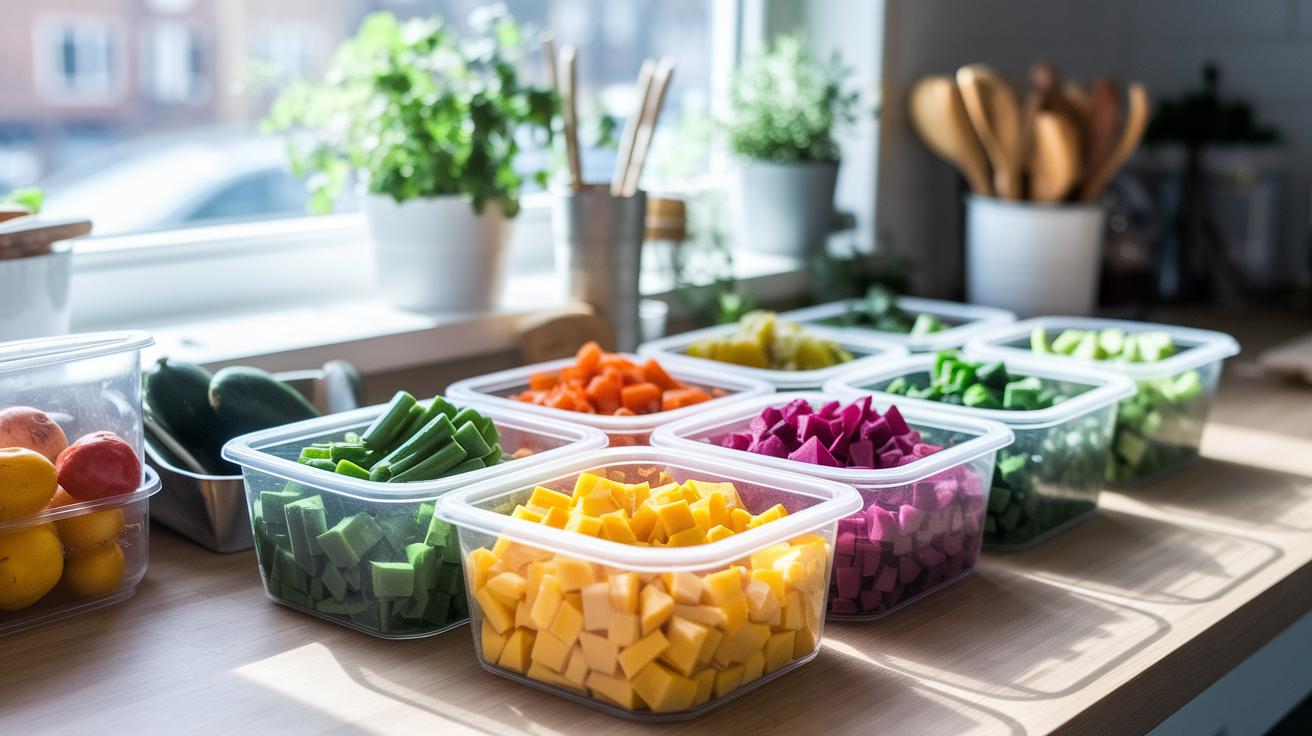
Start your weekend by getting a head start on your meals. Spend a little time chopping bell peppers, carrots, and cucumbers, then put them in small containers. This simple move makes it super easy to whip up a quick salad or stir-fry later in the week.
Next, give mason-jar salads a try. Layer your favorite veggies with lean protein and add a bit of olive oil. It feels like setting up a mini meal adventure, so when hunger hits, you just grab a jar and enjoy. And for breakfast, mix oats, milk, fruit, and a sprinkle of nuts the night before, and you’ll wake up to a nutrient-packed meal.
Also, get into the habit of pre-portioning snacks like carrot sticks with hummus or a handful of mixed nuts. This helps you steer clear of processed snacks when you're in a rush. Consider making a big batch of chili or soup, then freeze single servings in labeled containers. Mixing up your ingredients each week keeps meals interesting and balanced.
Just a bit of planning makes it easier to stay on track with a healthy diet every day.
Portion Control and Smart Snacking for a Balanced Diet for Healthy Lifestyle
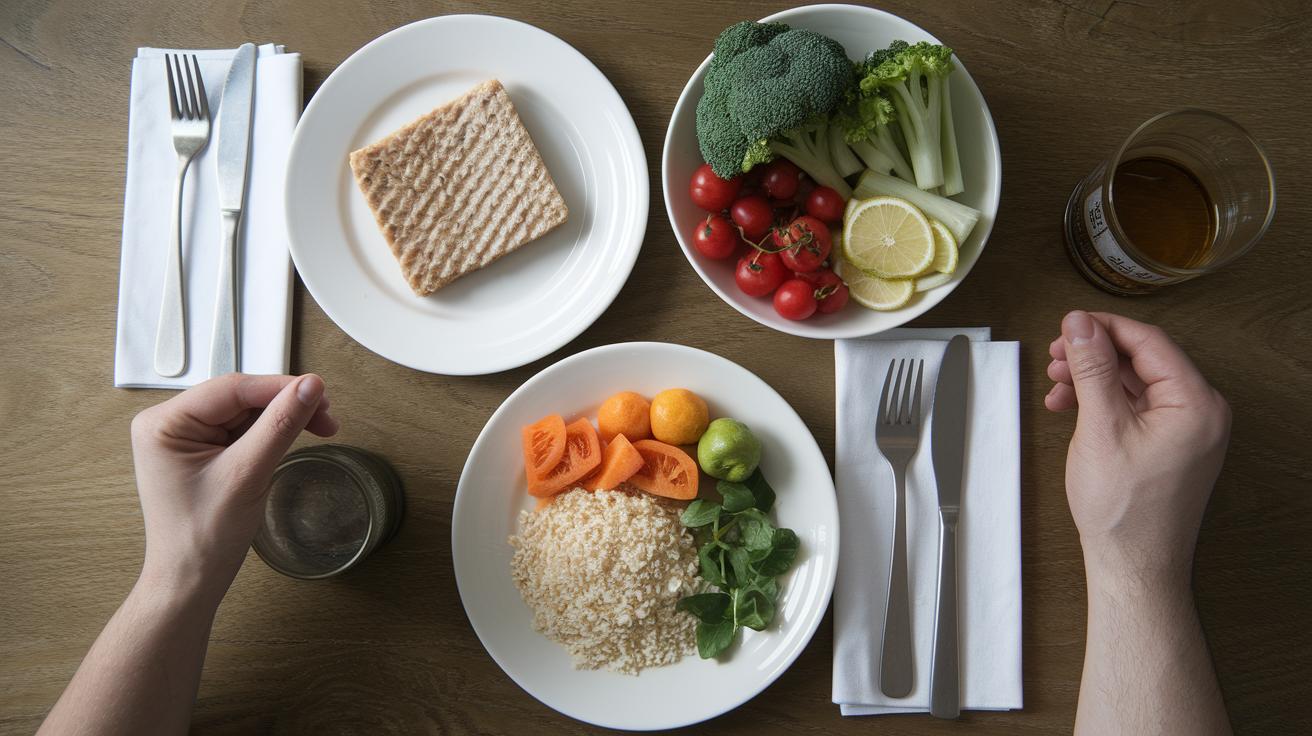
When it comes to eating, it’s all about listening to your body. Stop when you feel satisfied, not stuffed. Imagine your plate with simple guides in mind: your protein should be around the size of your palm, carbohydrates roughly the size of your fist, and vegetables enough to fill two cupped hands. These straightforward hints help you turn numbers into everyday choices that keep your meals balanced and enjoyable.
Smart snacking can fuel you without going overboard. Try reaching for fresh fruit when you need a naturally sweet boost, plain yogurt as a creamy, protein-rich treat, or a small handful of unsalted nuts for a hit of healthy fats.
It’s also key to tell the difference between real hunger and eating just because you’re stressed or bored. When a snack attack strikes, take a moment and ask yourself if your body truly needs nourishment or if it’s just a fleeting urge. Next time you plan your grocery run, consider using a “grocery list for healthy eating” to pick out perfectly portioned, nutrient-rich foods. This way, your diet stays balanced and keeps your energy steady all day long.
Final Words
in the action, we explored the nuts and bolts of a balanced diet for healthy lifestyle. We broke down key food groups, smart portion sizes, and easy meal planning tips to help you make simple, nourishing changes. We also shared ideas for nutritious routines that keep energy steady and moods bright. Every small shift in how you plan and enjoy your meals brings you closer to feeling your best. Enjoy the process of building a healthful routine and making choices that add up to a happier, healthier you.
FAQ
What does a balanced diet for a healthy lifestyle include?
A balanced diet for healthy living includes a proper mix of proteins, fats, carbohydrates, fiber, vitamins, and minerals from key food groups like fruits, vegetables, whole grains, dairy, and healthy fats.
What are some examples of a balanced diet and meal plan for healthy living?
A balanced diet for healthy living examples feature meals such as oatmeal with berries for breakfast, lean proteins with mixed vegetables at lunch, and a dinner plate split between vegetables, lean protein, and whole grains—all organized into a weekly plan.
What are the 7 things you need in a balanced diet?
The 7 things you need in a balanced diet are proteins, fats, carbohydrates, fiber, vitamins, minerals, and water, each obtained from a variety of food groups for comprehensive nutrition.
What is the best diet for healthy living?
The best diet for healthy living is one that embraces balance by including all major food groups and favors fresh, nutrient-dense foods while reducing processed items to support overall health.
What are 10 tips for a healthy lifestyle?
Ten tips for a healthy lifestyle include planning balanced meals, practicing portion control, choosing smart snacks, staying hydrated, incorporating lean proteins, eating plenty of fruits and vegetables, enjoying whole grains, limiting processed foods, staying active, and getting sufficient sleep.
What are 5 balanced diets?
The concept of 5 balanced diets can refer to meal patterns that vary the focus on different food groups or meals—such as a healthy breakfast, lunch, dinner, plus structured mid-morning and mid-afternoon snack routines—to meet overall nutritional needs.

