
Have you ever thought about feeling fantastic without ever setting foot in a gym? Many of us think cardio means long treadmill runs, but you can get a great workout right at home. Imagine turning your living room into a personal fitness spot. Even a quick 10-minute routine can get your heart pumping and boost your energy.
In this guide, we'll share simple exercises that don’t need any equipment. These moves help you build strength, improve endurance, and feel more confident as you go about your day. Let’s dive in and start making every minute count on your journey to a healthier you.
Get Started with No-Equipment Home Cardio Workouts for Beginners
Give yourself a quick, 10-minute workout that you can do right at home, no tools needed. It’s a friendly way to get your heart pumping, boost your endurance, and build some strength with simple moves that use just your body weight.
Each exercise is easy to follow and gentle on your joints. Start by doing each move for about 20-30 seconds, then take a short rest. As you feel stronger, try to work up to a full 60 seconds on each move.
-
Standing Hamstring Curls – 20-30 seconds
Focus on your core while keeping a slight bend in your knees. Think of it like gently curling your leg to feel the stretch and strength building in the back of your thigh. -
Jump Rope in Place – 20-30 seconds
Pretend you're skipping rope on a sunny day. Just a light hop in place can get your heart beating faster and your energy rising. -
Lateral Squat Jack Walks – 20-30 seconds
Step into a wide squat and alternate moving side to side. It’s like doing a little dance that wakes up your legs and lifts your spirits. -
Sumo Squats & Reaches – 20-30 seconds
With your feet set wider than your hips, lower down into a squat and reach your arms out. Imagine you're stretching up to grab the sky as you work your muscles. -
Jabs & Taps – 20-30 seconds
Keep your fists up and alternate between jabbing and tapping. Picture yourself in a fun, light boxing session right in your living room.
Rest for about 10-15 seconds between each move. Aim to do this routine for 10 to 20 minutes per session, and try it four to seven days a week. You can also break it into shorter sessions if that feels more comfortable as you build up your strength. Enjoy the process and celebrate every step forward!
Warm-Up Essentials for Beginner At Home Cardio Workouts
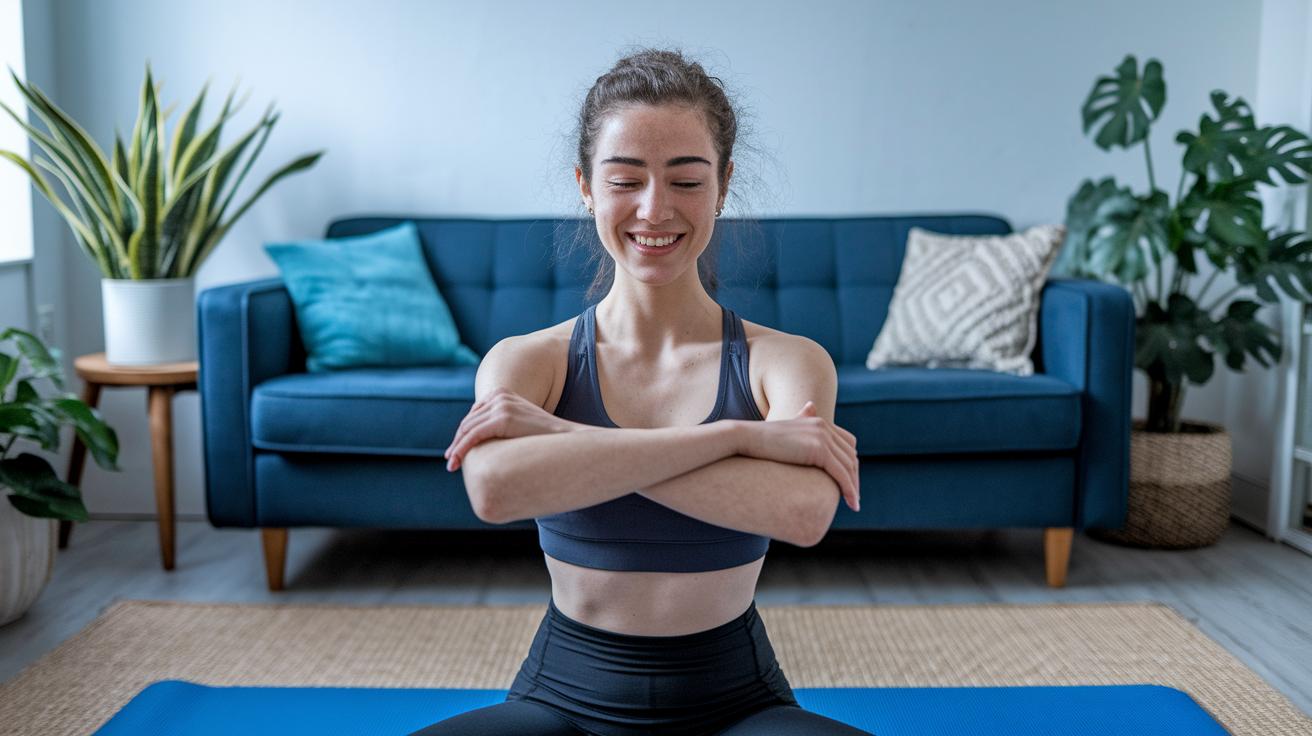
Before diving into your cardio workout, make sure you take the time to warm up. A dynamic warm-up gently boosts your heart rate and gets your joints moving, like giving your body a little nudge awake. Try simple moves like arm circles, leg swings, and torso twists to get both your heart and muscles ready. Even just five minutes of these exercises can wake up your muscles and help lower your risk of injury. And if you’re trying something new, it’s a good idea to check with your doctor and stop if you ever feel dizzy or uncomfortable. A proper warm-up is like taking a quick stretch break to clear your mind before a busy day, it sets you up for a smoother, safer workout.
Start with a series of simple warm-up drills. Begin with 30 seconds of arm circles, then switch to 30 seconds of leg swings. Finish with another 30 seconds of torso twists. Keep your back straight, your core engaged, and let your knees stay slightly bent. Think of it like getting your car ready for a long drive, every part needs a bit of preparation to run at its best.
Core Bodyweight Cardio Moves for Home Cardio Workouts for Beginners
Mixing a variety of exercises can make your workout both fun and effective. Different moves work on different muscle groups and give your heart a good workout while also helping you build endurance and strength. For example, doing Jumping Jacks (with a step-out if needed) alongside a slower version of Mountain Climbers can help lower blood pressure, manage blood sugar, and even reduce stress. It’s best to try each move for about 20-30 seconds with a short 10-second break between them. As you get stronger, aim to perform each move for up to 60 seconds.
Below is an HTML table that shows nine simple exercises you can try:
| Exercise | Target Muscles | Beginner Modification |
|---|---|---|
| Jumping Jacks (step-out modification) | Legs, arms, and overall heart health | Step out instead of jumping |
| High Knees | Legs and core | Move slowly with control |
| Mountain Climbers (slow variation) | Core, shoulders, and legs | Do them slowly to focus on balance |
| Jump Squats (no-jump option) | Legs and glutes | Just perform the squat without jumping |
| Ice Skaters | Legs and side movement | Do small hops sideways |
| Single-Leg Hop (use a stair) | Leg strength and balance | Lean on a step for support |
| Side-to-Side Hops | Agility and leg muscles | Step from side to side for less impact |
| Skip (low-impact knee drive) | Legs and core | Drive your knee gently |
| Burpees (no-jump push-up only) | Full body | Try a push-up version without the jump |
Try completing this circuit 2 to 4 times to make a full workout session. As your stamina grows, slowly extend each exercise to 60 seconds. And remember, staying consistent is what counts, aim for at least 150 minutes of moderate exercise or 75 minutes of more vigorous exercise each week. Adding these moves to your routine can keep your workouts interesting and help you stick with a healthy habit at home.
Beginner HIIT Sessions in At Home Cardio Workouts: Feel Great
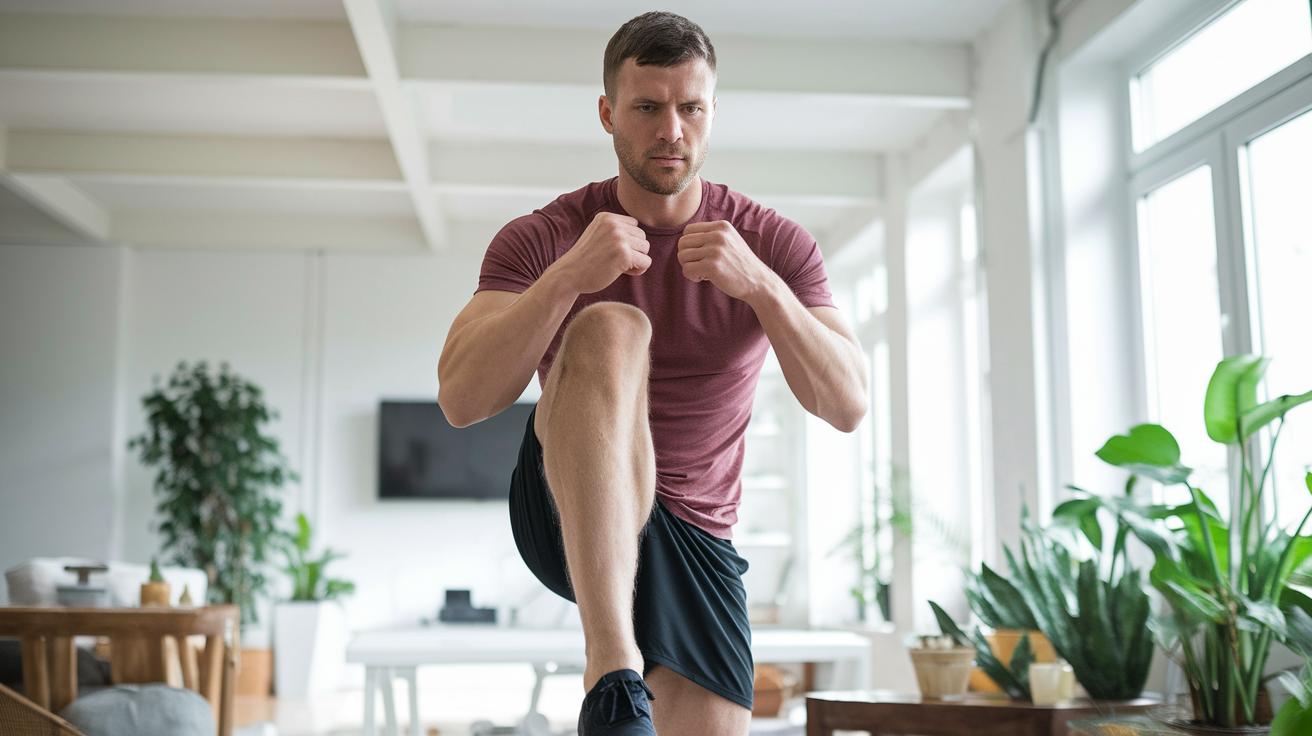
HIIT stands for high-intensity interval training. In simple terms, you mix quick bursts of fast movements with short breaks to catch your breath. For instance, you might push yourself hard for about 20-30 seconds and then take 10-15 seconds to pause. This short, energetic routine gets your heart pumping fast, feathers your metabolism, and helps burn calories effectively.
Imagine it like a friendly check on your pulse. HIIT not only fires up your energy but also strengthens your heart and boosts your endurance. Start slowly, listen to your body's signals, and tweak the pace as you find your comfort zone.
A typical session might include moves like High Knees, Modified Burpees, Mountain Climbers, Squat Jacks, and Jump Rope in Place. Do each exercise for around 20-30 seconds, then give yourself a break for 10-15 seconds before moving to the next exercise. Aim for three rounds in total, and if you need a bit more rest between rounds, go ahead and take it.
If you want to tone it down, simply slow your movements or lengthen the breaks. Keep a close watch on how your heart feels, and adjust the speed or rest time to fit your fitness level. This easy-to-follow routine is perfect for beginners yet packs a punch when it comes to boosting your energy and stamina.
Tracking Progress and Progression in Home Cardio Workouts for Beginners
Start by jotting down a simple workout log. Write down the date, the exercises you did, how long you spent on each round, and how hard you felt you were working (or even your heart rate). For example, you might note, "April 4 – Did 20 seconds of High Knees, 20 seconds of Jumping Jacks, completed 3 rounds, felt moderately challenged." This easy log helps you keep track of your progress right at home.
Next, try slowly stepping up your workout. Begin with short sets, and when you’re feeling more confident, push each move to 60 seconds. You can even add extra rounds or introduce light dumbbells after about four weeks. Think of it like turning a dial up just a little more each time to match your increasing strength.
Finally, set aside a couple of days every two to four weeks to review your progress. Look over your log and see if you can do moves for longer or if your heart rate has changed while you exercise. These checkpoints help you fine-tune your routine so you’re always challenging yourself without risking injury.
Low-Impact Alternatives in At Home Cardio Workouts for Beginners
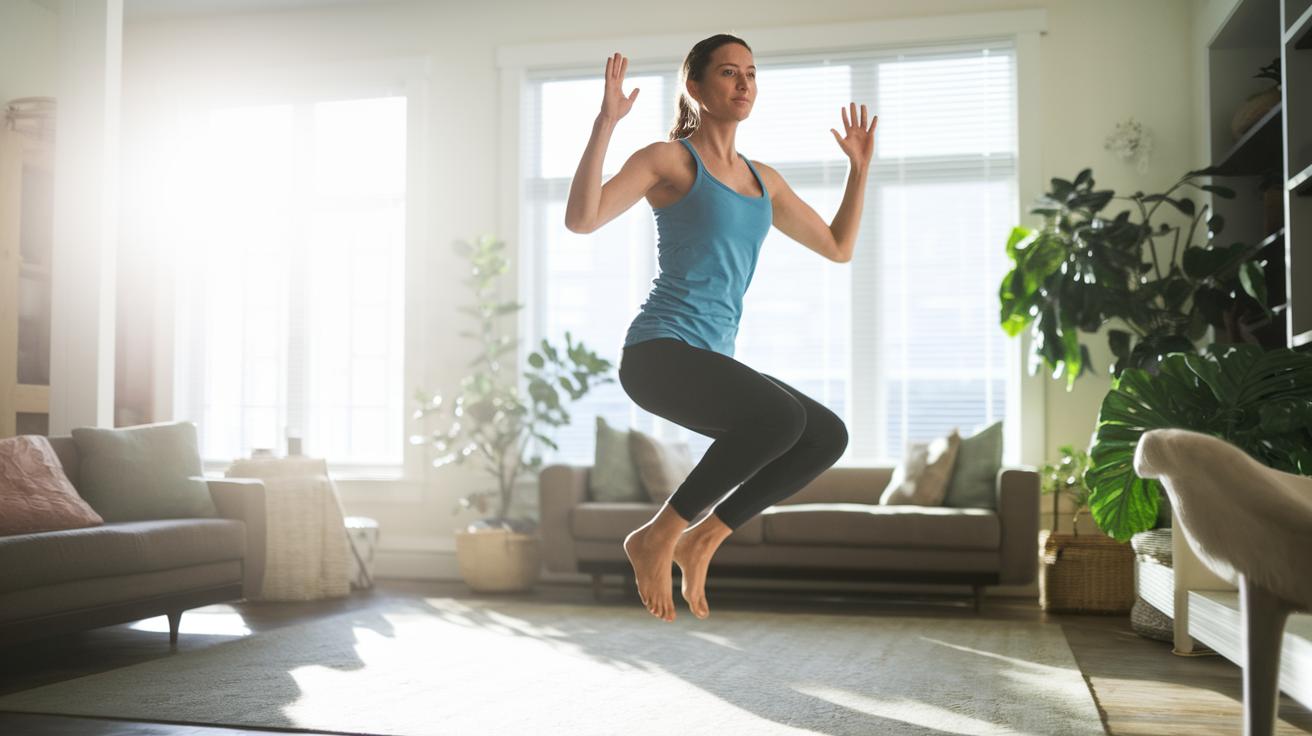
If you're just starting out or easing back into exercise, low-impact cardio is a great way to keep your heart happy without stressing your joints. Try simple moves like walking in place, step-touch steps, gentle jumping jacks, or even marching while seated. These exercises help boost your stamina without putting extra pressure on your knees, hips, or ankles.
They work perfectly if you're new to a workout plan or if you're recovering from a bit of discomfort. These moves raise your heart rate in a steady, manageable way that supports your overall heart health and lowers the risk of injury. Think of it as a friendly, easy way to stay active without overdoing it.
When you finish your workout, take a moment to cool down. Do some gentle hamstring and calf stretches, and roll your shoulders to ease any tightness. You can even grab a chair or a step for a bit of extra support while you stretch. This simple cool-down routine not only helps your muscles relax but also keeps your posture in check, so you'll feel energized and ready to keep taking good care of yourself.
Final Words
In the action, we set up a no-equipment routine that starts with a warm-up, flows into key bodyweight drills, and finishes with a beginner HIIT session. We covered easy techniques to help you track progress while keeping exercises safe and engaging. With gentle low-impact options for anyone needing extra care, you can gradually boost strength and endurance. Try out at home cardio workouts for beginners to build a routine that fits your pace. Every step brings you closer to a healthier day.
FAQ
What are effective at home cardio workouts for beginners with no equipment?
At home cardio workouts without equipment rely on bodyweight moves like squats, jumping jacks, and high knees, providing a free, accessible way to boost your heart rate and build endurance.
What do at home cardio workouts for beginners with weights include?
Cardio workouts with weights for beginners mix light dumbbell routines with bodyweight moves, which adds extra resistance to build strength and enhance overall cardiovascular benefits.
What are some good home cardio workouts designed for beginners, especially women?
For beginners and women, home cardio routines often include low-impact moves and dance-inspired exercises that keep the heart rate up while ensuring a safe, enjoyable, and effective workout experience.
How do short workouts like 5-minute cardio and longer ones like 30-minute routines benefit beginners?
Even a 5-minute cardio session can jump-start blood flow and energy, while a 30-minute routine provides a complete workout that steadily boosts endurance and overall heart health.
What constitutes a good cardio routine for a beginner?
A good beginner cardio routine mixes moderate-intensity bodyweight exercises with rest periods, emphasizing proper form and gradual progression to safely improve heart health and stamina.
Is 20 minutes of cardio enough for beginners?
Twenty minutes of cardio can be quite beneficial for beginners, supporting gradual improvements in cardiovascular fitness when performed regularly alongside proper warm-up and cool-down techniques.
Is 30 minutes a day of cardio sufficient?
Thirty minutes daily of cardio typically offers enough stimulus for heart health, endurance, and calorie burn, making it a practical goal for many beginners to incorporate into their routine.
What is the 12 3 30 cardio rule?
The 12 3 30 cardio rule involves setting a treadmill at a 12 incline and walking at 3 miles per hour for 30 minutes, focusing on an elevated heart rate for improved fitness.
What types of cardio moves are included in street workout, aerobics, squats, HIIT, Zumba, and crunch routines?
Cardio moves like street workouts, aerobics, squats, HIIT sessions, Zumba, and crunches offer a mix of high-energy activities and strength exercises, each designed to boost cardiovascular health and overall fitness.

