Ever wondered if eight glasses of water a day really works for everyone? Since over half of your body is water, drinking enough can improve everything from your mood to your skin. Your water needs can change based on your size, level of activity, and even the weather. Experts offer a general rule, but your body is the best guide to know what it needs. Today, we’re here to help you listen to your body so you can feel your best every day.
Determining Your Daily Hydration Requirements
More than half of your body is water. Water keeps your skin smooth, your blood flowing, and your organs working just right. Experts, like those at the Institute of Medicine, suggest that women try to drink about 2.7 liters a day and men around 3.7 liters. And yes, that total includes water from food too. The old idea of drinking eight 8‑ounce glasses a day isn’t one-size-fits-all, your actual need depends on things like your size, how active you are, the weather, and your overall health.
Everyone’s water needs are a little different. Think of it like mixing your own special recipe for good health, too little water can leave you dehydrated, and too much might lead to water overload. The key is to tune into your own body and adjust your intake based on what it tells you.
Here are a few things that can change how much water you really need:
| Factor | Description |
|---|---|
| Body Size and Composition | Your overall size and how much muscle versus fat you have. |
| Activity Level | The more you move, the more water you need to stay refreshed. |
| Climate and Temperature | Hot or humid weather often means you need more water. |
| Health Conditions | If you’re feeling under the weather, your body might ask for extra water. |
| Dietary Habits | Foods like fruits and veggies add water to your day too. |
By paying attention to these factors and listening to your body’s cues, you can adjust your water intake, stay refreshed, and keep your body happy and healthy.
Factors Affecting Your Daily Water Intake
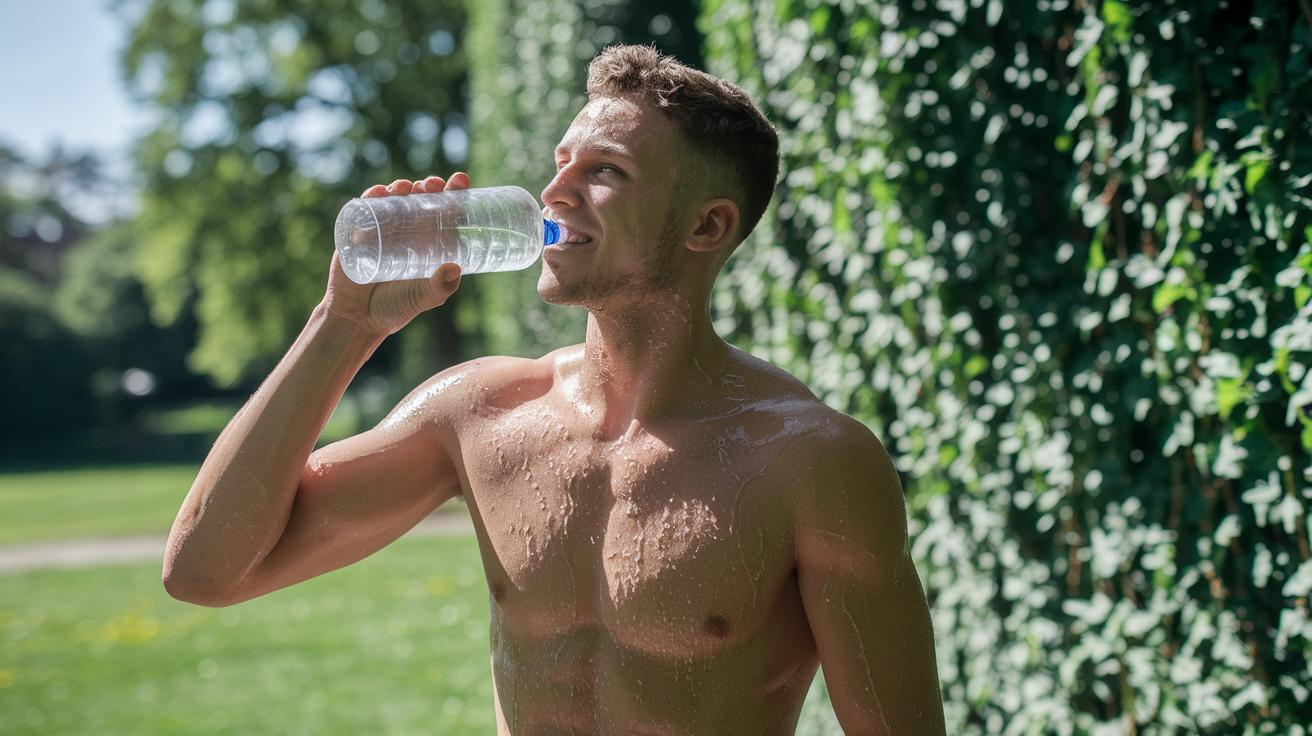
Your body isn’t just about weight, it’s about how your muscles and body mass hold water. Just like a bigger car engine uses more fuel, a larger, muscular body needs more water each day. Think about an athlete who drinks extra water to help muscles recover and keep the engine running.
The weather also plays a big role. If you live where it’s hot or at high altitudes, you sweat more and lose water faster. Imagine stepping outside on a hot day and quickly feeling thirsty. Even a little exercise in warm weather can mean you need to drink a bit more water to stay balanced.
Your overall health matters too. When you’re healing or dealing with a sickness, your body asks for more water to help with digestion and keep your mind clear. It’s like when someone is recovering from a cold, they might need a few extra sips to help everything work smoothly.
Hydration Strategies for Exercise and Active Days
Before starting your workout, grab a glass of water to get your body ready. Drinking water 15–30 minutes beforehand gives your body a boost and wards off dehydration. It’s like fueling your car for a long trip, starting off full helps you avoid running out of energy along the way. This little step helps your muscles and joints handle shifts in body temperature.
While you exercise, your body loses water through sweat, so sip water every 10–15 minutes. For most moderate workouts, plain water works well. But if you’re pushing yourself during a long or intense session, a sports drink might be a good idea to replace lost salts and minerals. Each small sip keeps your energy flowing and helps your body stay cool.
After exercise, drinking water slowly helps your body recover and return to its normal balance. This gradual rehydration not only soothes your muscles but also supports the efficient delivery of nutrients and the removal of waste.
Recognizing and Avoiding Dehydration and Overhydration
If you notice a dry mouth, warm flushed skin, feeling unusually tired, or quick breathing, your body might be hinting that it needs more water. Our bodies need water for everyday tasks like keeping our temperature steady and getting rid of waste. So if you find yourself feeling extra thirsty throughout the day, it’s a gentle reminder to reach for a glass of water.
On the other hand, drinking too much water too quickly can be a problem too. This condition, known as hyponatremia, might make you feel nauseous, give you headaches, cause muscle cramps, or even make you feel weak and confused. Your kidneys can typically handle about 1 liter of water in one hour. Drinking more than that can lower your body’s important sodium levels, which isn’t good for you.
It’s all about balance. Pay attention to your body’s early signals, whether it’s thirst or fatigue, and remember that neither too little nor too much water is ideal for staying healthy.
Practical Tips and Tools for Tracking Your Daily Water Intake
Keeping up with how much water you drink can be really simple if you stick to a few easy habits. One quick tip is to check your urine color, which gives you a fast snapshot of your hydration level. You might also add a splash of natural flavor, like mint, cucumber, or lemon, to your water. This trick makes the water tastier while keeping all its benefits. And remember, using hot plastic containers can lower water quality, so it’s best to keep your water stored in a cooler, safer option. A simple reminder, such as a timer on your phone, can make it even easier to stay on track with your daily water intake.
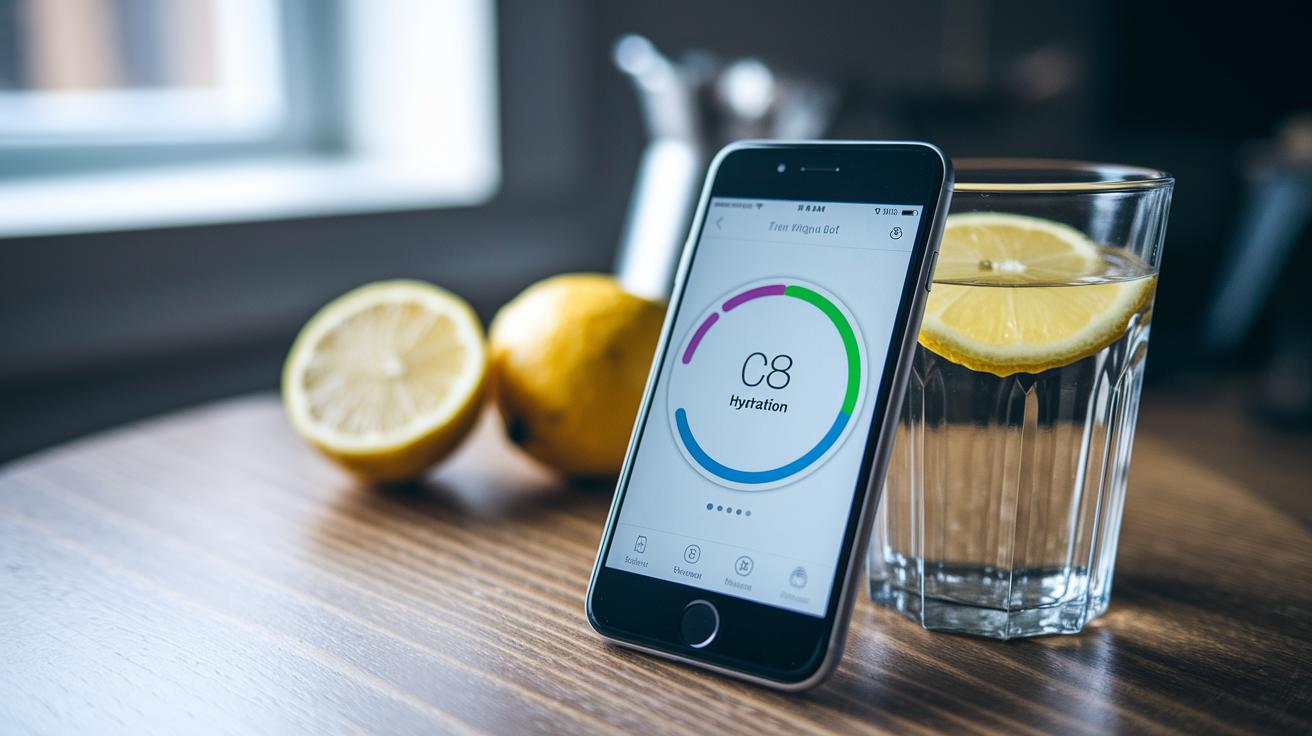
Today’s digital tools take hydration tracking up a notch. Smartphone apps and wearable devices can send you daily reminders and log your water consumption throughout the day. Some of these apps even have a personal hydration calculator, which means they offer insights tailored to your body, how active you are, and even the climate where you live. Check out the wearable tech for health at https://healthyfax.com?p=659. With these tools, keeping up with your water goals becomes a high-tech, yet super straightforward part of your routine.
Final Words
In the action, we explored daily hydration needs from setting benchmarks to understanding factors like body size, climate, and health status. We discussed practical approaches for exercise hydration, pointed out signs of dehydration and overhydration, and shared tools to track water intake effectively. This guide ties together tips for smart, data-informed health decisions, like how much water should you drink a day, to help you boost daily vitality. Stay inspired by these insights and keep moving forward with a refreshed outlook on well-being.
FAQ
How much water should you drink per day in different measurements?
The daily water intake guidelines suggest about 2.7 liters (91 oz) for women and 3.7 liters (125 oz) for men. These amounts may change based on body size, activity, and climate.
How much water to drink per day calculator?
The water-drinking calculator estimates your optimum intake by weighing factors like your weight, activity level, and environment, helping you meet your individual hydration needs.
How much water should a woman drink per day?
The recommendation for women is around 2.7 liters daily, counting both beverages and water-rich foods to support vital body processes.
Is 64 oz of water per day enough?
The idea that 64 ounces suffices depends on individual factors. Some may achieve proper hydration with 64 oz, while others might require more based on their activity level and surroundings.
How much water should you drink to lose weight and based on your weight?
The guidance for weight loss or weight-based hydration often suggests roughly 0.5 to 1 oz of water per pound of body weight, which can aid satiety and support metabolism.
Is 1 gallon of water a day too much?
The notion of consuming one gallon (128 oz) daily means it might work for some people, but for others, it could overburden the kidneys if it exceeds their individual hydration requirements.

