
Ever think a simple checkup might give you a boost of energy and help you stay active longer? Many seniors find that making small changes means they can catch things like high blood pressure or diabetes before they become serious issues. Regular screenings and a steady routine help keep both your body and mind feeling strong every day. Taking care of yourself now makes it easier to live a lively, fulfilling life later. In truth, even tiny shifts in your habits can pave the way to a healthier future.
Comprehensive Preventive Care for Seniors: Meeting Proactive Healthcare Needs
For seniors, taking small steps every day is key to staying healthy long-term. Regular checkups can spot issues like heart problems, diabetes, cancers, and infections before they turn into emergencies. A simple blood pressure check, for example, might catch high blood pressure early, making a big difference in how you feel over time.
Prevention isn’t just about doctor visits, it’s about building a routine that keeps you strong, both physically and mentally. Regular screenings help manage long-lasting conditions and boost mental well-being. Simple changes like eating healthy foods, staying active, and taking time to relax can build a sturdy foundation for a satisfying life as you age.
Knowing what preventive care involves is really helpful. It’s all about a steady cycle of checkups and small, smart decisions that stop problems before they start. Guidelines like those in Healthy People 2030 remind us to make health care fair and accessible for everyone. New updates, like those from June 2025, underscore the need to keep our care practices fresh and up-to-date. Overall, comprehensive care helps seniors take charge of their health early on so they can enjoy a vibrant and active life.
Essential Health Screenings and Checkups for Seniors
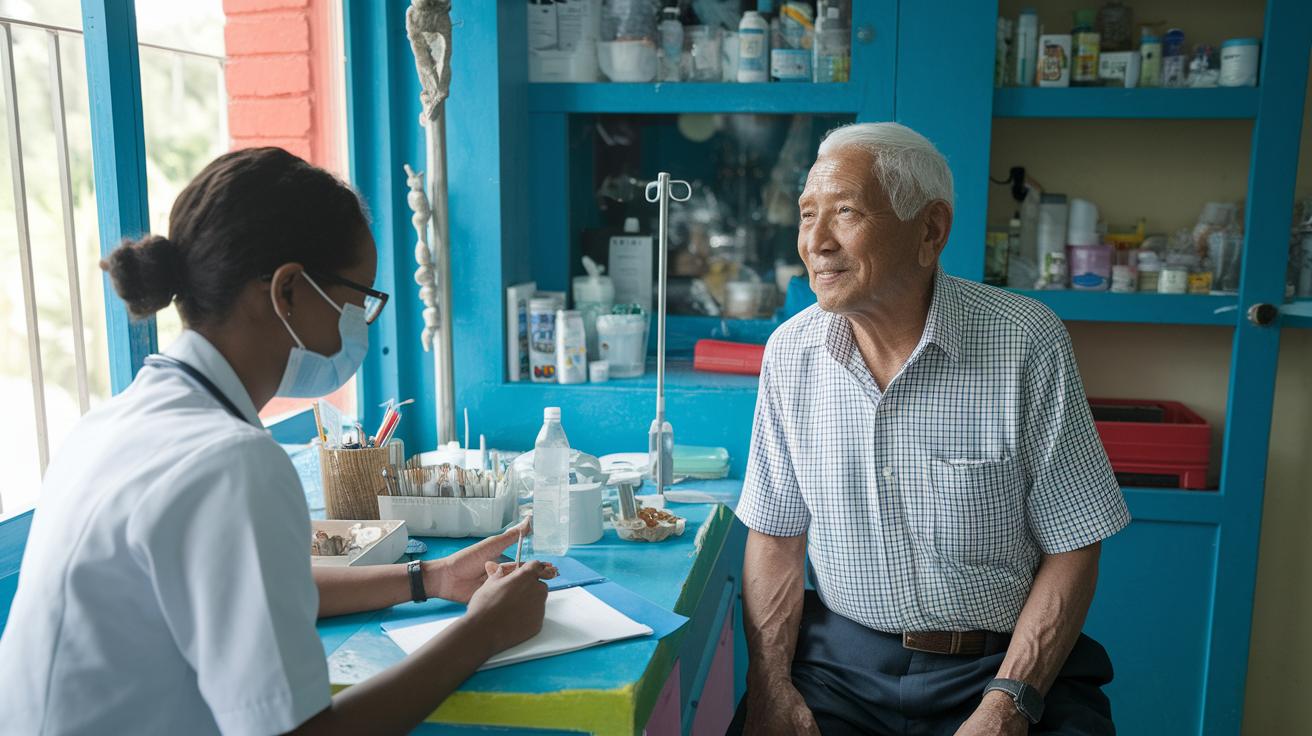
Regular checkups are key for keeping seniors healthy. Routine screenings help spot problems before you feel sick, so issues can be managed early. This not only cuts down on treatment costs, but it also helps you stay active and independent. When you check out our article on preventive care screenings, you'll see how these tests are vital for a lively life.
Sticking with recommended guidelines means issues get caught early. For example, adults over 40 should get a cholesterol test every 4–6 years to find heart-related risks. Also, folks over 45 might need a diabetes screening every 1–3 years to keep blood sugar in check, as suggested by the American Diabetes Association. Women aged 50 or older should have a mammogram every 2 years to spot early signs of breast cancer. Adults over 50 should consider a colonoscopy, especially if you’re over 70, to detect colon issues early. A yearly blood pressure check can tell you a lot about your heart and blood vessels, while bone density tests help find early signs of osteoporosis to lower fracture risk.
| Screening Type | Recommended Frequency | Age Group |
|---|---|---|
| Cholesterol Test | Every 4–6 years | 40+ |
| Diabetes Screening | Every 1–3 years | 45+ |
| Mammogram | Every 2 years | Women 50+ |
| Colonoscopy | Every 10 years (or as advised) | 50+ (especially over 70) |
| Blood Pressure Check | Annual | 40+ |
| Bone Density Test | Every 1–2 years | Seniors |
Staying on top of these tests gives seniors the confidence to embrace each day and stay strong in body and spirit.
Senior Immunization Schedules and Vaccination Protocols
Vaccines help keep your immune system strong as you age. Each year, a flu shot is one of the easiest ways to help your body fight off common viruses. Did you know that a yearly flu vaccine can really set the stage for a healthier winter? It’s a small step that can save you from some tough bouts of illness.
Pneumonia is especially risky for seniors. That’s why doctors suggest two pneumococcal vaccines, PCV13 and PPSV23. Think of them like a double shield against pneumonia and its complications. And if you’re 60 or older, getting the shingles vaccine can help reduce the pain and discomfort of postherpetic neuralgia.
Staying on top of your COVID-19 booster shots is important too. The guidance is updated often based on the latest CDC advice, so keeping current means you’re well-protected. With these vaccines, you’re working to stay strong and independent every day.
By following these vaccination protocols, seniors can embrace life with confidence and enjoy each day with vitality.
Nutrition and Lifestyle Strategies in Senior Preventive Care

Sticking to a balanced diet and staying active can really make a difference in feeling your best. For example, a meal filled with lean proteins, whole grains, and plenty of fruits and veggies may lower your chances of developing diabetes and heart problems before any symptoms show up.
Simple lifestyle changes, like quitting smoking, getting regular exercise, managing stress, and catching enough sleep, work together like puzzle pieces to support your weight and overall health. Each step, no matter how small, helps keep chronic illnesses at bay.
Many seniors find that eating foods rich in nutrients not only boosts their energy but makes everyday activities easier. Getting personalized advice from a nutritionist can help tailor meal plans to your tastes and health needs, so you know what works best for you.
Even swapping a sugary snack for a crisp apple or taking a short walk can add up over time. Embracing these ideas means taking charge of your health, so you can enjoy a lively and active lifestyle every day.
Preventive care for seniors: Embrace Lifelong Vitality
Staying active is the key to keeping strong and independent. Even if you prefer gentle exercise, there are plenty of options that work well. Try a chair yoga session, it builds muscle and keeps your joints flexible without pushing too hard.
Next, practicing balance and mobility really pays off when your home is set up safely. Simple tweaks like adding grab bars or making sure your paths are bright can cut down the risk of falling. Even standing on one leg near something steady can help improve your balance.
And don’t forget the benefits of group classes. These sessions are not only great for exercise but also offer a chance to connect with others and share useful tips. For more ideas on group workouts, you can visit active living seniors. Combining the right exercise routine with easy home adjustments can help you enjoy a long, healthy, and independent life.
Mental Wellness and Cognitive Assessments in Senior Preventive Care

Routine checkups for how our brains work are a key way to spot early signs of memory loss. These simple tests help catch small changes that might lead to bigger problems, like dementia, down the road. They also give seniors the chance to get timely help and adjust daily habits before the issues grow.
Regular mental wellness visits go hand in hand with cognitive checkups, especially when they include depression screening. Sometimes a small memory dip discovered during a screening can spark a chat with a healthcare provider about trying new mindfulness techniques or getting more involved in social activities. This kind of gentle care helps boost quality of life and keeps seniors feeling independent and active.
Depression checks are extra important too. Feelings of loneliness or sadness might sneak up and affect how well memory works. By including mental health evaluations in routine visits, seniors can get a full picture of their overall well-being. And with this approach, simple lifestyle changes, like a little more exercise or more social time, become part of the plan to keep both mind and body strong. Early detection and a little proactive care can go a long way in helping seniors enjoy each day with confidence. Mental health matters.
Coordinating Geriatric Preventive Care: Personalized Plans and Community Resources
When doctors who specialize in older adults join forces with primary care professionals, seniors get care that’s made just for them. These caring teams mix expert advice with everyday insights to create plans that include routine check-ups, simple lifestyle tips, and timely follow-ups. One senior even said, "My regular check-ups and personalized exercise advice made all the difference."
Telehealth is another game changer. Through online visits, older adults can easily connect with specialists. This means it’s much simpler to set up coordinated primary care appointments and spot any changes in health early on.
Local community programs and friendly support networks work hand in hand with these virtual tools. Regular check-ins and coordinated visits from experts provide seniors with the comfort of knowing every part of their health is cared for. Together, these services help seniors live life to the fullest while keeping preventive care easy and effective.
Final Words
In the action of safeguarding well-being, we explored a range of practical health measures. The post walked through steps from routine screenings and immunizations to healthy diets and gentle exercise. We looked at simple practices that help keep the mind sharp and the body moving safely. These points build a solid plan that supports both personal vitality and coordinated care. By putting these strategies into practice, you pave the way for a future filled with energy and positivity, all thanks to preventive care for seniors.
FAQ
How can seniors access preventive care near California and Texas?
Seniors in these states can find preventive care at local clinics, health centers, and community programs. They should contact nearby healthcare providers or local health departments to learn about available services.
What do preventive health screenings for older adults involve?
Preventive health screenings for older adults involve routine tests like blood pressure, cholesterol, diabetes, mammograms, and bone density tests that help catch health issues early and reduce emergency visits.
What are the health screening guidelines for seniors aged 65 and older?
Health screening guidelines for seniors recommend regular exams such as annual blood pressure checks, cholesterol and diabetes tests at set intervals, and age-specific screenings like mammograms and colonoscopies to support early detection.
How are preventive mechanisms used in monitoring and individualizing prevention for older adults?
Preventive mechanisms include regular checkups and monitoring tools that help doctors tailor screenings and care plans to each senior’s health needs, supporting early management of chronic conditions.
Which of the following is not a typical sign or symptom of depression in elderly patients?
While seniors may show low mood, fatigue, and sleep changes, clear episodes of unusually high energy are not considered a typical sign of depression in older patients.
What is preventive care for seniors?
Preventive care for seniors is routine health guidance that includes screenings, immunizations, and lifestyle advice to catch problems early. For more details, see this explanation of what is preventive care.
Does Medicare pay for preventive care?
Medicare covers many preventive services, including screenings, vaccines, and routine examinations, which help seniors catch potential issues early and manage long-term health costs.
What are three examples of preventive health care?
Examples include regular screenings like cholesterol tests, immunizations such as the flu shot, and lifestyle counseling for nutrition and exercise that together support healthy aging.
How can I get free preventive care?
Free preventive care can be available through community health programs, local clinics, and Medicare-covered services. Check with your local health department or community center for information on free services.

