
Ever wonder if a small change in your eating habits could boost your energy, even as you age? Eating well after 60 can help keep your muscles strong and lower the risk of bone problems. Think of your plate as a friendly helper, packed with colorful veggies, lean proteins, and fats that love your heart. By choosing foods full of nutrients, you can enjoy steady energy and a better quality of life. In this article, you’ll find simple, practical tips to help you create tasty, balanced meals day by day.
Core Nutritional Guidelines for Healthy Eating in Seniors
After you hit 60, your body usually needs fewer calories because your metabolism slows down. That’s why it’s smart to adjust your portion sizes to keep your weight in check. Think of your plate as a simple guide: fill half with veggies, one quarter with whole grains, and one quarter with lean proteins mixed with healthy fats. For instance, imagine a plate with dark leafy greens, a scoop of brown rice, some grilled chicken, and a little drizzle of olive oil.
Calcium-rich foods like milk, plain yogurt, and cheese are super important for strong bones. With nearly 10 million Americans over 50 facing conditions like osteoporosis, it’s a good idea to include these foods often. Dark berries not only taste great but also add fiber, potassium, magnesium, and vitamin C to your diet. Leafy greens offer calcium along with vitamins A and K, both of which support your overall health. And don’t forget citrus fruits, they’re a tasty way to boost your immunity with plenty of vitamin C.
Including a variety of nutrient-dense foods can help maintain steady energy levels and support muscle repair along with other body functions. Building meals with these elements lets you adjust your calories without missing out on essential nutrients. If you’re looking for ideas on a balanced plate, check out this grocery list for healthy eating at https://healthlystats.com?p=207.
Remember: measure your servings, choose fresh produce, and focus on whole foods that are low in added sugars and unhealthy fats. This approach makes it easier to manage your calories while still giving your body the important vitamins and minerals it needs.
Macronutrient Balance: Building Meals in Later Years

Eating well as you get older means mixing lean proteins, whole grains, and plenty of veggies in your meals. Lean proteins like wild-caught salmon, eggs, and nuts help keep your muscles strong and support repair. For instance, whip up some scrambled eggs with chopped spinach, it’s a simple dish that fills you up and boosts your energy.
Whole grains such as oats, whole wheat, or brown rice work to steady your blood sugar. Imagine a warm bowl of oatmeal topped with sliced almonds and berries; it’s an easy, tasty way to start the day right.
Legumes like chickpeas, black beans, and lentils add protein and fiber without loading on the fat. Try pairing them with healthy fats from nuts, seeds, or a drizzle of olive oil on steamed vegetables. A neat little tip: sprinkle a handful of walnuts on your salad for an extra nutrient boost.
| Food Group | Benefit |
|---|---|
| Lean Proteins | Helps repair muscles and keeps energy steady |
| Whole Grains | Helps regulate blood sugar |
| Legumes | Provides protein and fiber with little fat |
Putting these together makes a nutrient-packed meal plan that keeps your energy high, repairs muscles, and supports overall health as you age.
Top Nutrient-Dense Foods to Support Senior Health
Dark berries deliver a burst of tasty flavor along with special natural compounds that go beyond basic vitamins. Try adding them to your morning oatmeal or blending them into some Greek yogurt for a creamy, energizing treat. Imagine tossing a handful of blueberries into your favorite cereal, it's like a little splash of sunshine.
Leafy greens pack a real punch of essential minerals. Ever thought about enjoying a warm spinach soup or a quick sauté of kale with garlic? These simple ideas let you enjoy the goodness without getting stuck on the usual benefits talk.
Citrus fruits bring a fresh twist to any dish. A bit of lemon or lime zest on steamed veggies or in a crisp salad can boost flavor and add extra nutrients. Picture a salad lightly sprinkled with citrus zest, it’s a small change that really livens things up.
Legumes and whole grains bring a comforting, hearty feel to your meals. Mix black beans with quinoa or add lentils to a whole-grain stew to whip up dishes that feel both familiar and creatively delicious.
Portion Control and Calorie Management After Age 60
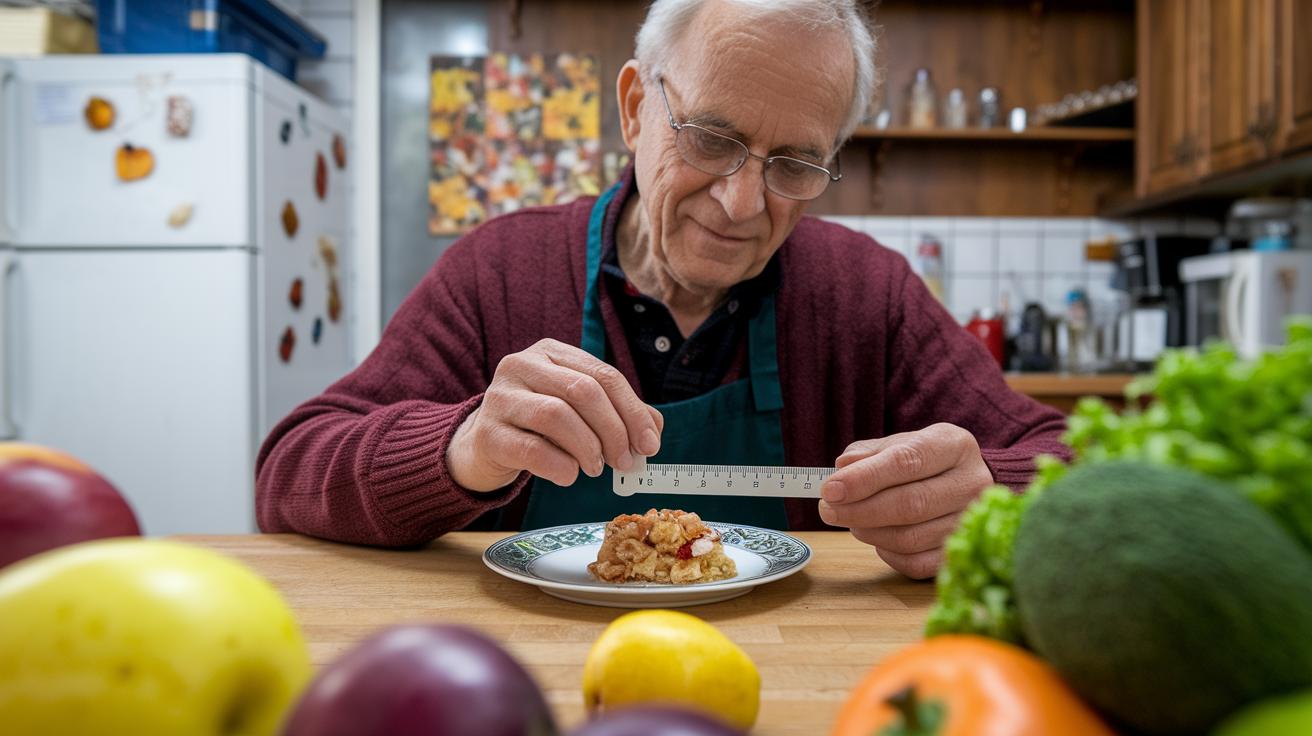
After 60, our bodies simply need fewer calories because our metabolism eases up. This makes it a good idea to measure how much you eat and adjust your portions, helping you keep your weight steady. For example, switching to a smaller plate, kind of like the ones you might see your child use, can subtly lower the total calories on your plate.
Many seniors find that planning their meals ahead of time and tracking what they eat makes life easier. Using a food diary or a digital tracker can turn counting servings into a friendly habit rather than a burden. And don’t forget: try to stick to a daily sodium limit of 2,300 mg and cut back on added sugars and saturated fats. These simple tips can help lower the chances of high blood pressure and type 2 diabetes.
Below are some simple ideas you might try:
| Tip | Why It Helps |
|---|---|
| Measure servings | You get a clear idea of how much you are eating |
| Use smaller plates | This naturally limits portion sizes without too much effort |
| Keep a food diary | It helps you track calories and nutrients in a simple way |
Taking care of your calorie intake in a mindful way can lead to more balanced meals and a healthier, more energetic lifestyle.
Hydration and Fiber: Daily Practices for Seniors
Staying hydrated grows even more important as we age. A simple guideline is to sip fluids in ounces equal to about one-third of your body weight. So if you weigh 150 pounds, try to drink around 50 ounces of water every day. This easy habit helps smooth your digestion and keeps your kidneys happy.
Fiber is another key player. Seniors can benefit from getting 25 to 30 grams each day to help prevent constipation, a common issue for many older adults. Picture enjoying a warm bowl of oatmeal mixed with a chopped apple or nibbling on a crisp celery stick between meals. These little changes can really help keep your gut feeling its best.
You can also boost hydration by adding water-rich foods like watermelon, cucumbers, and celery to your diet. Mixing these into a colorful salad not only livens up your plate but also helps you stay hydrated while reaching your fiber goal. Bit by bit, these small habits add up to support your overall digestive and kidney health.
Overcoming Common Eating Barriers for Mature Adults

Getting older often brings changes in your body that can affect your appetite. Hormone shifts or a reduced sense of taste and smell might make meals feel less exciting, and you might end up eating less than you need. Feeling blue or lonely can also make it hard to look forward to cooking or enjoying a meal. Sometimes, just thinking about preparing food feels like too much effort when you're low on energy or feeling isolated.
Mobility can be an issue too. Many older adults find it tricky to carry heavy grocery bags or make trips to the store. Using grocery delivery services or meal options that come right to your door can be a game-changer. These simple solutions help you keep a balanced diet without the extra hassle of shopping in person.
Keeping food fresh is just as important. Making sure perishables are stored at the right temperature helps prevent foodborne illnesses. A good, reliable fridge ensures your food stays fresh and full of nutrients rather than going to waste.
- Use delivery services if mobility is a challenge
- Consider meal-service options to ease the stress of cooking
- Store perishables properly to maintain their freshness and safety
Simple changes like these can make a big difference in your daily nutrition and overall well-being.
Sample Quick, Budget-Friendly Meal Ideas for Seniors
Start your day with a warm bowl of oatmeal drizzled with fresh berries. It’s a comforting and easy meal that fills you up while being kind to your budget. Oatmeal paired with berries gives you a boost of fiber and vitamins to kick off your morning.
For lunch, whip up a simple bean-and-vegetable soup. Think of affordable ingredients like black beans, chopped carrots, and frozen spinach, all simmered in a tasty broth that warms you inside out. Making a big pot means you can enjoy several meals with little extra effort.
When dinner rolls around, try a quick spinach-egg scramble. Just whisk a couple of eggs with some spinach and a pinch of your favorite herbs for a nutritious, low-cost meal. Or, consider stir-frying veggies with brown rice using whole grains and frozen produce for a colorful, satisfying plate.
Another smart tip is batch-cooking stews or casseroles. Spend a bit of time on a quiet day to cook a big pot of your favorite stew, then divide it into portions to refrigerate or freeze for later. This way, you save both time and money while always having a hearty, home-cooked meal ready when you need it.
Optimal Nutrition Support Through Medicare for Seniors

Medicare has some great benefits that help seniors with meal planning. One key perk is medical nutrition therapy. This service, available during your annual wellness visit for conditions like diabetes and chronic kidney disease, lets you work with a registered dietitian at no extra charge.
Imagine having a friendly expert help you adjust your diet to lower blood pressure or manage your sugar levels. You might work together to create a daily menu that features just the right mix of veggies, whole grains, and lean proteins. This isn’t one-size-fits-all advice, it’s a plan made just for you, taking into account your unique health needs and goals.
By using these Medicare nutrition benefits, seniors get a plan that follows medical guidelines while offering everyday tips. It’s a practical and expert way to boost your eating habits, even when managing the challenges that come with getting older.
Final Words
In the action, the post breaks down nutritional guidelines, balanced meals, and smart portion control to help seniors enjoy healthy eating for seniors. It explores filling meals with lean proteins, fruits, and whole grains while addressing hydration and digestion. Practical tips for tackling common challenges and cost-effective meal ideas make following a balanced diet easier. Medicare support also plays a part by offering nutrition help for chronic conditions. The advice provided gives you the confidence to embrace better, vibrant daily eating habits. Keep your meals simple and satisfying for a healthier tomorrow.
FAQ
What does a 7-day meal plan for elderly include?
A 7-day meal plan for the elderly includes balanced servings of vegetables, whole grains, lean proteins, fruits, and healthy fats to meet lower calorie needs while supporting muscle and bone strength.
What information can a Healthy Eating for Seniors PDF provide?
A Healthy Eating for Seniors PDF offers a quick reference guide with meal schedules, balanced recipes, and grocery lists to simplify nutrition planning for seniors.
What do Healthy Eating for Seniors recipes feature?
Healthy Eating for Seniors recipes feature nutrient-rich ingredients, easy-to-follow instructions, and balanced portions of vegetables, lean proteins, and whole grains to support overall health.
What is included in a Healthy Eating for Seniors meal plan?
A Healthy Eating for Seniors meal plan focuses on half the plate filled with vegetables, one quarter whole grains, and one quarter lean proteins with added healthy fats and limited sodium.
What does a diet plan for old age above 65 involve?
A diet plan for individuals above 65 involves nutrient-dense foods, reduced calorie portions, and a mix of bone-friendly calcium sources, lean proteins, and fiber-rich fruits and vegetables.
What should a 7-day meal plan for an elderly female look like?
A 7-day meal plan for an elderly female should tailor calorie levels to activity, ensuring balanced portions of vegetables, whole grains, lean proteins, and healthy fats to support daily needs.
What does a 70-year-old diet plan consist of?
A 70-year-old diet plan consists of smaller portions emphasizing nutrient-dense foods, high fiber, low sodium, and lean protein sources to maintain strength and manage calorie intake.
What is on a Healthy Eating for Seniors food list?
A Healthy Eating for Seniors food list includes dark berries, leafy greens, citrus fruits, lean proteins, whole grains, and dairy options like milk and plain yogurt for bone support.
What are five foods seniors should eat?
Five foods seniors should eat are dark berries, leafy greens, citrus fruits, lean proteins, and whole grains to provide essential vitamins, minerals, and antioxidants for healthy aging.
What should a two-week menu for an elderly person include?
A two-week menu for an elderly person should include a variety of vegetables, fruits, whole grains, lean proteins, and healthy fats to ensure balanced nutrition and adequate calorie control.
What is a healthy diet for the elderly?
A healthy diet for the elderly includes a balanced mix of vegetables, whole grains, lean proteins, and healthy fats in smaller, nutrient-dense portions to match reduced calorie needs.
What are the three most important foods for healthy aging?
The three most important foods for healthy aging are dark berries for antioxidants, leafy greens for calcium and vitamins, and lean proteins to support muscle repair and overall vitality.

