
Ever wonder if our health care could spot problems before they grow worse? Predictive analytics in health care is making that possible. By looking at past records and current trends, doctors and hospitals can step in early, kind of like a friend giving you a heads-up about an approaching storm.
This smart, data-based approach helps cut down on repeat visits and makes care smoother and more affordable. In short, proactive care can really improve patient outcomes and keep everything running more efficiently.
How Predictive Analytics Improves Patient Outcomes and Operational Efficiency
Predictive analytics is changing the way healthcare works. It helps doctors and hospitals spot potential problems early, so patients get the right care before things get worse. By looking at past records along with current trends, these methods let us make quick, well-informed decisions that reduce unnecessary readmissions and costly mistakes.
Hospitals now rely on real-time data to adjust staff schedules and keep equipment in top shape. This proactive approach not only cuts expenses but also speeds up decision-making. It’s like having a trusted friend who gives you a heads-up before trouble finds you.
- Early detection: Spots patients at risk before their condition takes a downturn.
- Fewer readmissions: Helps reduce repeat hospital visits, addressing the 14% readmission rate seen in adults.
- Cost savings: Lowers expenses by fine-tuning scheduling and reducing missed appointments, which could otherwise cost nearly $150 billion a year.
- Error prevention: Cuts down on human mistakes with timely, accurate alerts.
- Smart resource use: Makes sure staff and equipment are used in the best way to boost patient care.
For healthcare leaders, predictive analytics is a powerful tool. With complete data from electronic records, imaging scans, and even wearable devices, they can plan ahead and save big, reducing the US system’s $52.4 billion in annual readmission costs. With 82% of Medicare hospitals already facing penalties, these smart techniques are more important than ever. In short, better predictive models lead to smarter risk assessments, more efficient use of resources, and stronger patient care overall.
Building Data Integration for Effective Health Care Predictive Analytics
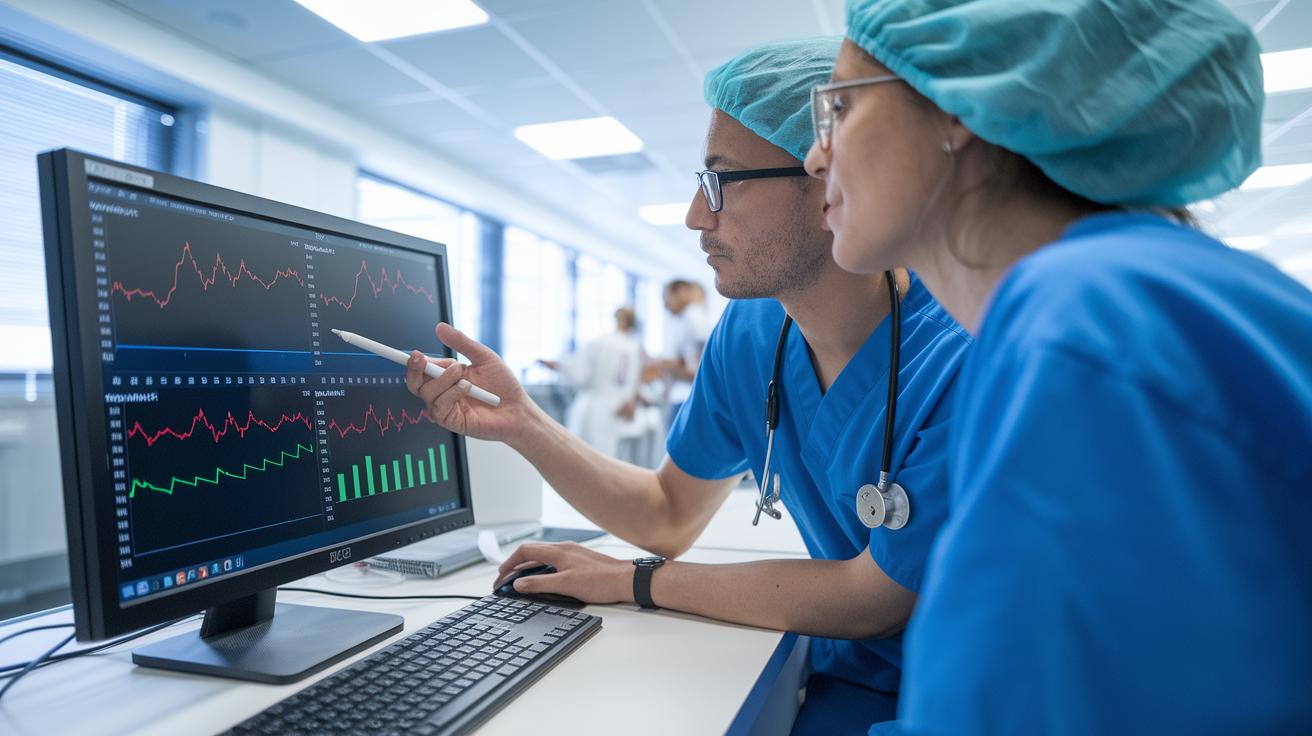
Healthcare predictive analytics depends on gathering info from many sources like electronic health records, medical images, wearables, insurance claims, and clinical studies. When these pieces come together, they form a complete picture that helps doctors make real-time decisions. It’s like connecting dots, patterns emerge that lead to personalized treatments and smarter care choices.
Merging these diverse streams means first making sure all the data speaks the same language and is accurate. When healthcare centers set up unified feeds, important insights can appear on simple clinical dashboards, making it easier to navigate patient care. In other words, tweaking the data into a common format and double-checking its accuracy are vital steps for a dependable predictive analytics system.
Keeping data safe during this process is essential, especially with strict rules like HIPAA. Hospitals use secure API connections and keep a close watch on everything to protect sensitive patient details. When data sharing follows privacy standards, it builds trust and creates a secure space for crafting personalized, high-quality care plans.
Predictive Analytics Models and Machine Learning Algorithms in Health Care
Health care predictive analytics uses lots of simple techniques to guess how patients might do and help doctors decide on the best care. These methods range from old school math tricks to modern machine learning tools that learn from data. They look at things like patient records and medical pictures to find patterns and give early alerts. When you mix these methods with expert advice, it gives health care teams both guidelines and smart predictions.
| Technique | Application | Key Benefit |
|---|---|---|
| Logistic Regression | Risk checks for long-term illnesses | Makes choices simpler |
| Decision Tree | Sorting patients for the best treatment route | Easy for everyone to understand |
| Random Forest | Guessing if a patient might come back | Makes predictions more accurate |
| Neural Network | Finding complex patterns in images | Adapts well to detailed data |
| Generative AI Augmentation | Creating synthetic medical images and text | Makes training data stronger |
For health systems, checking if the models work is very important. Developers test these methods with different sections of patient data to make sure they predict outcomes accurately before using them in clinics. They work closely with health professionals who look at and fine-tune the prediction rules. Next, when the computer models and expert knowledge work together nicely, hospital teams run careful trials and do regular checks to see how well the predictions perform.
This teamwork helps doctors trust the results, cut down on risks, pick the right treatments, and give better care. By comparing what the models predict with everyday health records, care teams build more faith in these tools. The mix of trusted techniques and modern machine learning not only improves care quality but also helps reduce extra tests and hospital returns, paving the way for better patient care and smarter use of resources.
Leveraging Real-Time Analytics Tools for Health Care Predictive Analytics

Streaming frameworks are the backbone of real-time data analysis in healthcare. Platforms built on Apache Kafka, like Confluent Cloud, let data flow smoothly so models can score information and send alerts instantly. They pull continuous updates from things like electronic health records and connected devices, creating a steady stream of useful info. By blending these data streams with systems that predict risk, they offer quick risk scores that are easy to understand. This setup helps care platforms catch trends early, so doctors can step in before issues turn serious.
Clinical dashboards then turn all that raw data into clear, actionable insights. They show patient risk scores and highlight any unusual changes. For instance, a dashboard might use simple visuals to signal when a patient’s condition is getting worse, guiding a quick response at the point of care. Plus, built-in alert systems make sure any odd data point is flagged right away, empowering healthcare providers to offer proactive care with near-real-time updates.
Health Care Predictive Analytics Case Studies Driving Results
In one study, a fraud detection tool was used to find odd billing patterns across different hospital departments. The tool looked at claim data and compared it with normal trends so that any unusual activity could be spotted early. It cut false claims by 30% and saved money that could be redirected to patient care. This shows how using data smartly can help make billing safer and more efficient.
Another study tackled vaccine distribution during COVID-19. Teams used risk factor analysis (a way to figure out who might need more help) to identify groups at high risk. This meant that limited vaccine supplies reached those who needed them most. By carefully looking at the numbers, hospitals could decide who to prioritize, leading to higher vaccination rates and better handling of exposure risks.
A different example involved a system that predicts if patients with long-term conditions might end up back in the hospital, a problem affecting about 14% of them. It looked at patient history, treatment responses, and basic demographic info to flag those at higher risk. Thanks to this, hospitals saw a 20% drop in repeat visits. This allowed for quicker, more personalized care and reduced the strain on hospital resources, making the overall process more efficient.
Addressing Challenges and Compliance in Health Care Predictive Analytics

Implementing predictive models in healthcare isn’t without its challenges. For example, keeping data private, dealing with complex system integrations, handling algorithm bias, and managing rough data can make it hard to build a smooth, reliable system for clinical decisions.
Testing these models thoroughly is key. This means running clinical trials and checking performance over time. Without these regular tests, even the best models might miss real-life issues, which could lead to mistakes in patient care.
On top of that, strict rules add extra steps. Regulations require clear records, simple explanations of how the models work, and careful management of patient consents. These rules, like those in HIPAA (a law that protects patient privacy), ensure that patient data is handled with great care and openness. They also keep the models responsible when new data is added or when systems need updating.
Finally, a good organizational plan is crucial. When healthcare teams get the right training and support to use these tools, it makes the integration smoother. With everyone on board and knowing how to use the new systems, healthcare providers can improve patient outcomes and keep operations running reliably.
Emerging Trends in AI and Advanced Analytics for Health Care Predictive Analytics
Generative AI is shaking things up by adding extra data to help predict health trends. It creates new training data from real patient records so that doctors and analysts can make smarter decisions on the spot. Think of it like adding extra puzzle pieces to complete the picture, boosting confidence in risk checks and treatment choices.
Digital twin technology is also making a big impact by mimicking how a patient’s body works. This means doctors can test out treatments on a virtual copy of a patient before moving ahead in real life. Imagine looking at a digital replica of someone’s heart before surgery. It makes planning treatments feel safer and more personalized. Platforms using digital twin methods are leading the way in custom treatment plans.
Real-world evidence analytics takes everyday care data and builds on it over time to improve predictions. With the help of cloud computing and smart devices that connect via the internet (that’s IoT, or the Internet of Things), these tools grow faster and work in ever-changing environments. In 2022, this market was worth $11.7 billion and is expected to grow even more. Health care leaders are using these trends to build services that are flexible, scalable, and focused on patient care. All these innovations are setting the stage for a future in health care that benefits everyone.
Final Words
In the action, this article highlighted how smart data use transforms patient outcomes and operations. We saw real-life examples of predictive models making a tangible impact.
• Early detection
• Readmission reduction
• Cost savings
• Error prevention
• Resource optimization
These insights empower healthcare decision-makers to refine daily routines and make data-guided choices. Embracing health care predictive analytics means a more responsive and caring system that continues to offer hope and better quality care every day.

