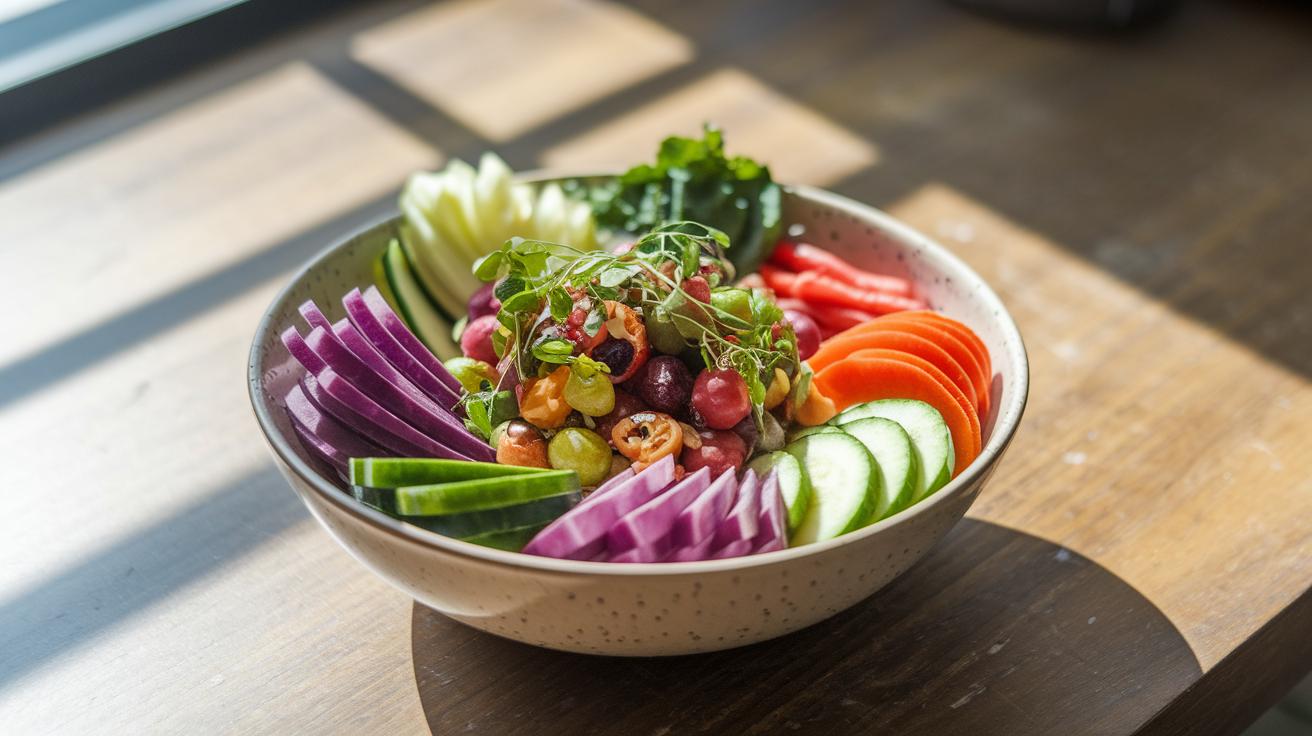
Ever thought about how your food choices might boost your mood and give you more energy? Even small switches, like choosing balanced meals and cutting back on extra sugars, can really improve how you feel every day.
In this post, we'll walk you through simple steps to build lasting eating habits. We focus on whole foods and smart planning so you can enjoy tasty meals while keeping your body strong and energized.
Building Sustainable Healthy Eating Habits
Developing lasting healthy eating habits is all about making small, steady changes to the way you eat so your body stays strong for years to come. It means choosing balanced meals, cutting back on extra sugars, and adding fresh, whole foods that give you energy. For easy tips to get started, check out this guide on how to start eating healthy.
Research shows that cutting sugary drinks and choosing whole foods can lower your chances of obesity, type 2 diabetes, and long-term inflammation. Planning meals ahead of time helps you stick to a balanced plan and makes each meal a mindful, healthy choice.
- Swap out sugary drinks for water or herbal tea
- Fill half your plate with fruits and vegetables
- Plan and prep at least two meals each week
- Keep a quick diary or use an app to track your meals
- Try to eat at about the same times every day
These simple steps work together to ease inflammation and boost the nutrients your body needs. When you replace sugary beverages with water, you lower extra calories and help keep inflammation in check. Making fruits and veggies the star of your plate gives you steady vitamins, fiber, and minerals. Prepping meals ahead of time can stop you from grabbing processed foods when you're in a hurry. Tracking what you eat can help you spot patterns and make smarter choices, and sticking to regular meal times can prevent overeating while keeping your energy balanced.
Portion Control and Balanced Plate Composition for Healthy Eating Habits
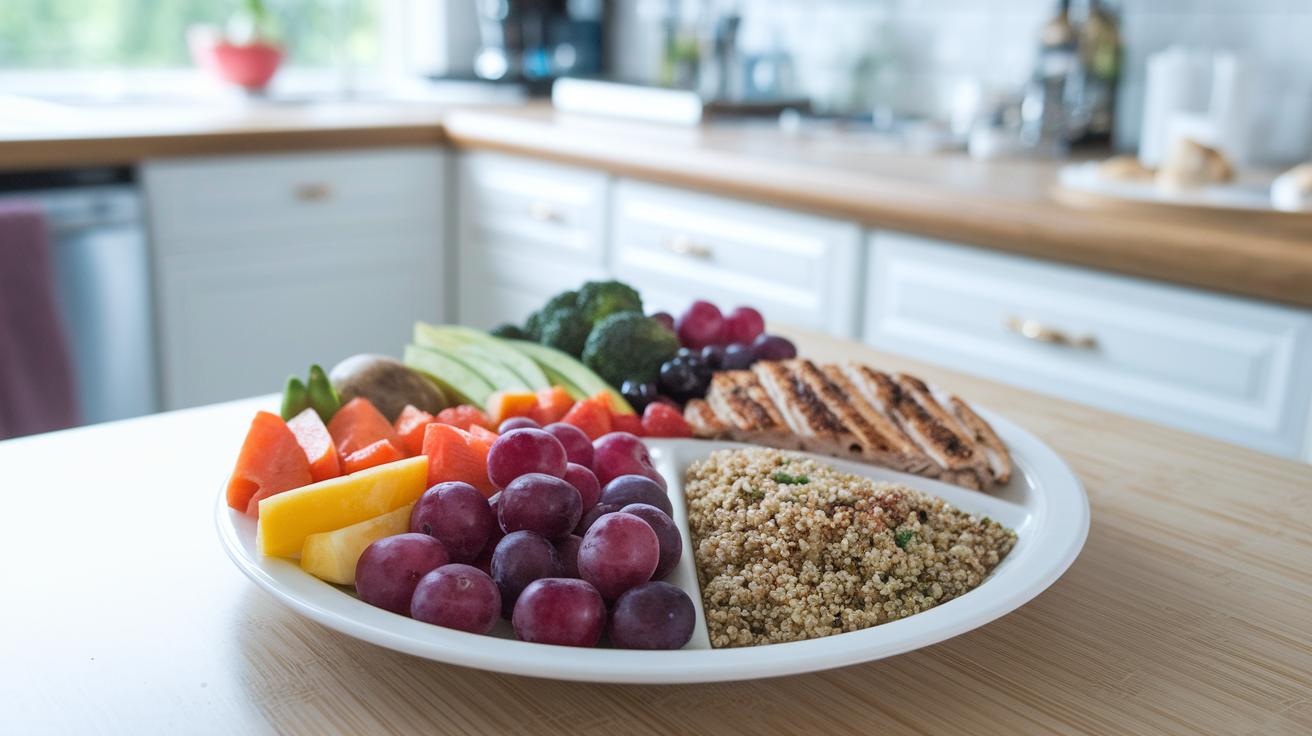
A balanced plate is like your friendly guide to healthier meals. It helps you enjoy a variety of nutrients while keeping hunger in check. By picturing your plate in sections, you can prevent overeating and keep your energy levels steady throughout the day.
Fill half your plate with fruits and vegetables. These colorful foods bring vitamins, fiber, and antioxidants, tiny helpers that support your body. Then, use one-quarter of your plate for lean proteins, such as grilled chicken or a small serving of fish, which help repair muscles and keep you strong. Finally, save the remaining quarter for whole grains along with healthy fats like nuts, avocado, or olive oil. These choices boost heart health and help you feel full longer.
This simple method makes it easier to be mindful about what you eat and avoid too many processed foods. It’s a practical way to manage hunger and build long-lasting healthy eating habits.
| Food Group | Recommended Portion | Example |
|---|---|---|
| Fruits & Vegetables | 50% of plate | Mixed salad + steamed broccoli |
| Lean Protein | 25% of plate | Grilled chicken or 2–3 oz fish |
| Whole Grains & Fats | 25% of plate | Quinoa + 1 tbsp olive oil |
Using balanced portions on your plate is an easy way to steer clear of overeating and keep your blood sugar levels steady. It guides you to make smart choices and enjoy consistent energy all day.
Meal Planning Techniques to Reinforce Healthy Eating Habits
Planning your meals can really take the stress out of daily decisions. When you plan ahead, you're less likely to make a snap choice that might not be the healthiest. It leaves you feeling more in control and keeps you from scrambling last minute.
A good weekly plan starts with picking recipes that excite you and suit your lifestyle. Each week, jot down a list of meals you want to try and note the ingredients you’ll need. Then, set specific times to cook. This little bit of organization makes everything smoother and helps keep you motivated.
Food prepping is a real game-changer. Right after you’re back from the store, wash and chop your fruits and veggies to keep them fresh through the week. You might even want to cook a big batch of grains or portion out proteins ahead of time. These simple steps not only save you time on busy days but also make it easier to enjoy a balanced mix of nutrients and flavors.
By sticking to a varied, planned meal routine, you keep your diet balanced and easily cut down on processed foods. Adding fresh produce, whole grains, and lean proteins to your plan supports steady nutrient intake and helps you build a consistent, healthy lifestyle.
Snack Strategies for Consistent Healthy Eating Habits
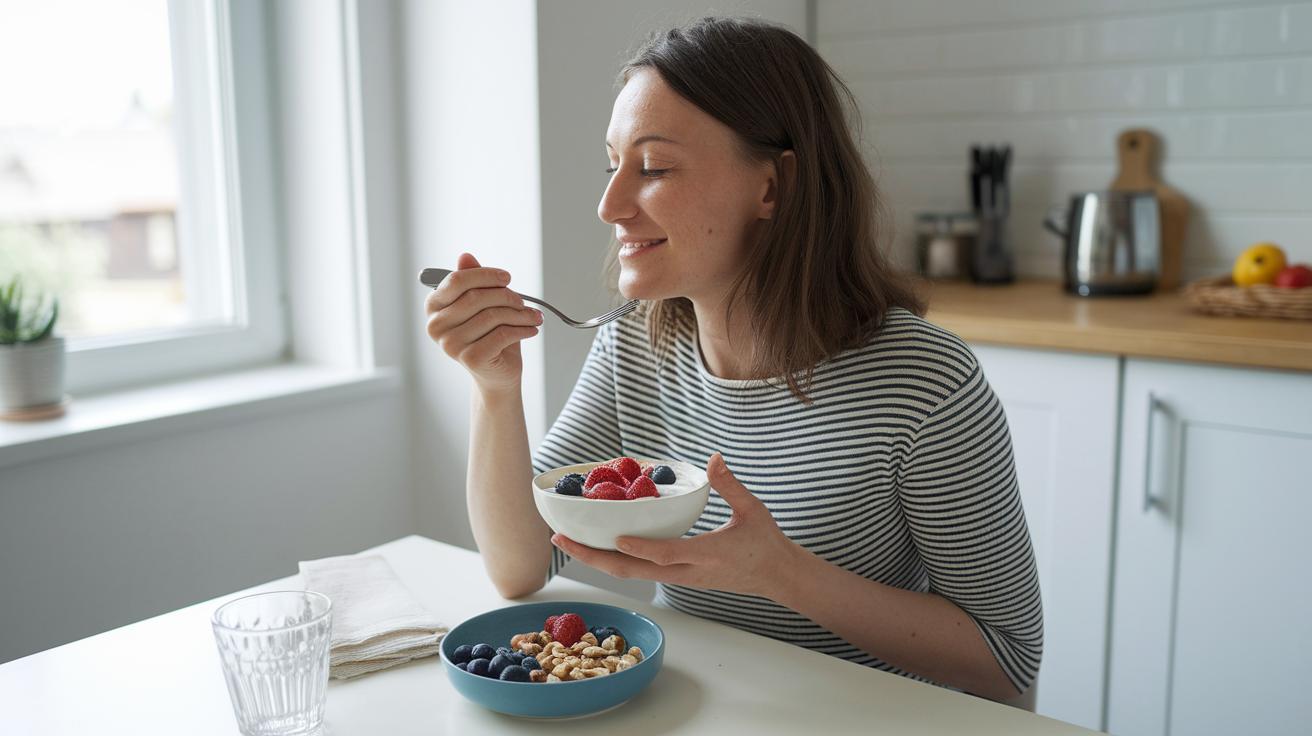
Mindful snacking is all about picking your treats with a little extra care instead of just grabbing whatever’s lying around. It means taking a moment to check in with what your body really needs, which helps keep your energy even throughout the day.
When you choose a snack, go for options that are low in sugar and rich in fiber, like fresh fruit, plain yogurt, or a small handful of nuts. These snacks have natural sweetness and help fill you up without packing on extra calories. Keeping your portions small also stops you from overeating later when you get busy. For some more ideas, you can visit these tips for healthy eating at https://healthlystats.com?p=.
Also, try to avoid distractions like turning on the TV or scrolling through your phone while you snack. This way, you'll better notice when you're full and really savor the flavors, which helps you stick to your healthy eating plan.
Nutrient-Rich Recipes to Support Healthy Eating Habits
Recipes that mix in probiotics (friendly germs that keep your gut happy), antioxidants (natural defenders against cell damage), and anti-inflammatory foods are a fun way to give your meals a healthy boost. Try adding fermented foods like plain yogurt, kimchi, or sauerkraut to your dishes, they pack a probiotic punch and can help your digestion. You can also mix in ingredients like berries and leafy greens, which are loaded with antioxidants to brighten up the flavors and nutrition on your plate.
Imagine sitting down to a plate with a tangy fermented side and a fresh salad filled with spinach, arugula, and mixed greens. Toss in a handful of blueberries or raspberries for a touch of natural sweetness and extra antioxidants. What if you add some lean protein, maybe grilled chicken or a bit of tofu, to help keep your muscles strong? A drizzle of olive oil or a sprinkle of nuts can round out your meal with healthy fats that help calm inflammation. This friendly mix of ingredients not only tastes great but also gives you a balanced, nutrient-packed dish that can help manage inflammation and boost essential nutrients. If you’re curious about more superfood ideas, check out https://healthyfax.com?p=590.
Whenever you can, go for organic produce. It’s a simple way to cut down on extra additives and pesticides. And if you’re thinking of flavor, try swapping out some salt for herbs like turmeric or ginger. They naturally bring out the flavor while keeping your sodium in check.
Lifestyle Adjustments to Maintain Long-Term Healthy Eating Habits

Keeping a food diary or using a digital tracker can really help you notice patterns in both your eating and your mood. For example, jot down something like, "I noticed that skipping breakfast left me feeling low by mid-morning," to remember what works for you.
Drinking enough water is key for feeling your best, try to hit about 8 cups a day. When you're at the store, take a moment to check nutrition labels and pick seasonal produce for that extra burst of natural freshness. You could write, "Switching from sugary drinks to water and choosing fresh, local produce boosted my energy," to capture these benefits.
Regular check-ins with a dietitian can also help fine-tune your eating plan. They can spot small changes and suggest tweaks to keep your energy steady. For instance, note, "After talking with my dietitian, I found that adding a protein-rich snack in the morning helped me stay focused."
Final Words
In the action, we explored small steps that blend balanced nutrition, mindful meal planning, and portion control to form a stable foundation for a healthy lifestyle. The post highlighted ways to cut sugary drinks, swap ingredients, and plan meals in advance while using a balanced plate concept for better portion control. Daily meal tracking and snack strategies were also outlined to support continuous improvement. These tips work together to foster sustainable healthy eating habits, giving you real confidence for better well-being.
FAQ
What healthy eating habits can benefit kids, students, and adults?
Healthy eating habits for all ages embrace balanced meals with fruits, vegetables, lean proteins, and whole grains, as well as regular meal times and mindful snacking. These habits fuel growth, learning, and overall energy.
What are some common healthy eating habits practiced daily?
Common healthy eating habits include swapping sugary drinks for water, filling half your plate with fruits and vegetables, planning meals ahead, tracking snacks, and eating consistently. These routines support better nutrient intake and health.
What are the principles of healthy eating?
The principles of healthy eating consist of variety across food groups, mindful portion sizes, a focus on whole foods, and reducing refined sugars. Following these guidelines supports balanced nutrition and steady energy.
How can eating healthy every day benefit my health?
Eating healthy every day boosts energy, strengthens the immune system, and lowers chronic disease risk. A balanced diet made up of whole foods and regulated portions helps maintain stable blood sugar and mood.
What does a healthy eating habits essay typically highlight?
A healthy eating habits essay highlights practical choices like eating whole foods, controlling portions, planning meals, and mindful snacking. It explains how these simple changes can improve overall well-being and energy levels.

