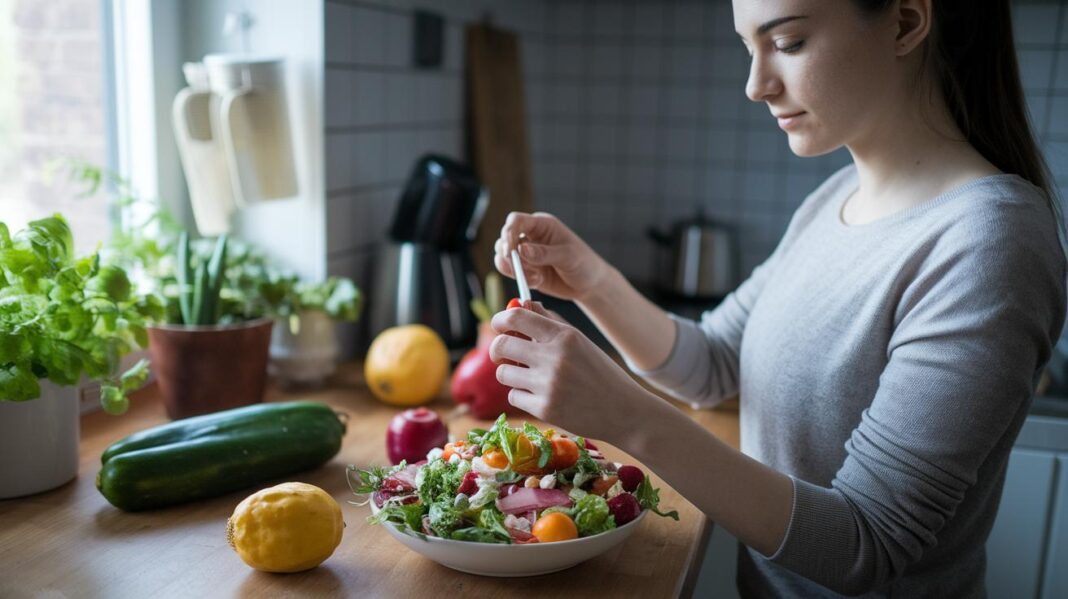
Do you ever think one small change might boost your energy? It might be as simple as tossing a handful of fresh spinach into your morning smoothie or choosing water over a sugary drink.
Imagine how just a few mindful tweaks every day can change your whole routine. Mealtime turns into a chance to feel good, and little wins can add up when you take a quick look at your eating habits.
Simple choices like these can lead to a healthier, happier you. Why not see how easy it really is?
Kickstart Your Healthy Eating Journey
Small changes can really set you on the path to lasting wellness. Imagine adding one extra nutrient-packed food to each meal, a handful of spinach in your morning smoothie or a few berries on your oatmeal. These little tweaks help you build a healthier routine without feeling overwhelmed.
Try keeping a food diary for just two days. Jot down everything you eat and drink so you can spot your eating habits. Doing this makes it easier to see small wins and figure out where you can make a smarter swap without the pressure of a strict diet.
• Swap an ultra-processed snack for a fresh whole fruit. For example, trade a packaged cookie for a crisp apple.
• Replace a sugary drink with water or unsweetened tea to cut down on extra sugars.
• Enjoy a combo of protein and fiber at one meal, such as plain yogurt paired with some nuts and fresh berries.
Setting clear, realistic nutrition goals can boost your motivation. Focus on little, achievable steps and adjust your plan as you learn what works best for you. Each healthy choice you make builds a more balanced and satisfying way of eating, so take pride in every step towards a healthier you.
Crafting a Balanced Meal Plan for Healthy Eating
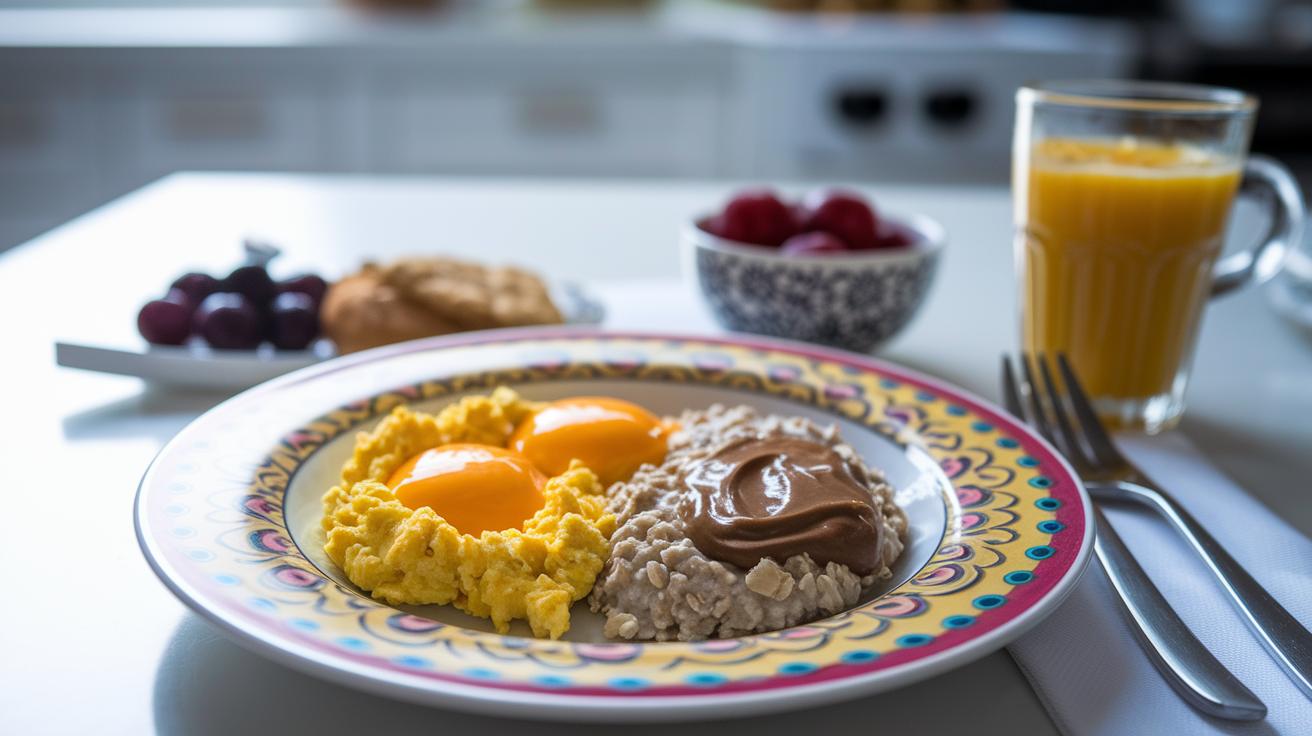
When planning your meals, try to include a little bit of carbs, proteins, and good fats. A simple trick is the rule of threes: pick one protein, one fiber-rich carb, and one healthy fat for each meal. Imagine having eggs for protein, oatmeal for a steady source of energy, and a spoonful of almond butter for that extra good fat at breakfast. This mix not only fuels your body but also keeps you feeling full longer, setting you up for a healthier day.
Switch up your choices throughout the week to keep things interesting. For example, you might choose lean proteins like chicken, turkey, or even beans. Swap among whole grains such as quinoa, brown rice, or whole wheat pasta so your meals never feel dull. And why not brighten up your plate with a rainbow of fruits and vegetables, think red bell peppers, leafy greens, blueberries, or oranges, to get those essential vitamins and minerals? This variety boosts both flavor and nutrition, making every meal visually appealing.
Listen to your body when it comes to portion sizes. On busy, active days, you might need a bit more of those energizing carbs or proteins, while on quieter days, a smaller portion may be just right. Experiment with different amounts until you find what feels best. This approach makes meal planning flexible and fun, turning every meal into a step toward a healthier you.
Smart Grocery Shopping and Pantry Makeover for Healthy Eating
When you're in the grocery store, take a minute to read each label. Even foods that seem healthy might hide extra sugar and salt that bump up calories without adding much nutrition. Watching these details helps you steer clear of over-processed items like sugary cereals or store-bought cookies, which can harm your diet and add extra pounds. It’s all about making your shopping trip a smart session to pick fresh, wholesome choices for your well-being.
| Food Category | Example Items |
|---|---|
| Lean Proteins | Chicken breast, tofu |
| Whole Grains | Quinoa, brown rice |
| Fresh Produce | Leafy greens, berries |
| Healthy Fats | Avocado, nuts |
- Look for seasonal produce to grab the freshest fruits and veggies while supporting local farmers.
- Compare similar items and plan meals ahead using a meal planner for healthy eating (https://healthlystats.com?p=28) to stay on budget.
- Start your shopping around the store’s edges, where fresh foods are usually kept, to avoid impulse buys from the center aisles.
Quick and Nutritious Breakfast, Lunch, and Dinner for Healthy Eating
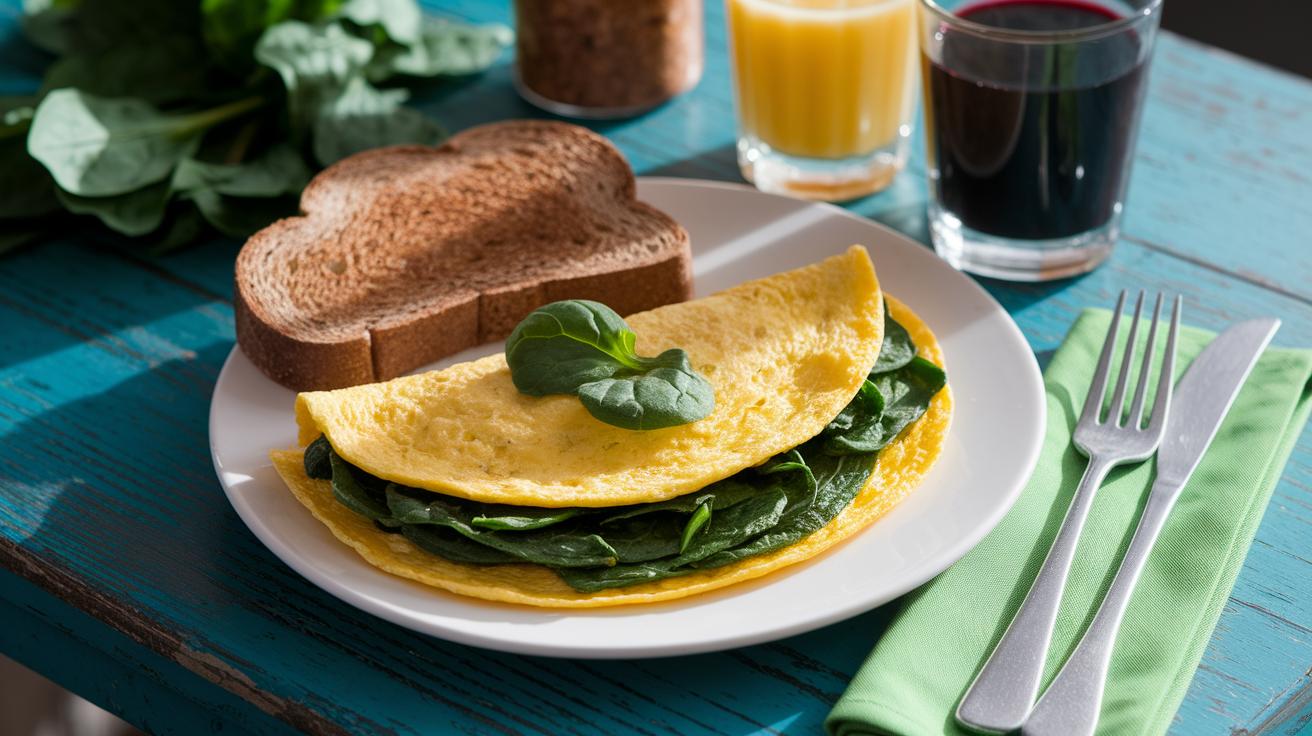
Begin your day with a hearty breakfast that gives you protein, fiber, and healthy fats. A good morning meal fuels your body and helps keep hunger at bay. When you eat well, you'll likely stay focused and enjoy steady energy through the day.
- Spinach omelet with whole wheat toast
- Overnight oats topped with fruit and nuts
- Yogurt parfait layered with berries and a sprinkle of chia seeds
For lunch, mix in protein and fiber to keep your blood sugar balanced. A smart lunch helps clear your mind and power your day without that afternoon slump.
- Grilled chicken salad with mixed greens and avocado
- Quinoa bowl with roasted veggies drizzled with olive oil
- Turkey wrap with a whole grain tortilla and crunchy veggies
Dinner is your time to enjoy a filling meal that doesn't overdo the calories. Load up on generous servings of low-calorie vegetables, lean proteins, and whole grains. This way, you end the day on a strong, healthy note.
- Baked salmon with broccoli and sweet potato
- Turkey chili filled with beans and colorful bell peppers
- Tofu stir-fry loaded with fresh veggies and brown rice
Feel free to tweak these ideas by swapping out ingredients or adding your go-to herbs and spices. Even a small change can make your meal more exciting while keeping it nutritious and just right for you. Enjoy making your meals work for you every day!
Smart Snacking Strategies to Boost Healthy Eating
Eating little, balanced snacks every 3 to 4 hours can help you stay energized and focused. When you plan for a light bite between meals, you keep your metabolism active and your hunger in check. This makes it easier to follow a healthy eating routine without feeling deprived or tempted to overeat later.
Think about mixing up snack options that pair protein with fiber to keep you full longer. For example, picture crunchy veggies dipped in hummus, a refreshing, nutrient-packed choice. Or imagine an apple paired with almond butter, where natural sweetness meets a boost of protein. Sometimes a spoonful of Greek yogurt parfait with fruits and a sprinkle of chia seeds feels like a mini, tasty treat. A handful of nut-and-seed trail mix can also do the trick, offering healthy fats and fiber. And if you feel like blending something green, try a spinach-spirulina smoothie. It not only lifts your spirits with fresh greens but also delivers antioxidants and protein. Each of these choices helps maintain steady energy while keeping snack time fun and nourishing.
Simple Meal Prep Techniques for Your Healthy Eating Routine
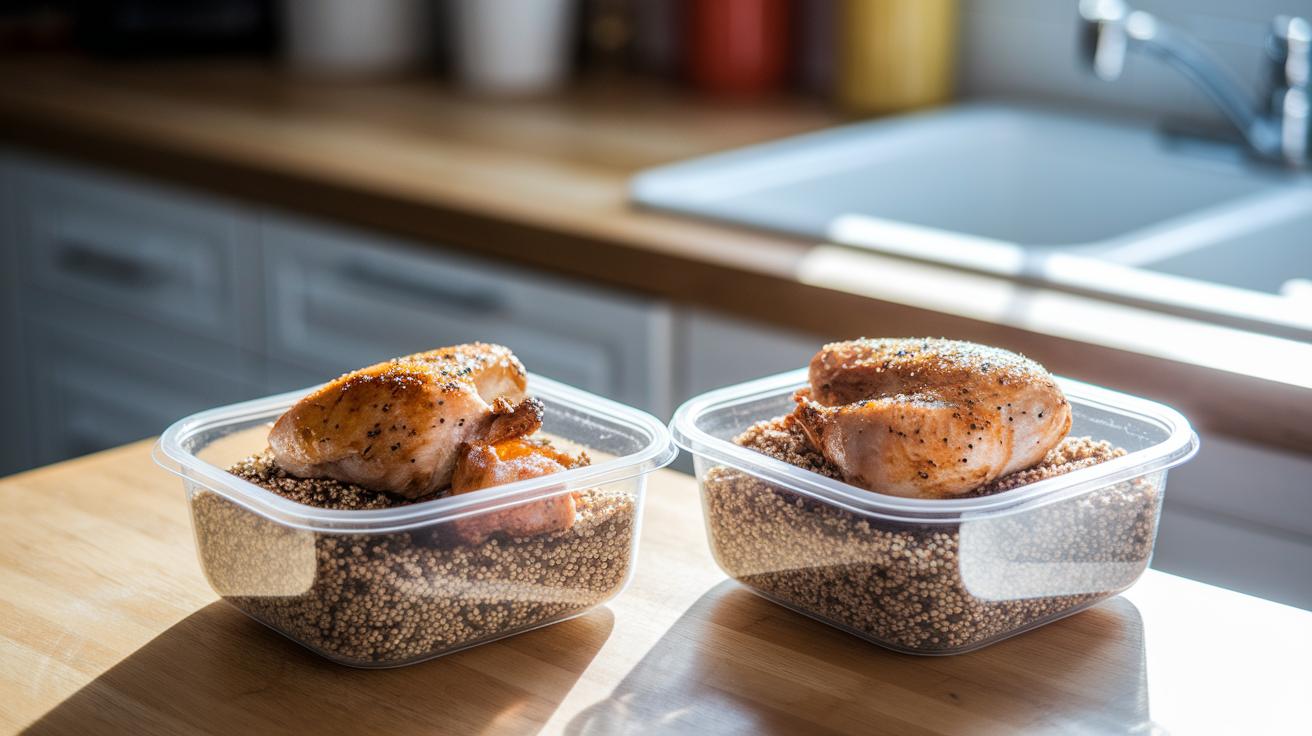
Taking time to prepare your meals can really lighten your daily load and give you extra hours each week. When you cook in batches, like roasting chicken or simmering quinoa, you not only save time, you also make it easier to avoid those last-minute cooking dilemmas. Studies suggest that planning your meals can boost your healthy eating habits by nearly 45%, so even a little effort goes a long way in keeping you energized and well.
Pick recipes each week that match your taste and nutritional goals.
Shop with a clear, organized list to steer clear of impulse buys.
Cook proteins and carbohydrates in big batches to simplify your routine.
Store your meals in labeled containers to keep portions and freshness in check.
Taking a few extra steps can make meal planning even smoother. For example, try freezing leftovers in portion-sized packs for those nights when time is short. Switching up your seasonings and dressings can keep your meals interesting and help you avoid flavor fatigue. Experiment with different cooking methods and ingredients so that your weekly plan stays fresh and inspiring while fueling your busy days ahead.
Staying Hydrated, Tracking Progress, and Sustaining Healthy Eating
Drinking plenty of water is super important for keeping your body in good shape. When you enjoy about eight 8-ounce glasses each day, it not only helps your digestion and keeps your body cool, but it also supports your joints. Staying hydrated sets you up for better eating habits overall.
Watching what you eat can be a really simple and smart way to build healthy routines. Try noting down your meals for a couple of weeks. This little habit can reveal your eating trends and might even boost your weight loss by 20%. Eating a bite every 3 to 4 hours helps keep your energy steady and stops you from getting overly hungry.
Remember to be gentle with yourself as you experiment with new habits. It’s perfectly okay to enjoy an occasional treat, it keeps your routine fun and realistic while you work towards a balanced lifestyle.
Final Words
In the action, we covered steps that guide small, steady changes in your eating habits. We broke down meal tracking, balanced meal planning, smart grocery shopping, quick meal ideas, and simple meal prep techniques. Each tip helps build a routine that supports hydration, proper snacking, and daily vitality. These insights offer a path toward a fuller, more mindful approach to daily nutrition. Embracing these habits shows exactly how to start eating healthy while keeping your routine practical and enjoyable.
FAQ
How can beginners start eating healthy each day?
Starting healthy eating means making small changes like tracking meals and adding one extra fruit or vegetable at each plate. These simple swaps gradually replace processed items with whole foods.
What does a healthy diet plan, including a 7-day eating plan, entail?
A healthy diet plan involves balanced meals with carbs, proteins, and fats, and focuses on rotating nutrient-rich foods throughout the week to keep you energized and satisfied.
What are the benefits of healthy eating?
Healthy eating boosts energy levels, supports digestion, helps maintain a balanced weight, and strengthens immunity by providing essential vitamins and minerals for your overall well-being.
What do 10 days of clean eating do to your body?
Ten days of clean eating can help reset digestion, lower inflammation, stabilize blood sugar levels, and increase energy by replacing processed foods with nutrient-rich options.
What are the 3 P’s of eating healthy?
The 3 P’s for eating healthy are portion control, proper planning, and prioritizing nutrient-rich foods, which together create balanced meals that fuel your daily activities.
What are some of the best foods to incorporate for healthy eating?
The best foods to start with include fruits, vegetables, whole grains, lean proteins, and healthy fats, as these naturally boost energy and supply your body with essential nutrients.

