
Ever wonder if lifting heavy weights could be the key to burning fat faster? When you do strength training, your body doesn't just burn calories during the workout; it keeps burning them even when you're resting because you build muscle. Imagine finishing your workout and still using up calories hours later after doing squats, deadlifts, and presses. This rise in your resting metabolism helps your fat loss efforts by turning every workout into a longer-lasting calorie burn. In this post, we'll share how building muscle can truly boost your fitness journey.
How Strength Training Accelerates Fat Loss
Strength training shifts your body’s focus from simply dropping pounds to keeping your muscles strong. Muscles burn more calories while you rest than fat does. Imagine finishing a heavy lifting workout and then continuing to burn extra calories for hours, that’s thanks to something called excess post-exercise oxygen consumption (EPOC).
When you add exercises like squats, deadlifts, and presses, you work several muscle groups at once. These compound exercises not only challenge your body but also boost your energy output. As you train these larger muscles, your body bumps up its resting metabolism, so you keep burning calories even after your workout.
There are two main ways to get these benefits. Pure strength training uses low repetitions with heavy weights to protect and build muscle. Then there’s metabolic resistance training (MRT), which mixes bursts of intense work with short breaks. A small study even found that interval training, a type of MRT, can burn more calories than steady, moderate cardio.
Every lift and movement in these workouts builds muscle and sparks a lasting calorie burn. This blend of muscle building and ongoing calorie burn makes fat loss more effective and sets you on the path to better health.
Structuring a Fat Loss Strength Training Program
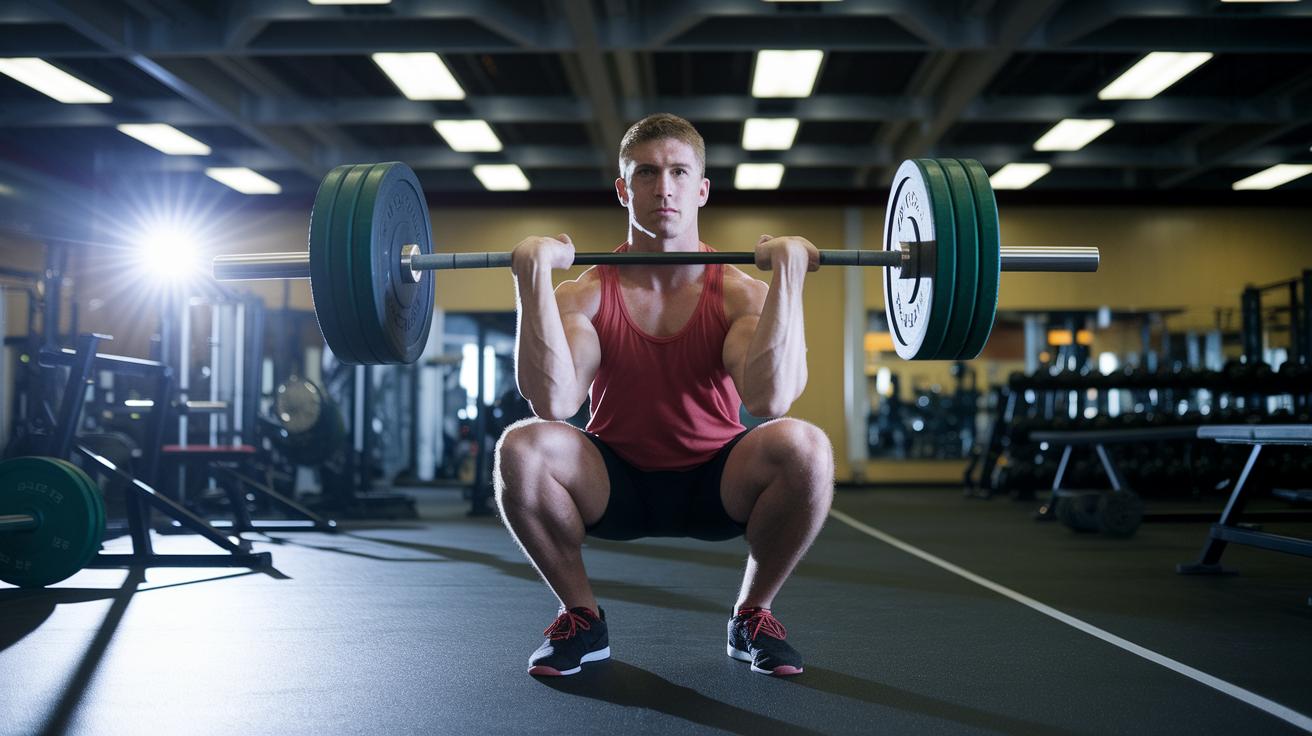
When planning your workouts, try to mix strength training with sessions that boost your metabolism. A good weekly plan might have 3 days of strength work, 2 days of metabolic resistance training (MRT), and 2 full days of rest. This mix not only helps build and keep muscle but also burns lots of calories during and after your workout.
First, pick your session types. You can choose heavy, low-rep sets to keep your muscles strong or mix in short bursts of fast, intense moves to burn more calories. For example, on strength days, include moves like squats or deadlifts. On MRT days, try a circuit that keeps your heart pumping.
Next, make sure you schedule rest days. Set aside at least 2 days a week so your muscles can repair and you don't overdo it. Rest is key to getting stronger and avoiding injury.
Then, set small goals along the way. Try to add a little more weight or do a few extra reps every week. This gradual increase keeps your body working hard so you keep improving.
Also, think about how you organize your workouts. Alternate between strength-focused days and days that get your heart rate up. This variety can help you lose fat over time while still building strength.
Finally, keep track of your progress. Write down the exercises, reps, and weights you use. This simple log makes it easier to see improvements and adjust your plan as needed.
For more tips and a full plan, check out the strength training program for weight loss at https://healthlystats.com?p=
Top Compound Strength Exercises for Fat Loss
Compound lifts use several joints and big muscle groups at once. They’re great for burning extra calories while you workout and helping you burn more even after you finish. For example, doing a squat not only builds leg strength but also gets your heart pumping, which boosts calorie burn later. This extra burn is thanks to a process called excess post-exercise oxygen consumption, or EPOC, where your body keeps burning calories at rest.
Doing compound exercises in a quick 20-minute circuit might help you notice fat loss in just a few weeks. When you mix exercises like squats, deadlifts, bench presses, overhead presses, and rows, nearly every muscle gets a workout. This full-body effort helps speed up your metabolism and supports burning more calories, which is key for losing fat. Think of it as a smart, short burst of energy that keeps your body working all day.
| Exercise | Primary Muscles | Fat Loss Benefit |
|---|---|---|
| Squat | Legs, Glutes, Core | Burns lots of calories |
| Deadlift | Back, Hamstrings, Core | Speeds up metabolism |
| Bench Press | Chest, Shoulders, Triceps | Builds upper body strength |
| Overhead Press | Shoulders, Upper Back | Increases calorie burn |
| Row | Back, Biceps, Core | Engages many muscles |
Combining Strength Training and Cardio for Maximum Fat Loss
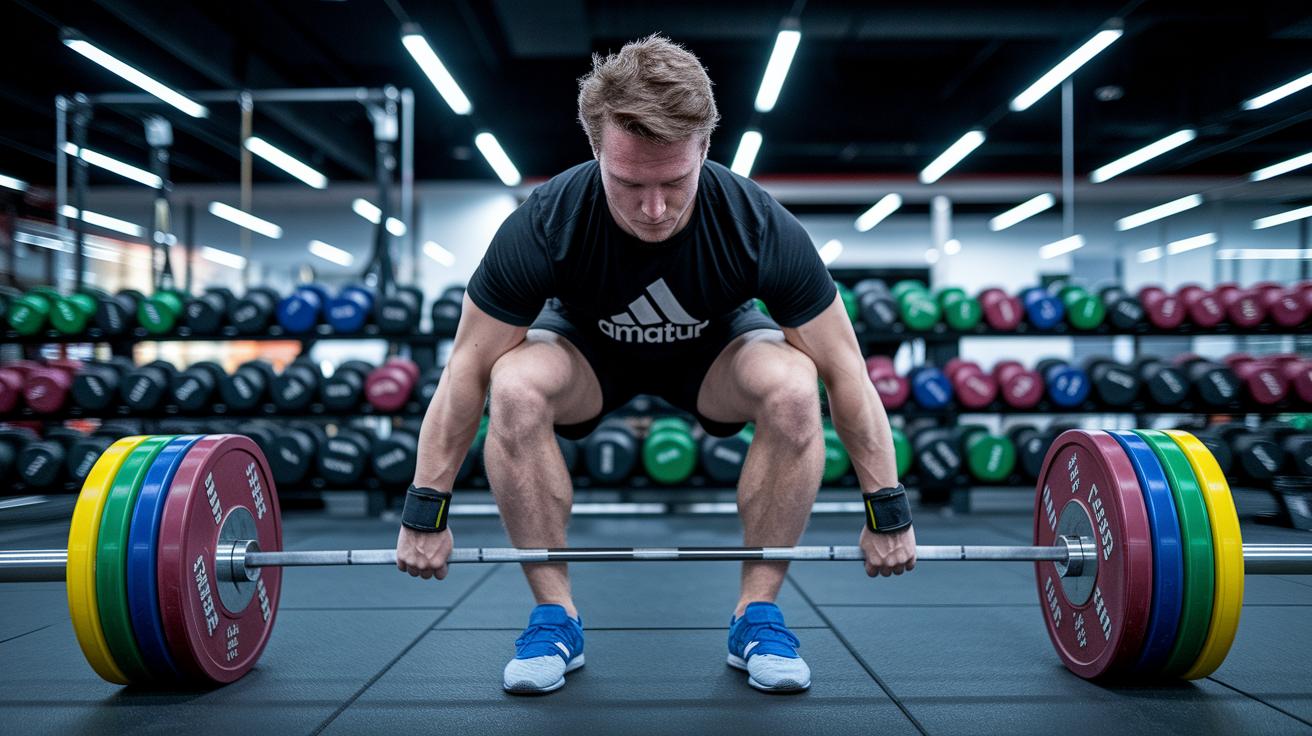
Mixing a bit of fast-paced cardio with your weight training can really ramp up your calorie burn and help you lose fat quicker. When you switch between lifting weights and short bursts of cardio, your heart keeps working hard while your muscles get stronger. For example, you could finish a set of deadlifts and then hop on a rowing machine for a quick, intense burst. This method burns calories during your workout and helps your body keep melting away fat afterward.
Sometimes, doing circuits that combine lifting and cardio moves works best. Instead of long, steady runs, give short, high-energy intervals on the treadmill a try or do a few rounds of cycling sprints. Even exercises like Jeffing, a great stand-in for running, can deliver that cardio punch without skipping your muscle work.
Here are some simple steps to blend cardio with strength training:
- Plan to alternate compound lifts with bursts of cardio.
- Keep your rest periods short so your heart stays busy.
- Try different cardio options like rowing, cycling, or quick treadmill sprints.
- Mix it up with circuit training to balance endurance and strength.
- Adjust your workout based on how your body feels.
Nutrition and Recovery for Strength Training Fat Loss Goals
Macronutrient Targets
Eating the right things helps you hold on to your hard-earned muscle while you lose fat. Try to get about 0.7 to 1.0 grams of protein for every pound you weigh on days when you eat fewer calories. Protein fixes and builds your muscles after a workout and helps keep your metabolism running smoothly. It’s a good idea to fill your plate with healthy fats and lots of fiber, too. For example, adding 5 to 25 grams of fiber each day can help you feel full longer and might even help you drop 3 to 6 extra pounds over time. Adjust your calories so you support your muscles and still have plenty of energy for your workouts, like putting together a simple, balanced meal plan.
Recovery and Rest Strategies
Rest is as important as the workout itself. Try to get 7 to 9 hours of sleep each night so your muscles can mend and your metabolism stays active. Drinking enough water also helps your muscles repair and boosts your overall energy. Adding little bursts of movement, like a short walk or standing up a bit more during the day, can help you burn extra calories and speed up recovery. You might even consider when you take your supplements, taking 1.5 grams of omega-3 fatty acids each day could support a leaner midsection and improve your overall health. Putting these tips into practice can set a solid base for losing fat while still keeping the muscle strength you’ve worked hard to build.
Monitoring Progress to Overcome Plateaus in Strength Training Fat Loss

Tracking your body’s changes is super important. Instead of just watching the scale, check your body fat percentage and lean muscle each month. It’s smart to aim for a fat loss of about 0.5-1% while keeping your muscle gains steady.
Try keeping a workout journal where you note down your exercises, weights, and sets. This way, you can really see your progress. Rely on the strength you’re gaining over time instead of muscle soreness, since building muscle takes time and patience.
Mix up your workouts by rotating exercises, changing rep ranges, or altering rest periods every 4-6 weeks. This helps you push past those plateaus and keeps things interesting. Keeping this simple habit of tracking makes your routine feel less stressful, because you can see that progress is happening, even if it seems slow at times.
Stay motivated by updating your records regularly and reviewing your workout log each month. This lets you fine-tune your plan as needed and keeps you moving forward.
Home and Equipment Options for Strength Training Fat Loss Workouts
Not having a gym doesn't mean you can't shed fat and tone your muscles. You can create an effective workout at home with a few simple tools. Items like dumbbells, kettlebells, and resistance bands can help you mimic full-body lifts without needing heavy machines. And really, sometimes just using your body weight, through push-ups, pull-ups, or lunges, can give you a workout that works just as hard.
You can also try taking your workout outside. Imagine heading to your backyard or a nearby park for a quick 20-minute routine. Consider a circuit that includes these six moves repeated for three rounds:
| Exercise | Target Area |
|---|---|
| Push-ups | Chest, shoulders, and core |
| Pull-ups | Back and arms |
| Lunges | Legs and glutes |
| Squats | Lower-body power |
| Plank | Core stability |
| Resistance Band Rows | Upper back muscles |
These ideas offer both variety and flexibility. Whether you go for free weights or bodyweight circuits, you can craft a powerful workout that supports fat loss and builds muscle strength, all without a full gym setup.
Final Words
In the action, this post showed how mixing compound lifts with structured training programs can boost fat loss while keeping lean muscle. It explained how adding metabolic workouts, proper nutrition, and rest can help keep your body burning calories long after your workout. Home and gym setups both offer ways to perform strength training for fat loss that fit different lifestyles. Stay flexible with your routine, track your progress, and take little steps each day. Every bit of effort leads to better health and even more energy for the next challenge.
FAQ
What are some reliable resources like books or PDFs on strength training for fat loss?
The resources for strength training for fat loss include books and PDFs that explain combining heavy lifting with metabolism-boosting exercises to preserve muscle while increasing calorie burn.
How does weight training differ for weight loss in females and males?
Weight training for fat loss relies on resistance exercises that boost metabolism and build muscle. Both females and males can follow similar strategies to enhance calorie burn and preserve lean mass.
How does strength training compare to cardio for reducing belly fat?
Strength training, paired with cardio, targets belly fat by increasing after-burn calories and building muscle. This dual approach boosts metabolism and offers lasting fat-loss benefits.
What is the 30/30/30 method of fat loss in strength training?
The 30/30/30 method involves working out with 30-second exercise bursts followed by 30 seconds of rest, repeated for 30 minutes. This routine maximizes calorie burn and supports muscle strength.
What kind of strength training is best for fat loss?
The best strength training for fat loss mixes heavy compound lifts with metabolic resistance techniques, building muscle and increasing resting calorie burn to help shed fat effectively.

