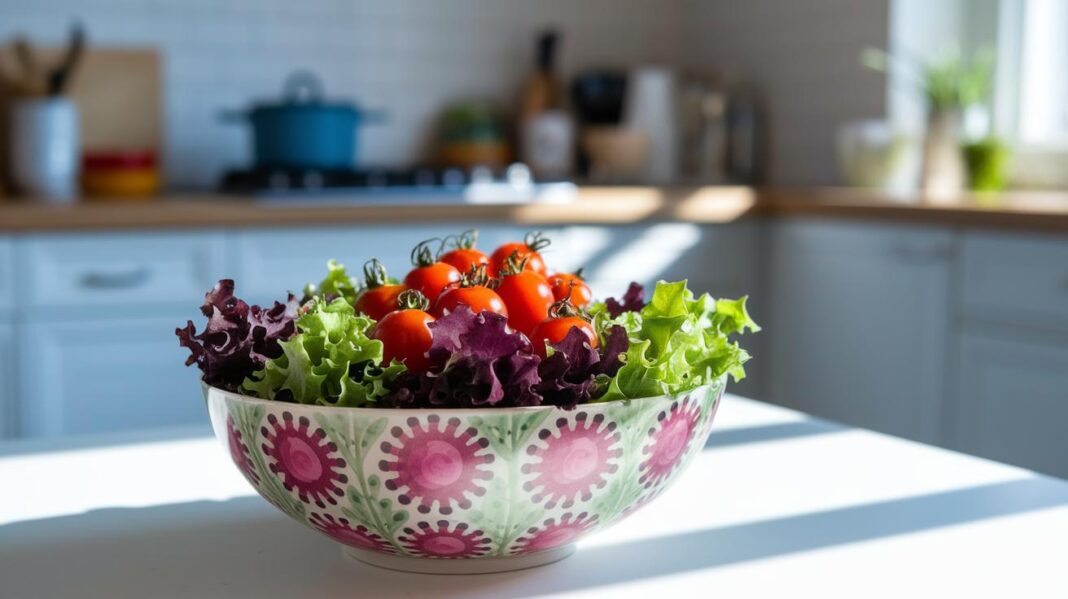
Have you ever thought that eating healthy with type 2 diabetes means you have to settle for bland meals? Imagine digging into a grilled chicken salad with crisp, crunchy greens or savoring a warm bowl of hearty vegetable soup that helps keep your blood sugar steady.
Good food choices can work like a smooth drive on a calm road, gently easing out those sugar spikes. In this post, you'll see how balanced meals pack a punch of steady energy and delicious taste, showing that managing type 2 diabetes can feel both healthy and satisfying.
Ready to discover how fun and food can go hand in hand?
Healthy Eating for Type 2 Diabetes: Core Strategies for Blood Sugar Management
Type 2 diabetes can keep your blood sugar higher than normal, and the first step to managing it is to make smart food choices. A plate filled with colorful vegetables, lean proteins, and whole grains can help keep your sugar levels steady. For example, imagine enjoying a grilled chicken salad loaded with leafy greens and a whole-grain roll. Such a meal helps prevent sudden sugar spikes while supporting your overall health.
Eating well when you have type 2 diabetes isn’t about following a special diet just for “diabetics.” Instead, it’s about enjoying balanced meals that give you steady energy. Everyone can benefit from meals that don’t cause your blood sugar to jump up suddenly. Foods that are high in fiber, such as beans and lentils, are great because they slowly release sugar into your blood. For instance, a bowl of vegetable soup with some whole-grain crackers might be just the right way to keep your energy even all day.
It’s also smart to avoid eating too many carbs and extra calories in one go. Loading up on carbs can make your blood sugar spike quickly, sort of how a fizzy soda can send a rush of sugar into your system. Instead, try spacing out your snacks and meals. Focusing on whole, unprocessed foods not only helps keep your blood sugar in check but also aids in maintaining a healthy weight, which is really important for managing type 2 diabetes.
Healthy Eating for Type 2 Diabetes Delights
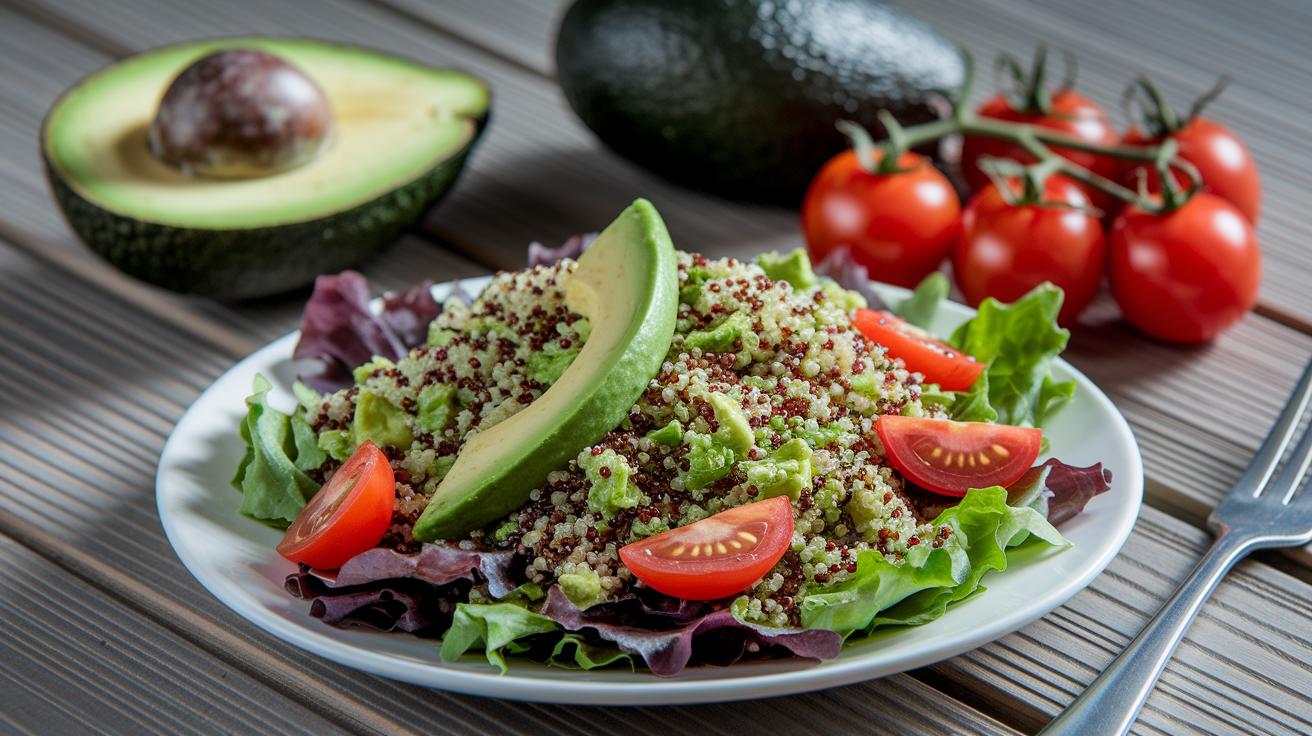
Eating well doesn’t mean you have to give up tasty meals. A well-balanced plate is key to keeping your blood sugar in check while still enjoying what you eat. Foods like vegetables, beans, legumes, and whole grains are packed with fiber. This fiber works like a gentle brake on the sugar rushing into your body, helping keep your levels steady, kind of like a smooth drive after a hearty bite of mixed greens and quinoa.
Whole fruits are another great option. They combine natural sugars with fiber, giving you a sweet treat without a huge spike in blood sugar. Ever crunch into a crisp apple or peel a zesty orange? Those simple moments can be just as satisfying as they are healthy. And don't forget dairy. Low-fat milk or plain yogurt brings in extra calcium and protein, which might even lend a hand with insulin regulation. Picture a refreshing yogurt parfait filled with fresh berries to brighten up your day.
Healthy fats from nuts, seeds, and olive oil play their part too. They help protect your heart and keep you feeling full for longer. Whether you toss a handful of walnuts into your salad or drizzle a bit of olive oil over steamed veggies, these fats help round out your meal perfectly.
Quick Tips:
| Tip | Example |
|---|---|
| Fiber | Vegetables, beans, and legumes |
| Natural Sweetness | Whole fruits |
| Calcium & Protein | Low-fat dairy |
| Healthy Fats | Nuts, seeds, and olive oil |
Diabetic Meal Planning Tips and Templates
When you plan meals for diabetes, think about using good-quality ingredients that give you balanced nutrients like proteins, carbs, and fats. Start your day strong with a breakfast that makes you feel energized. For example, whip up a veggie omelet using one whole egg and two egg whites and enjoy it alongside a serving of fresh greens. It’s a simple dish that fills you up while keeping your blood sugar steady.
If you’re looking for another option, try a smoothie made with low-fat dairy, fruit, and veggies. Blend some spinach, a small banana, a handful of berries, and a splash of low-fat milk. Or, consider a warm bowl of oatmeal by cooking whole oats in 2½ cups of milk for about 5 to 8 minutes. Isn’t it amazing how a quick, balanced breakfast can set a positive tone for your busy morning?
Remember, it isn’t about counting every calorie but about making each meal nutrient-rich. Try these easy tips:
| Tip | Description |
|---|---|
| Load up on fiber | Include plenty of vegetables and fruits to slow down sugar absorption. |
| Choose smart carbs | Go for whole grains and legumes to help keep energy levels steady. |
| Add healthy fats | A small drizzle of olive oil can boost flavor and help you feel full. |
Even small changes can add up over time. It’s a good idea to chat with a registered dietitian or your healthcare team to adjust meal plans just for you. For more help, check out our meal planner for healthy eating, which has customizable templates and meal prep ideas to fit your lifestyle perfectly.
Low Glycemic Index Recipes for Type 2 Diabetes

When you're planning a meal to keep your blood sugar steady, it's smart to choose foods with a low glycemic index. These ingredients, like legumes, non-starchy veggies, and whole grains, help slow the sugar release into your body, which stops those sudden spikes.
Imagine starting your day with a bowl of overnight oats crowned with mixed berries. Not only does it fill you up, but it also keeps your energy balanced. Here’s a fun fact: legumes aren’t just full of protein, they’re also rich in fiber, which plays a key role in managing blood sugar.
Here are a few meal ideas to spark your next healthy dish:
- Veggie chickpea curry with spinach: This warm dish is packed with protein-rich chickpeas, fresh spinach, and a touch of turmeric for a natural anti-inflammatory boost.
- Lentil soup with seasonal vegetables: A comforting bowl that mixes fiber-packed lentils with a variety of non-starchy vegetables to give you lasting energy.
- Quinoa salad with roasted peppers and onions: Think of a colorful blend of whole grains and roasted veggies, finished off with a squeeze of lemon juice for a bright, refreshing taste.
- Overnight oats topped with mixed berries: A fast and no-cook breakfast that’s both filling and helps maintain steady blood sugar levels, perfect for busy mornings.
- Tofu stir-fry with broccoli and bell pepper: A vibrant mix where plant-based protein from tofu meets crunchy, fiber-rich vegetables for a balanced meal.
And for an extra boost, try adding a handful of walnuts or a dash of turmeric. These little extras can support your metabolic health while you enjoy every delicious bite.
Portion Control Techniques and Carb Counting for Diabetes
One smart way to manage type 2 diabetes is to spread your carbs throughout the day. This helps prevent a sudden sugar spike in your body. For instance, try using visual cues when planning your meals. Think of it like this: a closed fist represents about 1 cup of vegetables, a palm is roughly 3 to 4 ounces of protein, and a thumb stands for 1 tablespoon of fats.
Carb counting is a handy tool for keeping your weight in check, especially when you mix carbohydrates with protein and fiber. These partners slow down how quickly sugar enters your system, kind of like how combining just the right ingredients makes your favorite recipe even better. Understanding the basics of the glycemic index also goes a long way. Choosing carbs that release their energy slowly can keep your sugar levels more stable, much like switching from a quick sprint to a more relaxed stroll.
Here are some simple tips to help you control portions effectively:
- Spread out your carbs with every meal to keep your energy steady.
- Use your hand as a quick guide to measure your food.
- Focus on building a balanced plate that always includes protein and fiber.
These easy, visual ideas can guide you toward better blood sugar control.
Smart Grocery Shopping for Type 2 Diabetes
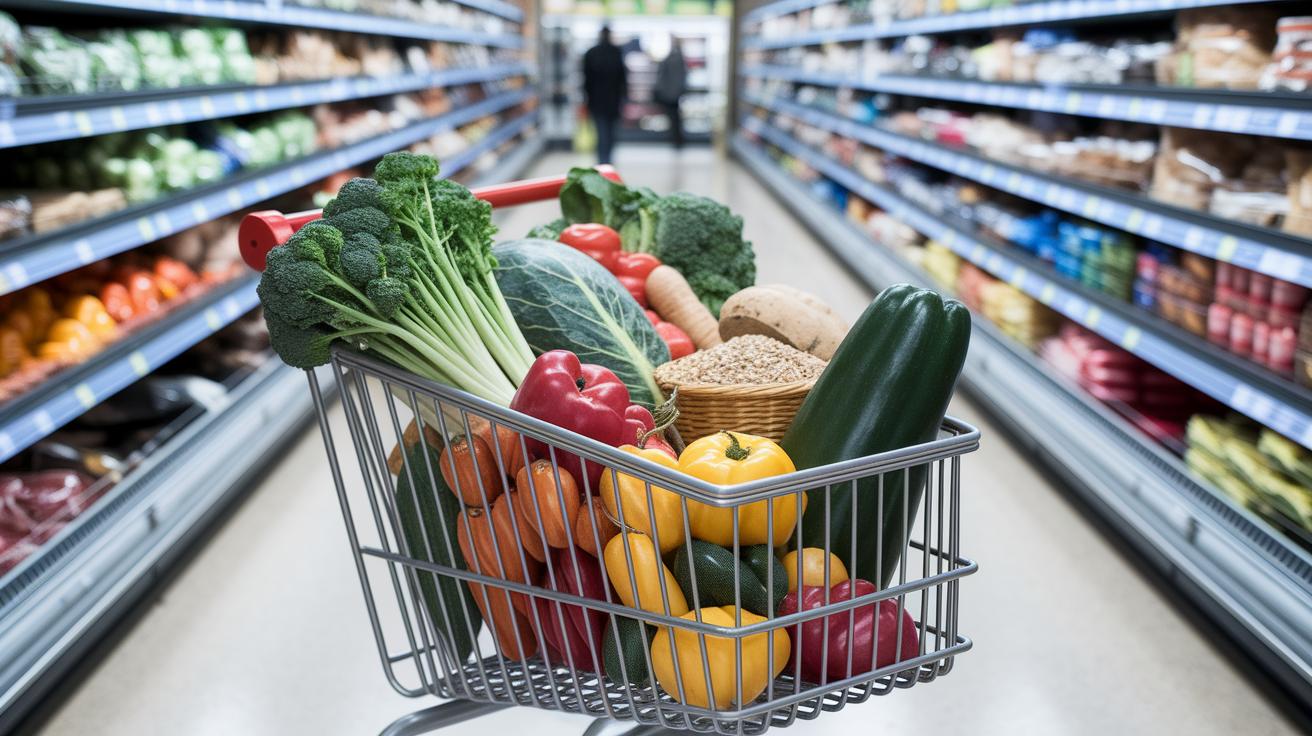
When you're making your grocery list, think about packing your cart with foods that help keep your blood sugar stable. Start by checking nutrition labels. Look for added sugars, total carbohydrates, and serving sizes so you can spot items that might send your blood sugar soaring.
Pick fresh vegetables, whole grains, lean proteins, and low‐fat dairy or dairy alternatives. These choices work together to keep your energy steady throughout the day.
If you're trying to stick to a budget, consider buying seasonal produce or opting for frozen vegetables when fresh ones cost too much. Buying whole grains in bulk also helps you save money while stocking your pantry with healthy basics. And really, it's a good idea to avoid aisles full of high-sugar snacks and sweetened drinks, choose natural, tasty options that fit your health plan instead.
Here are some helpful tips for your shopping trip:
- Always check nutrition labels to compare added sugars and carbohydrates.
- Fill your list with fresh fruits, vegetables, lean proteins, and whole grains.
- Remember that frozen veggies and bulk purchases can be more budget-friendly.
- Skip highly processed snacks and sugary drinks.
| Grocery Tip | Strategy |
|---|---|
| Nutrition Labels | Look for low added sugars and control serving sizes |
| Budget Shopping | Buy seasonal produce and consider bulk options for whole grains |
Dining Out and Lifestyle Integration in Type 2 Diabetes Eating
When you're eating out, try to order dishes that are grilled, baked, or steamed. For example, pick a grilled salmon with a side of steamed broccoli and a whole grain roll, and ask for sauces or dressings on the side. This way, you enjoy a delicious meal and help keep your blood sugar steady.
Take your time with each bite. Chew slowly and enjoy the flavors. Before starting, pause for a moment to take in the aroma of your food. It’s a simple trick that can help you realize when you're full and prevent overeating. Remember, it's not only what you eat, but how you eat that matters.
Mix up healthy eating with your daily routine. Pair a balanced meal with a bit of physical activity or a short stretch. When you order, go for water or unsweetened tea to stay refreshed without needless calories. Here are some easy tips to keep in mind:
| Tip | Description |
|---|---|
| Request sauces on the side | This helps you control the extra calories and sugar. |
| Chew slowly | Enjoy every bite to better sense fullness. |
| Combine meal with activity | A brisk walk or a short stretch can boost your well-being. |
| Select low-calorie drinks | Stick with water or unsweetened tea to keep it light. |
These simple strategies help you enjoy dining out while keeping your lifestyle goals in check, supporting a balanced life with type 2 diabetes.
Adjusting Your Diet for Insulin Sensitivity in Type 2 Diabetes Self-Care

A wise way to boost insulin sensitivity is to plan your meals around your workouts. After a brisk walk or some light exercise, try grabbing a snack that combines protein and fiber. For instance, a small apple paired with a handful of almonds works well. This timing helps your body manage blood sugar more naturally.
Cut back on simple carbohydrates like white bread and sweet drinks. Instead, fill your plate with whole grains, vegetables, and legumes that offer plenty of fiber. These simple changes ease sugar absorption and keep your energy levels steady throughout the day.
Keeping a food diary is a great way to notice how your choices affect your blood sugar. It shows you which foods help balance your insulin, making it easier to fine-tune your meal plan. And remember, always coordinate these dietary shifts with your medication schedule by chatting with your healthcare team. This exercise-aligned meal planning is an important part of long-term self-care to maintain better insulin sensitivity and overall health.
Final Words
In the action, we explored balanced meals, mindful portion sizes, and smart grocery shopping to support consistent energy and blood sugar levels. We broke down healthy food options, low glycemic recipes, and simple meal planning techniques that blend well with daily routines. Each strategy fits into a well-rounded approach that boosts overall well-being. Keep experimenting with nutrient-rich choices and enjoy the small wins that come with every improved meal. Here’s to healthy eating for type 2 diabetes and a future filled with better health.
FAQ
Q: What are some tools and plans available for a type 2 diabetes diet sheet?
A: The type 2 diabetes diet tools include 7-day meal plans, downloadable PDF diet sheets, and diabetic food lists. These resources help you balance meals to support steady blood sugar and overall well-being.
Q: What foods should you avoid for effective diabetes management?
A: Foods that spike blood sugar, like simple sugars and refined carbohydrates, should be limited. Choosing whole foods, high-fiber vegetables, and lean proteins supports safe blood sugar levels.
Q: What is the best or healthiest diet for a diabetic person?
A: The healthiest diet for diabetes emphasizes balanced meals with vegetables, lean proteins, whole grains, and healthy fats. This approach helps maintain stable blood sugar while promoting overall health.
Q: What are some good meal ideas for type 2 diabetes, including an ideal first meal of the day?
A: A balanced breakfast such as a veggie omelet or oatmeal with low-fat dairy kick-starts the day. Meals throughout the day should combine fiber-rich foods and lean proteins to keep energy levels steady.
Q: What is the miracle fruit for type 2 diabetes?
A: There isn’t a miracle fruit for type 2 diabetes. Diet success comes from a balanced eating plan and healthy lifestyle habits, not a single fruit or food that magically controls blood sugar.

