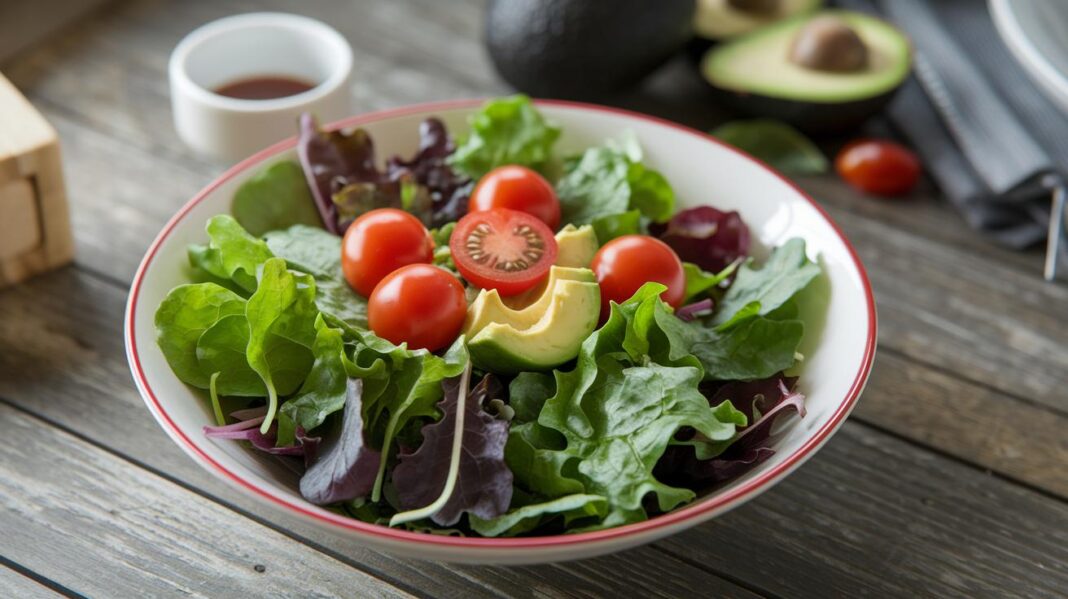
Have you ever thought that changing your diet might change how you feel about food? The Atkins Diet works by switching your body’s fuel from carbs to fat, kind of like how a car might change from one type of fuel to another. At first, you might feel a little off, but before long, you could enjoy more energy and even notice some weight loss.
This article walks you through each easy step of the diet. It shows you how keeping an eye on your carbs can boost your health and help you lose weight. So, let’s see how a few small changes on your plate can lead to big improvements in your well-being.
How the Atkins Diet Works: Phases, Effectiveness, & Benefits
Phase 1: Induction
When you start the Atkins Diet, you begin with the Induction phase. For about two weeks, you eat just 20 grams of net carbs a day (net carbs are the carbs that count after subtracting fiber). This helps your body switch from burning carbs to burning stored fat. You might feel a headache or a bit tired at first. Think of it like your car switching fuel, it may sputter until it warms up.
Phase 2: Balancing
Once you're within about 15 pounds of your target weight, you move on to the Balancing phase. Here, you slowly add roughly 5 extra grams of net carbs each week. You reintroduce foods like low-carb vegetables and nuts to broaden your choices a little at a time. It's a bit like adding ingredients to your favorite meal until it tastes just right. This steady change helps you keep progressing while managing your calorie intake.
Phase 3: Pre-Maintenance
When you're just 10 pounds away from your goal, you enter the Pre-Maintenance phase. In this stage, you bump up your net carbs by about 10 grams to see how much your body can comfortably handle. It’s like testing the water before a swim, this small adjustment helps you fine-tune the diet without losing momentum.
Phase 4: Maintenance
After you’ve held your target weight for a month, you move into the Maintenance phase. Now, you stick with the carb level that best works for you. Research, including a 2017 review, shows that this step-by-step plan can lead to lasting weight loss and even bring improvements in blood sugar, blood pressure, and triglyceride levels (the fats in your blood).
Atkins Diet Food Guide: Recommended and Restricted Foods
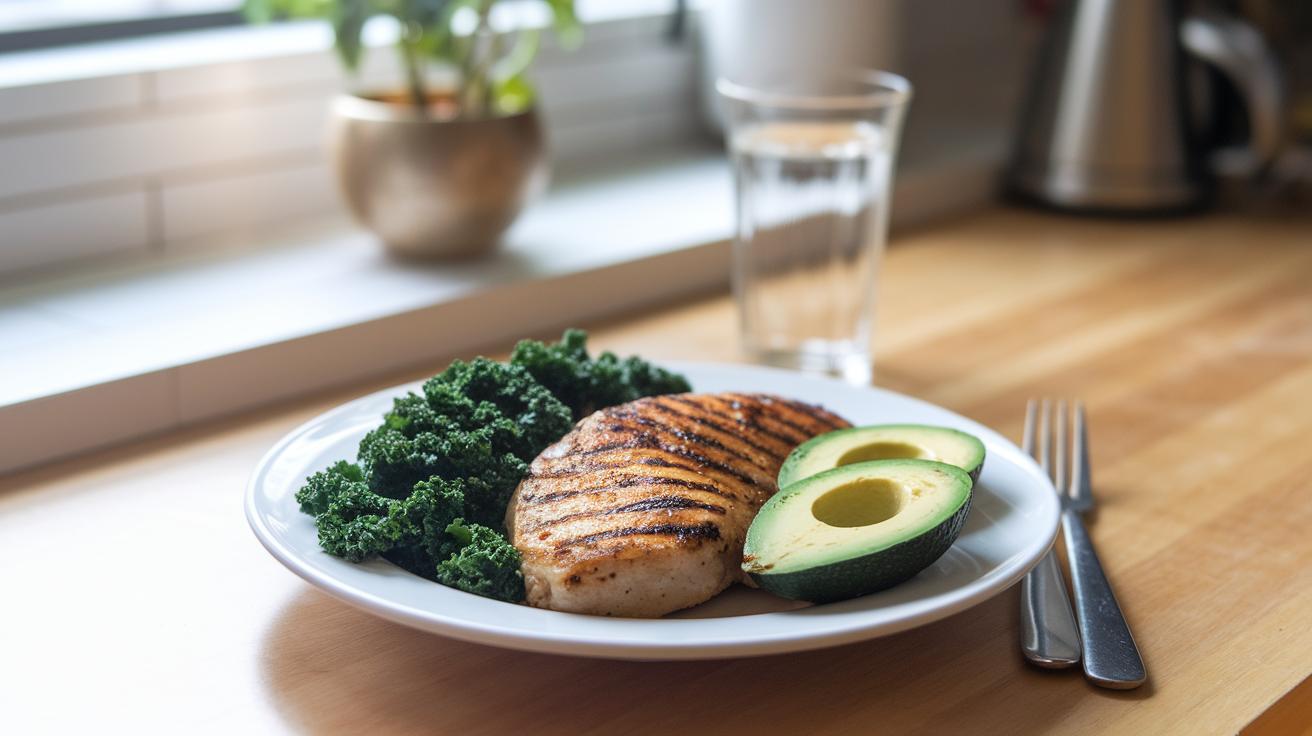
When you decide to follow the Atkins Diet, every bite you take matters. Think of your plate as a simple engine that runs best when fueled correctly. Imagine a meal where lean chicken, turkey, or fish and crisp vegetables blend like puzzle pieces, making your dish both smart and tasty.
Net carbs are just the total carbs minus the fiber. This simple calculation helps you manage your calories and work towards weight loss. Good choices include lean proteins like chicken or turkey, fatty fish such as salmon, eggs, and plenty of non-starchy veggies like kale and bok choy. Adding healthy fats from foods like avocados and olive oil not only boosts flavor but also provides extra nutrition.
On the flip side, it’s wise to skip foods that pack too many carbs. That means steering clear of bread, pasta, grains, and starchy vegetables. You should also limit sugary drinks and fruit juices. Instead, go for water, unsweetened tea, or coffee.
| Food Category | Allowed Foods | Foods to Avoid |
|---|---|---|
| Proteins | Lean meats, fatty fish, eggs | Processed meats high in carbs |
| Vegetables | Non-starchy veggies like kale and bok choy | Starchy vegetables |
| Fats & Oils | Avocados, olive oil | Trans fats or hydrogenated oils |
| Beverages | Water, unsweetened tea/coffee | Sugary drinks, fruit juices |
Keep this guide near when you plan your meals or shop. Every smart choice you make helps you move closer to a healthier lifestyle.
Crafting an Atkins Diet Meal Plan: Meal Prep and Recipe Ideas
Planning your Atkins meals can be simple and fun. A well-thought-out plan helps you mix different flavors and nutrients while keeping your goals in sight. Set aside a little time each week to batch cook; it makes those hectic days a lot easier. Switching up your recipes keeps things lively and helps fight off any boredom. Think of breakfast as the spark that fuels your day, choose options that give you energy without overloading on carbs.
For lunch and dinner, lean proteins and plenty of vegetables do the trick without tipping your carb count. And don’t forget about snacks, small bites can curb cravings and help maintain steady energy levels.
Here are eight ideas to inspire your meal prep:
- Breakfast: A veggie omelet with spinach, mushrooms, and bell peppers.
- Breakfast: Greek yogurt sprinkled with crunchy nuts.
- Lunch: A grilled chicken salad dressed with a drizzle of olive oil.
- Lunch: Zucchini noodle stir-fry mixed with lean beef slices.
- Dinner: Salmon paired with lightly sautéed greens.
- Dinner: Steak served with a creamy cauliflower mash.
- Snack: Cheese cubes alongside fresh cucumber slices.
- Snack: Celery sticks spread with a thin layer of cream cheese.
For extra tips, check out the Healthy Eating Meal Plan for Weight Loss guide. Batch cooking proteins, chopping veggies ahead of time, and pre-portioning snacks can keep your routine smooth and balanced.
Weighing Pros and Cons of the Atkins Diet
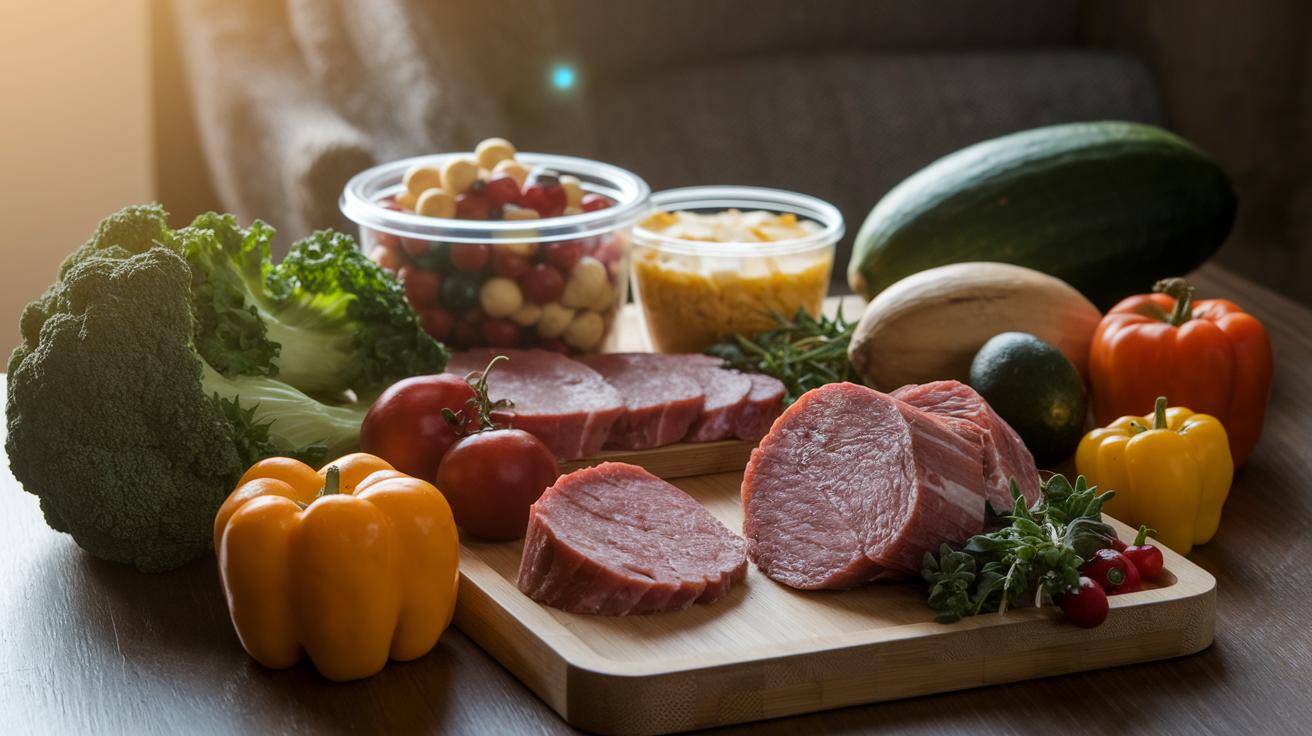
If you're thinking about trying the Atkins Diet, it's smart to take a look at both its benefits and its challenges. On one hand, you might see quick weight loss because you’re eating fewer calories. It can also help keep your blood sugar steady, which is great if you’re managing type 2 diabetes, and you may feel fuller longer, making it easier to control your portions. Some even notice improvements in blood pressure and triglyceride levels, plus it might ease symptoms for conditions like PCOS.
On the other hand, there are some bumps along the road. In the beginning, you could experience side effects a bit like the keto flu, think headaches and tiredness. If you don’t plan your meals well, you might miss out on important nutrients. This diet isn’t a fit for everyone; for example, it’s not recommended for pregnant women or those with gallbladder problems. It can also cost more since it relies on fresh, high-quality foods, and if you follow a vegetarian diet, you might find it tough to stick with all the rules.
Atkins Diet vs Other Diets: Low-Carb Comparison
Atkins is different from other low-carb diets because it lets you adjust your carb intake gradually. Instead of sticking to a tight limit like the keto diet, which keeps you under 20 grams a day, Atkins starts off strict and then slowly adds more carbs as you near your weight goal. It’s a bit like testing the water before diving in.
If you compare Atkins to diets like Mediterranean, DASH, or Ornish, the contrast is clear. Those diets offer a mix of fruits, whole grains, and moderate fats for a balanced plate. Atkins, however, focuses on high-fat proteins and good fats that help you feel full fast and let you see your progress in clear steps.
One heart-health review even points out that swapping saturated fats for polyunsaturated fats could lower your risk of heart issues by almost 30%. Just picture cooking with a healthier oil that makes your heart as happy as your taste buds. These differences can help you decide which plan best suits your health goals and food preferences.
Scientific Evidence and Health Impact of the Atkins Diet

Researchers have now combined detailed clinical findings on the Atkins Diet with other key insights. A 2017 review showed that eating low-carb can help you feel fuller longer, which may naturally lower your overall calorie intake as your body starts burning stored fat. In addition, a 2020 trial found that older adults experienced a reduction in belly fat. All these results are now featured in the “How the Atkins Diet Works: Phases, Effectiveness, & Benefits” section, along with information on better insulin control, more stable blood pressure, and lower triglyceride levels.
For instance, one part explains, “Before trying the plan, many people noticed they felt fuller for longer and cut down on extra snacks without much effort.” Another note says, “One study found that older adults saw a clear drop in belly fat, almost like noticing a slimmer waistline in just a few months.”
Here are the key points:
- 2017 review: Felt fuller longer and ate fewer calories.
- 2020 trial: Saw a decrease in belly fat in older adults.
- Other benefits include improved insulin regulation, more balanced blood pressure, and reduced triglycerides.
| Study | Key Finding |
|---|---|
| 2017 Review | Felt fuller longer and reduced calorie intake |
| 2020 Trial | Lower belly fat and better insulin regulation |
Before starting the Atkins Diet, it’s wise to talk to a healthcare provider, especially if you have any concerns about your pancreas, gallbladder, or if you’re pregnant.
Final Words
In the action, the atkins diet unfolds through four clear phases that guide rapid weight loss and steady progress. We broke down each stage, from strict carb limits to gradual reintroductions, making meal planning and healthy food choices simple. The post balanced the benefits, like increased satiety and improved blood sugar, with possible early side effects. The science and success stories remind us that following clear steps can boost overall well-being. Enjoy trying out these practical ideas and move confidently toward enhanced daily vitality.
FAQ
What foods are allowed in the Atkins diet food list and what can you eat?
The Atkins food list features lean proteins, eggs, non-starchy vegetables, and healthy fats like olive oil. It keeps carbs low to help control hunger and support weight loss naturally.
How does the Atkins diet compare to the keto diet?
The Atkins diet begins with a strict low-carb phase before gradually increasing carbs, while keto consistently maintains a very low carb level to stay in ketosis. Both aim to improve weight loss and metabolism.
What are some recommended Atkins diet recipes?
Atkins recipes offer options like veggie omelets, almond flour pancakes, grilled chicken salad, and salmon with greens. They focus on tasty, low-carb meals that support satiety and steady energy levels.
What benefits does the Atkins diet offer?
The Atkins diet benefits include quick weight loss, improved blood sugar control, better blood pressure, and increased fullness, making it easier to stick to meals and support overall health.
Where can I download a free Atkins diet plan?
Many health websites and diet communities offer free downloads of Atkins diet plans, featuring step-by-step guidance and meal plans designed to help manage your low-carb diet effectively.
What insights do people share about the Atkins diet on Reddit?
Reddit users share personal experiences, recipe ideas, and tips for overcoming early side effects. Their discussions offer practical advice and support for staying on track with the diet.
What are the pros and cons of the Atkins diet, including negatives?
The Atkins diet can lead to fast weight loss and improved metabolic markers. On the flip side, some negatives include initial side effects, limited food choices, higher grocery costs, and potential nutrient gaps.
What side effects might you experience on the Atkins diet?
The Atkins diet side effects may include temporary headache, fatigue, or constipation during the early phase as your body adjusts to very low carbs, with symptoms usually fading as you progress.
Can you lose 10 pounds in 2 weeks on the Atkins diet?
Many report fast initial weight loss on Atkins, with some losing 10 pounds in 2 weeks, though results vary by individual and depend on strict adherence to the initial low-carb phase.
What are the core rules of the Atkins diet?
The core rules start with a limit of 20 grams of net carbs daily during the induction phase, followed by gradual carb reintroduction based on weight loss progress and individual tolerance.

