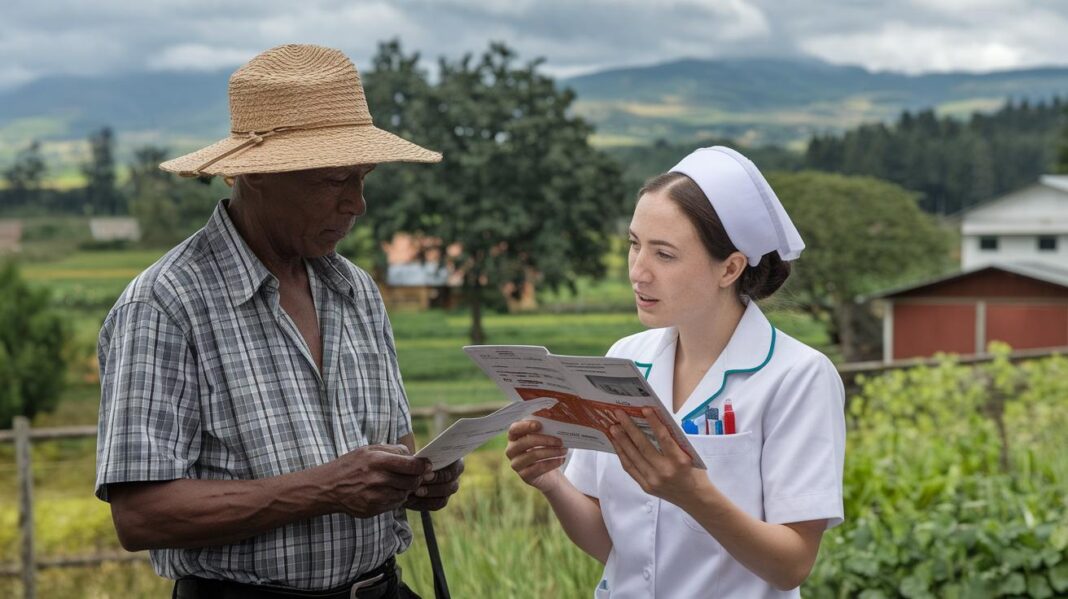
Ever notice how getting a check-up in a small town can feel like a treasure hunt? In many rural areas, there are only a few clinics, very few doctors, and long drives to cover for even a basic visit. No wonder nearly two out of three places missing primary care are found away from cities. And when hospitals close, it only makes things tougher.
But there’s a silver lining. New ideas like mobile clinics and telehealth are changing how care is delivered, making it easier for everyone to get the help they need. This article breaks down these challenges and offers simple, practical solutions to better support rural communities.
Expanding Access to Preventive Care in Rural Areas: Key Challenges and Solutions
Preventive care helps catch problems early, but people living in rural areas often face big hurdles. When clinics are far away, public transit is rare, and communities are isolated from major hospitals, getting regular check-ups becomes a real challenge.
In these areas, the problems are many. There aren’t enough local doctors or nurses, about two-thirds of the regions with a shortage of primary care workers are in rural locations. Many people also struggle with insurance, with nearly 15% of adults under 65 and about 5% of children not having coverage. The situation gets even tougher with hospital closures; over 120 rural hospitals have shut down in the past 17 years, with more than 80 cutting back on services. These challenges mean that timely check-ups are often seen as a luxury rather than a regular part of health care.
Thankfully, creative solutions are on the rise. Mobile clinics are traveling right into neighborhoods, cutting down long trips and making screenings easier. Plus, telehealth has grown fast, letting patients consult with doctors remotely, even from faraway places. With these new ways to deliver care, rural communities are slowly gaining better access to preventive services. This shift brings hope for more equal health opportunities and better health outcomes for everyone involved.
Infrastructure and Transportation Barriers Impacting Rural Preventive Care Delivery

Rural communities face real challenges when it comes to getting regular health checkups. Long travel times and limited transport options make it tough for people to attend screenings. Many patients have to drive over 30 miles to see a doctor, and even when they arrive, a lack of reliable rides can leave them stuck. On top of that, high childcare costs or the need to take time off work make things even more difficult. And with slow or spotty broadband in many areas, telehealth just isn’t a solid backup.
Below are some of the main hurdles rural patients encounter:
| Challenge | Details |
|---|---|
| Distance | Long trips to clinics, often 30 miles or more |
| Transit | Little or no public transportation available |
| Childcare & Time Off | High costs that add extra strain |
| Home Health Services | Lack of nearby support for home healthcare |
| Broadband Connectivity | Poor internet access, affecting telehealth options |
All these barriers make it harder for people to seek preventive care. Rural residents often juggle tough travel and cost challenges while lacking nearby resources like home health services. This combination leads to fewer early screenings and delays treatment. It really makes you wonder how much easier life might be with more support in these areas.
Addressing Healthcare Workforce Shortages for Preventive Services in Rural Communities
Rural communities really feel the shortage. Nearly two-thirds (65.6%) of areas lacking primary care workers are in the countryside. Local clinics often have a hard time hiring and keeping staff, especially the specialists who help prevent health problems before they grow. This means people may miss regular check-ups and early treatments, letting small issues turn into bigger ones. Often, patients need to drive long distances or wait a long time for an appointment, which only makes things tougher.
A bright idea is to bring community health workers on board. These caring local helpers can lift screening rates by up to 25% and ease staffing pressures. When clinics build teams with different kinds of health workers, they do a better job meeting local needs. Investing in these workforce models can truly change preventive care by getting vital services to even the most isolated areas.
Scaling Community Health Worker Programs
- Find local folks who are excited to help their neighbors
- Set up easy-to-afford training and certification programs
- Send workers out for community outreach and regular screenings
- Add health education efforts to boost awareness
- Work closely with existing health teams to build a friendly, collaborative care atmosphere
Financing Preventive Care: Overcoming Funding and Insurance Challenges in Rural Settings
Rural communities often face big challenges when it comes to affordable preventive care. A lot of rural adults under 65, about 14.4%, and roughly 5% of children don’t have enough health insurance. In some places, like parts of Kansas, care can cost almost three times more than what Medicare pays. This extra expense puts a heavy burden on communities that are already struggling with tight budgets. Many rural hospitals are at risk, with a recent report showing that 453 hospitals could face financial difficulties. Because of high costs and sparse insurance, people end up delaying important screenings and early treatments that might stop more serious problems later.
| Funding Mechanism | Description | Rural Impact |
|---|---|---|
| Medicaid Expansion | Broadened eligibility | Fewer uninsured people |
| HRSA Grants | Support for clinics | Better local services |
| Telehealth Reimbursement | Equal payments for virtual visits | More telehealth access |
| Public–Private Partnerships | Shared investment between sectors | Improved local health infrastructure |
Keeping steady funding is key to making sure preventive services stay within reach. Health programs need to mix federal support like Medicaid expansion and HRSA grants with innovative ways to pay for telehealth visits. Also, strong partnerships between public and private groups can attract more investment in local health services. Strengthening these funding avenues will not only decrease the number of uninsured residents but also make preventive care more affordable and accessible for rural areas.
Leveraging Telemedicine and Mobile Clinics for Rural Preventive Care Innovations
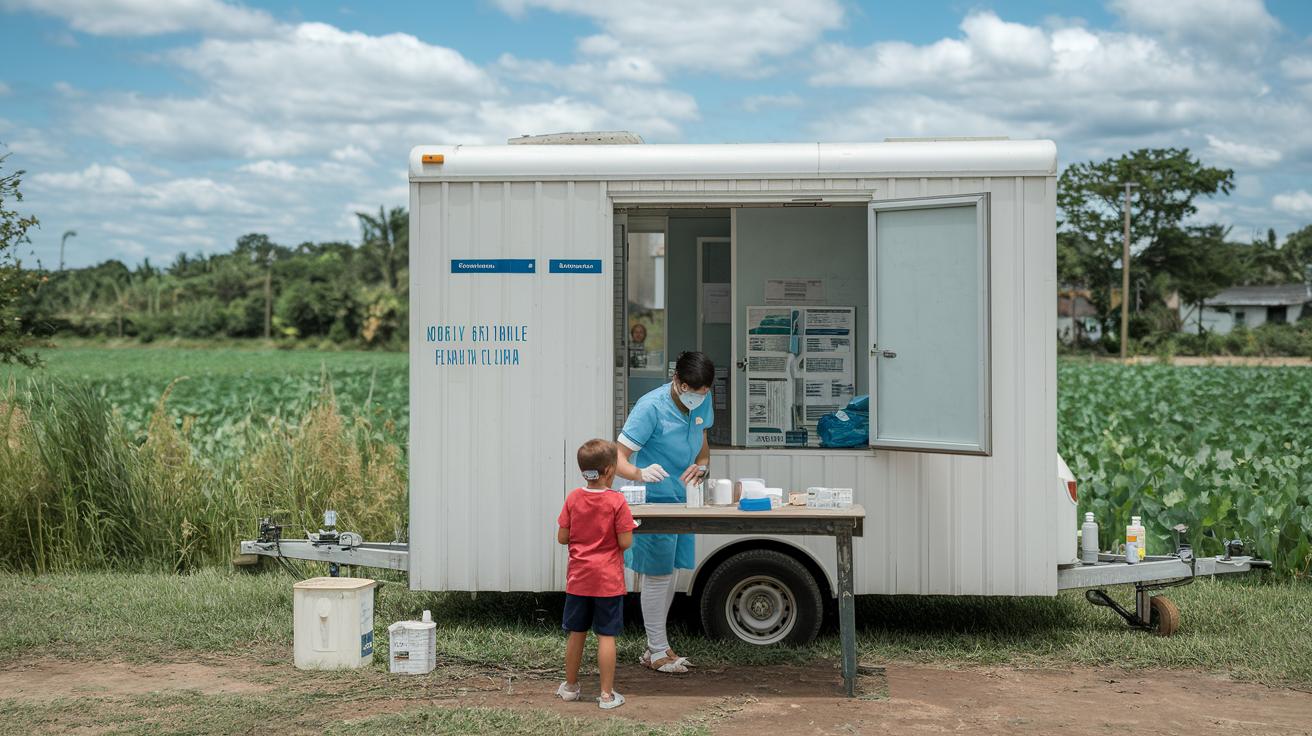
Digital health tools have changed things fast in rural areas. After the COVID-19 pandemic, many more people turned to telehealth–in fact, visits increased by over 200%. This means that screenings can now be done over video calls and mobile networks. Mobile clinics, often called clinics on wheels, cut travel time by about 40% and boost immunization rates by 15%. This way, you can get on-the-spot testing from skilled nurses without a long journey.
Telehealth Platforms for Preventive Screenings
Telehealth tools are now a big part of keeping you healthy. They offer easy-to-use systems where you can quickly book and join virtual appointments. Even if internet access is limited, these solutions work to keep you connected. Your privacy is protected when you chat with your provider. For example, a platform like Digital Health Tech helps clinics arrange secure video visits while keeping track of screening schedules. By reducing the need to visit in person, these systems save you time and lessen travel hassles.
Mobile Health Clinic Models
Mobile clinics are changing how rural communities get care. These vehicles come equipped with all the essential tools to run quick tests and do regular checkups. They are usually staffed by nurses and nurse practitioners who can deliver fast, efficient care. Schedules are set up to cover wide areas, making sure remote communities get regular visits. Local health agencies help plan the best routes and times, so care reaches you right where you live. This method not only brings care directly to your doorstep but also helps catch health issues early and keep an eye on chronic conditions.
Community Engagement and Culturally Tailored Preventive Initiatives in Rural Areas
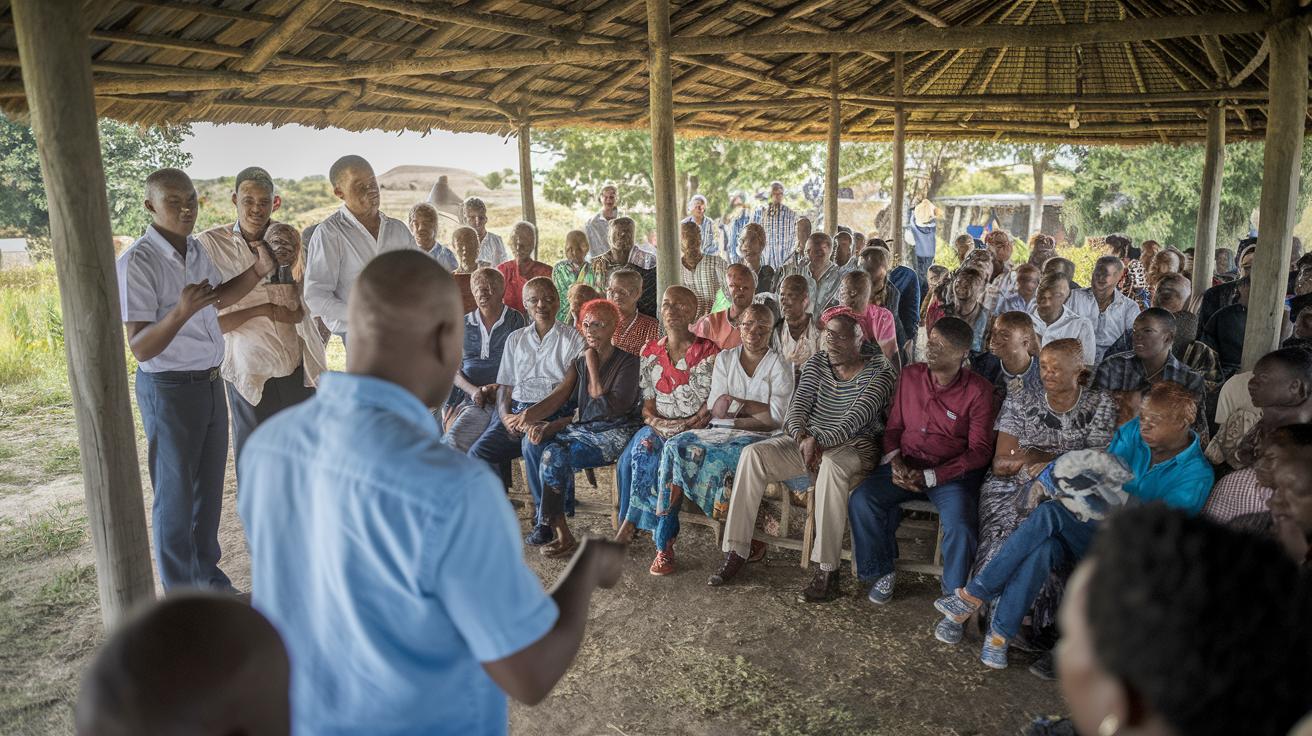
People in rural areas often struggle with understanding health information and may hold cultural beliefs that make it hard to see the value in regular check-ups. When folks don’t fully grasp health details or feel uneasy about talking about their health, they might skip important screenings. For example, in communities where health education is limited, misunderstandings or cultural stigmas can lead to fewer people getting preventive care.
Local voices help a lot here. Community leaders, faith-based groups, and local centers can share clear, friendly advice about preventing diseases. When you hear health tips from someone you trust, you’re more likely to listen. In fact, studies show that screening rates can jump by about 20% when messages come from familiar and respected sources. These trusted messengers tailor the information to match local values and everyday language.
Working together also makes a big difference. When schools, local extension offices, and community groups team up with healthcare providers, residents feel more at ease taking care of their health. This joint effort not only boosts screening rates but also creates a support network where everyone feels more connected and empowered to look after themselves.
Policy and Cross-Sector Collaboration to Enhance Preventive Care Delivery in Rural Regions
Recent policy changes have really paved the way for better care in rural areas. Medicaid and CHIP have grown to cover more people, and state waivers now support telehealth reimbursements. This means rural providers can offer more preventive services with less hassle. Adjustments in licensing and improved reimbursement rates help clinics manage tight budgets, a vital step especially when reports show many hospitals are at risk. These policy moves work as quick fixes to keep essential health services available even when money or rules get in the way.
Working together across different sectors makes the whole system even stronger. Health departments, schools, and agricultural agencies join forces to set up school screenings and community health events. They work with clear goals and use simple measures to track progress. By sharing resources and local know-how, these partnerships not only widen access to care but also build stronger ties within the community. This cooperative spirit helps everyone stay committed to better health outcomes.
Final Words
In the action of addressing rural care, we explored barriers like long distances, staff shortages, and funding gaps.
We looked at real fixes, from mobile clinics and telehealth to community outreach, that help make preventive care easier to reach.
Our overview of challenges and solutions in delivering preventive care in rural areas shows that clear, thoughtful strategies can boost screenings and overall health.
Simple changes today pave the way for better care and a healthier tomorrow.
FAQ
How to improve healthcare in rural areas?
Improving healthcare in rural areas involves boosting access through mobile clinics, telehealth options, and community outreach programs that reduce travel challenges and resource gaps in medically underserved regions.
How to improve healthcare in rural areas PDF?
The PDF on improving rural healthcare outlines effective strategies like telemedicine expansion and local clinics, offering clear, evidence-based approaches to overcome unique access challenges in rural communities.
What does a lack of health services and quality challenges in rural areas mean?
A lack of health services and reduced quality in rural areas means communities face limited specialists, facility closures, and longer travel distances that can delay treatments and preventive care.
What are the barriers to healthcare access in rural communities for health promotion and primary care?
Barriers to healthcare access in rural communities include long distances to care, few public transport options, workforce shortages, and limited funding, all hindering effective health promotion and primary care delivery.
What are the effects of a lack of access to healthcare, and what do scholarly articles say?
A lack of access to healthcare leads to delayed diagnoses and poorer overall health, and scholarly articles highlight these gaps as significant contributors to increased emergency visits and lower preventive screening rates.

