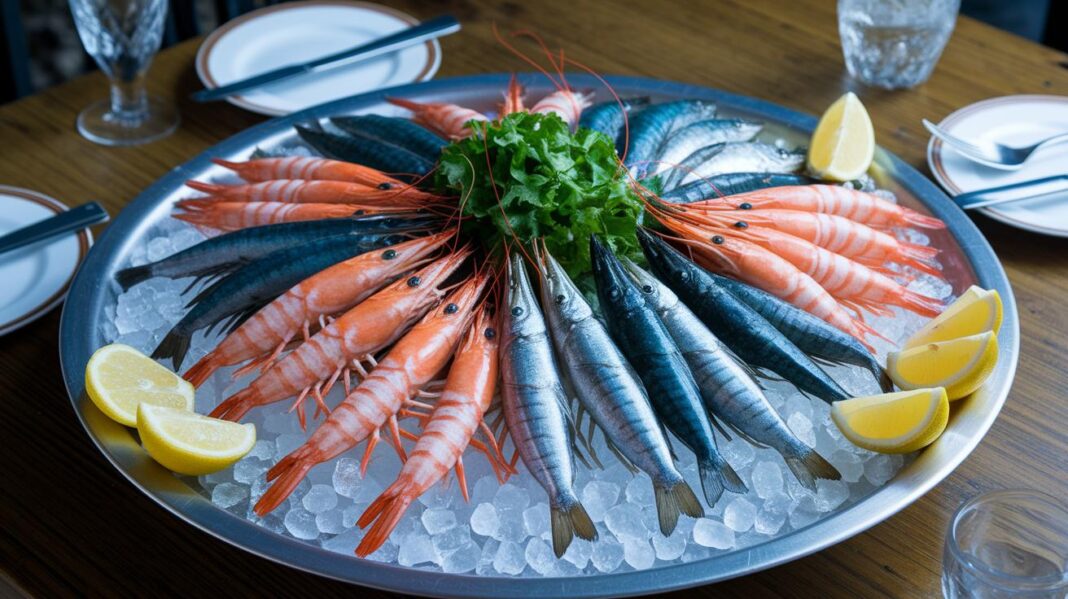
Ever wonder how fresh seafood paired with crisp vegetables can give your body a boost? The pescatarian way of eating mixes tasty fruits, veggies, whole grains, nuts, and seeds with nutrient-rich fish to create a well-rounded meal. It lets you enjoy high-protein dishes without the heaviness of red meat. Picture a plate filled with vibrant flavors that feel as refreshing as a cool summer breeze. This balanced style of eating not only tastes great but also supports a healthy lifestyle.
Understanding the Pescatarian Diet: Definition & Core Components
This diet focuses on mixing plenty of fruits, veggies, whole grains, nuts, and seeds with a good serving of seafood. In simple terms, you get the brightness of plant-based foods along with the nutrition boost from fish like salmon, tuna, shrimp, oysters, trout, or perch. The word pescatarian came about in the early 1990s by blending the Italian word for fish, "pesce," with "vegetarian," placing this diet neatly between strict vegetarianism and meat-eating plans. You can decide how often you want to lean into seafood, whether that's every meal or just once in a while, depending on your tastes and health needs.
Picture your plate like a painter’s palette, where every ingredient brings its own splash of flavor and nutrition. For example, think about this cool fact: a simple 5-ounce serving of tuna provides 30 grams of high-quality protein with very little saturated fat. This shows how adding seafood to your plant-based meals can help you get more protein without too much unhealthy fat.
Below is a straightforward guide to what foods go well with a pescatarian lifestyle:
| Allowed Foods | Foods to Avoid |
|---|---|
| Salmon | Red meat |
| Tuna | Poultry |
| Shrimp | Processed meats |
| Vegetables | High-mercury fish (swordfish, king mackerel) |
| Fruits | High-salt/sugar plant-based items |
| Whole grains, nuts, and seeds | Excessive dairy and eggs |
This balanced approach to eating is a great way to get those essential nutrients while keeping your meals fun, flavorful, and good for your body.
Health Advantages of Adopting a Pescatarian Diet
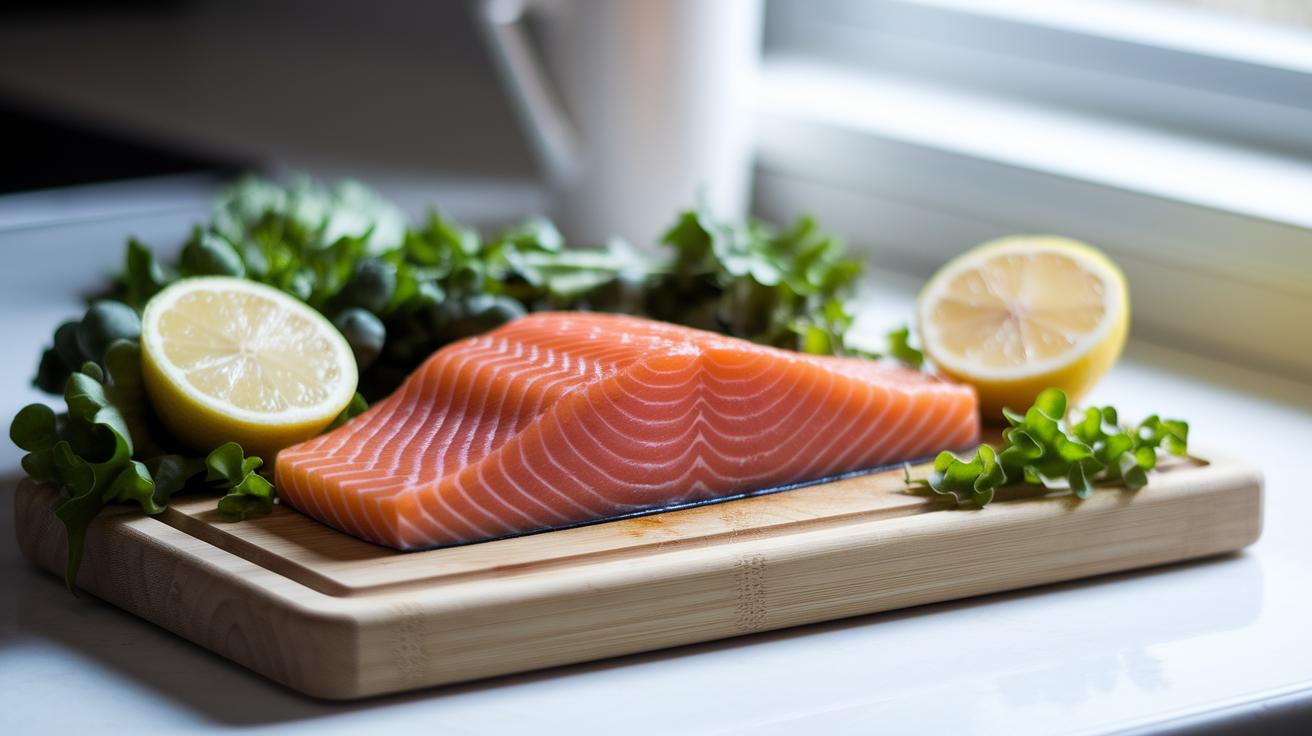
One big plus of choosing a pescatarian diet is the boost it gives to your heart. Fish like salmon are full of omega-3 fatty acids, which help with things like lowering inflammation, reducing blood pressure, and keeping your heart strong. Think of it like this: adding a serving of salmon to your plate is a little gift for your arteries, helping them stay clear and healthy. Plus, fish naturally has less saturated fat, making it easier to keep your cholesterol in check and lower the risk of heart disease. This is pretty similar to the benefits seen with Mediterranean eating, where fresh, whole foods and lean proteins work together to support heart health.
Mixing in high-fiber foods like whole grains, vegetables, and nuts with lean seafood has its own perks, too. This combo not only makes it easier to manage your weight but also helps improve your overall metabolism. For example, a 5-ounce can of tuna gives you about 30 grams of protein with just 1 gram of saturated fat, which makes it a great way to enjoy a balanced meal. This approach helps control blood sugar while also reducing inflammation and boosting key markers for long-term health. In short, a pescatarian diet offers a smart and tasty way to manage your weight and keep your energy up, just like the Mediterranean diet, which has long been linked to lower risks of chronic conditions.
Pescatarian Diet: A Refreshing, Healthful Choice
Eating a mix of seafood and plant foods can be really refreshing and healthy, though there are a few things to keep in mind. One area you might want to watch is your intake of micronutrients like vitamin B12, vitamin D, iron, calcium, and zinc. Since these nutrients usually come from meat and dairy, it can help to plan some smart plant-based alternatives, think legumes, tofu, dark leafy greens, nuts, seeds, or even eggs. For example, if you’re having a seafood meal, try adding some iron-rich beans or leafy greens on the side to round out your nutrients. Just be cautious though, because sometimes processed plant-based items may have extra salt, sugar, or unhealthy fats.
Another important tip is to be mindful of mercury in some fish. It’s a good idea to avoid those high-mercury varieties like swordfish or king mackerel, and opt instead for lower-mercury choices such as salmon, sardines, or anchovies. Also, if you’re watching your budget, remember that seafood can sometimes be pricey. In that case, canned or frozen fish can be great, cost-effective options that still give you a wealth of nutrients without breaking the bank.
Meal Planning Strategies for a Balanced Pescatarian Diet
Planning your meals for the week can really change how you eat as a pescatarian. Try mapping out a 7-day meal plan, maybe use a handy online meal planner, to help you get organized. This way, you can prep grains, steam your veggies, and have protein-rich snacks ready. For example, imagine spending a Sunday afternoon chopping fresh veggies and cooking a big batch of quinoa. That small step can save you lots of time later.
Mixing in fish two or three times each week is a smart move. It gives you a healthy dose of omega-3 fatty acids while keeping mercury levels low. Think about dishes like fish tacos, grilled shrimp skewers, or salmon rice bowls. And if you’re watching your budget, you might swap fresh fillets for canned tuna, sardines, or frozen seafood. Picture a busy weekday: you open a can of tuna and whip up a quick, tasty salad without any fuss.
When shopping for seafood, go for sustainable options like MSC-certified choices or local, seasonal catches. This way, you’re not just getting excellent protein, you’re also helping protect our environment. With a clear plan and a few smart swaps, you can enjoy a balanced and fun pescatarian lifestyle every day.
Delicious Pescatarian Recipe Ideas
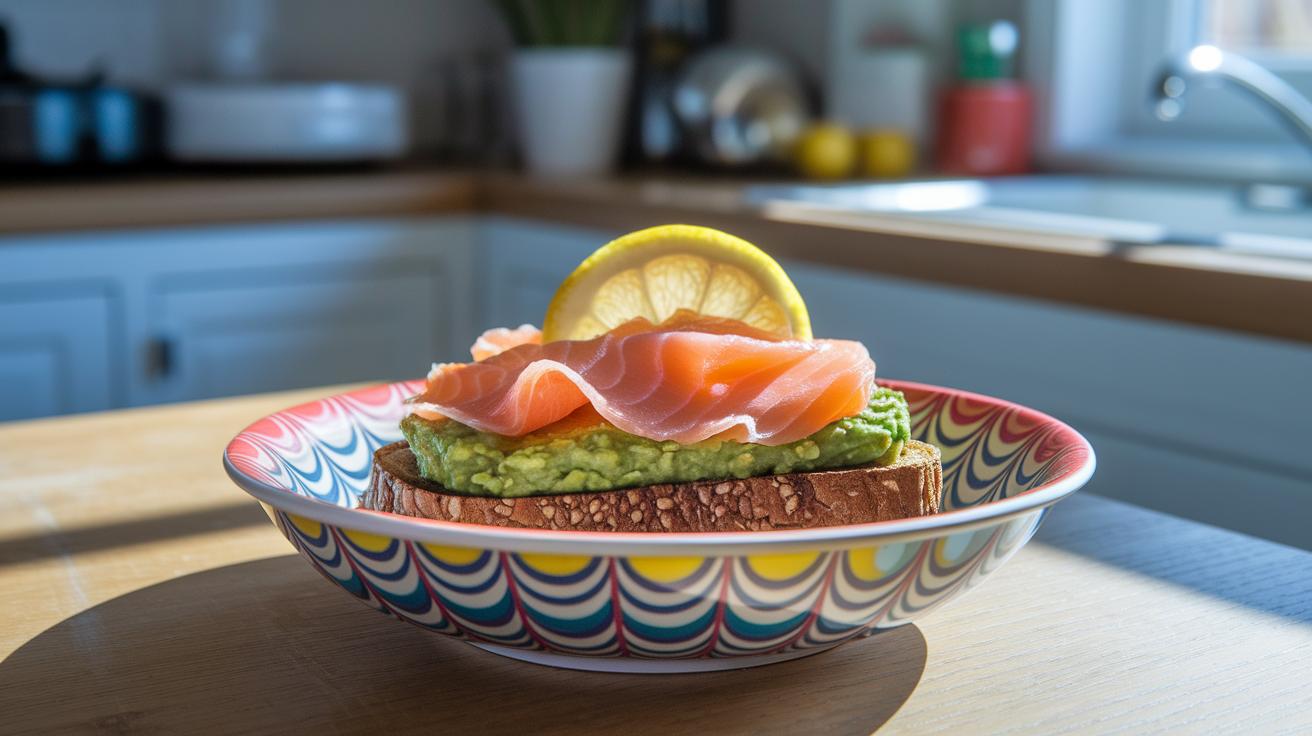
Kick off your morning with a fun twist on breakfast. Try a smoked salmon avocado toast with a splash of lemon or enjoy a Greek yogurt bowl loaded with chia seeds and walnuts. Imagine biting into warm toast topped with smoky salmon and a hint of lemon that brightens your day in just one bite.
For a light snack later on, why not go for some gently seasoned fish jerky, seaweed-wrapped rolls, or a mini shrimp salad? Picture a crisp seaweed roll offering a burst of fresh ocean flavor that lifts your mood with every chew.
Upgrade your lunch or dinner with simple yet tasty seafood dishes. Enjoy a zesty citrus ceviche with fresh lime or whip up a herb-crusted salmon that’s ready in just ten minutes. Think of a sheet-pan trout tossed with mixed veggies, the perfect mix of quick seasoning and roasting that turns into a vibrant meal. In summer, a cool cucumber-mint ceviche works wonders, and in winter, a creamy, spiced fish chowder warms you right up.
Final Words
in the action, this article explained the basics of a pescatarian diet, showing what foods to choose and what to skip. We talked about the heart-healthy benefits of omega-3s, smart tips for planning meals, and creative ways to enjoy seafood paired with fresh produce.
The insights are meant to help you manage daily habits with confidence and make smart choices every day. Embrace the pescatarian diet and enjoy the tasty, balanced flavors it brings to your table.
FAQ
What does a pescatarian diet meal plan include?
The pescatarian diet meal plan includes mainly plant-based meals with added seafood like salmon or tuna. It emphasizes vegetables, fruits, whole grains, nuts, and seeds while excluding red meat and poultry.
How can a beginner start the pescatarian diet?
A pescatarian diet for beginners begins by gradually replacing meat with fish and diverse plant foods. Starting with simple recipes like grilled fish over salad helps build comfort and confidence in the new eating pattern.
What health benefits does the pescatarian diet offer?
The pescatarian diet benefits overall health by supplying omega-3 fatty acids, which support heart health and reduce inflammation. It also promotes weight management by combining lean seafood protein with fiber-rich plant foods.
What pescatarian diet recipes can I try?
Pescatarian diet recipes include dishes such as fish tacos, herb-crusted salmon, or smoked-salmon avocado toast for breakfast. These recipes are easy to make, tasty, and work well for family meals and seasonal twists.
What are the pros and cons of a pescatarian diet?
The pescatarian diet offers pros like improved heart support, quality protein, and balanced meals. However, drawbacks may include gaps in some micronutrients, potential mercury exposure, and sometimes higher grocery expenses.
Can switching to a pescatarian lifestyle help with weight loss?
Switching to a pescatarian lifestyle can help with weight loss by providing lean seafood and high-fiber plant foods. This combination aids in controlling hunger and supports balanced nutrition for steady, manageable weight loss.
Are there downloadable pescatarian diet plans like PDFs available?
Downloadable pescatarian diet plans in PDF format provide clear meal planning guides, recipes, and shopping tips. These resources simplify following the diet at home, making it easier to stick to the healthy plan.

