
Ever wonder if a simple meal plan could spark a quick change in your routine? The military diet takes a two-step approach. First, you follow a strict three-day phase that sharply cuts calories. Then, you move into a more relaxed four-day phase that eases you back into your regular eating habits.
In this post, we’ll break down exactly how the plan works. We’ll explain what each stage looks like and share some easy tips to help you get the most out of it. Stick around for clear, friendly advice that can help you reach your health goals.
How the Military Diet Works: Structure, Key Principles, and Expected Outcomes
The military diet is a seven-day eating plan split into two parts. In the first part, which lasts three days, your daily calories are kept very low, about 1,100 to 1,400 calories. During these days, you’re allowed only 16 specific foods. The whole idea is to force your body to use stored energy by creating a big calorie gap. Many people see a quick drop in water weight at first, which can make the plan feel even more effective. For example, you might enjoy a breakfast of half a grapefruit with a slice of toast and peanut butter, which is just one way the diet’s rules work.
After the initial three days, you move into a four-day phase where you can have around 1,500 calories each day. This part of the plan is a bit more flexible, letting you mix up your meals and even have two snacks each day. By alternating strict days with a more relaxed phase, the plan is designed to keep your metabolism active while still giving you some relief from constant restrictions. It’s promoted as a quick jump-start for weight loss, though your results might vary based on your starting weight, metabolism, and how closely you follow the plan.
Military Diet Meal Phases and Schedules
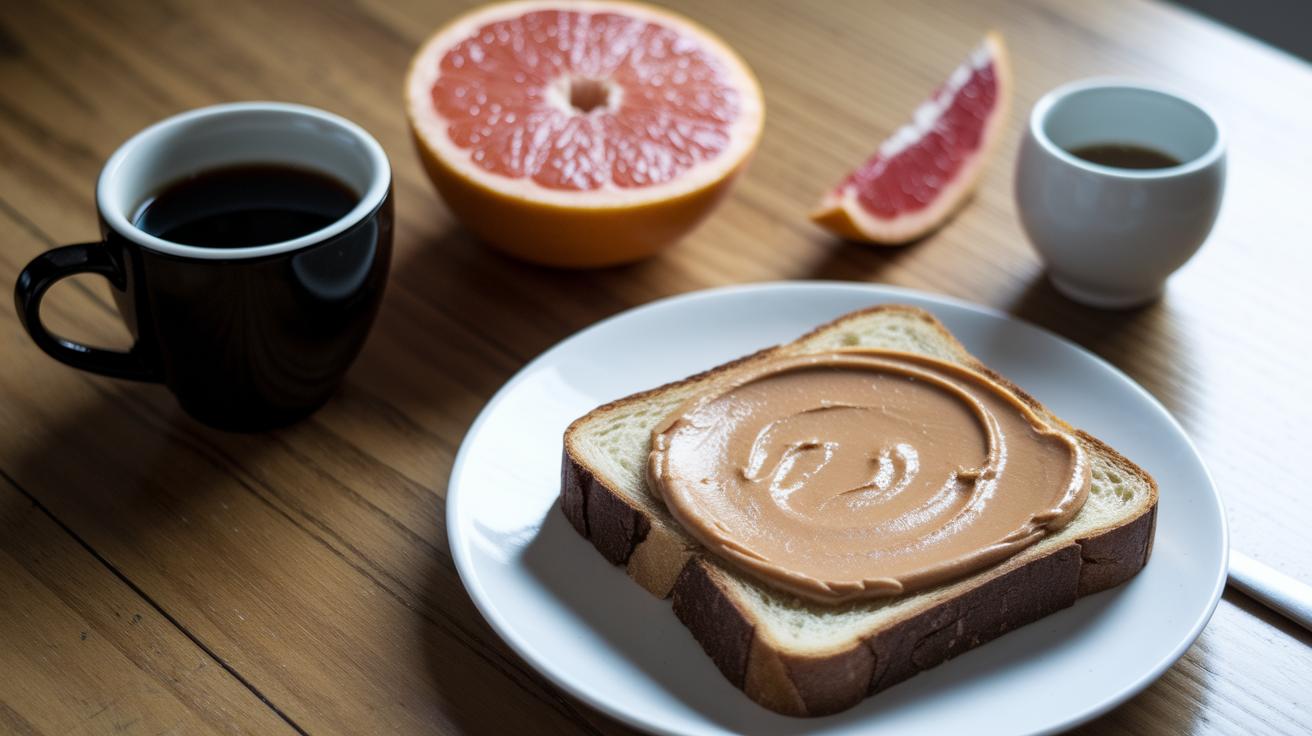
The military diet splits the week into two different phases that follow a boot camp style meal plan to quickly reduce your daily calories. In the first part, which lasts three days, you follow a very strict calorie plan. On Day 1, for example, you might start your morning with a cup of black coffee or tea, half a grapefruit, and a slice of toast with 2 tablespoons of peanut butter. Every meal is set out like an army eating chart so that you stick to a controlled calorie menu. This plan keeps your meals predictable and easy to follow.
Below is a summary table for the 3-Day Phase:
| Day | Breakfast | Lunch | Dinner |
|---|---|---|---|
| Day 1 | Black coffee/tea; ½ grapefruit; 1 slice toast + 2 tbsp peanut butter | 3 oz tuna; slice of toast; coffee/tea | 3 oz meat; 1 cup green beans; ½ cup carrots; 1 cup vanilla ice cream |
| Day 2 | 1 egg; ½ banana; slice of toast | 1 cup cottage cheese; 1 hard-boiled egg; 5 saltines | 2 hot dogs (no bun); 1 cup broccoli; ½ cup carrots; ½ banana; ½ cup ice cream |
| Day 3 | 5 saltines; slice of cheddar; small apple | Hard-boiled egg; slice of toast | 1 cup tuna; ½ cup green beans; ½ cup carrots; ½ cup ice cream |
After the strict 3-day plan, you move into a 4-day off-cycle phase. In this part, the army-approved eating chart gives you more variety while keeping your meals around 1,500 calories each day. Think of it as a more relaxed, yet still controlled, menu that helps you stick to your goals. Here’s a sample weekly menu:
| Day | Meal Type | Sample Menu |
|---|---|---|
| Day 4 | All Meals | Breakfast: Rolled oats with nuts & fruit; Lunch: Whole-wheat pita with feta & hummus; Dinner: Black bean burger with slaw |
| Day 5 | All Meals | Breakfast: Rolled oats mixed with berries; Lunch: Spinach salad with lean protein; Dinner: Grilled veggie wrap with quinoa |
| Day 6 | All Meals | Breakfast: Oatmeal with chopped walnuts & apple; Lunch: Pita stuffed with mixed greens and low-fat cheese; Dinner: Veggie-packed bean burger on whole-grain bun |
| Day 7 | All Meals | Breakfast: Oats with almond milk and fruit; Lunch: Mixed bean salad with light dressing; Dinner: Stuffed whole wheat wrap with lean protein and veggies |
Military Diet Benefits and Drawbacks
The plan uses no-cook recipes that make meal prep really simple. It sticks to everyday grocery items, which means you don't have to break the bank. You often see quick results at the start, mostly from losing extra water weight, and that can feel really motivating. Plus, you get a steady dose of fruits and veggies every day, which helps keep your body loaded with vitamins and fiber. A moderate amount of protein in your meals also goes a long way toward keeping hunger at bay and smoothing out those pesky cravings.
On the flip side, the diet has its drawbacks. The limited variety might mean you're not getting every nutrient your body needs. There’s also a heavy emphasis on processed foods like tuna, hot dogs, and even ice cream, which can lower the overall quality of your meals. Cutting calories so drastically, especially over a longer period, can slow down your metabolism and zap your energy. This plan isn’t really built for long-term changes and might even lead to yo-yo dieting once you return to your usual eating habits. And sometimes, the harsh calorie cut can bring about side effects like fatigue and dizziness.
Military Diet: Nutritional Adaptations and Substitutions
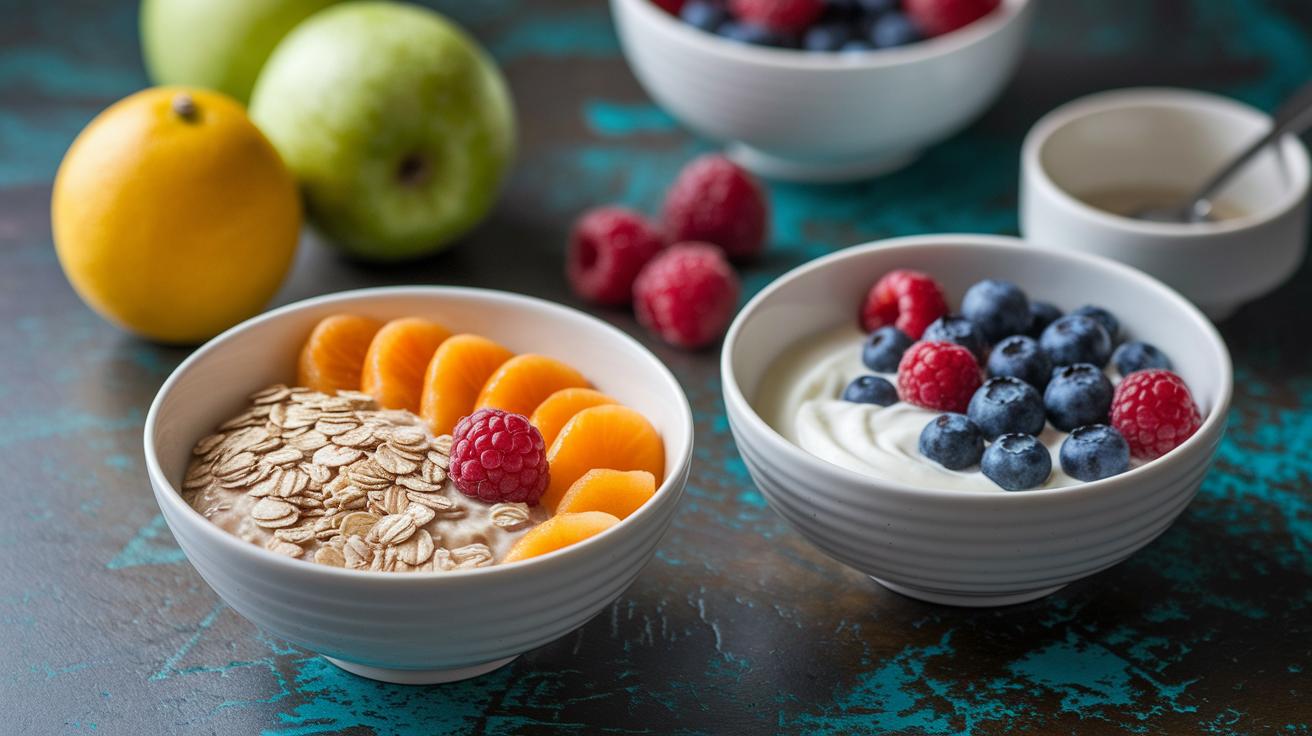
Sometimes, little tweaks in your ingredients can make the military diet work even better for you without adding extra calories. By swapping key foods, you can meet dietary restrictions and even enjoy your meals more. These smart changes keep your meals interesting while staying true to your goals.
Grain Substitutions
When it comes to grains, try switching out white toast for something a bit different. For example, have about ⅓ cup of gluten-free oats or brown rice instead. These choices give you a different texture and boost your fiber, all while keeping your calorie count steady.
Protein Swaps
For protein, mix it up by using canned salmon or even chickpeas in place of tuna. And if you normally use cottage cheese, Greek yogurt or silken tofu can do the job just as well. These options help you stick to your protein goals and work nicely for a vegetarian or vegan diet. It’s like creating a dish that’s both new and comfortingly familiar.
Dessert Alternatives
If you’re craving something sweet, try ½ cup of low-fat yogurt or a scoop of fruit sorbet instead of ice cream. These swaps still hit the spot but with fewer calories. And if you’re missing the tang of grapefruit, a small amount of baking soda in water might help, though it won’t pack a nutritional punch. For more ideas on how to mix and match your meals for the week, check out the meal planner for healthy eating at HealthyStats.com.
Military Diet: Safety Considerations and Expert Perspective
Cutting calories too much can really affect your mood, focus, and energy. At first, most of the weight you lose is water weight, not fat. Over time, if you go back to your usual eating without a good plan, you might end up in a cycle of losing and regaining weight. Experts always remind us to drink plenty of water and watch our micronutrients (small nutrients like vitamins and minerals that keep us healthy). If you’re feeling extra tired or noticing that it's harder to concentrate, it might be time to check if you’re getting enough energy.
Who Should Avoid the Military Diet
- Pregnant or nursing women
- People with certain health issues
- Anyone with a history of disordered eating
- Individuals who are very active and need steady energy
These groups should be careful because a very low-calorie diet might cause problems.
Professional Consultation and Monitoring
Before starting this diet, experts suggest talking to a healthcare professional. This is important because everyone’s body is different, and things like metabolism and pre-existing health conditions vary. Paying close attention to how much energy you have and ensuring you get enough micronutrients are key parts of a balanced approach. Using simple tools like daily food logs or hydration trackers can help you keep things on track. This careful monitoring can help prevent unwanted side effects and guide you to adjust your diet if you start feeling low on energy or missing important nutrients.
Military Diet: Tips for Success and Long-Term Maintenance

Keep a close eye on your calories by using apps or food logs to track your meals. It’s like following a clear meal plan that tells you what to eat each day.
Take some time during the week to prep your meals. You might cook lean proteins in batches and cut up fruits and veggies ahead of time. This way, your healthy meal plan is ready for those busy days. Honestly, a little preparation goes a long way, making meals easy and quick.
On weekends, allow yourself some treats without going overboard. When you're ready to step away from the diet challenge, create a healthy eating plan that includes lean proteins, whole grains, and lots of veggies. For extra help, you could use a free printable grocery list to keep your choices on track.
A well-planned meal schedule can truly make a difference, leading to steady progress and lasting changes in your eating habits.
Final Words
In the action, this post broke down how the military diet works in clear, simple terms. It covered the structured meal phases, discussed benefits, trade-offs, and smart substitutions, while also offering practical safety tips and meal-prep advice.
Each segment offered insights into keeping routines in check and adjusting plans for long-term balance. Remember, small steps lead to big results. Keep your focus and stay positive as you explore the military diet for a healthier, more vibrant life.
FAQ
What are military diet alternatives?
Military diet alternatives include various ingredient swaps like using Greek yogurt for cottage cheese or low-fat yogurt for ice cream, plus options for vegetarian and gluten-free diets to suit your needs.
I did the military diet for a month—what should I expect?
Completing the military diet for a month typically brings quick initial weight loss from water reduction, but long-term results may vary; adopting a balanced eating plan afterwards is important.
What does a 7-day military diet plan involve?
A 7-day military diet plan starts with a 3-day phase featuring specific low-calorie meals and continues with a 4-day off-cycle that offers more varied meals and snacks.
What is included in a 3-day military diet menu?
A 3-day military diet menu includes items like toast with peanut butter, tuna, meat, green beans, carrots, and a serving of vanilla ice cream, keeping daily calories very low.
What are military diet substitutions?
Military diet substitutions let you swap foods such as white toast for gluten-free oats, canned salmon instead of tuna, and low-fat yogurt or fruit sorbet for ice cream to match your dietary preferences.
What is a 14-day military diet?
A 14-day military diet extends the standard plan over two weeks; however, experts caution that a prolonged low-calorie plan might raise nutritional risks and slow metabolism over time.
Where can I find a 3-day military diet PDF?
A 3-day military diet PDF typically offers a detailed meal plan and shopping list; check reputable health websites for a downloadable version that provides accurate portion guidelines.
Where can I get a 7-day military diet plan PDF?
A 7-day military diet plan PDF details both the strict 3-day phase and the flexible 4-day phase, helping you know exactly what to eat each day while following the plan.
How much weight can I lose on the 3-day military diet?
The 3-day military diet can result in up to 10 pounds of weight loss per week for some, largely due to water loss and low calorie intake, though individual results may vary.
What is the actual military diet?
The actual military diet is a short-term, low-calorie eating plan with fixed meals to jump-start weight loss; it is not based on official military nutrition protocols.
What do you eat on the first day of the military diet?
On the first day, meals include grapefruit, a slice of toast with peanut butter, tuna, meat, green beans, carrots, and a serving of vanilla ice cream, all structured within a low-calorie limit.
Does the 3-day military diet really work?
The 3-day military diet works by producing fast weight loss through severe calorie restriction and water loss, but its long-term effectiveness may be limited if healthy, sustainable habits are not maintained.

