
Ever wonder if weak wrists are slowing you down? Strong wrists make everyday tasks like typing and lifting feel easier, and they might even help reduce joint pain.
In this post, we share a few simple exercises that can strengthen your wrists and smooth out your daily movements. Think of it like giving your wrists a little tune-up so they work better and hurt less.
Ready to see how a few targeted moves could boost your daily energy and ease discomfort? Let's dive in and get those wrists working for you.
Core Principles Of Wrist Strength Training
Strong wrists make everyday tasks and workouts a whole lot easier. They help you type, lift, and do daily activities with less strain, lowering the risk of injury. When your wrists are both flexible and strong, everyday movements feel smoother and less tiring. Even if your wrists seem small, a bit of focused exercise can improve their strength and stability so you can work or exercise without pain.
Building a solid wrist routine is pretty simple. Pick 2 to 3 exercises that strengthen your wrists and add 1 or 2 stretches. Aim to work on these moves 2 to 4 days each week. This steady plan helps you gradually boost strength while fitting mobility work into your day. For example, your weekly plan might look like this:
| What to Do | Guidelines |
|---|---|
| Wrist focus sessions | 2-4 days per week |
| Strength exercises per session | 2-3 exercises |
| Sets and reps | 3-4 sets of 12-20 reps |
| Rest between sets | 30-60 seconds |
Before you jump into any wrist work, a proper warm-up is key. Start with gentle flicks and light rotations to slowly wake up your muscles. Move smoothly and in a controlled way so you don’t put extra stress on your joints. And if something starts to hurt, take it easy by slowing down or cutting back on the range of motion. This simple warm-up, along with a mindful approach to each move, helps keep your wrists healthy while you improve your overall performance.
Key Wrist Exercises And Grip Workouts
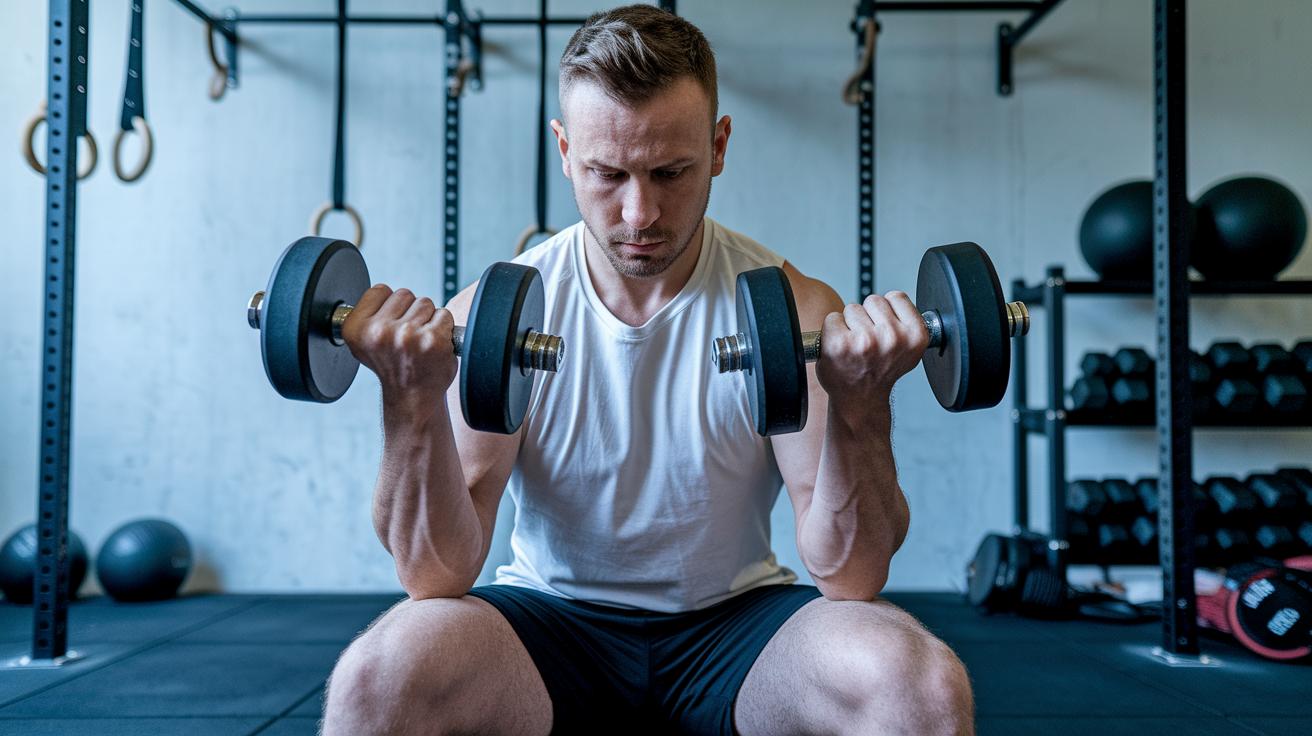
A well-rounded wrist workout uses different moves to work your hand, wrist, and forearm muscles. These exercises help with everyday tasks like gripping or lifting and can add extra power to your workouts. Mixing up your moves also helps keep your strength balanced.
- Wrist flick warm-up
- Seated wrist curls
- Reverse wrist curls
- Resistance-band wrist extensions
- Farmer’s carry holds
- Pinch-grip plate holds
Each exercise works a different part of your wrist and forearm while also training different ways to grip. The wrist flick warm-up gets both the muscles on the front and back of your wrist moving. It boosts blood flow and warms up your joints, much like stretching before a run. Seated wrist curls focus on the muscles on the palm side of your forearm, which are key when you need a tight, crush grip, think of shaking hands or holding a tool. Reverse wrist curls train the muscles along the back of your forearm, so you get balance on both sides.
Resistance-band wrist extensions use gentle tension to help strengthen the muscles on the back side of your wrist, keeping things even as you move. Farmer’s carry holds are great for building overall grip strength and endurance; they challenge not only your hands but also help your grip when holding onto things. Finally, pinch-grip plate holds target the smaller muscles in your fingers and thumb to boost your pinch grip. Adding these moves to your routine can make everyday tasks easier and add power to every move you make.
Progressive Overload And Training Frequency For Wrist Development
When you gradually add more weight, push for extra reps, or change the leverage, you're making your wrist workout more challenging. This slow increase helps your muscles adjust and build endurance. Each small step gives your wrists a little more strength with every session.
If you enjoy circuit training, try doing 3 to 5 exercises in 3 or 4 sets. Aim for 12 to 20 reps per set. This keeps your wrist muscles active and steadily builds both endurance and explosive power.
Ready for a tougher routine? Advanced moves like ring holds and handstands make your wrists work even harder to support your body. You can also blend wrist exercises into compound moves like chin-ups and deadlifts for a full-body challenge. This mix not only boosts wrist strength but also improves your overall fitness routine. As you explore these options, listen to your body and adjust the weight or rep count if needed. Taking small, steady steps helps you progress safely toward a strong, resilient grip.
Injury Prevention And Rehabilitation In Wrist Training

Wrist injuries happen more often than you'd expect when you do strength exercises. Heavy lifting or doing the same wrist motion over and over can put extra strain on the joints and muscles. Sometimes, you might feel only a bit of pain, but if you’re not careful with your form, you could hurt yourself more.
Injuries like sprains, small tears in the ligaments, and overworked tendons can occur if you push too hard with heavy or fast wrist movements. Using safe, step-by-step exercises and starting with lighter loads can help keep these problems at bay. After a workout, simple stretches and gentle mobility drills keep your wrist bones aligned and ready for your next session, lowering the risk of long-lasting issues.
Try these exercises to keep your wrists strong and flexible:
- Wrist flexor wall stretch
- Reverse stretch over the edge of a table
- Prayer-position carpal mobilization
- Finger-extension rubber-band holds
If your wrist pain or swelling sticks around, it might be time to see a physiotherapist. They can show you the best recovery exercises and help you get back to training slowly. Starting with easy, slow movements and adding weight or reps gradually lets your wrists adjust safely. Also, doing low-impact mobility drills throughout the day can help ease any discomfort while keeping your wrists flexible. Taking these steps stops small injuries from worsening and lets you stick to your training without hurting your wrists.
Equipment And Accessories For Enhanced Wrist Workouts
Looking to give your wrists a real boost? The key is having the right gear on hand. Resistance band workouts for wrist strength let you adjust tension for smooth movements, whether you're extending or bending your wrists. Pair these with dumbbell strength training to add some extra weight on your wrist curls, and try kettlebells for a different kind of challenge with their unique design. Wrist wraps keep your joints safe and steady during heavy lifts. And don’t forget hand grip strengtheners that tackle both pinch and crush motions, wrapping up a well-rounded wrist workout kit.
- Resistance bands: They help you control tension during wrist movements. Pick bands with different resistance levels so you can grow at your own pace.
- Dumbbells: Perfect for wrist curls that build muscle. Look for ones with a comfy, non-slip grip.
- Kettlebells: Great for testing your lever holds. Make sure the handle fits your hand comfortably for a balanced lift.
- Wrist wraps: These provide extra stability during heavy lifts. Choose wraps with adjustable compression for a personalized feel.
- Hand grip strengtheners: Ideal for boosting both pinch and crush grip power. Opt for models that let you increase resistance as you improve.
Integrating Wrist Strength Training Into Full-Body Routines

Adding wrist strength exercises to your workout plan can really boost your sports performance. When you blend wrist drills with presses, pulls, and lifts that need a strong grip, you end up with a balanced routine that builds both strength and flexibility. These moves help your wrists move naturally, which is key for the quick, dynamic actions in sports. Working both the muscles that bend (flexors) and those that straighten (extensors) your wrist means you build a tough, reliable grip that transfers energy smoothly during compound lifts and athletic moves.
One great way to start is with a quick wrist flick warm-up. Then, try doing wrist curls and reverse wrist curls alongside forearm exercises like farmer’s carry holds. After you’ve given your wrists some focused work, move on to compound lifts like chin-ups or deadlifts. This circuit-style method keeps your workout balanced and helps you mix wrist stability with overall body strength, making everyday athletic tasks feel a lot easier.
Tracking Progress And Long-Term Maintenance For Wrist Strength
Keeping track of your wrist workouts can really help you reach your goals. Try writing down the weights, sets, reps, and any pain you feel during each session. This simple log not only shows what you did but also helps you spot trends and adjust your routine when needed.
If you don’t have gym equipment yet, everyday items like water bottles can work just fine for adding extra weight. A quick activation routine every day keeps your gains strong and your wrists ready for tougher moves. Over time, you can set quarterly goals for wrist flexion strength and grip holds that make it easy to see your progress.
- Write down your workout details, including weights, sets, reps, and any discomfort.
- Use items like water bottles for extra weight and check your effort weekly.
- Practice a brief activation routine daily to keep your strength steady.
- Set clear quarterly targets for wrist flexion and grip hold performance.
Final Words
In the action, we've explored the core ideas of building strong, mobile wrists through careful planning, key exercises, and using the right tools. This post broke down exercises, progressive overload, injury safety, and ways to track gains for a lasting routine.
Remember, wrist strength training isn’t just about building power, it’s about smart moves, proper warm-ups, and balancing effort with recovery. Keep a steady approach, stay positive, and enjoy the boost in your daily vitality.
FAQ
How do you strengthen your wrists?
Strengthening wrists means engaging in targeted exercises like wrist curls and resistance-band extensions, paired with stretching routines two to four days weekly to boost mobility and reduce injury risk.
What are the best wrist strengthening exercises?
The best wrist exercises include wrist curls, reverse curls, resistance-band extensions, and grip holds, all designed to build strength and improve everyday performance safely.
How do you practice wrist strength training at home or in the gym?
Wrist strength training can be done both at home and in the gym by using basic equipment like dumbbells or resistance bands alongside bodyweight exercises and dynamic stretches.
Can weak wrists be improved or fixed?
Yes, weak wrists can be improved by consistently performing low-impact strengthening exercises, which gradually build muscle support and stability while helping to reduce discomfort.
Does weight lifting strengthen wrists?
Weight lifting can strengthen wrists if done with controlled movements and proper form, ensuring the muscles around the wrists are engaged without risking strain.
How do you strengthen wrists as you get older?
Strengthening wrists with age involves using low-impact exercises and proper warm-ups to gradually build muscle strength while ensuring safety and reducing the chance of injury.
Where can I find wrist strength training PDF resources?
Wrist strength training PDFs are available online at reputable health sites, offering detailed routines, stretching guides, and safety tips to support both at-home and gym workouts.

