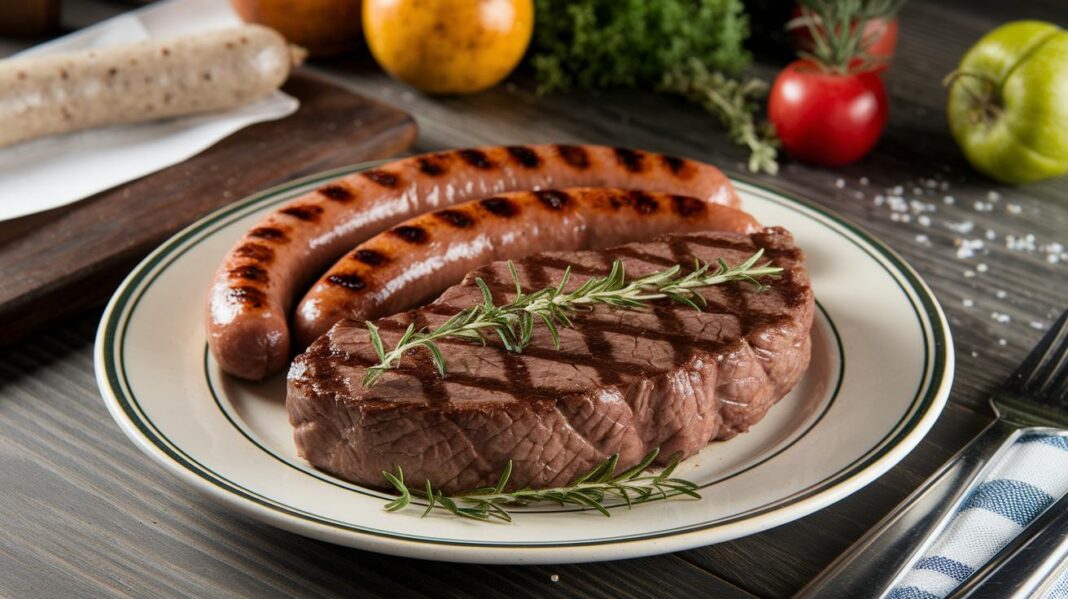
Have you ever thought about trying a meat-only meal plan to boost your energy? A carnivore diet focuses on fatty cuts, eggs, and bone broth that can help your body use fat as fuel. Many people say that when they replace carbs with hearty meat dishes, they feel clearer and more energetic. This way of eating may also help with weight loss, ease inflammation, and keep your joints comfortable. In this post, we'll show you a simple daily meat plan to help fuel your body with strong, animal-based foods.
Carnivore Diet Meal Plan: Bold Meat Meals
This meal plan is all about eating animal-based foods and skipping any plant items. You’ll stick with fatty cuts of meat, eggs, and bone broth, and cook using animal fats like lard or tallow. Many people on this plan say they have steady energy all day because their body enters a state called ketosis when carbohydrates are kept very low. The focus is on simple, robust foods seasoned only with salt and pepper.
This plan can help with weight loss, keeping your energy steady, and even lowering inflammation. By eating foods rich in fatty acids, some folks notice their mind feels clearer too. It’s all about letting your body burn fat for fuel through ketosis. Just keep in mind that you might need to watch out for a lack of vitamin C and fiber, which can sometimes cause digestion issues.
This overview gives you a clear daily structure to hit your main nutrition targets. By focusing only on meats and other animal-based products, the plan aims to improve things like joint health and mental clarity. Just remember to monitor your sodium and saturated fat intake carefully. By choosing nutrient-dense cuts and keeping things simple, you set up a strong, meat-only eating strategy that fuels both your body and your focus.
7-Day Meat Regimen Guide for Carnivore Meal Plans

This plan shows you an easy way to set up your daily meals using hearty, protein-rich animal foods. Every day begins with a unique breakfast, then comes a steady lunch of warm bone broth paired with a turkey burger, and finishes with a dinner that blends bison steak with sautéd shrimp.
Take a look at the meal schedule below:
| Day | Breakfast | Lunch & Dinner |
|---|---|---|
| Day 1 | Steak and eggs | Bone broth with turkey burger; Bison steak with sautéd shrimp |
| Day 2 | Feta cheese omelette | Bone broth with turkey burger; Bison steak with sautéd shrimp |
| Day 3 | Poached eggs with bacon | Bone broth with turkey burger; Bison steak with sautéd shrimp |
| Day 4 | Kefir with two eggs over medium | Bone broth with turkey burger; Bison steak with sautéd shrimp |
| Day 5 | Chicken livers and scrambled eggs | Bone broth with turkey burger; Bison steak with sautéd shrimp |
| Day 6 | Chicken and feta omelette | Bone broth with turkey burger; Bison steak with sautéd shrimp |
| Day 7 | Bacon and eggs | Bone broth with turkey burger; Bison steak with sautéd shrimp |
With this clear schedule, you can easily stick to a meat-only plan that meets your nutritional needs without getting boring. Enjoy each meal knowing you're fueling your body with quality foods every day.
Structuring Your 30-Day Carnivore Schedule
Start by turning your 7-day plan into a full month by switching up the protein sources each week. In the first week, try grass-fed steaks that pack a good mix of natural fats and proteins. In week two, change it up with fatty fish like salmon and sardines. These fish keep your macro balance in check, about 60-70% fat and 30-40% protein. In week three, add organ meats like liver and kidney to boost your intake of vital micronutrients. For week four, mix in poultry along with other proteins to keep things interesting.
Throughout the 30 days, remember to adjust your portion sizes based on your hunger and how active you feel. This flexible plan makes sure your body gets just the right amount of fuel, whether you're moving a lot or taking it easy. Even if you decide to eat a bit more on some days, sticking to your overall fat and protein goals will help keep your energy steady and manage your hunger.
Rotating your proteins each week and adding in organ meats a couple of times not only keeps meals exciting but also adds a wider range of micronutrients. This schedule makes it easier to stick with your nutrition goals while keeping your meals balanced and enjoyable.
Grocery & Ingredient Guide for a Low-Cost All-Meat Plan
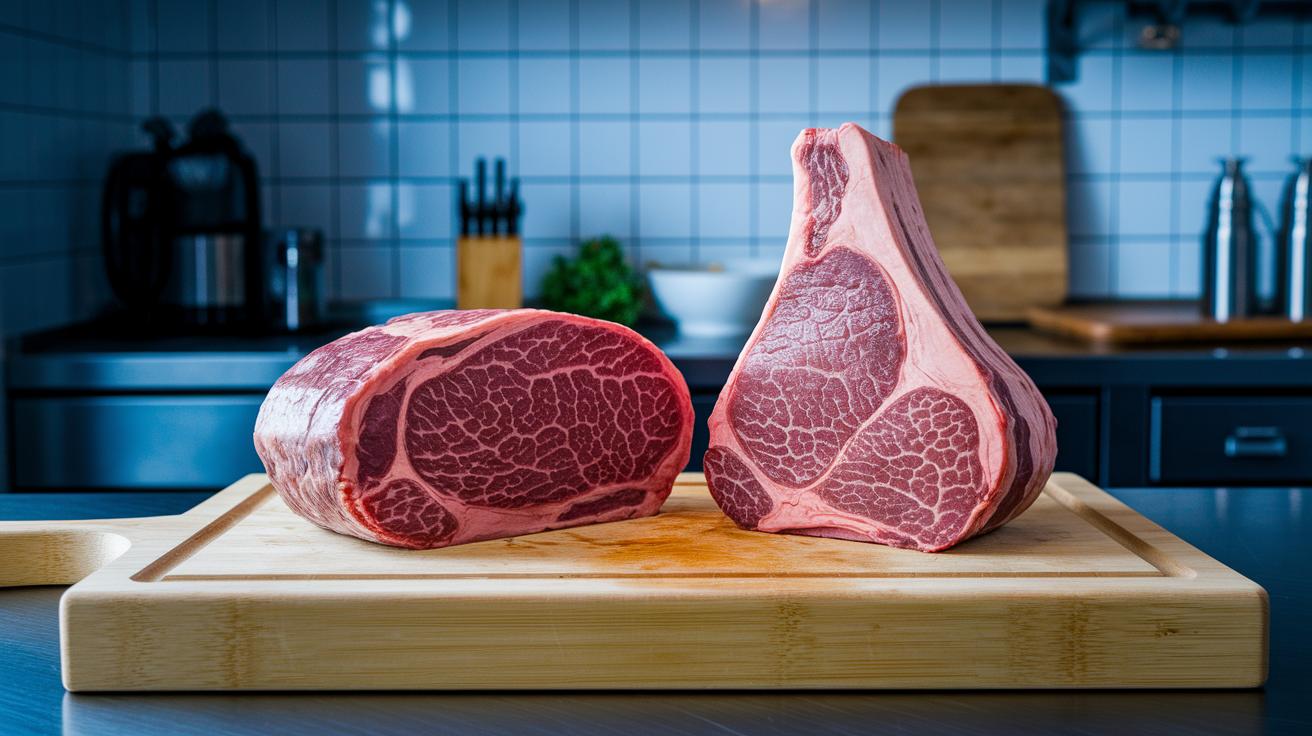
When planning your meat-only meals, buy in bulk from wholesale clubs or local butchers. Look for grass-fed beef cuts like NY strip, ribeye, and t-bone. Keep an eye out for bargains on 80/20 ground beef and pork chops so you can enjoy top-quality meat without overspending. Really, it's like finding a great sale on a frozen ribeye that makes you feel like you've snagged an awesome deal.
Don’t forget to add a few extra items that fit your meat plan and your budget. Consider picking up fatty fish such as salmon or sardines along with eggs and bone broth packets. If you handle dairy well, a bit of grass-fed butter or some aged cheese can be a delightful bonus. Imagine grabbing a bone broth packet off a cleared-out freezer shelf for a quick, hearty meal.
Plan your shopping by also including cooking fats like lard and tallow along with basic seasonings, salt, pepper, and dried herbs, to keep things simple. You could save even more by buying frozen meat packs on sale, joining a meat co-op, or trying out a meat subscription service. Think of a meat subscription as having your favorite butcher deliver quality cuts straight to your door without costing too much.
Macronutrient Breakdown & Nutrient Concerns on a Carnivore Plan
Most meat-eaters on this plan aim to get about 60-70% of their calories from fat, 30-40% from protein, and less than 5% from carbohydrates. This balance helps your body stay in ketosis, a state where it burns fat for energy while keeping your muscles strong. It’s interesting to note that many athletes have once credited their performance to a carefully balanced mix of fats and proteins, showing that a little planning really makes a difference.
While a high fat intake helps maintain steady energy and hormonal balance, there are a few nutrient issues to keep an eye on. One common concern is getting enough vitamin C. If you find yourself feeling extra tired or notice changes like gum bleeding, it might be a sign to check your vitamin C levels since this nutrient is important for keeping your immune system and tissues healthy.
Also, eating only meat means you miss out on fiber, which helps your digestion work smoothly. Without fiber, some people might feel bloated or experience constipation. Adjusting the size of your meals or adding a fiber supplement could be a good way to ease these digestive challenges.
Finally, the high levels of sodium and saturated fat in a carnivore diet can lead to increased cholesterol and a higher risk of heart issues. Keeping track of your blood lipids and adding electrolytes like sodium, potassium, and magnesium to your routine can help. This careful balance not only fuels your body for the day-to-day but also supports long-term heart health.
All-Meat Meal Plan Tips for Beginners

Give yourself about two weeks to try out this plan and see how your body reacts. Keep a simple journal of your energy, mood, and how your digestion feels. In the beginning, you might notice signs like a headache or feeling tired, a bit like what people call the keto flu. Drinking more water and adding a little extra salt can help your body adjust as it starts to use fat for fuel.
Slowly boost the amount of fat in your meals so you can feel full for longer. Cooking with animal fats like lard or tallow not only makes your food taste richer but can also help keep hunger at bay. Instead of sticking to strict meal times, listen to your hunger. Let your body tell you when it’s ready for the next bite and adjust your meal schedule to match your daily energy.
Watch how you feel and make changes to the portion sizes if needed. It might take a few days to fine-tune your meals until you feel both energetic and satisfied. Noticing these small changes can teach you a lot, helping you ease into an all-meat eating plan that fits just right with your lifestyle.
Final Words
In the action, this article broke down a clear picture of how a meat-only plan works, from a quick meal snapshot to a detailed 7-day and 30-day all-meat regimen. It showed smart shopping tips, macronutrient targets, and practical advice for newcomers. Each section links how small changes can power personal health when embracing an all-meat routine. Enjoy the journey with a balanced carnivore diet meal plan and make choices that boost your energy and well-being!
FAQ
What does carnivore diet meal prep mean?
The carnivore diet meal prep means planning and preparing meals that include only animal-based foods like fatty meats, eggs, and simple seasonings. This method ensures convenience, consistency, and clear food choices.
How do I access a 30-day carnivore diet meal plan or its free PDF download?
The 30-day carnivore diet meal plan outlines a complete month of meat-only menus with variety and clear instructions. Often, free PDF downloads offer a ready-made guide to structure your all-meat eating style.
What is included in the carnivore diet food list?
The carnivore diet food list covers key animal protein sources such as beef, pork, poultry, fish, and eggs, with emphasis on natural fats and minimal seasonings to keep meals simple and protein-focused.
What does a beginner’s carnivore diet meal plan look like?
A beginner’s carnivore diet meal plan offers a two-week trial schedule that eases you into meat-only eating. It typically suggests starting with gradual fat increases, monitoring how you feel, and adjusting your meal portions accordingly.
What does a carnivore diet 7-day meal plan consist of?
The carnivore diet 7-day meal plan provides a structured week-long menu featuring options like steak and eggs for breakfast, homemade bone broth with a turkey burger for lunch, and bison steak with shrimp for dinner.
How is a female carnivore diet meal plan tailored?
The female carnivore diet meal plan adjusts portion sizes and nutrient focus to better support energy levels and hormonal balance. It emphasizes high-quality animal proteins and fats suited to individual female wellness needs.
What does a typical day on the carnivore diet look like?
A typical day on the carnivore diet means eating meals solely stocked with animal-based foods. For instance, you might start with bacon and eggs, enjoy a hearty bone broth or meat-based lunch, and finish with a fatty, satisfying dinner.

