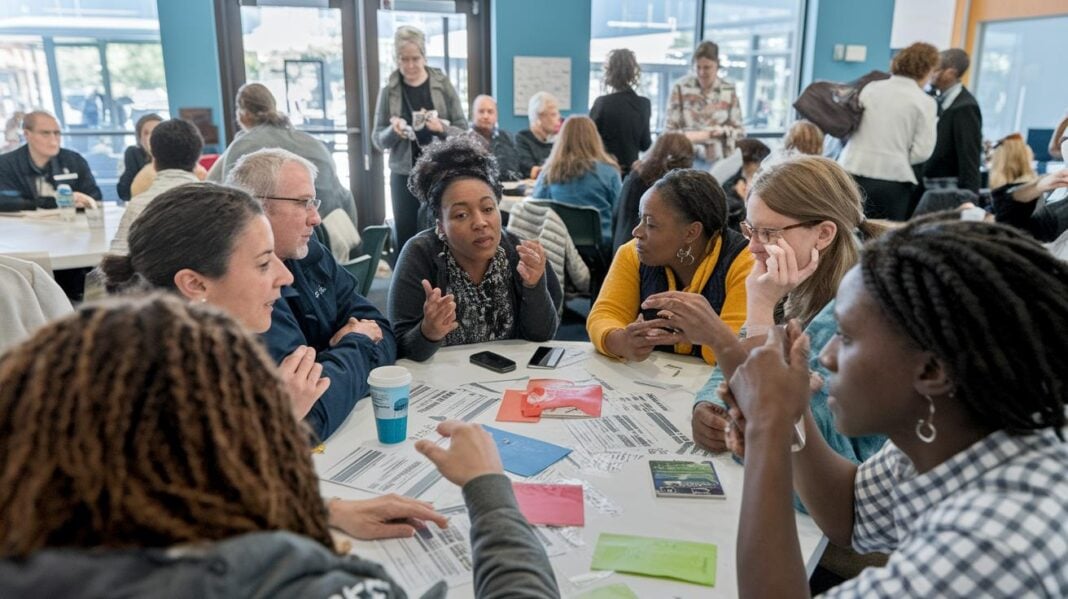
Have you ever wondered if a local meetup could transform your health? In neighborhoods everywhere, new programs are offering early screenings, quick vaccinations, and down-to-earth advice that can keep illnesses away.
Local health teams and community leaders are working together to share easy-to-understand, useful tips. They make sure that taking care of your health starts at home. This early action approach not only saves money over time, but it also helps everyone live a healthier, more informed life.
How Community Programs Drive Preventive Care Innovations
Across many neighborhoods, fresh programs are changing how we handle our health by focusing on early screenings, vaccinations, and quick detection. These preventive care initiatives team up with local efforts to teach people how to stay ahead of chronic illnesses and keep communities strong.
Local health partners are working hand in hand with community mobilizers to fill in gaps, especially in areas that need extra support. This friendly approach not only helps lower long-term health costs but also gives everyone the tools to make smart decisions about their own care.
Community leaders are at the heart of these efforts, making sure education and early testing remain a top priority. By mixing tried-and-true methods with community spirit, regular check-ups and early actions lead to better health outcomes that everyone can feel.
In truth, these innovative programs empower residents with clear information and up-to-date data, fostering a culture where preventing illness is as important as treating it. Experts agree that this blend of community action and practical health strategies is key to staying ahead of new health trends and turning challenges into opportunities for a healthier future.
Implementing Advanced Risk Reduction Workshops in Community Hubs
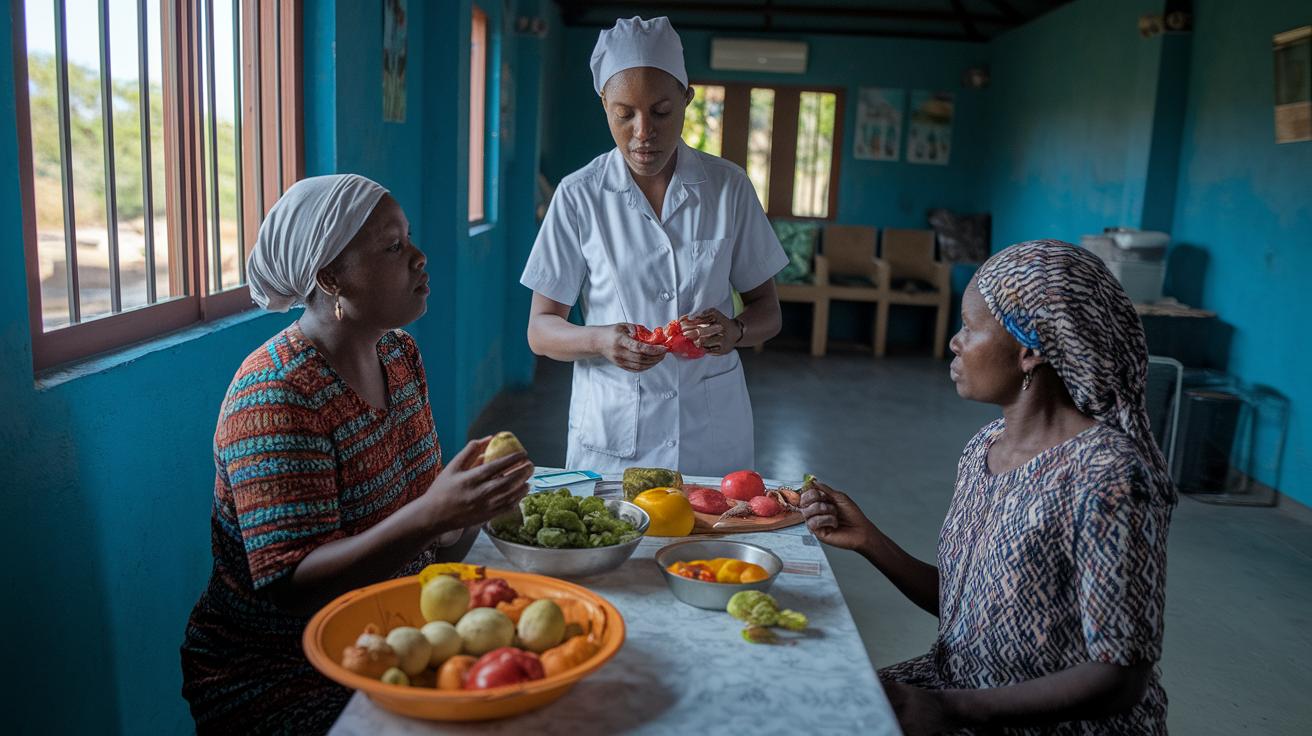
Neighborhood centers are quickly becoming places where folks can join risk reduction workshops. These sessions are especially key in rural areas where there are very few health professionals. Local health workers run these workshops and share practical advice in a simple, hands-on way.
These community spots feel familiar and are easy to reach, which makes them a perfect fit for learning about health risks. When communities face big workforce gaps, these workshops help fill the void and make health tips more accessible.
In some areas, nutrition is a serious challenge. For example, in 16 states, over 35% of people battled obesity in 2021. That’s why clear and friendly nutritional advice is a big part of these workshops. By linking healthy eating lessons with self-care tips, residents can learn to build small, manageable routines that add up to long-term benefits.
Holding self-care workshops in local centers not only helps when there aren’t enough care professionals around, but it also gives community members the confidence to look after themselves. Mixing these risk reduction sessions with regular outreach meets both immediate needs and future challenges, paving the way for a healthier, more aware community.
Case Studies of Trailblazing Neighborhood Health Initiatives
Real-world examples show how local programs are stepping up to make preventive care more accessible. These stories highlight different ways communities bring important services right to people’s doorsteps. Each case study features a unique approach that uses community partnerships and direct service delivery to boost health outcomes.
Essentia Health’s We Are Resourceful Program
Started in 2021, this program works in Wisconsin, Minnesota, and North Dakota. It connects people with thousands of free or low-cost services using an easy-to-navigate public directory. This simple method has helped build stronger community bonds while making essential health and social services more available.
John Muir Health’s Beyond Violence Program
John Muir Health’s initiative brings care right to the bedside. Specialists help survivors by linking them with mobile clinics, mental health resources, housing support, and job opportunities. By combining immediate aid with long-term assistance, this program supports individuals in crisis and builds a broader preventive care network.
University Hospitals’ UH Food for Life Markets®
At UH Food for Life Markets®, patients are gently screened for food insecurity during their visits. Those in need are then referred to one of five markets that offer free fresh produce and even consultations with a dietitian. This approach fills nutritional gaps, which can be a big part of preventing chronic health issues, showing that good food is key to overall well-being.
Munson Healthcare’s TC Street Medicine Program
Expanded in 2020, the TC Street Medicine program brings care directly to unhoused individuals twice a week. Teaming up with local clinics and outreach groups, the initiative provides both medical and social services where they’re needed most. This hands-on method helps reduce barriers to care and fosters improved community health.
Palomar Health’s Forensic Health Services and Trauma Recovery Center
Open 24 hours a day, this center offers comprehensive care for survivors of abuse. With services that include case management and mental health support, the program aims to cut down on repeat emergency visits and boost long-term health. This round-the-clock commitment offers crucial help, building resilience throughout the community.
Leveraging Digital Monitoring Platforms and Remote Consultation Services for Community Preventive Care
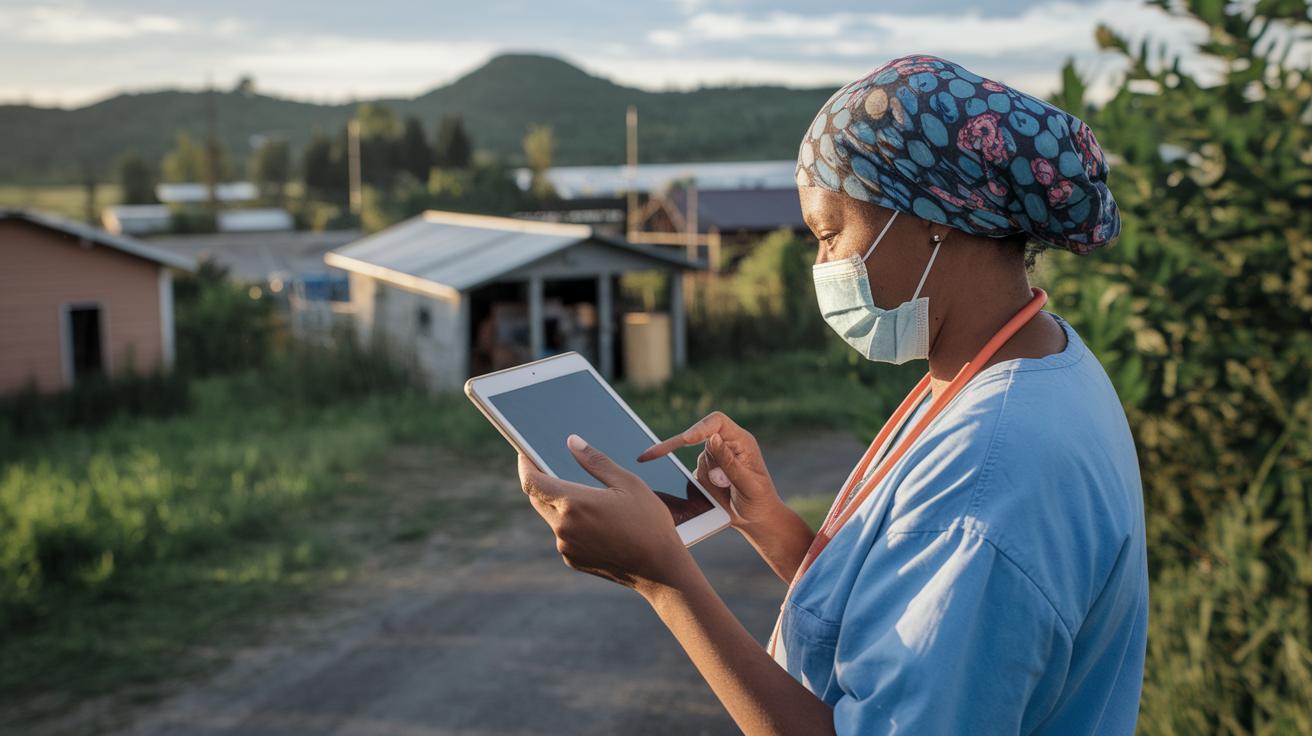
Digital outreach programs are changing the game when it comes to getting preventive care. Through friendly webinars, telehealth visits, and online campaigns, people can easily connect with experts regardless of where they live. In rural communities, this means residents can quickly access valuable health advice without being limited by distance.
Health tracking apps and wearable devices work hand in hand with these digital services. They collect real-time data about daily health habits (like steps taken or heart rate) and offer personalized tips. This steady flow of information helps both patients and local health workers adjust daily routines, making it all a bit easier to stick to healthy practices.
Some mobile clinics have even started offering services in the evenings and on weekends. One such model saw a 30% boost in catching chronic diseases early over two years. Remote consultations further support this effort by allowing quick advice whenever new symptoms come up. Together, these digital tools and services help spread timely care and keep communities healthier.
Evaluating Preventive Impact: Metrics and Outcomes in Community Programs
When we check how well our community programs are doing, we look at key numbers like how many people join, fewer emergency room trips, and more regular check-ups. We also study how people use these services to make sure our plans match the best ways to prevent health issues. Regular meetings with clear data help us adjust programs fast to meet what the community needs.
For example, faith-based outreach has led to a 40% jump in routine check-ups, while mobile clinics have uncovered chronic diseases 30% more often in their early stages over two years. By reviewing our impact data several times and keeping an eye on how services are used, our community programs stay fresh and effective. Leaders meet often with the latest data to keep preventive care strong and to make real improvements.
- 20% increase in participation rates
- 15% reduction in emergency room visits
- 25% growth in routine check-ups
- 40% boost in faith-based outreach preventive appointments
- 30% rise in early chronic disease detection
- 10% improvement in overall service utilization rates
Best Practices for Community Partnership Initiatives and Policy Implications in Preventive Care

When hospitals, local leaders, schools, and faith groups work together, preventive care really takes off. They build trust and create support networks that keep community health programs strong. By teaming up, communities can draw on many different resources and tackle local issues with fresh, creative ideas.
Regular check-ups, or community health risk audits (a simple review of local health risks), give us clear insights into what our neighbors need. These audits show where services might be missing and help shape new, practical policy ideas. They also boost teamwork across different groups, so local teams can plan focused actions that really make a difference.
At the policy level, trying out new ideas can change how we think about preventive care. When local decision makers work on these projects, they fine-tune plans that support strong teamwork among all community groups. With clear guidelines and ongoing talks with policymakers, these collaborations thrive. This steady, open dialogue ensures that our community health projects stay both smart and ready for the future.
Final Words
In the action, this piece highlights how community initiatives spark healthier living by promoting screenings, early disease detection, and wellness data that can shape everyday health choices. The discussion spans neighborhood programs, risk reduction workshops, and digital monitoring that together pave the way for lasting health impacts.
This article showcases innovative community programs promoting preventive care while emphasizing the value of a united, data-informed approach. The collaborative spirit of these initiatives shines through, leaving a sense of hope and practical clarity for smarter, healthier days ahead.
FAQ
What are examples of community health promotion and prevention programs?
The examples of community health promotion and prevention programs include health fairs, free screenings, nutrition workshops, and exercise sessions that encourage healthy lifestyles in neighborhoods.
What are effective community-based interventions for mental health?
The examples of community-based interventions for mental health include local counseling sessions, support groups, and community outreach efforts that provide accessible mental health resources.
What are some community health project ideas for nursing students?
The examples of community health projects for nursing students include organizing health education events, running free screening clinics, and partnering with local groups to offer wellness workshops.
What are community prevention programs?
The community prevention programs are initiatives focusing on early detection measures, immunizations, and health screenings designed to reduce the risk of chronic conditions.
How can you promote preventive care?
The ways you promote preventive care include hosting local workshops, leveraging digital platforms, and encouraging regular check-ups and vaccinations to educate and engage community members.
What are examples of preventive care services?
The examples of preventive care services include routine check-ups, screenings, immunizations, and flu shots that help detect health issues early and maintain overall well-being.

