
Ever wonder if changing what you eat could help soothe an upset stomach? Some people find relief by cutting back on certain carbs that often cause gas and bloating.
The FODMAP diet works by taking these foods out for a little while and then slowly adding them back one by one. This helps you figure out which foods might be causing discomfort. With nearly one in ten Americans facing similar issues, this approach gives many a chance to find a calmer, happier belly.
What Is the FODMAP Diet and How It Eases Digestive Discomfort
The low FODMAP diet focuses on certain carbohydrates that can be tricky for our bodies to absorb. These carbohydrates, like oligosaccharides, disaccharides, monosaccharides, and polyols, sometimes pass through our system without being fully digested. When they reach the large intestine, they can ferment and cause gas, bloating, and stomach pain.
Originally developed by researchers at Monash University in Melbourne, this approach was created to help people with irritable bowel syndrome (IBS), a condition that touches about 1 in 10 Americans. The idea is simple: first, you cut out high-FODMAP foods like cow’s milk, some fruits, and a few grains that are known to cause discomfort. Soon, many people see less cramping and fewer sensitivity issues.
For example, someone who often suffers from bloating might try lactose-free dairy options instead of regular milk. This small change can lead to a noticeable improvement in how they feel. In truth, the diet works by temporarily removing those hard-to-digest carbohydrates and then slowly reintroducing them to see which ones cause symptoms.
Overall, the low FODMAP diet offers a practical way to ease digestive discomfort, making it easier for people to feel better and enjoy life with a calmer, happier tummy.
fodmap diet Sparks Digestive Relief
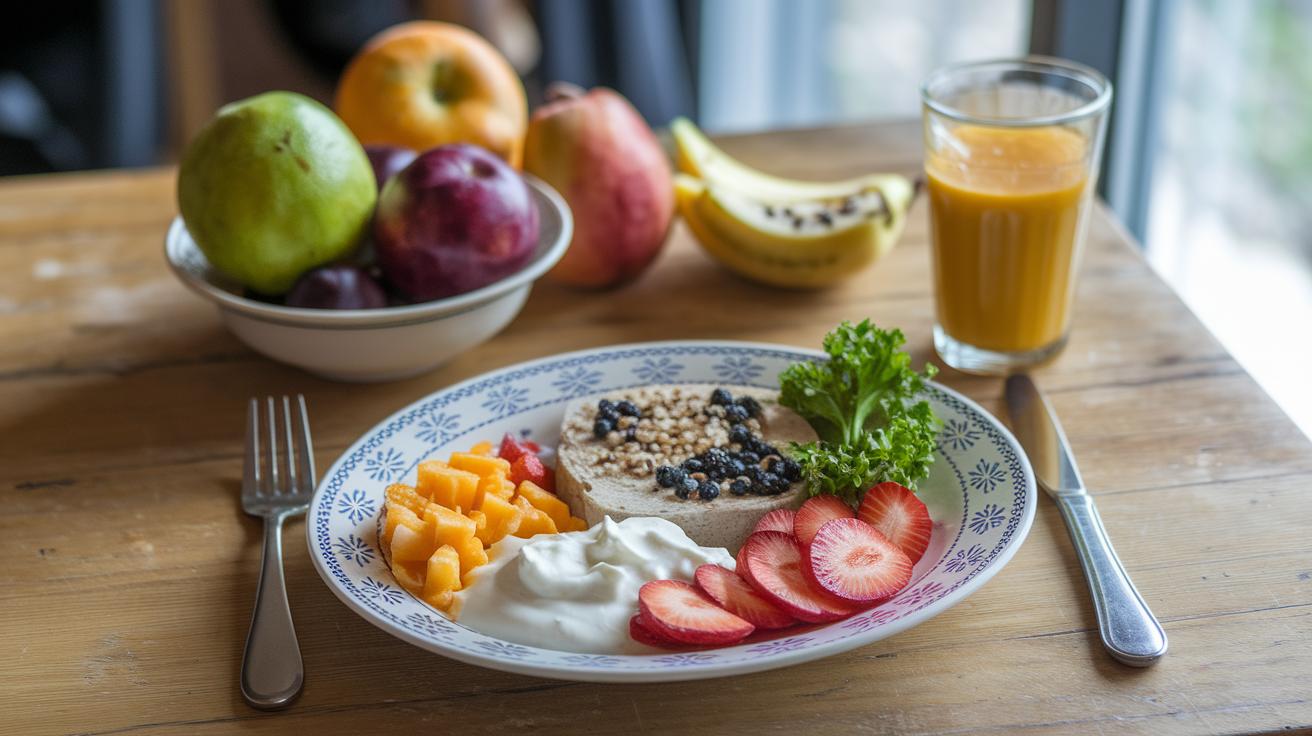
FODMAPs are specific carbohydrates that can be hard for our bodies to break down. When we eat them, they often aren’t fully digested and end up in the gut where they ferment, kind of like fiber does, creating extra gas and drawing in fluids. This can sometimes cause real discomfort, especially if you have a sensitive stomach.
There are five main groups of these fermentable carbs. You’ve got fructans (found in foods like wheat and garlic), galacto-oligosaccharides (in legumes), lactose (the sugar in dairy), excess fructose (in honey and apples), and polyols (in stone fruits and sugar alcohols). For example, garlic might lead to bloating because of its fructans, while apples could trigger similar issues due to their extra fructose.
Cutting back on these troublesome carbs can really help ease symptoms. When you follow a low-FODMAP diet, you slowly replace those hard-to-digest ingredients with alternatives that are friendlier to your gut. The goal isn’t to lose fiber entirely, just to find a balance that reduces discomfort. Many people have found that choosing lactose-free dairy makes their daily routine much more comfortable.
Understanding how these carbs work gives you a clear path to relief. Keeping a food diary can point out exactly which FODMAPs are triggering your symptoms, letting you make smarter choices over time. This simple method not only helps ease symptoms like bloating but also builds your confidence in managing your gut health every day.
Foods to Include and Avoid in the FODMAP Diet: Restricted Ingredients Chart and Allowed Food List
When you know which foods might upset your stomach versus those that help calm it, shopping and planning meals gets a whole lot easier. For instance, swapping regular cow’s milk for lactose-free or almond milk can ease digestive stress, like picking the right shoes for a long walk.
Take a look at the chart below. It neatly lines up foods high in FODMAPs with friendlier alternatives. This simple guide lets you quickly see what to avoid and what you can enjoy. Many people even notice less bloating and a calmer tummy after making these changes.
Choosing low-FODMAP options means you can enjoy a variety of flavors while taking care of your gut. For example, fruits like strawberries or kiwi can replace apples and pears. And if you’re craving a good crunch, opt for peanuts, macadamia nuts, or pine nuts instead of pistachios or cashews. When it comes to veggies, bell peppers and spinach are gentle choices that won’t upset your stomach.
| Category | High FODMAP Examples | Low FODMAP Alternatives |
|---|---|---|
| Dairy | Cow’s milk, yogurt | Lactose-free dairy, rice milk, almond milk, coconut milk |
| Fruits | Apples, pears | Strawberries, kiwi |
| Nuts & Seeds | Pistachios, cashews | Peanuts, macadamia nuts, pine nuts |
| Vegetables | Onions | Bell peppers, spinach |
| Grains | Wheat, rye | Gluten-free grains (brown rice, quinoa) |
Step-by-Step Elimination Phase in a FODMAP Diet

The elimination phase usually lasts between 2 and 6 weeks. It’s a good idea to start by writing down and cutting out foods that are high in FODMAPs because they can upset your stomach. In other words, take a little time to check your pantry and menu for items like cow’s milk, certain fruits, or wheat-based products that might cause discomfort.
- First, clear out any high-FODMAP foods.
- Next, swap them with low-FODMAP alternatives, like lactose-free milk or gluten-free grains.
- Then, keep a daily journal to track what you eat and note any changes in how your tummy feels.
- After that, watch your symptoms closely; see if you notice less bloating or abdominal pain.
- Finally, consider talking with a dietitian who can help you add enough fiber and support your healthy gut.
Keeping a detailed diary can be really helpful. It not only shows which foods make you feel better but also gives you useful information to share with a nutrition expert. For example, if you find that switching from regular yogurt to a lactose-free version helps ease your discomfort, that’s a great sign. Just remember, while leaving these foods out might help with your symptoms, it might also reduce the fiber your gut needs. A health professional can offer smart ways to add fiber while keeping your stomach happy. By monitoring each change, you make this phase a key part of managing your digestive sensitivity.
Guided Reintroduction Protocol and Symptom Tracking Methods for the FODMAP Diet
After you finish the elimination phase, it’s time to slowly bring back each FODMAP group. Start with one food group at a time over a three-day trial period. On the first day, try a small serving, think of it as dipping your toes in. For instance, a little spoonful of lactose-free yogurt can help you see how your gut reacts.
On Day 2, bump up the serving to a regular portion. Then, on Day 3, pay close attention to any changes in your digestion. Write down how you feel, especially if you notice bloating, cramping, or gas.
Here’s a simple way to do it:
| FODMAP Group | Action Steps |
|---|---|
| Oligosaccharides | Start small, then increase, and track symptoms |
| Disaccharides | Start small, then increase, and track symptoms |
| Monosaccharides | Start small, then increase, and track symptoms |
| Polyols | Start small, then increase, and track symptoms |
Keeping a detailed food diary during these trials is really helpful. It lets you see which foods your body tolerates best and where you might need to adjust. For example, if a small serving of fructose leaves you feeling off, you might decide to limit it or try reintroducing it later. This careful tracking helps shape a long-term diet plan that truly works for you.
Sample 30-Day FODMAP Diet Meal Plan and Recipe Highlights

Imagine having a whole month of meal ideas that are both tasty and kind to your gut. In the first week, you'll start with simple and satisfying dishes. For breakfast, try almond milk overnight oats with blueberries. Blueberries are low FODMAP, meaning they're easy on your stomach, and they add a natural, sweet burst. At lunch, enjoy a chicken stir-fry with bell peppers and zucchini served over rice. This dish gives you lean protein and colorful veggies that are gentle on your digestive system. For dinner, think of grilled salmon paired with roasted eggplant and steamed spinach, a meal full of nutrients and good for your tummy.
In weeks two to four, the menu gets even more fun with creative recipes. Picture yourself with turkey lettuce wraps that are refreshingly light when you’re on the move. There’s also a spinach-feta frittata, a savory treat that mixes rich flavor with ingredients that won’t upset your gut. And if you miss pasta, try zucchini noodles topped with a bit of pesto, a fresh twist on a classic dish.
Feel free to swap ingredients if you need a change. If rice feels too heavy sometimes, you can use quinoa instead for extra protein and fiber. Or, if dairy is a problem, mix in some lactose-free yogurt in your dressings. This way, you always have balanced, belly-friendly meals.
For those who love to plan ahead, check out the digital meal planner at https://healthlystats.com?p=28. It helps you set up your weekly menus and keeps track of your progress. Enjoy your month of delicious, gut-soothing meals, and remember to keep things fun and flexible with every bite.
Dietitian Tips, Common Pitfalls, and Long-Term Maintenance for the FODMAP Diet
Registered dietitians suggest taking small steps when changing your diet, and they remind you to watch your portions and drink enough water. They also caution that while reducing some foods can help you feel better, cutting them out too quickly might mean missing out on important fiber. Think of it like trying to drive a car with little fuel, your body needs that fiber to run smoothly.
It really helps to make gentle shifts in your eating habits. Instead of eliminating all high-FODMAP foods at once, start by reintroducing them slowly. This way, you keep your meals balanced and enjoy a variety of foods. Consider this quick checklist:
- Ease into changes instead of making huge, overnight adjustments.
- Keep a daily diary of what you eat and how you feel to find out which foods support your gut health.
- Regularly check which foods work best for you and try adding new ones gradually for a balanced diet.
For long-term success, it's important to review your progress from time to time. And if you're unsure, don't hesitate to talk to a healthcare professional. Balancing your favorite foods with new, gentle options can help keep your digestive system happy while you still enjoy a wide range of foods.
Personalized Resources for the FODMAP Diet: Printable Shopping Guide and Community Support
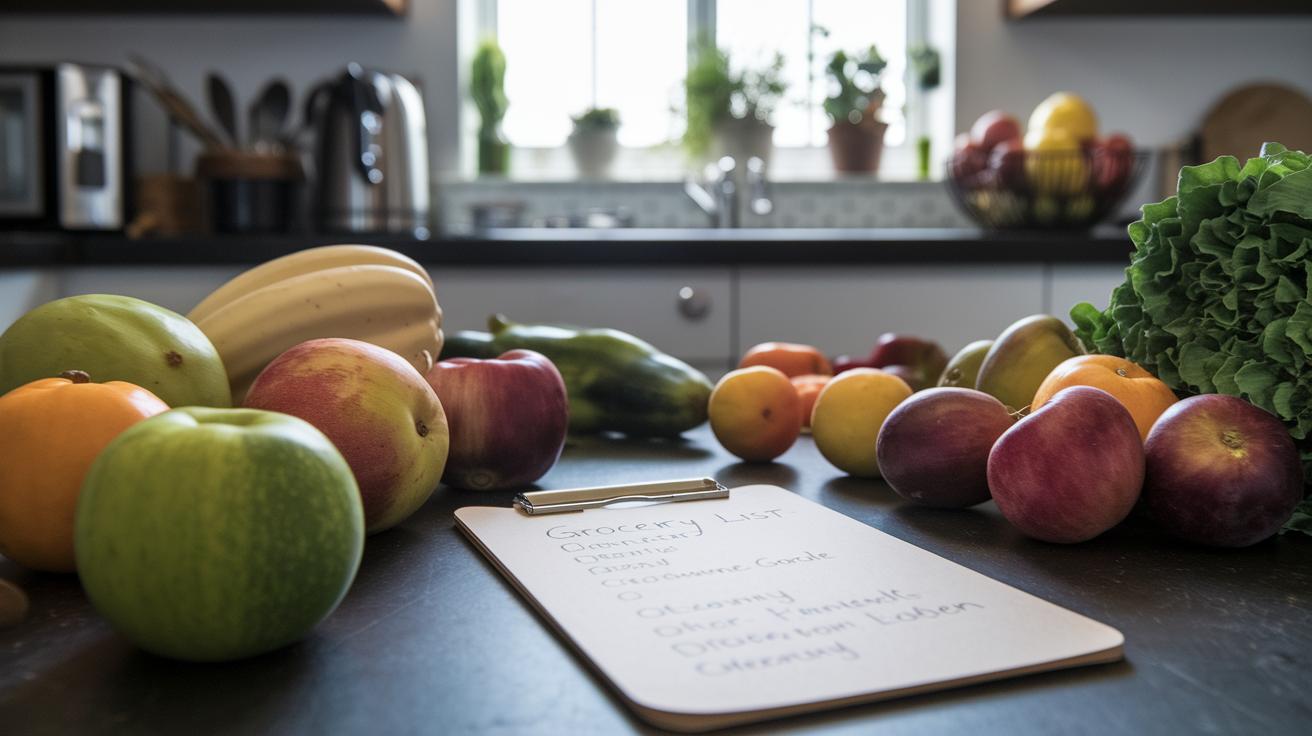
Printable low-FODMAP grocery lists can really simplify your shopping trips. They give you a clear checklist of what to pick up so you don't have to second-guess your choices. For instance, try downloading a guide like a "grocery list for healthy eating" to make your weekly trips smoother.
Digital organizers are also a big help when managing your meals. They let you plan both the elimination phase and the reintroduction phase of your diet. Plus, adding gentle reminders to update your food diary can keep you on track as you adjust your meals.
Local support groups and online forums provide a friendly boost too. You get to join dietitian-led webinars, hear success stories, and pick up practical tips. These communities also offer interactive meal planners, which means you can stay engaged and motivated while enjoying a more connected low-FODMAP journey.
Final Words
In the action the blog breaks down what the FODMAP diet is and how it helps ease digestive discomfort. It covers which fermentable carbs to limit, offers a food list to follow, and guides you through an elimination phase. Then it shows how to reintroduce foods with careful tracking and a 30-day meal plan. Helpful tips and printable resources make this approach simple and accessible. This fodmap diet guide gives you clear steps for more comfort and daily vitality.
FAQ
Q: What are some FODMAP diet recipes available?
A: The FODMAP diet recipes include balanced meals like almond milk overnight oats, chicken stir-fry with bell peppers, and grilled salmon with steamed spinach, designed to reduce digestive discomfort while keeping nutrition in check.
Q: What is included in a FODMAP diet food list and chart?
A: The FODMAP diet food list and chart outline safe choices such as lactose-free dairy, gluten-free grains, certain low-FODMAP fruits and veggies, and advise avoiding items like cow’s milk, apples, and high-FODMAP nuts.
Q: Where can I find a FODMAP diet PDF or printable guide?
A: The FODMAP diet PDF and printable guides offer charts and food lists to help simplify grocery shopping and meal planning, making it easier to stick to low-FODMAP options.
Q: How does the low-FODMAP diet work for IBS?
A: The low-FODMAP diet works for IBS by eliminating fermentable carbs for a few weeks and then gradually reintroducing them, which helps identify triggers and reduce bloating, gas, and abdominal discomfort.
Q: What can you eat on a FODMAP diet?
A: The FODMAP diet allows foods like lactose-free dairy, gluten-free grains, safe fruits, and specific vegetables that are low in fermentable carbs, helping to ease gut sensitivity and support better digestion.
Q: What is the most common FODMAP trigger?
A: The most common FODMAP trigger often involves lactose or fructose-rich foods, as these can ferment in the gut and may lead to symptoms like bloating and discomfort in sensitive individuals.
Q: What is an example of a low-FODMAP diet meal plan?
A: An example low-FODMAP meal plan might feature breakfast with almond milk overnight oats, a lunch of chicken stir-fry with rice and veggies, and a dinner of grilled salmon with steamed spinach, providing balanced nutrition.
Q: Is peanut butter allowed on a FODMAP diet?
A: The FODMAP diet typically allows peanut butter when eaten in moderation, as peanuts are considered low-FODMAP; however, it’s best to check proper serving sizes to avoid possible symptoms.
Q: How do beginners start with the low-FODMAP diet and what resources does the NHS offer?
A: The FODMAP diet for beginners starts with an elimination phase, detailed food lists, and printable guides, while the NHS provides practical charts and trusted advice to support safe and gradual dietary changes.

