
Ever thought that working out right after eating might be slowing you down? Research tells us that waiting a bit can boost your energy and help ease any tummy troubles. Depending on the size of your meal and what you ate, a wait of anywhere from 30 minutes to 4 hours might be just right.
In this post, we'll chat about why timing matters and share some easy tips to adjust your routine so you feel refreshed and ready for every workout.
Optimal Interval to Work Out After Eating
If you want to feel your best during a workout, it helps to wait a bit after eating. After a big meal, experts say you should wait about 2 to 4 hours. This gives your body time to digest the food, like the carbs, proteins, and fats, so you won’t feel sluggish. In fact, working out too quickly after eating might pull blood away from your stomach, which can lead to cramps and lower performance.
If you’ve just had a small snack or light bite, waiting 30 to 60 minutes is usually enough. A quick piece of fruit or a light snack can give you just the right amount of fuel without weighing you down. There isn’t one perfect answer for everyone; the right wait time depends on what you’ve eaten and how hard you plan to work out. Lighter activities, like a brisk walk, need less wait time, while high-intensity workouts, like sprinting or heavy lifting, might call for a longer break.
So, listen to your body and adjust as needed. Trying different wait times can help you figure out what works best so you can enjoy your workout and feel energized every time.
How Meal Size and Composition Influence Post-Meal Workout Timing

The foods you choose can really affect how soon you can jump into a workout. Carbohydrate-rich meals that aren't heavy on fats, like a plate of pasta or a rice dish, usually need about 2 to 3 hours for your body to digest them. On the other hand, if you eat a big meal that is high in fats or fiber, such as a cheeseburger with fries or a salad full of beans, you might want to wait closer to 3 to 4 hours before exercising. A simple, balanced meal with lean proteins, veggies, and whole grains often only takes 1 to 2 hours to digest.
Think about it like this: imagine having a bowl of pasta after a busy day. Waiting a couple of hours can help you feel lighter and more comfortable when you start moving. By choosing meals with less processed carbs and lean proteins, you can reduce the wait time, giving you more energy and less tummy trouble during your workout.
| Meal Type | What It Contains | How Long to Wait |
|---|---|---|
| High-Carb, Low-Fat Meal | Pasta or Rice | 2–3 hours |
| Large, High-Fat/Fiber Meal | Cheeseburger or heavy salad | 3–4 hours |
| Balanced, Moderate Meal | Lean proteins with veggies and whole grains | 1–2 hours |
Choosing the right meal can help boost your workout performance and keep you feeling comfortable while you move.
Timing and Choices for Pre-Workout Snacks
Sometimes, you might find yourself with just a few minutes before your workout. When that happens, choosing a snack that boosts your energy without upsetting your stomach is key. If you have about 30 minutes, go for something light yet filling, a snack that pairs a bit of protein with carbohydrates can give you a quick energy boost. When time is really tight, say only 10–15 minutes, pick easily digestible carbs. A banana or a small bowl of berries can be just what you need.
Also, remember to drink water no matter how long it’s been since you last ate. Sipping water with your snack helps your body digest the food and keeps your energy steady. Try to stick with whole, minimally processed foods to keep your body running smoothly during your workout. Feel free to experiment until you find the snack that leaves you feeling refreshed and ready to move.
- Handful of berries
- Banana
- Apple slices with nut butter
- Small granola bar
- Rice cake with honey
Adjusting Wait Times for Different Workout Intensities
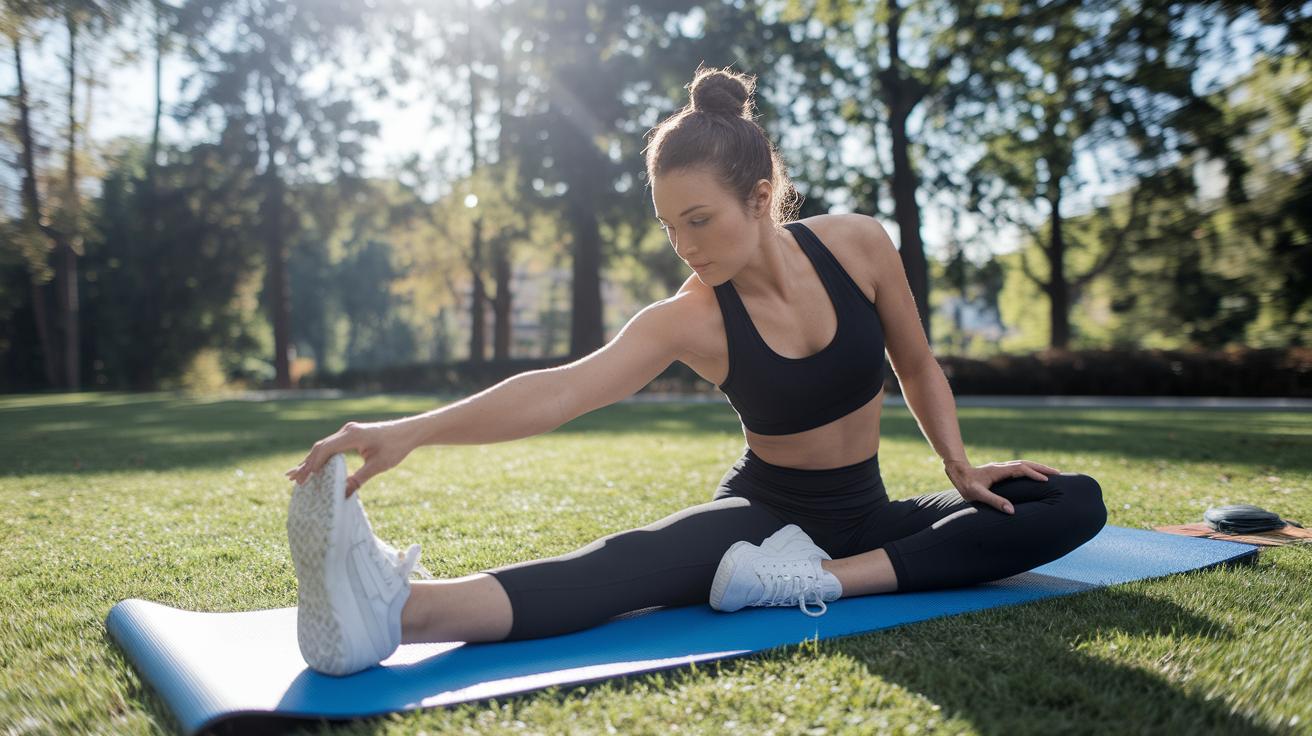
If you eat a big meal and plan to do intense workouts like HIIT or heavy lifting, wait about 1 to 3 hours. This gives your body time to digest so your muscles get the energy they need without feeling weighed down.
For lighter activities such as walking or yoga, a 30-minute wait should do the trick, especially if you had a light meal. This shorter break lets your body quickly use the energy from your food.
| Activity | Suggested Wait Time |
|---|---|
| High-Intensity (HIIT, heavy lifting) | 1 – 3 hours |
| Low-Intensity (walking, yoga) | About 30 minutes |
Listen to your body. If you feel uncomfortable or sluggish after a 30-minute wait, try waiting a bit longer next time. Your body often gives you hints about when it’s really ready to work out.
Common Discomforts and Performance Risks of Too-Quick Workouts
If you jump straight into a workout after eating, you might end up with some unwelcome side effects. You could feel sudden nausea, experience cramps, or even get bloated. Imagine finishing your meal and then having a sharp cramp in the middle of your workout because your body is still busy digesting. When you exercise too soon, your body sends blood away from your stomach to your muscles, which means your stomach might not get the blood it needs to break down food properly. That can cause issues like reflux, vomiting, or even diarrhea.
This rushed digestion can also take a toll on your workout. Without enough nutrients being absorbed, you may end up feeling tired or off-balance. In fact, when your coordination is off, you can be more prone to injuries. It really helps to listen to your body and give it a moment to digest before you exercise. If you’ve ever felt shaky or sluggish after eating, try waiting a little longer next time.
Scheduling Tips to Coordinate Meals and Workouts Effectively
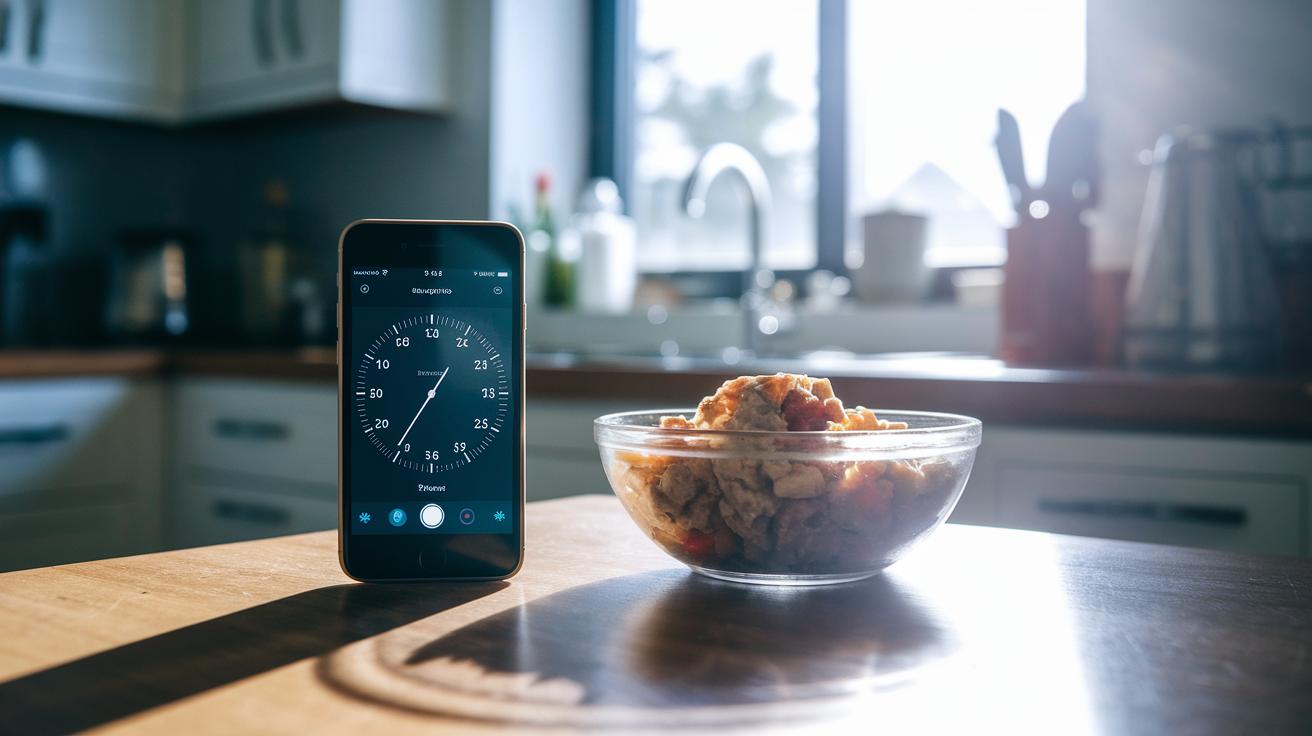
After finishing your meal, take a quick note of the time and let your body tell you how it feels. You might notice that waiting about 90 minutes can make a big difference in boosting your energy for a brisk walk.
Right after you eat, set a timer on your phone or use a stopwatch. This simple step helps you stick to your plan without any second guessing. For example, when the timer rings after 60 minutes, check in with yourself to see if you're feeling more awake and ready to move.
Using these easy scheduling tricks lets you save your energy for exercise without any fuss.
Final Words
In the action, this article tackled how meal size, composition, and workout intensity shape wait times before exercise. We broke down simple guidelines for snack choices, detailed digestion needs, and warned about common discomforts. The key takeaway is to plan wisely and let your body adjust naturally. Keep these ideas in your mind next time you ask yourself, how long after eating to workout. With clear strategies and a thoughtful approach, you can make every workout a positive boost for your well-being.
FAQ
How long should you wait to work out after eating?
The optimal wait time usually ranges from 2–4 hours after a full meal, while lighter meals may require only 30–60 minutes. This period supports digestion and prevents discomfort during exercise.
What happens if you exercise immediately after eating?
Exercising shortly after eating may cause nausea, cramping, and indigestion. This occurs because physical activity diverts blood flow from the digestive system, reducing performance and comfort.
Is a 30- to 60-minute wait after eating sufficient for working out?
The required wait depends on meal size and intensity. Lighter snacks might need about 30 minutes, whereas larger meals generally call for a longer wait to allow for proper digestion.
How does meal size and composition affect workout timing?
Meal size and contents are crucial. A balanced, moderate meal typically digests in 1–2 hours, while larger, high-fat or fiber-rich meals need 3–4 hours, influencing when exercise feels comfortable.
Should you eat before or after a workout to lose weight?
Whether to eat before or after exercise depends on personal preference and goals. A light pre-workout snack can boost energy, while a post-workout meal aids recovery and supports weight loss efforts.

