
Have you ever wondered if your everyday meals hold the secret to feeling great? A balanced diet chart helps you mix fruits, vegetables, grains, proteins, dairy, and healthy oils into your daily meals so you can boost your energy and stay strong. Even top athletes use these serving sizes to keep their energy steady all day. This simple guide shows that healthy eating isn’t hard at all. It’s a clear plan for vibrant health, one smart serving at a time.
Comprehensive Balanced Diet Chart for Daily Nutrition
A balanced diet chart makes planning your meals super easy by showing you how to divide about 2,000 to 2,200 calories throughout your day. Think of it as a friendly guide, kind of like a nutrition pyramid, that helps you match food portions with your everyday activity. This way, you're sure to get a healthy mix from fruits, veggies, grains, protein, dairy, and oils.
Here's a simple breakdown for your daily servings:
- Fruits: 2 cups
- Vegetables: 3 cups
- Grains: 6–8 ounces
- Protein: 5–6 ounces
- Dairy: 3 cups
- Oils: 5 teaspoons
Imagine a day on a 2,000-calorie plan. For breakfast, start with a grapefruit, enjoy a whole-wheat English muffin with about 2 tablespoons of peanut butter, and add a 7-ounce container of plain Greek yogurt. For lunch, you might have a turkey sandwich made with 6 ounces of turkey on whole-grain bread, paired with a mixed-greens salad (around 3 cups) and 1 cup of cherry tomatoes. Come dinner time, consider a 5-ounce sirloin steak with a side of 1 cup of steamed broccoli. And don’t forget snacks, a banana, 1 cup of baby carrots with 3 tablespoons of hummus, or 1 cup of plain popcorn can keep your energy steady throughout the day.
This friendly guide gives you a clear idea of how to balance your meals. It shows you just how easy it is to keep your nutrition on track, one simple portion at a time.
Small fact: Many top athletes follow these serving sizes to keep their energy levels steady all day long.
Key Components of a Balanced Diet Chart
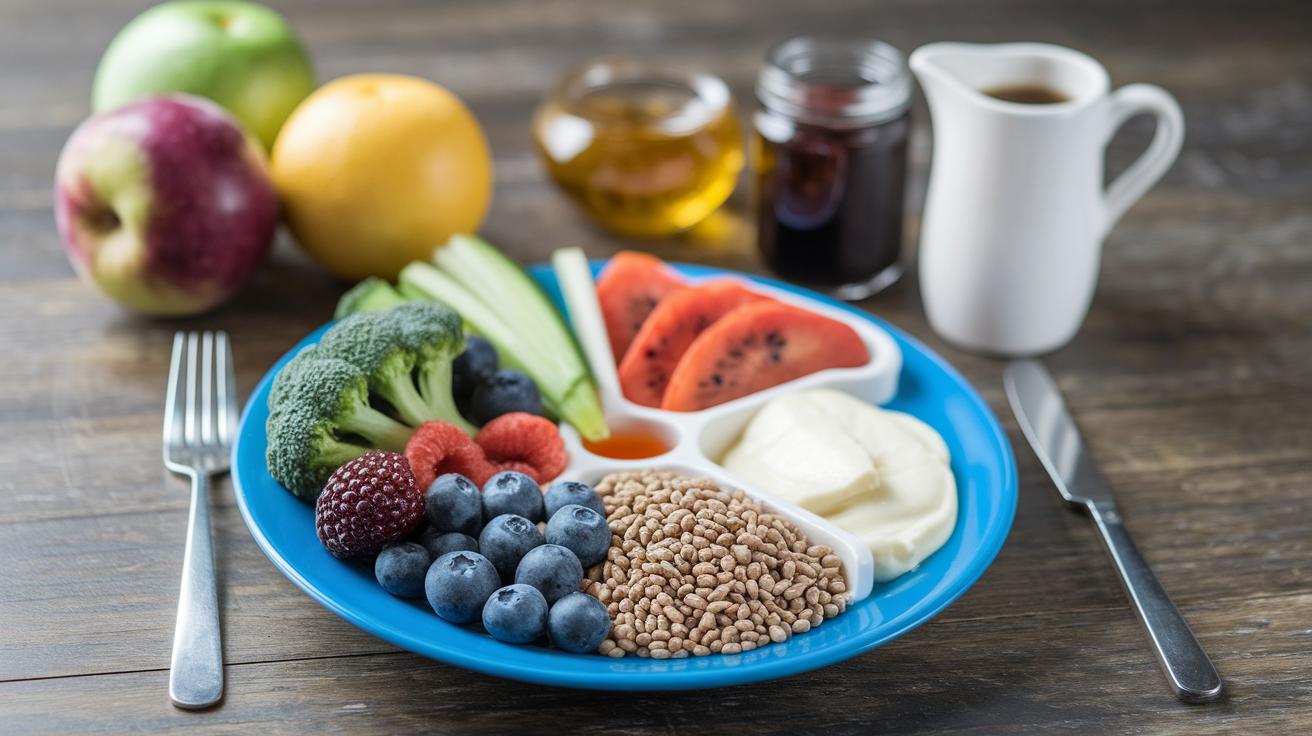
A balanced plate brings together six key food groups so you can enjoy a meal as nutritious as it is colorful. When you mix these foods throughout your day, you give your body a range of vitamins and minerals to fuel you.
• Fruits: Aim for 1.5 to 2 cups each day
For example, try having a cup of strawberries at breakfast. It adds a natural, sweet kick to start your morning right.
• Vegetables: Go for 2 to 3 cups daily
Imagine tossing leafy greens with some crunchy carrots in a salad. It’s a simple, tasty way to brighten up your meals.
• Grains: About 6 to 8 ounces per day, with half from whole grains
A slice of whole-grain bread or a small bowl of brown rice gives you steady, long-lasting energy.
• Protein: Stick with 5 to 6.5 ounces each day, lean meats or beans work well
Whether you choose lean chicken or a handful of beans, you’re helping your muscles repair and grow stronger.
• Dairy: Enjoy 3 cups daily, opting for low-fat choices if you can
A glass of low-fat milk or a serving of yogurt is a great way to support healthy bones.
• Oils: Use around 5 to 7 teaspoons daily, like olive or canola oil
A little drizzle of olive oil over your veggies can make your dish flavorful while keeping healthy fats in balance.
Take your time to mix these into your meals and enjoy the process. Every bite you take is a step toward feeling better every day.
Sample 7-Day Balanced Diet Chart
This 7-day meal plan is based on about 2,000 calories per day. It mixes foods to help you get a good balance of nutrients at each meal and snack. For the first three days, you start with a punchy breakfast that includes a tangy grapefruit, a whole-wheat English muffin with peanut butter, and a serving of creamy Greek yogurt. A banana is a perfect mid-morning boost. At lunch, enjoy a filling turkey sandwich (with 6 oz turkey) and a 3-cup garden salad packed with lean protein and fiber. In the afternoon, snack on crisp carrots with hummus. Dinner features a 5 oz sirloin steak with 1 cup of steamed broccoli, and you finish off the day with a bowl of light popcorn.
As you move into Days 4 through 7, the meal plan switches up proteins and grains for variety while keeping the balance. For dinner, you might have a lean option like 4 oz baked salmon or 5 oz chicken, paired with whole grains such as 1 cup of brown rice or ½ cup of quinoa. Vegetables change up too, with options like spinach or mixed greens. And for dessert, enjoy a medium chocolate chip cookie or ½ cup of ice cream. This way, you can explore new flavors that match your taste, fit your budget, and meet your dietary needs, all while keeping your nutrition balanced.
| Day | Breakfast | Snack 1 | Lunch | Snack 2 | Dinner | Snack 3 |
|---|---|---|---|---|---|---|
| Day 1 | Grapefruit, whole-wheat English muffin with peanut butter, Greek yogurt | Banana | Turkey sandwich (6 oz turkey) + 3-cup salad | Carrots & hummus | 5 oz sirloin steak, 1 cup broccoli | Popcorn |
| Day 2 | Grapefruit, whole-wheat English muffin with peanut butter, Greek yogurt | Banana | Turkey sandwich (6 oz turkey) + 3-cup salad | Carrots & hummus | 5 oz sirloin steak, 1 cup broccoli | Popcorn |
| Day 3 | Grapefruit, whole-wheat English muffin with peanut butter, Greek yogurt | Banana | Turkey sandwich (6 oz turkey) + 3-cup salad | Carrots & hummus | 5 oz sirloin steak, 1 cup broccoli | Popcorn |
| Day 4 | Grapefruit, whole-wheat English muffin with peanut butter, Greek yogurt | Banana | Chicken wrap with mixed greens | Carrots & hummus | 4 oz baked salmon, 1 cup broccoli | ½ cup ice cream |
| Day 5 | Grapefruit, whole-wheat English muffin with peanut butter, Greek yogurt | Banana | Turkey sandwich (6 oz turkey) + 3-cup salad | Carrots & hummus | 5 oz chicken, 1 cup steamed spinach | Medium chocolate chip cookie |
| Day 6 | Grapefruit, whole-wheat English muffin with peanut butter, Greek yogurt | Banana | Chicken salad sandwich on whole-grain bread | Carrots & hummus | 5 oz sirloin steak, 1 cup brown rice | Popcorn |
| Day 7 | Grapefruit, whole-wheat English muffin with peanut butter, Greek yogurt | Banana | Chicken salad wrap with mixed greens | Carrots & hummus | 4 oz baked salmon, 1 cup mixed vegetables | ½ cup ice cream |
Customizing Balanced Diet Charts for Different Needs

When you're mapping out your daily meals, it's a good idea to tweak your diet chart based on the age group. For kids between 4 and 8 years, try aiming for about 1,200 to 1,400 calories a day. They really need foods rich in calcium (about 1,000 mg daily) to help build strong bones, and getting around 10 mg of iron each day helps support their growth. Adults, on the other hand, typically need about 2,000 to 2,200 calories daily following standard guidelines. And when you get to our seniors, they usually do well with fewer calories, around 1,600 to 1,800 calories, and focusing on a boost of vitamin D (600 IU daily) along with 1,200 mg of calcium helps keep those bones robust. Small adjustments like these can really help keep your energy stable and your body functioning well.
It’s also smart to adjust your diet chart to fit your specific health goals. If you’re working on managing your weight, cutting back about 500 calories a day might be a meaningful change. This little tweak can lead to losing roughly one pound a week when combined with a bit of daily activity. Now, if you’re an athlete or just love to work out, the game plan shifts to fueling your body for peak performance. You can get more out of your efforts by following a macronutrient plan that offers 5 to 7 grams of carbohydrates per kilogram of body weight, along with 1.2 to 2.0 grams of protein per kilogram. These numbers help keep your energy levels high during exercise and boost muscle recovery afterwards.
The beauty of a balanced diet chart is how flexible it is. Whether you’re focusing on an age-related plan or tuning into a goal, you can safely make changes to suit your lifestyle. This way, you’ll find a diet plan that really works for you in your day-to-day life.
Tips and Tools for Creating a Balanced Diet Chart
Start by checking your daily calorie needs with handy tools like a recipe nutrition calculator, BMI calculator, or daily calorie goal tool. These simple tools tell you how many calories you really need, so you can plan three meals and a couple of snacks using MyPlate guidelines. For example, try entering your details into a digital recipe tool and get instant feedback on your energy needs.
Next, jot down your meal plan on a printable template or a basic spreadsheet. Write out each meal and snack and make sure to include a mix of fruits, vegetables, whole grains, proteins, and dairy. Think of it like sketching out your day’s nutrition; every section plays a part in your overall vibrant health plan.
Then, make it a habit to review and tweak your diet regularly. Check if changes in your taste, budget, or the seasons call for an update. By doing these simple steps, you’ll build a balanced diet chart that fits your lifestyle and keeps you feeling great.
Final Words
In the action of turning nutrition into a daily lifestyle, this article showed you how a balanced diet chart works through clear food group guides and easy meal examples. It covered how to adjust portions for different ages and goals while using simple tools to plan meals. Real-life tips help you put together a daily nutrition routine that feels straightforward and effective. Step forward with this practical guide and take small steps toward better health every day.
FAQ
What is a balanced diet chart for a school project?
A balanced diet chart for a school project outlines meal examples with proper portions from fruits, vegetables, grains, proteins, dairy, and healthy oils to help guide nutritious eating.
What is a daily routine balanced diet chart?
A daily routine balanced diet chart lists meals for breakfast, lunch, dinner, and snacks to meet daily calorie and nutrient targets, ensuring a mix of food groups throughout the day.
What does a balanced diet food list include?
A balanced diet food list includes items from every food group such as fruits, vegetables, whole grains, lean proteins, low-fat dairy, and healthy fats, delivering a wide range of nutrients.
How is a balanced diet chart structured for breakfast, lunch, and dinner?
A balanced diet chart for meals divides each main course into portions of fruits, whole grains, proteins, and vegetables to offer variety and complete nutrition with every eating occasion.
How do you define a balanced diet with an example?
A balanced diet is defined as a mix of foods in correct portions; for example, a meal with grilled chicken, steamed broccoli, brown rice, and a side salad shows a healthy blend of protein, vegetables, and grains.
What is a 7-day healthy eating plan?
A 7-day healthy eating plan organizes meals over one week to rotate proteins, grains, and vegetables, while reaching around 2,000 calories per day to support overall health.
What does a food pyramid chart illustrate?
A food pyramid chart illustrates recommended servings for each food group by placing fruits and vegetables at the base for larger servings, with grains, proteins, and fats in smaller sections.
How does a balanced diet plate work?
A balanced diet plate divides your meal into portions with half filled by fruits and vegetables, a quarter by proteins, and a quarter by grains, providing a visually simple guide to complete nutrition.
What are the 7 things needed in a balanced diet?
The 7 key components in a balanced diet are fruits, vegetables, grains, proteins, dairy, healthy fats, and water, each offering important nutrients to support a healthy body.
What is a daily balanced diet chart?
A daily balanced diet chart is a meal plan that shows the recommended portions of fruits, vegetables, grains, proteins, dairy, and fats for meeting energy needs every day.
What should you eat on a balanced diet?
Eating on a balanced diet means including a variety of foods like fruits, vegetables, whole grains, lean proteins, low-fat dairy, and healthy fats across your meals to achieve complete nutrition.
What are the 10 most healthy foods?
The 10 most healthy foods often include leafy greens, berries, nuts, whole grains, lean proteins, dairy, legumes, fish, eggs, and healthy fats, each contributing essential vitamins and minerals.

