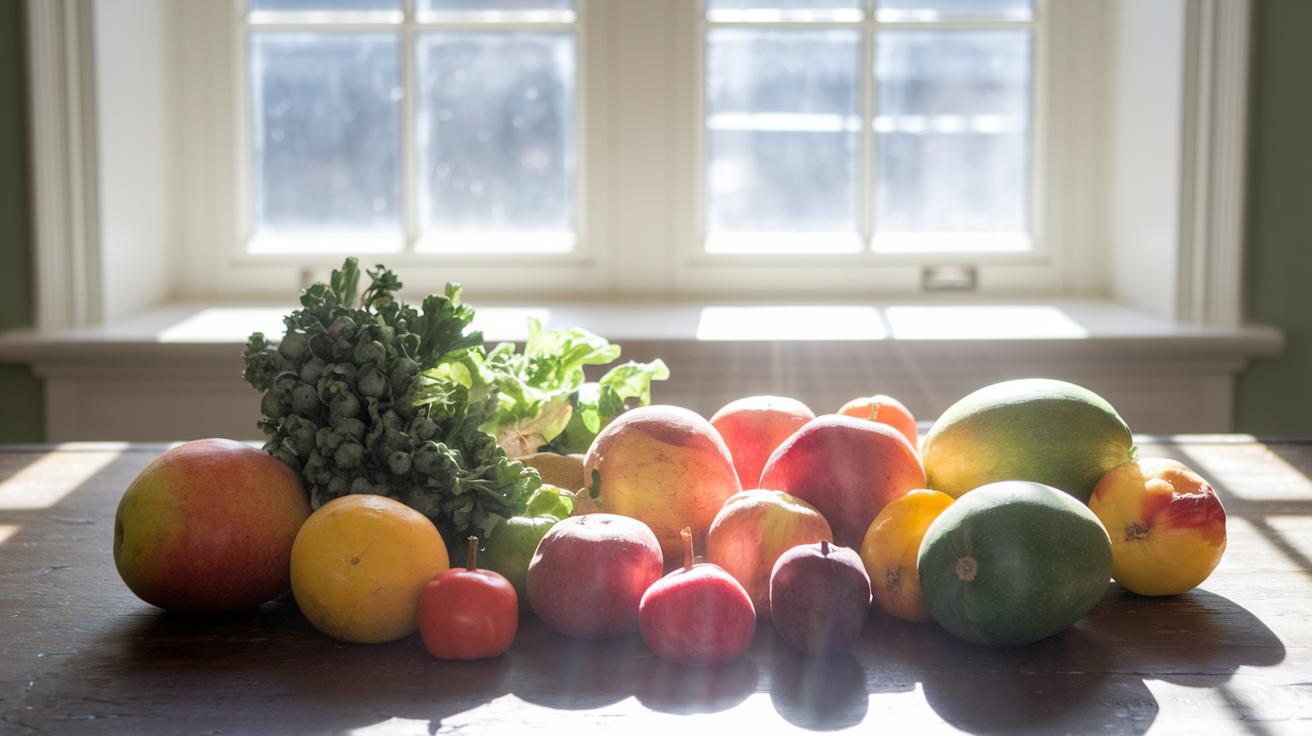
Ever wondered if the way you eat really helps you feel your best? It might sound surprising, but making a few smart changes to your meals can quickly boost your energy and overall well-being. Today, we’re sharing three simple tips that work great even on your busiest days. By planning easy recipes and watching your portion sizes, you can begin to enjoy the benefits of healthy eating right away. Ready to see how small tweaks can help you feel fantastic in no time?
Practical Foundations of Tips for Healthy Eating
Start by taking a good look at how much time you really have and what your goals are. If you only have a few quiet minutes each night, plan for quick and nutritious meals. For example, jot down, "I have 30 minutes tonight," and pick a simple recipe like a veggie stir-fry or a hearty salad that fits your schedule.
Small changes can add up over time. Instead of an all-out diet overhaul, try cooking one meal at home each day. Not only does home cooking save you money, it also gives you better control over what goes into your meals. Every time you cook, you're actively taking steps to improve your health.
Building a meal planning habit is a great way to set yourself up for success. You might find a digital tool, like a "healthy eating plan" available at https://healthlystats.com?p=, really handy. It helps organize your meal schedule, creates grocery lists, and keeps your healthy habits on track. Having a plan means you're more likely to enjoy balanced meals even on the busiest days.
Try mixing it up each week by adding at least one new recipe to your rotation. This approach keeps your meals exciting and your taste buds happy. For example, add a fresh soup made with seasonal veggies to your menu. By following these practical tips, you'll start feeling better right away and develop eating habits that suit your lifestyle.
Portion Moderation Insights for Tips for Healthy Eating

Getting your portions in check can help you feel full and give you an energy boost in no time. By using simple visual clues and timing your meals right, you can cut back on extra food without feeling like you're missing out. Here are five easy tips:
- Use smaller plates and bowls so your mind thinks you're eating more.
- Eat slowly, plan for about 20 minutes per meal, to give your brain time to notice you're full.
- Fill half your plate with veggies to naturally add nutrients and bulk.
- Keep dressings, dips, and sauces aside to control extra calories.
- Stick to measuring staples, like one cup of grains or 3–4 oz of protein, to keep portions in check.
These small changes use clear, everyday cues that help guide your eating habits. Adjusting your portion sizes not only trims your calorie intake but also makes your meals more balanced. When you take your time and be mindful about servings, you can naturally control hunger and enjoy meals that make you feel great right away. Give these simple methods a try and enjoy eating just the right amount.
Strategic Shopping and Pre-Preparation Methods for Tips for Healthy Eating
Start by writing a clear shopping list before you head to the store. Jot down exactly what you need, say, "Buy 2 cans of lentils, whole-grain bread, and eggs", to keep your spending focused on healthy choices. This simple habit saves you time and money and sets you up for tasty, nutritious meals.
Use digital tools to plan your week. A meal planner for healthy eating, like the one at https://healthlystats.com?p=, can really change the game. It lets you see which recipes suit your week and helps you build your shopping list easily. I remember when a quick glance at my meal plan helped me skip the junk food aisle, and I felt great right away.
Keep your pantry stocked with essentials like legumes, whole grains, and canned veggies. Invest in handy tools like bento boxes, lunch containers, and cooling packs to keep your meals fresh. Plus, batch-cooking with an Instant Pot or slow cooker means you can make several meals at once. For instance, one slow-cooked vegetable stew can provide healthy lunches all week.
These tips help you take control of your kitchen and make quick, simple meals that stick with your healthy habits. By planning ahead, you're setting yourself up to feel awesome every day with nutritious, convenient food.
Smart Snack Scheduling in Tips for Healthy Eating
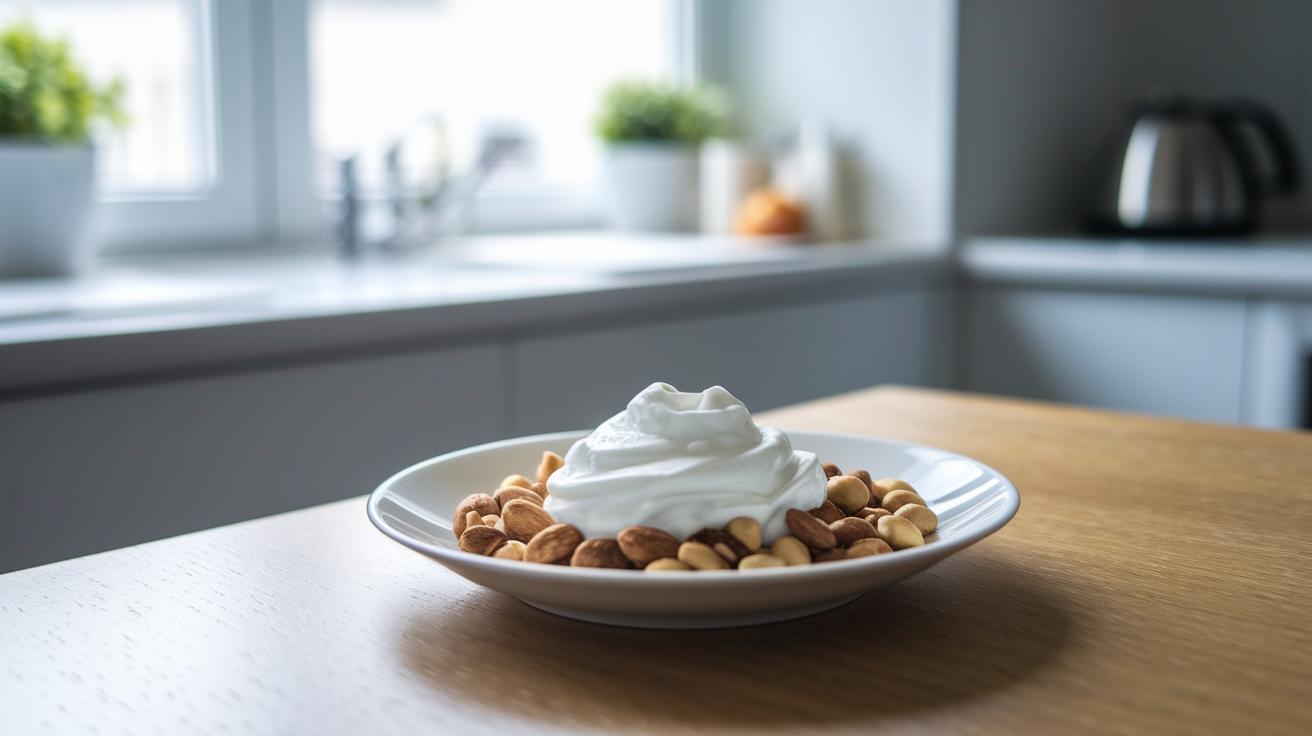
When you plan your snacks at specific times during the day, you keep your energy on track and help avoid overeating. Scheduling a snack for mid-morning and a treat in the afternoon can keep your blood sugar steady and stop hunger from getting too strong. Instead of going for something sugary, try snacks loaded with protein like Greek yogurt, nuts, or a small helping of beans. These options give you long-lasting fuel without the crash that sometimes follows a sugary bite. Setting up snack times helps you stay alert and focused throughout the day.
Here are some simple snack tips to help you feel your best:
- Enjoy a mid-morning and mid-afternoon snack to keep your energy balanced.
- Pick protein-rich snacks for steady fuel throughout your day.
- Prepare your snacks in small portions ahead of time and pair them with a glass of water or herbal tea to avoid feeling falsely hungry.
Choosing your snacks wisely really pays off for your health. Some foods that seem healthy might hide extra carbs, fats, or salt that can leave you feeling tired later. When you schedule your snacks, you control both what you eat and when you eat it, which helps you avoid unexpected calorie spikes. This careful planning keeps your energy steady and supports better digestion and focus. Think of your snack as a mini meal that keeps you satisfied until your next eating time.
Hydration Upgrade Tips in Tips for Healthy Eating
Staying hydrated is a super simple way to boost your energy and feel great all day long. Try swapping sugary drinks for plain water or a little bubbly water, you might notice a quick lift in your energy. Instead of reaching for soda, go for a refreshing glass of water and see how soon you feel more awake.
Aim for about 8 cups (64 oz) of water every day to help your tummy digest food better and soak up nutrients. And if you love your coffee, opt for black coffee sometimes; it keeps you from extra sugars or heavy creams that can sneak in.
Water also helps control your hunger, supports good metabolism, and even stops you from overeating. Think of it as your body’s natural pick-me-up. A friend once mentioned that drinking water all day gives them the clarity to handle even the longest days.
Start slowly and add a bit more water each day. Before you know it, you’ll be feeling the benefits. Drink up every day to help your body thrive!
Dining Out Strategies in Tips for Healthy Eating
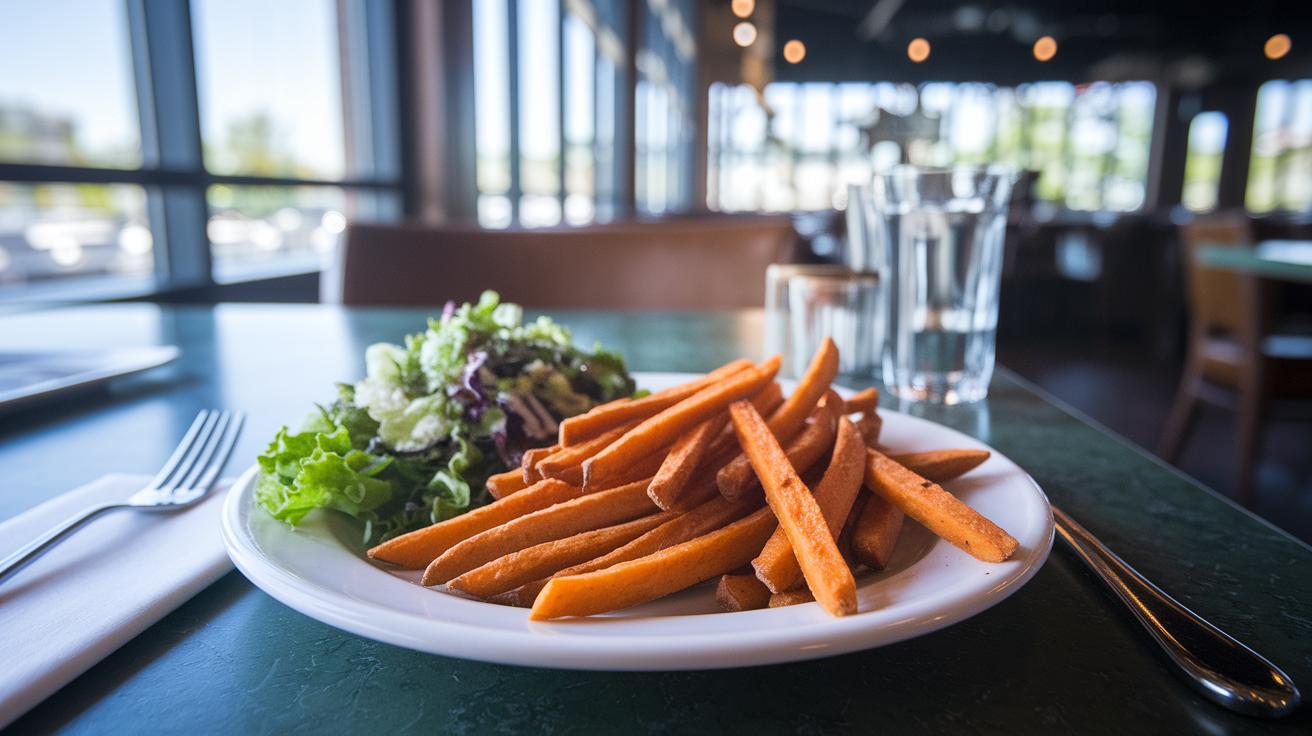
When you walk into a restaurant, you still have plenty of ways to enjoy a meal that's both delicious and good for you. Start by picking places that let you personalize your orders with fresh, whole-food options. Asking for your dressings and sauces on the side is a neat trick to keep extra calories in check while still enjoying great flavor. This careful approach makes it easier to stick to your healthy eating goals, even when menus tempt you with richer options.
Here are three simple tips to help you feel great right away when dining out:
- Pick restaurants with menus that let you choose fresh, whole ingredients.
- Ask for dressings and sauces separately so you can control how much you get.
- Try swapping fries for baked potatoes or a side salad to add more nutrients without piling on extra fats.
Also, look for main dishes that are grilled, steamed, or baked instead of fried. Choose whole-grain breads, wraps, or tortillas in place of refined ones. With these easy strategies, you can enjoy your meal without losing the tasty flavors you love while keeping your eating habits on track for better health.
3 tips for healthy eating: Feel Great Instantly
One quick way to feel better fast is to change up how you cook and enjoy your meals. Try swapping out frying for baking or roasting. For example, roasting veggies with a bit of olive oil gives you the flavor you love while cutting back on extra fats. Imagine biting into baked sweet potato fries instead of the fried kind, it’s light, yummy, and good for you.
Another tip is to add more whole grains to your meals. Ditch the white, refined stuff and opt for choices like brown rice or whole-grain bread. A simple idea for breakfast: have a slice of whole-grain toast with eggs or Greek yogurt. It’s a tasty way to get extra fiber and keep your energy up through the morning.
Finally, take your time when you eat. Chew slowly and set down your fork between bites. This little pause gives your brain a chance to catch up with your stomach, so you feel full and avoid overeating. Sometimes, a short moment of mindful eating can make a big difference in how satisfied you feel.
| Technique | Example Swap | Benefit |
|---|---|---|
| Frying → Baking/Roasting | Baked sweet potato fries | Less fat with the same crunch |
| Refined grain → Whole grain | Brown rice instead of white | More fiber and longer fullness |
| Sour cream → Greek yogurt | Veggie dip made with yogurt | More protein with fewer calories |
| Fast bites → Slow eating | Pause for a couple of minutes mid-meal | Better signals of fullness |
Final Words
In the action, you’ve seen how easy it is to build a more balanced lifestyle. The post shared ideas on meal planning, portion control, smart shopping, mindful snacking, hydration, and even dining out strategies, all practical tips for healthy eating that you can use daily.
Each section offered small, actionable steps to improve nutrition. Keep embracing these habits with a smile, and enjoy the benefits of feeling more energized and in control of your health.
FAQ
How do you eat healthy food everyday, including at-home meal tips and a healthy diet plan?
Eating healthy everyday means planning balanced meals, cooking at home, and gradually introducing new recipes. A meal plan helps you manage portions and include a mix of whole foods for steady energy.
What are 7 to 10 healthy eating tips and habits?
Seven to ten healthy eating tips include planning portions, using whole grains and lean proteins, staying hydrated, prepping snacks ahead of time, and substituting processed foods with nutrient-rich alternatives.
What are the 3 P’s for eating healthy?
The 3 P’s for eating healthy refer to planning your meals, preparing ingredients ahead, and practicing portion control. These focus areas help create consistent, balanced eating habits.
What are the benefits of healthy eating, like the 20 benefits mentioned?
Healthy eating benefits include improved energy, better digestion, steady weight, stronger immunity, clear skin, improved mood, and overall wellness. Each balanced meal adds support to your well-being.

