
Have you ever wondered if heavy lifting might be the secret to real muscle gain? Many people think eating more is all it takes. But strength training proves that pushing your limits with exercises like squats, deadlifts, and bench presses can truly transform your body. Think of these exercises as the key ingredients in a balanced meal, they work together to help you build muscle and boost your strength. In truth, small, steady improvements can lead to big, powerful changes.
Core Principles of Strength Training for Weight Gain: A Complete Guide
Compound lifts are the building blocks of a good weight gain workout. They work several muscles at once, much like putting together a balanced meal where every ingredient counts. Exercises such as the bench press, overhead press, squats, deadlifts, and pull-ups help you grow muscles and boost overall strength and balance.
Progressive overload means slowly pushing your muscles to work harder so they can grow. By gradually adding more weight, more reps, or more frequent workouts, you keep challenging your body. Even adding one more repetition each week can spark stronger, bigger muscles. This small, steady increase stops your body from getting too comfortable and keeps the growth signal going.
Good technique really matters. When you focus on proper posture, controlled movements, and steady breathing, you get the best out of every lift and lower the risk of injury. Using the right form helps to recruit more muscle fibers, setting you up for both quick gains and long-term progress. For instance, as of November 6, 2023, there are over 100 ready-made strength programs along with an app featuring 650 exercise demonstration videos. These resources help you fine-tune your technique and track your progress, ensuring that every workout is both safe and effective.
Essential Strength Training Exercises for Weight Gain

When you're aiming to build muscle, choosing the right exercises can really make a difference. It all comes down to compound moves that work several muscles at once. Not only do these exercises help you gain weight by adding muscle mass, but they also improve your balance and coordination.
- Deadlifts work your glutes, hamstrings, lower back, and core.
- Squats target your quads and glutes while helping keep your spine strong.
- Bench press builds up your chest, shoulders, and triceps.
- Pull-ups (or lat pulldowns if you’re just starting) strengthen your lats and upper back.
- Shoulder press (using either a barbell or dumbbells) boosts your deltoid size and shoulder stability.
- Barbell rows (or dumbbell rows) thicken your upper back and rear delts.
- Walking front-rack dumbbell lunges engage your quads, glutes, and core stability.
Mixing these seven key lifts into your weekly routine is a smart move. For instance, you might set aside different days for working on your chest and back, legs, and shoulders. This kind of plan adds variety and helps you keep making progress toward your goal of building muscle and gaining weight.
Progressive Overload Strategies in Strength Training for Weight Gain
Progressive overload is the clever trick that helps your muscles get bigger and stronger over time. When you slowly add more weight, squeeze in extra repetitions, or crank up the number of sets, you consistently challenge your muscles a bit more than before. Think of it like stacking an extra brick on a wall with every workout. Even a little bump, say, one more repetition or a slightly heavier weight, can add up over weeks and months.
Switching up how long you rest, the speed of your movements, or trying new exercises can also keep your body guessing and prevent workout plateaus. This constant change helps your body adjust by building more strength gradually.
A well-planned periodization model, like the 3-1-3 plan, can really keep the gains coming. Here’s how it works: you push hard for three weeks, take a lighter week to rest and recover, and then hit another three weeks of intense training again. Using split routines, such as training push, pull, and legs or alternating between upper and lower body workouts, can also help manage your overall workload and energy levels. This way, you always give your muscles a good challenge while allowing them the recovery time they need to grow.
Nutrition Strategies to Support Strength Training for Weight Gain
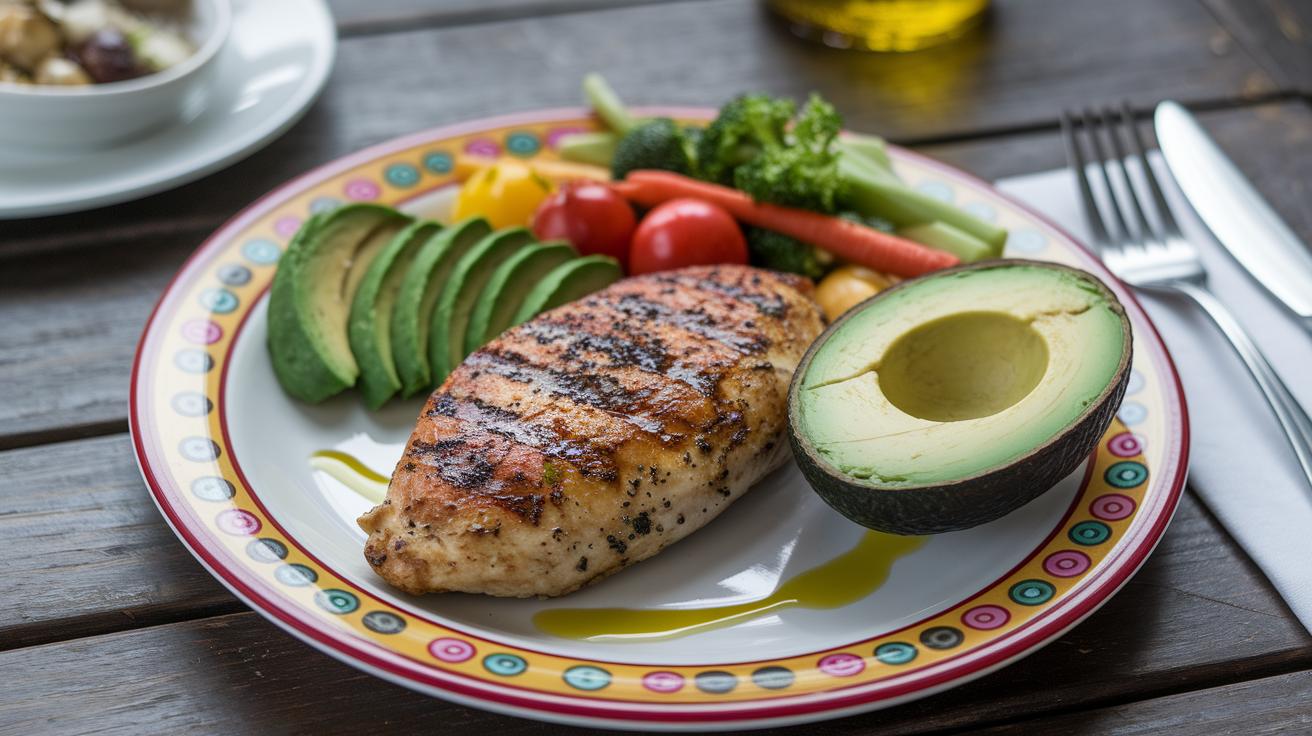
Eating enough is key when you're working hard to build muscle. To help your body repair and grow, try adding an extra 250–500 calories each day. That small surplus gives you the energy you need to turn your workouts into real gains.
Getting your macronutrients right is just as important. Aim for 1.6–2.2 grams of protein per kilogram of body weight spread out throughout the day. This protein works hard to rebuild muscle fibers. And don’t forget about healthy fats, think avocado, nuts, olive oil, or even salmon, to keep your energy levels steady and support your hormones. Imagine your plate filled with lean protein, crisp veggies, and a drizzle of olive oil where every bite counts toward building muscle.
It also helps to time your meals around your workouts. Start with a serving of complex carbohydrates before you train, so you have enough fuel for a strong session. Then, after your workout, reach for simple carbs like a banana or a piece of fruit. This quick energy boost helps refill your glycogen stores and jumpstarts recovery, setting you up for continued muscle growth throughout the day.
Sample Strength Training Programs for Weight Gain
Choosing the right workout plan can really boost both your muscle size and overall body weight. A good plan makes sure you work every muscle group in a smart way by balancing exercise, rest, and proper form. No matter if you hit the gym or work out at home, these templates can work with free weights, machines, or even resistance bands.
For example, a 3-day full-body routine mixes push, pull, and leg exercises in one session so you hit multiple muscle groups each time. A 4-day upper/lower split breaks the week into days for chest and back, legs, shoulders and arms, and a final day for full-body accessory work to keep your pace steady with your recovery needs. And if you’re up for it, a 5-day split lets you focus on one muscle group each day for a more detailed workout.
| Program Type | Days/Week | Key Exercises |
|---|---|---|
| 3-Day Full-Body (Push/Pull/Legs) | 3 | Bench press, squats, deadlifts, pull-ups |
| 4-Day Upper/Lower Split | 4 | Chest & back, legs, shoulders & arms, full-body accessory work |
| 5-Day Split | 5 | Dedicated sessions for each muscle group |
These workout examples give you a flexible base to build muscle and gain weight. You can mix up your lifts, change your rest days, or adjust the intensity as you notice how your body feels over time. It’s like making your own workout playlist, choose the exercises that match your current fitness level, goals, and the equipment you have available.
Whether you choose a simple full-body routine or a more detailed split, staying consistent and listening to your body is key. If a session feels too tough or too easy, try swapping a couple of exercises or tweaking the sets and reps to keep your progress on track. You might also find an app with workout videos and plans helpful for keeping your routines safe and effective.
Recovery and Rest for Strength Training and Weight Gain

Taking time off and getting solid sleep are just as important as your workout sessions. Your muscles actually build and repair themselves when you're not lifting, so those rest days really count. When you're trying to bulk up, try to take one or two full rest days each week. This gives your body the chance to bounce back from all that hard work. Also, aim for 7 to 9 hours of good sleep every night. Think of your body like a little repair shop that works while you snooze, it’s busy fixing and strengthening your muscles.
Adding in some light, active recovery can make a big difference too. Simple things like foam rolling and gentle stretching help ease muscle tightness and cut down on soreness after a workout. Staying well-hydrated is also key because it helps deliver nutrients where they're needed and flush out waste from tired muscles. Picture these recovery steps as your everyday tune-up, keeping you fresh and ready for the next challenge. By mixing rest, sleep, and easy recovery, you're setting up your body to grow stronger and work at its best.
Tracking Progress and Overcoming Plateaus in Strength Training for Weight Gain
It’s important to check your progress so you can keep improving. Each week, jot down your body weight along with the weights you lift, the number of reps, and how many sets you complete. You can use a basic workout journal or a simple app on your phone. For instance, write down when you add one more rep to your squats or lift a heavier weight during deadlifts. This approach keeps all your workout info neat and helps you see how you’re challenging your muscles a bit more each time.
If you notice that your progress has slowed, it might be time for a little change. Try mixing up parts of your routine, like changing the total amount of work you do, switching the weight intensity, or picking a different exercise every now and then. Even a small tweak, like shortening your rest between sets or adding an extra set, can give your body the push it needs. Sometimes, getting advice from a trainer or simply experimenting with your schedule can make a big difference, helping you beat those plateaus and keep building strength.
Final Words
In the action, this guide broke down compound lifts, progressive overload, proper nutrition, and sample training plans to build muscle effectively.
It stressed the need for proper form and recovery to improve overall health and performance.
By tracking your progress and making mindful tweaks, you can see real changes through strength training for weight gain.
Keep experimenting with your routine and remember that every step counts towards a healthier, stronger future.
FAQ
How does strength training aid weight gain for females in various settings?
Strength training for women, whether at home or in the gym, promotes muscle growth by engaging key muscle groups with compound movements, helping achieve a healthy weight gain with guided routines.
How does strength training benefit those new to weight gain routines?
For beginners, strength training introduces basic compound lifts that build muscle effectively. Starting slowly with proper form helps boost confidence and supports gradual, steady weight gain with consistent effort.
How should men approach strength training for weight gain?
Men can achieve weight gain by focusing on compound exercises such as squats and deadlifts. These lifts stimulate muscle growth and increase overall body mass when combined with a proper diet.
What are effective at-home strength training workouts for gaining weight?
At-home strength routines can use bodyweight, free weights, or resistance bands. Choosing compound movements like push-ups, squats, and dumbbell presses helps build muscle mass without needing a gym.
Does strength training help gain weight?
Strength training helps gain weight by building muscle, which adds lean mass. A routine that includes progressive challenges encourages muscle growth and improved overall body strength.
Can a skinny person gain weight by lifting weights?
A skinny person can gain weight through weight lifting by engaging muscles with compound exercises, increasing caloric intake, and gradually adding resistance to stimulate muscle growth naturally.
What workout is best for muscle-building weight gain?
The best workout for muscle-building weight gain focuses on compound lifts such as bench presses, squats, and deadlifts. These exercises stimulate multiple muscles and promote balanced strength development.
How can one gain 10 lbs in a month with strength training?
Gaining 10 lbs in a month requires focused strength training, a consistent plan with increased weights, and a caloric surplus to support muscle growth alongside regular recovery and proper nutrition.

