
Ever thought about building strength without a gym membership? You really can do it by using your own body as resistance. With bodyweight training, you work your muscles, improve your balance, and even boost your flexibility.
Picture yourself doing these workouts at home, in the park, or on vacation. They help you get fitter every day, and best of all, they save you time and money. Every move you make builds your power and raises your confidence.
Curious to learn how to build strength anywhere? Let’s explore this simple, natural way to get stronger.
Bodyweight Strength Training Fundamentals: Build Strength Anywhere
Bodyweight strength training is a way to exercise by using your own body as the source of resistance. In other words, you don’t need any dumbbells or barbells. If you want to learn more about strength training, take a look at this helpful explanation: What is Strength Training. This style of workout not only builds muscle and endurance, it also boosts your coordination, flexibility, balance, stability, and heart health.
Before you start your routine, warm up for 5 to 10 minutes with simple moves like walking, marching in place, or stepping side-to-side. This quick warm-up gets your muscles ready and increases your blood flow, which helps reduce the risk of injury. Whether you’re at home, enjoying a park, or traveling, you can easily work out anywhere.
For a fun twist, remember that before she became a famous scientist, Marie Curie used to carry test tubes filled with radioactive material in her pockets without knowing the risks. Let that surprising fact spark your curiosity. Use that sense of wonder to make your workouts more enjoyable and empowering, with a no-equipment routine that fits right into your busy day.
Progressive Bodyweight Training: From Beginner to Advanced
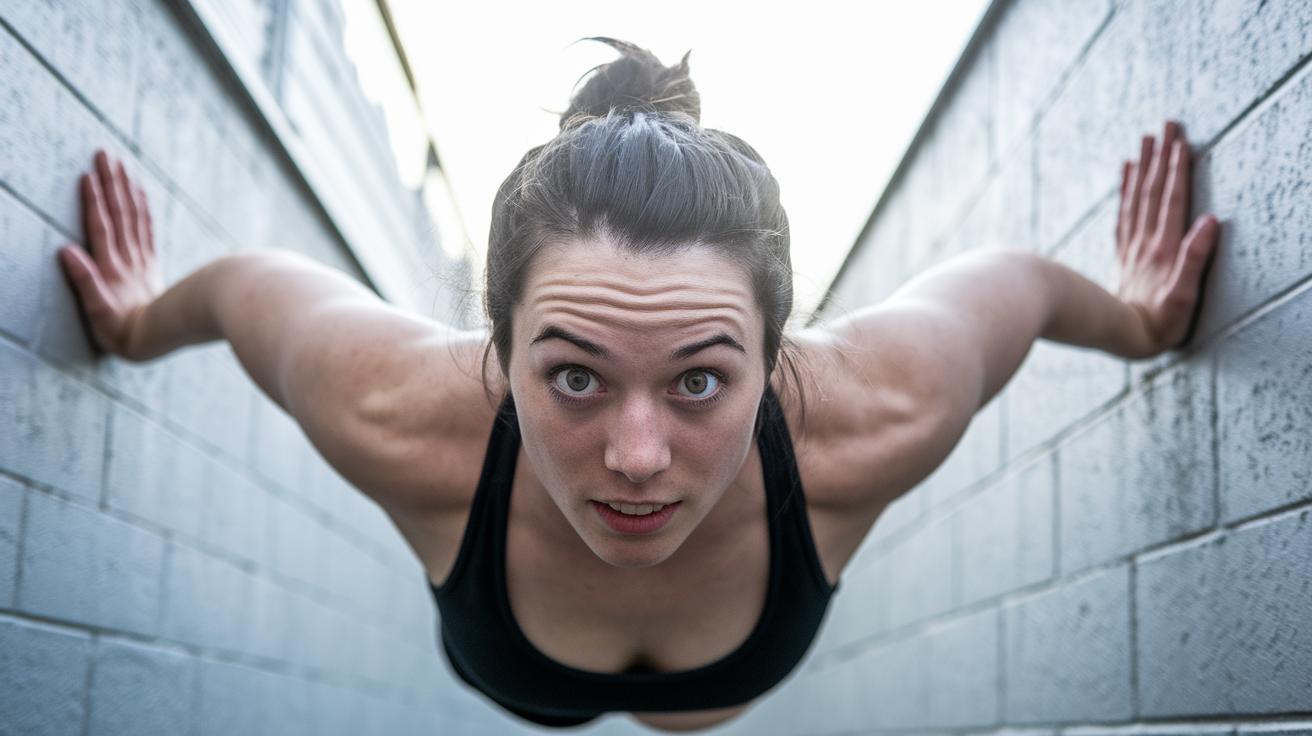
If you're just starting out, focus on moves that help you get the form right and build a strong base. Try doing 8 to 12 reps per set for 2 or 3 sets of each exercise. For example, picture yourself doing wall push-ups: stand in front of a wall, place your hands at shoulder height, and take a step back until you feel a gentle pull in your arms. You can also try knee push-ups or elevated push-ups to make it easier while you focus on your alignment. Keep with this routine for around 4 to 6 weeks until your confidence and strength grow.
Once you're comfortable with the basics, it’s time to expand your range of motion. Add regular push-ups, full squats, reverse lunges, and one-arm rows to your workout. Aim for 3 to 4 sets while keeping your reps steady. This stage is all about refining your technique, each rep helps you move more fluidly and with better control. Adjust the difficulty gradually, so your muscles are challenged but your form stays spot-on.
If you’re ready for a real challenge, try incorporating fast, one-sided moves into your routine. Consider exercises like plyometric push-ups, pistol squats, single-leg deadlifts, or even handstand holds. This phase ramps up the intensity with dynamic moves that boost both strength and power. These exercises demand a strong core and good balance, so take care to execute each one with precision and steady landings. Stick with these moves for a few weeks, and you'll soon notice improvements in both your explosive power and overall endurance.
Full-Body Bodyweight Strength Training Routines
Imagine a quick 20-minute workout that lights up your entire body. This plan divides your time into three circuits, each featuring three simple exercises. You work hard for 40 seconds and then take a 20-second break for every move, and then you repeat that circuit twice. It’s a fun way to boost your strength, build endurance, and keep your heart beating lively.
Each circuit focuses on different muscle groups so you get a balanced routine. For example, one set might include Push-ups, Bodyweight Squats, and a Plank to cover your upper body, legs, and core. Another circuit could swap in Reverse Lunges and Mountain Climbers to work your legs and tummy, finishing with a Bear Plank to steady your shoulders. The last round might add Burpees, Walking Lunges, and High Plank Push-ups to keep things fresh and energetic. Best of all, you don’t need any equipment, perfect for a home workout or a session outdoors.
For a simple overview, take a look at the table below. It lists the key exercises, the main muscles they target, and the work/rest period for each:
| Exercise | Primary Muscles Targeted | Duration/Reps |
|---|---|---|
| Push-ups | Chest, Triceps, Core | 40s work / 20s rest |
| Bodyweight Squats | Quads, Glutes, Hamstrings | 40s work / 20s rest |
| Plank | Core, Shoulders | 40s work / 20s rest |
| Reverse Lunges | Quads, Glutes, Hamstrings | 40s work / 20s rest |
| Mountain Climbers | Core, Shoulders, Legs | 40s work / 20s rest |
| Burpees | Full Body | 40s work / 20s rest |
Try to do these circuits 2 to 4 times a week. Remember to give your muscles at least 48 hours of rest between sessions so you can recover well. This easy, no-equipment plan helps you build strength naturally, no matter where you choose to work out.
bodyweight strength training: Elevate Power Naturally

Working safely and using good form is super important when you train with your own body weight. It helps keep stress off your joints and cuts down on the chance of getting hurt. For example, during push-ups, keep your shoulders lined up with your wrists, and during lunges, let your knees follow your toes. Moving slowly and going through a full range of motion not only keeps your muscles active but also protects you from extra strain. And remember, starting your session with a quick, dynamic warm-up gets your hips, shoulders, and ankles ready to work hard.
- Do a 5–10 minute dynamic warm-up before you start.
- Line up your shoulders right over your wrists during push-ups to help avoid shoulder pain.
- Keep your knees over your toes in lunges to support your joints.
- Set your hands correctly during doorway rows so you don’t pinch your fingers.
- Maintain a steady, controlled pace during every move.
- Use your full range of motion to keep your muscles working.
- Focus on smooth and balanced movements to reduce stress on your joints.
- If you have any health concerns, check in with your doctor.
bodyweight strength training: Elevate Power Naturally
Plyometric Drills
Plyometric exercises are all about quick bursts that boost your strength, speed, and muscle endurance. Try out Jump Squats (3 sets of 10 reps), Jump Lunges (3 sets of 12 reps per leg), Side Jumps (3 sets of 15 reps), and Burpees with a tuck jump (3 sets of 8 reps). Focus on every detail, especially your landing. Land softly with your knees right above your toes to protect your joints. Picture each jump as a little explosion that lifts you quickly and brings you down with care. Keeping your form steady not only helps prevent injury but also builds better agility and muscle control.
Explosive Power Moves
Once you feel comfortable with your plyometric drills, add explosive power moves for an extra boost. Try advanced push-ups where you briefly lift your hands off the ground, giving you a controlled moment in the air before coming back down. You can also experiment with explosive lunges by stepping forward forcefully and switching legs quickly. These moves train your body to produce strong, sudden power while keeping your movements smooth and safe. With every push or step, feel that energy surge through you, helping improve both speed and stability.
Core Activation and Functional Movement in Bodyweight Strength Training
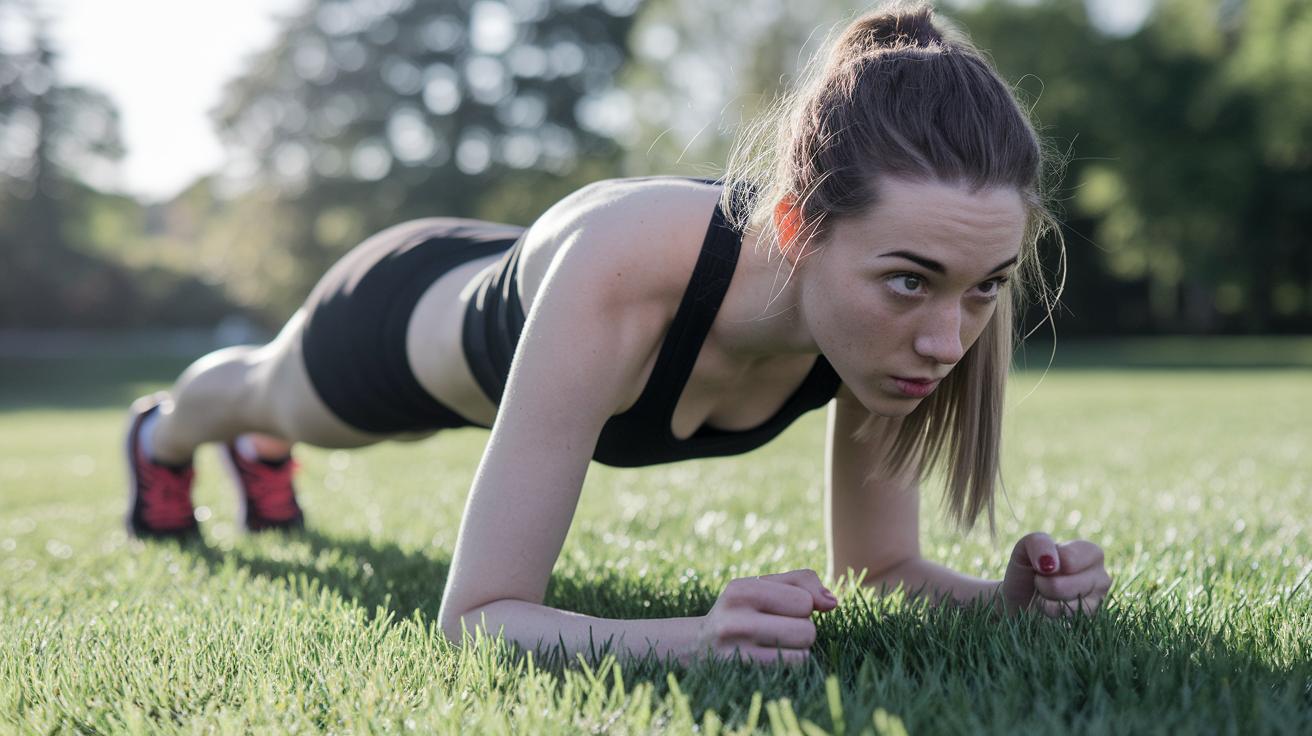
A strong core is the heart of every bodyweight workout. Simple moves like the plank (hold for 30 to 60 seconds) and the bear plank (try 3 sets of 45 seconds) lay a solid foundation. Add in renegade rows (3 sets of 8 on each side) and mountain climbers (3 sets of 20 on each side) to get your muscles working together. When your core is fired up, each move feels more controlled and smooth, much like a well-timed landing in a busy workout.
Functional movements are just as key because they mirror the things you do every day. For instance, a minute of shadow boxing for 3 rounds not only gets your heart going but also works your arms and core. Other great moves include good mornings (3 sets of 12) and hip bridges (3 sets of 15, with your heels kept 6 to 8 inches from your glutes). These exercises strengthen your back and boost your flexibility, balance, and agility. For more tips on building full-body strength, check out this link: Functional Strength Training. Try out these routines to turn basic exercises into fun and stability-boosting workouts.
Designing Your Personalized Bodyweight Strength Training Program
Begin your workout with a warm-up that lasts 5 to 10 minutes. You can start with something simple like a brisk walk or marching in place to get your muscles ready. Next, plan a main circuit that runs for 20 to 30 minutes. Mix in exercises that work your upper body, lower body, and even your full body. Finish up with a 5 to 10 minute cool-down and stretch session to help your muscles relax and recover.
Try to exercise three to four times each week. One day might be all about your upper body with moves like push-ups and planks. On another day, focus on your lower body with squats and lunges. You can also include full-body workouts to keep things fresh and balanced. Think of each session as a chapter in your personal fitness journey, with every workout building on the one before.
Keep track of your progress with a simple log. Jot down the exercises you do, how many sets and reps you complete, and note how challenging the session was. This log will help you see just how far you've come over time.
Here are a few ways to tweak your routine as you grow stronger:
- Gradually add another set or a few more repetitions.
- Change the order of your exercises to keep your muscles on their toes.
- Experiment with different tempos and adjust your rest intervals from week to week.
Small changes like these can really help you build strength naturally.
Final Words
In the action, we broke down bodyweight strength training fundamentals, from warm-ups to full-body circuits, safety tips, and explosive drills, to show how easy it is to build strength anywhere with no equipment. We explored clear progressions from beginner variations to advanced power moves and even shared core activation techniques and program planning ideas.
By putting these ideas into practice, you'll turn everyday routines into effective strength sessions and enjoy improved health management. Embrace bodyweight strength training and keep moving toward a healthier life!
FAQ
Q: What is a Bodyweight Workout Plan PDF?
The Bodyweight Workout Plan PDF is a guide that shows how to use your own weight for strength training. It lays out routines and tips so you can workout without any extra equipment.
Q: How does bodyweight strength training work for beginners and women?
Bodyweight strength training for beginners and women starts with simple moves and modifications to build proper form. It offers safe, clear progressions that help you gain strength and boost confidence gradually.
Q: How can I do a full-body bodyweight workout with no equipment at home?
A full-body bodyweight workout at home uses exercises like push-ups, squats, and planks that target multiple muscle groups. These routines require no equipment, making it easy to train anywhere.
Q: Can you build muscle with bodyweight exercises?
Building muscle with bodyweight exercises is possible by consistently challenging your muscles with different variations. Your body acts as resistance, which helps boost muscle strength and endurance over time.
Q: What does 5 4 3 2 1 strength training mean?
The 5 4 3 2 1 strength training method uses a countdown style approach, guiding you through sequences of exercises with set counts. This format helps you maintain focus and build strength systematically.
Q: What is the 6 12 25 rule?
The 6 12 25 rule is a way to structure your workout by dividing exercises into phases—often using 6 reps, 12 reps, and a 25-second hold—to promote strength and stability through gradual challenges.

